- Company Articles
- Products and Technology
- Product knowledge
- Aluminum Workbench B: Affordability Without Compromising on Durability

Aluminum Workbench B: Affordability Without Compromising on Durability
Related Product
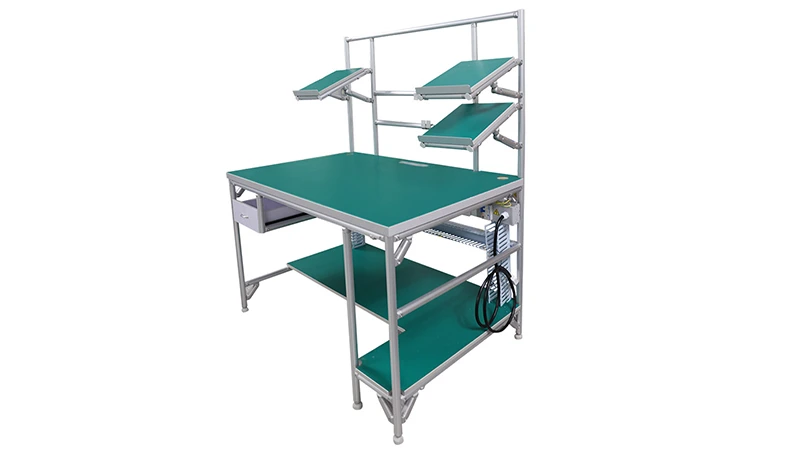
Aluminum Workbench B
Aluminum tube workbench is more flexible and durable, compared with traditional PE/ABS coated steel tube. It is easy to assemble, anti corrosion, rust protection, and recycle use after disassemble.
How this workhorse of a workbench balances cost and strength for modern workspaces
The Workbench Dilemma: Cheap vs. Durable
Walk into any hardware store or browse online marketplaces, and you'll quickly realize there's no shortage of workbenches. From flimsy particleboard tables priced under $100 to industrial steel monsters that cost as much as a small appliance, the options are overwhelming. But for most of us—small business owners, workshop enthusiasts, or warehouse managers—there's a sweet spot we're chasing: a workbench that doesn't empty our wallets but also doesn't wobble, scratch, or fall apart after a few months of use.
I've been there. A few years back, I managed a small electronics assembly shop, and we needed new workbenches. We started with budget wooden ones—they looked nice, fit the budget, and were easy to assemble. But within six months, the surfaces were warped from spilled solder flux, the legs creaked under the weight of tools, and one even collapsed when a technician leaned on it too hard. We replaced them with steel workbenches next, which were sturdy but heavy (moving them required two people) and started rusting near the loading dock where humidity was high. And don't get me started on the price tag—those steel benches cost three times what the wooden ones did, and we still had to replace parts like casters or shelves within a year.
That's when we discovered Aluminum Workbench B. At first glance, it seemed too good to be true: lightweight enough for one person to reposition, sleek aluminum surfaces that wiped clean easily, and a price point that sat comfortably between the cheap wood and pricey steel options. Two years later, those workbenches are still the backbone of our assembly line. No rust, no warping, and the only maintenance we've done is tightening a loose caster (which took five minutes with a wrench). So, what makes Aluminum Workbench B different? Let's break it down.
What Is Aluminum Workbench B, Exactly?
Aluminum Workbench B is a modular workbench designed for versatility and longevity. Unlike generic workbenches that come in one-size-fits-all designs, this model is built around the concept of adaptability. It features a single-deck surface (no built-in drawers, which keeps costs down) and a frame constructed from high-quality aluminum extrusion profile—those interlocking, T-slotted aluminum beams you've probably seen in industrial setups. The standard model measures 120cm in length, 60cm in depth, and 80cm in height, but thanks to its modular design, you can easily extend it with additional sections or adjust the height using aluminum pipe accessories if needed.
One of the first things you'll notice about Aluminum Workbench B is its clean, no-nonsense design. The surface is a smooth aluminum panel—thick enough to resist dents from dropped tools but thin enough to keep the overall weight low (around 35kg, compared to 60kg+ for a similar steel workbench). The frame uses aluminum profile connectors that lock the beams together securely, eliminating the wobble common in bolt-together wooden or steel frames. And because it's made from aluminum, there's no need for paint or coatings; the natural silver finish resists fingerprints and cleans up with a quick wipe of a damp cloth.
But what really sets it apart is its focus on the essentials. Instead of adding expensive extras like built-in power strips or tool chests (which you can always add later with accessories), Aluminum Workbench B doubles down on the basics: a flat, stable surface, a sturdy frame, and compatibility with a wide range of add-ons. This stripped-back approach is key to its affordability—you're not paying for features you might not need—without skimping on the quality that ensures durability.

The Material Advantage: Why Aluminum Extrusion Profile Wins
At the heart of Aluminum Workbench B's durability is its use of aluminum extrusion profile. To understand why this matters, let's take a quick detour into how aluminum extrusion works. Aluminum extrusion is a manufacturing process where heated aluminum billets are pushed through a die (a custom-shaped tool) to create long, uniform profiles—think of it like squeezing toothpaste through a tube, but with metal. The result? Beams, angles, and panels with consistent thickness, strength, and precision.
This process gives aluminum extrusion profile several advantages over other materials used in workbenches:
- Strength without the weight: Aluminum is about one-third the weight of steel, but aluminum extrusion profile, with its hollow, ribbed design, is surprisingly strong. The T-slots (those grooves running along the length of the profile) add structural rigidity, allowing the frame to support up to 300kg of weight without bending. That means you can stack heavy toolboxes, machinery parts, or even small equipment on top without worrying about sagging.
- Corrosion resistance: Unlike steel, aluminum forms a natural oxide layer when exposed to air, which acts as a protective barrier against rust and corrosion. This makes Aluminum Workbench B ideal for humid environments—like garages, warehouses near the coast, or even outdoor workshops. I've seen these workbenches used in marine repair shops, where saltwater spray is a daily occurrence, and after two years, they still look brand new.
- Precision and consistency: Extruded profiles are made to exact specifications, so every Aluminum Workbench B comes out the same—no uneven legs or warped surfaces. This precision also makes it easy to add accessories later; aluminum pipe accessories like shelves, tool hooks, or monitor mounts slide right into the T-slots and lock into place with simple bolts, no drilling required.
- Low maintenance: Unlike wood, which needs staining or sealing to prevent warping, or steel, which needs painting to avoid rust, aluminum extrusion profile is virtually maintenance-free. Spills? Wipe them up with soap and water. Scratches? They're barely noticeable on the matte finish, and they don't compromise the structural integrity. Even if you scratch through the oxide layer, aluminum self-heals by forming a new oxide layer over time.
Compare this to a wooden workbench, which might use particleboard or plywood. These materials swell when wet, crack when dry, and are prone to chipping. Steel workbenches, while strong, are heavy, prone to rust (unless they're stainless steel, which is even more expensive), and can dent if hit with a heavy object. Aluminum extrusion profile hits that sweet spot: strong enough for daily use, light enough to move, and resistant to the elements—all at a fraction of the cost of stainless steel.

Affordability Breakdown: Why It's Cheaper (But Not Cheap)
Let's talk numbers. A standard Aluminum Workbench B costs around $250–$350, depending on where you buy it and whether you add optional extras like casters or a back shelf. Compare that to a similar-sized steel workbench, which can run $500–$800, or a high-end wooden workbench (solid oak, for example) at $400–$600. On the surface, Aluminum Workbench B is already hundreds of dollars cheaper than premium options—but the real savings come from its long-term value.
To illustrate, let's look at a 5-year cost comparison. Suppose you run a small workshop and need 10 workbenches. Here's how the numbers stack up:
| Workbench Type | Initial Cost per Unit | Total Initial Cost (10 units) | Expected Lifespan | Maintenance Costs (5 years) | Replacement Costs (5 years) | Total 5-Year Cost |
|---|---|---|---|---|---|---|
| Budget Wooden Workbench | $150 | $1,500 | 1–2 years | $50/unit (refinishing, replacing legs) | $1,500 (replace all 10 units after 2 years) | $3,500 |
| Steel Workbench | $600 | $6,000 | 5–7 years | $100/unit (rust treatment, caster replacement) | $0 (no replacements needed) | $7,000 |
| Aluminum Workbench B | $300 | $3,000 | 10+ years | $20/unit (tightening bolts, replacing casters) | $0 (no replacements needed) | $3,200 |
The table tells the story: over five years, Aluminum Workbench B costs less than both budget wooden workbenches (which need frequent replacement) and steel workbenches (which have a high upfront cost). Even if you factor in inflation or unexpected repairs, the math holds. And since Aluminum Workbench B has a lifespan of 10+ years, the savings only grow over time—you might not need to replace them for a decade, while wooden workbenches would need to be swapped out 5 times in that period.
Another hidden cost saver? Shipping. Because aluminum is lightweight, shipping 10 Aluminum Workbenches costs a fraction of shipping 10 steel workbenches. For example, a single steel workbench might cost $100 to ship, while Aluminum Workbench B ships for $30–$40. For 10 units, that's an extra $600–$700 in shipping costs for steel—money that stays in your pocket with aluminum.
Durability in Action: How It Holds Up in Real Workspaces
Numbers are one thing, but real-world performance is another. Let's look at how Aluminum Workbench B stands up to the daily grind in different environments.
1. Manufacturing and Assembly Lines
In manufacturing settings, workbenches take a beating. Tools get dropped, parts are slid across surfaces, and chemicals like lubricants or solvents are spilled regularly. At a electronics assembly plant in Ohio, they replaced their old steel workbenches with Aluminum Workbench B three years ago. "We were tired of steel benches rusting near the washing stations," says Mike, the plant manager. "Aluminum doesn't rust, and the surface is so smooth that PCBs (printed circuit boards) glide across it without getting scratched. We've had a few incidents where soldering irons were left on the bench by accident—no burn marks, just a small discoloration that wiped off with alcohol. The steel benches would've had permanent scorch marks."
2. Automotive Repair Shops
Automotive shops are another tough test: oil, grease, heavy tools, and constant movement. Jake, who runs a small auto repair shop in Texas, switched to Aluminum Workbench B after his wooden workbench warped beyond repair. "Oil stains on wood are permanent—you might as well throw a tarp over it. With aluminum, I spray it with degreaser, wipe it down, and it looks new again. I've dropped a 20-pound impact wrench on it twice—no dents, just a small scratch. And since it's lighter, I can wheel it (with casters added) next to the car I'm working on, which saves me trips back and forth to the toolbox."
3. Home Workshops and DIY Spaces
Even in home settings, durability matters. Sarah, a DIY enthusiast who builds custom furniture in her garage, uses Aluminum Workbench B as her main cutting and assembly surface. "I was worried aluminum might scratch easily, but it's held up to saws, drills, and even clamping heavy boards. The T-slots are a game-changer—I added a vice and a tool rack using aluminum pipe accessories, and if I need to rearrange, I just slide them to a new position. It's also lightweight enough that I can move it out of the way when I need space for larger projects."
"We run a small bakery, and we use Aluminum Workbench B for decorating cakes and prepping ingredients. Flour, sugar, and water spills are constant, but the aluminum surface never stains or warps. We've had it for three years, and it still looks like the day we bought it. For the price, I don't think we could've found anything better."
Lean System Integration: Making Your Workspace Work Smarter
In today's fast-paced work environments, efficiency is key—and that's where lean system principles come into play. Lean system is all about eliminating waste, streamlining workflows, and making sure every tool and piece of equipment serves a purpose. Aluminum Workbench B fits perfectly into this mindset, thanks to its modular design and adaptability.
One of the core tenets of lean system is "5S"—Sort, Set in Order, Shine, Standardize, Sustain. Aluminum Workbench B excels at "Set in Order" and "Standardize." With its T-slotted aluminum profile, you can customize the workspace to fit exactly what you need, right where you need it. Need a shelf for tools above the bench? Add an aluminum profile shelf using brackets that slide into the T-slots. Want to attach a paper towel holder or a trash bin under the bench? Use aluminum pipe accessories like clamps or hooks. Everything has a place, reducing the time spent searching for tools or materials.
Standardization is another lean principle, and Aluminum Workbench B makes it easy to replicate workstations across your team. Since every bench is identical, new employees can quickly learn where tools and supplies are stored, reducing training time. And if you need to reconfigure your workspace—say, shifting from a linear assembly line to a U-shape for better communication—Aluminum Workbench B's lightweight design lets you rearrange benches in minutes, without hiring a crew or using heavy machinery.
At the electronics assembly shop I mentioned earlier, we used Aluminum Workbench B to implement a "one-piece flow" system, where each workstation is dedicated to a specific task. By adding roller track (another aluminum accessory) between benches, we created a smooth material flow, reducing the time spent moving parts from one station to the next. The benches' low profile also made it easy to add visual management tools like whiteboards or status lights above each station—all attached using, you guessed it, aluminum profile brackets.
Accessorizing for Maximum Utility: Aluminum Pipe Accessories That Enhance Functionality
While Aluminum Workbench B is great on its own, its true potential shines when paired with aluminum pipe accessories. These add-ons let you tailor the bench to your specific needs without spending a fortune. Here are some of the most popular options:
Casters for Mobility
Even though the standard Aluminum Workbench B doesn't come with casters (to keep costs down), adding a set of locking casters is a breeze. Aluminum pipe accessories like caster mounts slide into the T-slots on the bottom of the frame, and the casters themselves lock in place to keep the bench stable when in use. This is a must for workshops where you need to move the bench to different areas or clean underneath it.
Shelves and Racks
Aluminum profile shelves are lightweight, strong, and easy to install. You can add a single shelf above the bench for tools or materials, or a multi-tier rack below for storage bins. Since the shelves attach via T-slot connectors, you can adjust their height as needed—no drilling or cutting required.
Tool Hooks and Holders
Aluminum pipe accessories like tool hooks, pegboards, and magnetic strips keep frequently used tools within arm's reach. Hooks slide into the T-slots and can be positioned anywhere along the bench's frame, so you can arrange tools in the order you use them, reducing wasted motion.
Monitor and Device Mounts
In modern workspaces, computers and tablets are essential for accessing work orders, manuals, or design files. Aluminum profile monitor mounts attach to the back of the bench, freeing up surface space and keeping screens at eye level to reduce neck strain.
The best part? All these accessories are affordable—most cost between $10–$50—and since they're made from the same aluminum extrusion profile as the bench, they match in both style and durability. You can start with the basics and add more accessories as your needs grow, without having to replace the entire bench.
Maintenance Tips: Keeping Your Aluminum Workbench B in Top Shape
One of the biggest advantages of Aluminum Workbench B is how little maintenance it requires, but a few simple steps will ensure it lasts even longer:
- Clean regularly: Wipe the surface with a damp cloth to remove dust, dirt, or spills. For tougher stains (like oil or grease), use mild soap and water or a degreaser—avoid abrasive cleaners, which can scratch the surface.
- Tighten connections: Over time, the bolts and connectors holding the frame together may loosen, especially if the bench is moved frequently. Check them every few months and tighten with a wrench if needed.
- Protect from extreme heat: While aluminum is heat-resistant, prolonged exposure to temperatures above 200°C (392°F) can weaken it. Avoid placing hot objects like welding torches directly on the surface—use a heat-resistant mat instead.
- Lubricate moving parts: If you've added casters or sliding shelves, lubricate the wheels or tracks with a light machine oil every six months to keep them moving smoothly.
- Inspect for damage: While aluminum is durable, heavy impacts can sometimes bend the frame or scratch the surface. If you notice a bent beam, contact the manufacturer—many offer replacement parts at a fraction of the cost of a new bench.
Follow these steps, and there's no reason your Aluminum Workbench B shouldn't last 10–15 years or more—making it one of the most cost-effective investments you can make in your workspace.
Final Thoughts: Affordable Durability That Delivers
In a market flooded with workbenches that either cost too much or fall apart too soon, Aluminum Workbench B stands out as a rare find: a tool that balances affordability and durability without compromise. Its use of aluminum extrusion profile gives it the strength to handle daily wear and tear, while its modular design and lightweight construction make it adaptable to almost any workspace.
Whether you're running a small business, setting up a home workshop, or managing a busy warehouse, Aluminum Workbench B offers the kind of value that goes beyond the initial price tag. It's not just a workbench—it's an investment in efficiency, durability, and peace of mind. And in today's world, where every dollar counts, that's a win worth celebrating.
So, if you're in the market for a new workbench, don't settle for cheap and flimsy or expensive and overbuilt. Give Aluminum Workbench B a closer look—your back (and your budget) will thank you.