- Company Articles
- Products and Technology
- Installation And Maintenance
- Aluminum Workbench B Maintenance Tips: Extending Lifespan in Industrial Settings

Aluminum Workbench B Maintenance Tips: Extending Lifespan in Industrial Settings
Related Product
Aluminum Workbench B
Aluminum tube workbench is more flexible and durable, compared with traditional PE/ABS coated steel tube. It is easy to assemble, anti corrosion, rust protection, and recycle use after disassemble.
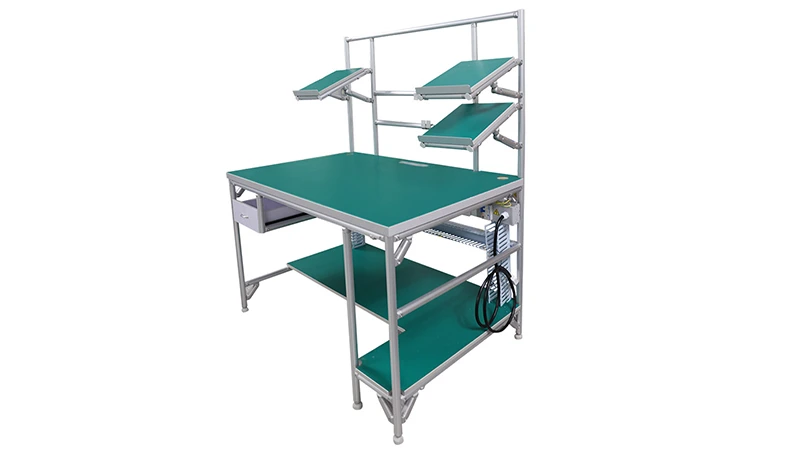
1. Know Your Workbench: The Basics of Aluminum Workbench B
Before we jump into maintenance, let's get familiar with what makes Aluminum Workbench B tick. At its core is an aluminum profile frame—those sleek, modular rails that give the bench its strength without weighing it down. Unlike steel, aluminum resists rust and corrosion, which is a huge win in damp or dusty industrial environments. The work surface is typically a solid, smooth deck (no casters, as this model is designed for stationary use), and it's often paired with aluminum profile accessories like side brackets, tool hooks, or material racks for extra storage. Some versions might even include roller track sections for sliding parts across the bench, though we'll get to those later.
What makes this workbench stand out? Its simplicity. There are no complicated moving parts, but that doesn't mean it's maintenance-free. The aluminum profile, while durable, can bend if overloaded. The accessories—like end caps or connectors—can loosen over time from vibrations. Even the work surface, if neglected, can accumulate scratches, stains, or grease buildup that makes it harder to use. Understanding these components is the first step to keeping them in shape.
Pro Tip:
Keep a copy of the workbench's assembly manual handy. It'll have diagrams of the aluminum profile and accessory parts, making it easier to identify which component needs attention when something feels off.
2. Daily Habits: 5-Minute Checks That Prevent Big Problems
You don't need to spend hours maintaining your workbench—just a few minutes at the start or end of your shift can make a world of difference. Think of it like brushing your teeth: small, consistent effort beats occasional deep cleaning. Here's what to add to your daily routine:
Wipe Down the Surface
Grease, oil, and dust love to build up on your workbench. A quick wipe with a damp microfiber cloth (avoid abrasive sponges—they scratch the aluminum!) removes these culprits. If there's heavy grease, mix a little mild dish soap with warm water, wipe, then dry thoroughly. Why? Grease can seep into the cracks between the aluminum profile and the work surface, causing corrosion over time. Plus, a clean surface is safer—no slippery spots to trip over tools.
Check for Loose Fasteners
Industrial settings are noisy, and all that vibration can loosen screws, bolts, and aluminum profile accessories. Take 30 seconds to give the bench a gentle shake. Do you hear rattling? Check the joints where the aluminum profile connects—these are common spots for loose fasteners. Grab a Phillips-head screwdriver or Allen wrench (most aluminum profile accessories use hex screws) and tighten any that feel wobbly. Don't overtighten—aluminum is softer than steel, and stripping the threads will only create more work later.
Clear the Clutter
This might sound like a productivity tip, but it's maintenance too. Piles of tools, leftover parts, or empty boxes on the workbench add unnecessary weight and hide potential issues. A cluttered bench makes it hard to spot a bent aluminum profile or a damaged roller track. At the end of your shift, clear off non-essential items and store them in bins or cabinets. Your future self (and your workbench) will thank you.
| Daily Task | Why It Matters | How to Do It |
|---|---|---|
| Wipe surface | Prevents grease buildup and corrosion | Use a damp microfiber cloth; mild soap for tough stains |
| Tighten loose fasteners | Stops rattling and structural wear | Check joints; use Allen wrench/screwdriver to snug (not strip) screws |
| Clear clutter | Reduces weight; reveals hidden damage | Store tools/parts in bins; keep only essentials on deck |

3. Deep Cleaning: Getting Into the Gaps
Daily wipes are great, but every couple of weeks, your workbench needs a deeper clean—especially the nooks and crannies where dust and debris hide. Aluminum profile frames have T-slots (those grooves along the rails) that are magnets for dirt, metal shavings, and even coffee spills. If left unchecked, this gunk can corrode the aluminum or jam accessories like tool hooks that slide into the slots.
Cleaning the Aluminum Profile T-Slots
Start by vacuuming the T-slots with a narrow nozzle attachment—this will suck up loose dirt and metal shavings. For stubborn debris, use a soft-bristled brush (an old toothbrush works!) to dislodge it, then vacuum again. If there's grease or oil in the slots, dip a cotton swab in isopropyl alcohol and run it along the groove—alcohol evaporates quickly, so it won't leave moisture behind. Avoid using harsh chemicals like bleach or abrasive cleaners; they can eat away at the aluminum's protective finish.
Scrubbing the Work Surface
Even with daily wipes, the work surface can develop stains from oils, paints, or adhesives. For these, mix baking soda with a little water to make a paste, apply it to the stain, and let it sit for 5–10 minutes. Gently scrub with a soft cloth, then rinse and dry. Baking soda is abrasive enough to lift stains but gentle enough not to scratch the aluminum. For really tough marks (like dried glue), a plastic scraper (not metal!) can help lift the gunk without damaging the surface.
Caring for Roller Track (If Equipped)
Some Aluminum Workbench B models come with roller track sections—those small, wheeled rails that let you slide parts across the bench with minimal effort. These rollers collect dust and grime, which can make them sticky or noisy. To clean them, first remove any parts or debris from the track. Then, use a can of compressed air to blow out dust from the wheels and axles. Wipe each roller with a cloth dampened in alcohol to remove grease. Finally, add a drop of silicone lubricant (not oil!) to each wheel axle—this keeps them rolling smoothly without attracting more dirt.

4. Inspecting and Maintaining Aluminum Profile Accessories
Aluminum profile accessories are the workbench's "extras"—the end caps that protect the profile ends, the brackets that hold shelves, the tool hooks that keep your wrench within reach. These parts might seem small, but they play a big role in the bench's functionality. Here's how to keep them in check:
End Caps and Covers
Aluminum profile end caps are those plastic or rubber plugs that go on the ends of the rails. They prevent dust, moisture, and fingers from getting stuck in the T-slots. Over time, they can crack or fall off (thanks to bumps from tools or heavy parts). Check each end cap during your weekly inspection—if one is missing, replace it immediately. You can find replacements at most industrial supply stores or through your aluminum profile supplier. A little tip: apply a tiny dab of silicone adhesive to the new cap before pushing it in—it'll stay put longer without damaging the aluminum.
Brackets and Connectors
Brackets (like those holding up a side shelf) and connectors (the pieces that join aluminum profile rails at angles) are under constant stress. Every time you lean on the shelf or place a heavy tool on it, those brackets take the weight. Inspect them for cracks, bends, or signs of bending—aluminum is strong, but it can warp if overloaded. If a bracket feels loose, tighten the screws first. If it still wobbles or looks bent, replace it. Don't try to "fix" a bent bracket by bending it back—aluminum weakens when bent, and it'll just fail again later.
Adjustable Leveling Feet
Even stationary workbenches need to stay level—otherwise, tools roll off, parts slide unevenly, and the bench itself can wobble. Aluminum Workbench B often comes with adjustable leveling feet (small, threaded feet that screw into the bottom of the legs) to help balance it on uneven floors. Over time, these feet can loosen or wear down. To check, place a level on the work surface—if it's off, adjust the feet by turning them clockwise (to lower) or counterclockwise (to raise) until the bubble is centered. If a foot is damaged (e.g., the rubber pad is torn), replace it—most suppliers sell them as standalone parts.
5. Handling Wear and Tear: When to Repair vs. replace
No matter how careful you are, parts wear out. The key is knowing when to fix something and when to swap it out. Here are common issues with Aluminum Workbench B and how to handle them:
Scratched Work Surface
Minor scratches are normal—they're a badge of honor from years of hard work! But deep scratches can trap dirt or harbor bacteria (important in cleanrooms or food-processing areas). For shallow scratches, buff them out with a metal polish (like Brasso) and a soft cloth—apply a small amount, rub in a circular motion, then wipe clean. For deeper scratches, it's often better to leave them be unless they're causing problems—aluminum is thin, and sanding could weaken the surface.
Bent Aluminum Profile
If a section of the aluminum profile frame is bent (maybe from dropping a heavy tool or overloading the bench), assess the damage. A slight bend might not affect stability, but a severe kink or crack is a red flag. Aluminum can't be bent back without weakening it, so a bent profile should be replaced. Contact your supplier with the profile's dimensions (found in the manual) to get a matching replacement—most aluminum profiles are standardized, so it should be easy to find.
Loose or Damaged Roller Track
If your roller track is sticking or the wheels aren't spinning freely, first try cleaning and lubricating (as we covered earlier). If that doesn't work, check the axles—they might be bent or worn. Most roller track wheels are replaceable; you can buy individual wheels or axle pins from your roller track supplier. If the entire track is warped or the mounting brackets are broken, replace the track section—it's cheaper than replacing the whole workbench.
Pro Tip:
Keep a small stock of spare parts—like end caps, leveling feet, and roller track wheels—in your toolbox. That way, you can fix issues immediately instead of waiting for replacements to arrive.
6. Seasonal Maintenance: Adapting to the Elements
Industrial environments aren't static—temperatures rise in summer, humidity spikes, or dry air sets in during winter. These changes can affect your workbench. A little seasonal care goes a long way:
Summer: Battling Humidity
High humidity can cause aluminum to develop a white, powdery film called oxidation (it's not rust, but it's still unsightly). To prevent this, wipe down the aluminum profile and work surface weekly with a cloth dampened in a 50/50 mix of water and vinegar—vinegar's acidity helps dissolve oxidation and prevents new buildup. Also, ensure the workbench is in a well-ventilated area—stagnant air traps moisture, so open windows or use fans if possible.
Winter: Fighting Dryness and Cold
Dry winter air can make aluminum profile joints creak as the metal contracts. A light application of silicone spray on the joints (avoiding the work surface) can reduce friction and quiet the noise. Cold temperatures can also make plastic accessories (like end caps or roller track wheels) brittle—handle them gently to avoid cracking. If the workbench is near a heater, keep it a few feet away—direct heat can warp the aluminum profile over time.
Rainy Seasons: Protecting Against Water
If your workspace is prone to leaks or flooding (looking at you, old warehouses!), move the workbench away from windows or doors if possible. If water does get on the bench, dry it immediately—even aluminum can corrode if left wet for days. Consider placing a waterproof mat under the bench to catch drips, and check the leveling feet for rust (some have metal components that need extra care).
7. Making It a Team Effort: Encouraging Workplace Care
Maintaining your workbench shouldn't fall on one person's shoulders. After all, everyone who uses the bench benefits from it being in good shape. Here's how to get your team on board:
Assign "Bench Champions"
Pick a few team members to be "bench champions"—they'll lead daily checks, remind others to clean up, and report issues early. Rotate the role monthly so everyone gets involved and takes ownership.
Post a Quick-Reference Checklist
Hang a simple checklist near the workbench with daily tasks: "Wipe surface," "Tighten loose screws," "Clear clutter." Make it visual—use pictures if needed—so even new team members know what to do.
Celebrate Small Wins
Acknowledge when the bench stays clean for a week or when someone spots and fixes a loose bracket. A little praise goes a long way in building a culture of care.
8. Final Thoughts: Your Workbench, Your Partner
Aluminum Workbench B isn't just a piece of equipment—it's a partner in your daily work. It holds your tools, supports your projects, and keeps your workspace organized. By spending a few minutes each day, week, and season on maintenance, you're not just extending its lifespan—you're investing in your team's productivity, safety, and morale. Remember: a well-cared-for workbench is a sign of a well-run operation. So grab that cloth, tighten that screw, and keep building—your workbench (and your future self) will thank you.