
- Company Articles
- Products and Technology
- Installation And Maintenance
- Aluminum Workbench B Safety Tips: Ensuring Operator Protection in Busy Factories
Walk into any busy factory, and you'll feel the energy immediately—machines humming, operators moving with purpose, and products flowing from one station to the next. In this controlled chaos, every tool, every surface, and every piece of equipment plays a role in keeping operations smooth. But among these, the workbench stands out as the unsung hero. It's where precision meets productivity, where parts are assembled, inspected, and prepared for the next step. For many production lines, the aluminum workbench B has become a staple, prized for its lightweight durability, modular design, and adaptability to production assemble tasks. Yet, even the most reliable workbench can become a hazard if safety isn't prioritized. In this guide, we'll dive into practical, actionable safety tips tailored to aluminum workbench B, helping you protect your team, reduce downtime, and keep your factory floor running safely.
Understanding Aluminum Workbench B: More Than Just a Table
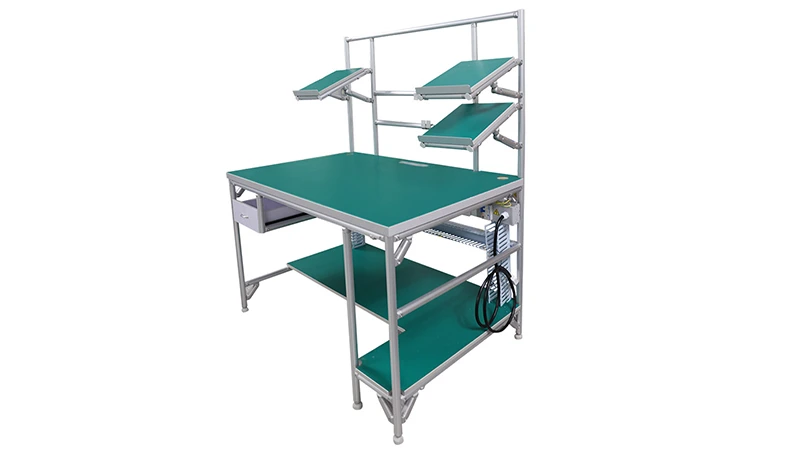
Before we jump into safety tips, let's take a moment to appreciate what makes aluminum workbench B unique. Unlike traditional wooden or steel workbenches, this model is built with aluminum profiles—a material known for its strength-to-weight ratio, resistance to corrosion, and flexibility. It often comes with modular features, such as adjustable heights, customizable surfaces, and compatibility with aluminum profile accessories like tool hooks, shelves, and bins. Many versions also include caster wheels for easy mobility, allowing operators to reposition the workbench as production needs shift. This versatility makes it ideal for dynamic environments, from electronics assembly to automotive part manufacturing. But with great flexibility comes great responsibility: each moving part, adjustable component, and accessory adds a layer of safety consideration.
Imagine a typical morning on the factory floor: Maria, an assembly line operator, arrives to find her aluminum workbench B has been moved overnight to accommodate a new machine. The caster wheels are unlocked, the surface is cluttered with tools from the previous shift, and one of the adjustable leveling feet is loose, causing the bench to wobble slightly. In her rush to meet the day's quota, Maria ignores these red flags. By mid-morning, she's reaching for a heavy tool when the bench shifts, sending the tool crashing to the floor. Luckily, no one is hurt, but the incident halts production for 20 minutes. This scenario is all too common—and entirely preventable. Let's break down how to avoid it.
Pre-Use Safety Checks: Start Your Shift Right
The first step to ensuring operator safety with aluminum workbench B is establishing a consistent pre-use inspection routine. This doesn't have to be time-consuming—just a quick 2-3 minute check at the start of each shift can catch issues before they escalate. Below is a handy checklist to guide operators through the process:
| Check Item | What to Look For | Frequency |
|---|---|---|
| Stability (Adjustable Leveling Feet) | Feet are fully extended, locked in place, and the bench doesn't wobble when pushed gently. No cracks or bending in the feet. | Daily (Start of Shift) |
| Caster Wheels | Wheels are locked (if not in use), roll smoothly without sticking, and have no debris tangled in axles. Brake mechanisms engage fully. | Daily (Start of Shift & After Moving) |
| Surface Integrity | No sharp edges, cracks, or loose panels. Non-slip coating (if present) is intact and free of oil/grease buildup. | Daily (Start of Shift) |
| Aluminum Profile Accessories | Shelves, hooks, and bins are securely fastened. No loose screws or bent brackets. Accessories don't overhang the bench edge. | Weekly (Plus Daily Visual Check) |
| Weight Capacity Label | Label is visible and legible, indicating maximum load (typically 200-500 lbs for aluminum workbench B). | Monthly (replace if Faded/Torn) |
Let's zoom in on two critical items from this list: adjustable leveling feet and caster wheels . These components are often overlooked but are vital for stability. Adjustable leveling feet are designed to compensate for uneven factory floors—a common issue in older facilities or areas with heavy machinery vibration. If the feet aren't properly adjusted, the workbench may rock, increasing the risk of tools or parts sliding off. To check them, simply push down gently on each corner of the bench. If it moves, twist the feet clockwise or counterclockwise until the bench sits firmly. For caster wheels, always lock them when the workbench is in use—even if you think it won't move. A sudden jolt from a nearby machine or a operator bumping into it can send an unlocked bench rolling, leading to trips or collisions.

Ergonomics: Designing for the Human Behind the Work
Safety isn't just about preventing accidents—it's also about protecting operators from long-term injuries like strains, sprains, and repetitive motion disorders. Aluminum workbench B's adjustable features make it a powerful tool for ergonomic safety, but only if set up correctly. Here's how to optimize it for operator comfort and health:
Height Matters: The ideal workbench height depends on the task. For assembly work (like production assemble of small parts), the surface should be at elbow height when the operator stands with arms relaxed at their sides. For heavy lifting, a slightly lower height (mid-thigh) reduces strain on the back. Many aluminum workbench B models offer manual or electric height adjustment—train operators to adjust this at the start of their shift, not just once and forget it.
Tool Placement: Use aluminum profile accessories like tool rails and hanging bins to keep frequently used tools within easy reach. The "golden zone"—the area between shoulder and knee height—should hold the most-used items. Avoid placing heavy tools on high shelves; instead, use lower shelves or under-bench drawers to prevent overreaching.
Surface Space: Clutter is an ergonomic hazard. A messy workbench forces operators to lean, stretch, or twist to access items, increasing the risk of muscle strain. Enforce a "5S" approach (Sort, Set in Order, Shine, Standardize, Sustain) by designating specific spots for tools, parts, and waste. Aluminum workbench B's smooth surface is easy to clean—wiping it down at the end of each shift prevents buildup of oil, grease, or debris that can make surfaces slippery.
Consider this example: John, a veteran operator, has been using the same aluminum workbench B for five years. He's never adjusted the height, even though he's 6'2" (taller than the average operator). By noon each day, he complains of shoulder pain from hunching over the low surface. After a safety audit, the team adjusts the bench height by 4 inches and adds a tool rail at waist level. Within a week, John's pain subsides, and he's able to work more efficiently. Small changes like this not only protect operators but also boost productivity by reducing fatigue.

Load Capacity: Know Your Limits
Aluminum is strong, but it's not indestructible. Every aluminum workbench B comes with a maximum weight capacity, typically printed on a label near the base. Exceeding this limit can cause the bench to sag, bend, or even collapse—endangering operators and damaging equipment. Yet, in the rush to meet deadlines, it's easy to pile on parts, tools, and materials without a second thought. Here's how to keep loads safe:
Read the Label: Make sure every operator knows where the weight capacity label is and understands what it means. For example, a 300-lb capacity includes the weight of the operator's arms/rests, tools, and all materials on the surface. If the label is missing or faded, contact your supplier to replace it immediately.
Distribute Weight Evenly: Placing all heavy items on one side of the bench creates uneven stress, leading to instability. Train operators to spread weight across the surface—for instance, placing a 50-lb toolbox in the center rather than hanging off the edge. Use aluminum profile accessories like dividers or bins to separate and organize heavy vs. light items.
Check for Overloading Signs: Even if you think you're under the limit, watch for warning signs: the bench creaks or sways, the surface dips in the middle, or adjustable leveling feet start to sink into the floor. If any of these happen, remove items immediately and redistribute the load. Report persistent issues to maintenance—they may indicate a damaged frame or worn components.
A cautionary tale: A factory once used aluminum workbench B to store large metal sheets for a production assemble line. The bench's capacity was 400 lbs, but the team stacked three 200-lb sheets on it, assuming "it's aluminum, it can handle it." An hour later, the bench frame bent, sending the sheets crashing to the floor. Luckily, no one was nearby, but the cost to replace the bench and damaged sheets totaled $2,000. This mistake could have been avoided with a quick weight check and better distribution.
Mobility Safety: When Caster Wheels Become a Risk
Many aluminum workbench B models come with caster wheels for easy repositioning—a feature that's incredibly useful for adapting to changing production needs. But mobility introduces new risks: unlocked wheels can roll unexpectedly, uneven terrain can cause tipping, and rough handling during moves can damage the bench or nearby equipment. Follow these tips to keep mobile workbenches safe:
Lock Before Use: This bears repeating: always lock the caster wheels when the workbench is in use. Even a slight incline in the floor can cause an unlocked bench to drift. Teach operators to double-check the locks by giving the bench a gentle push after locking—if it moves, the locks need adjustment or repair.
Clear the Path: Before moving the workbench, clear the area of debris, cords, and other obstacles. A loose wire or small part can catch a caster wheel , causing the bench to tip. Assign a "spotter" if moving the bench with heavy loads—someone to walk ahead and clear the path while the operator pushes from behind.
Don't Overload During Moves: Even if the bench is under its weight capacity when stationary, moving it with a full load increases stress on the wheels and frame. When repositioning, remove heavy items first, move the bench, then reload. This reduces the risk of the bench tipping or wheels breaking.
Inspect Wheels Regularly: Caster wheels take a beating—they roll over grit, oil, and uneven floors daily. Check for signs of wear: flat spots, cracked rubber, or stuck axles. Lubricate wheels monthly with a silicone-based lubricant to keep them rolling smoothly, and replace worn wheels immediately (most suppliers sell replacement caster wheels as standalone parts).
Maintenance: Keeping Aluminum Workbench B in Top Shape
A well-maintained workbench is a safe workbench. Aluminum is low-maintenance compared to steel or wood, but it still needs regular care to prevent issues like corrosion, loose joints, or worn parts. Here's a simple maintenance schedule to follow:
Daily: Wipe down the surface with a mild detergent and water to remove oil, grease, or debris. Check for loose aluminum profile accessories (screws, brackets) and tighten them if needed.
Weekly: Inspect adjustable leveling feet for cracks or bending. Clean caster wheel axles with a brush to remove debris. Check all joints and connections for signs of stress (e.g., bent aluminum profiles).
Monthly: Lubricate caster wheels and height adjustment mechanisms. Inspect the surface for scratches or dents—small scratches can be sanded smooth to prevent snags, while deep dents may require professional repair. Test weight capacity with a known load to ensure the bench still holds steady.
Quarterly: Review the workbench's overall condition with a maintenance team. replace worn aluminum profile accessories , damaged caster wheels, or rusted parts (though aluminum resists rust, hinges or steel fasteners may corrode). Consider repainting or refinishing the surface if the non-slip coating is worn.
Pro tip: Keep a small maintenance kit near each aluminum workbench B, stocked with a wrench (for tightening feet/wheels), lubricant, a brush, and replacement screws. This makes it easy for operators to address minor issues immediately, rather than waiting for maintenance.
Training: The Most Overlooked Safety Tool
Even the best safety features and maintenance routines fail if operators aren't trained to use them. Aluminum workbench B may seem "simple," but improper use is a leading cause of accidents. Invest in regular training sessions that cover:
- Pre-use inspection steps (using the checklist above)
- Proper adjustment of height and leveling feet
- Weight capacity limits and load distribution
- Safe mobility practices (locking wheels, clearing paths)
- Reporting hazards (who to notify if a part is damaged)
Make training interactive: hold role-playing exercises where operators identify hazards on a "mock" workbench, or show videos of real accidents caused by improper workbench use. Encourage operators to speak up if they notice issues—create a "no-blame" culture where reporting a wobbly leveling foot or stuck caster wheel is praised, not penalized.
For example, a factory in Ohio implemented monthly 15-minute "safety huddles" focused on workbench safety. After three months, reports of workbench-related near-misses dropped by 75%, and operators reported feeling more confident in their ability to use the equipment safely. The key? Consistency and making training relevant to their daily work.
Conclusion: Safety as a Foundation, Not an Afterthought
Aluminum workbench B is more than just a piece of equipment—it's a partner in productivity. When cared for properly, it supports production assemble lines, protects operators, and keeps your factory running smoothly. By prioritizing pre-use checks, ergonomic setup, load management, mobility safety, maintenance, and training, you're not just preventing accidents—you're building a culture where safety is everyone's responsibility.
Remember, the goal isn't perfection—it's progress. Start with one or two tips (like locking caster wheels or adjusting leveling feet) and build from there. Over time, these small habits will become second nature, creating a factory floor where operators feel safe, valued, and empowered to do their best work. After all, the most valuable asset in any factory isn't the equipment—it's the people behind it. Protect them, and they'll protect your success.