- Company Articles
- Products and Technology
- Product knowledge
- Aluminum Workbench B vs. Wooden Workstations: Durability, Weight, and Cost Comparison

Aluminum Workbench B vs. Wooden Workstations: Durability, Weight, and Cost Comparison
Related Product
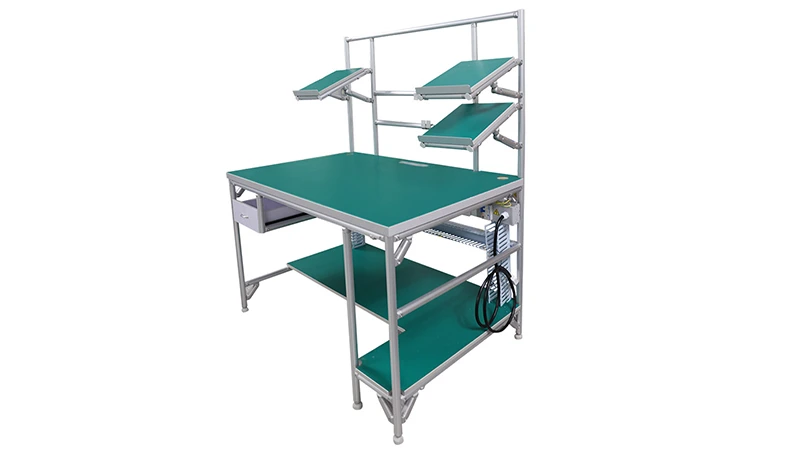
Aluminum Workbench B
Aluminum tube workbench is more flexible and durable, compared with traditional PE/ABS coated steel tube. It is easy to assemble, anti corrosion, rust protection, and recycle use after disassemble.
Walk into any workshop, lab, or manufacturing floor, and you'll notice something fundamental: the workbench. It's not just a piece of furniture—it's the silent workhorse that holds tools, supports projects, and shapes how efficiently a space operates. But here's the thing: not all workstations are created equal. When it comes to choosing one, the material alone can make or break your daily workflow, long-term budget, and even the lifespan of your setup. Today, we're diving into a head-to-head comparison that matters for anyone building or upgrading their workspace: Aluminum Workbench B versus traditional wooden workstations. We'll break down durability, weight, and cost—three factors that'll help you decide which one truly earns a spot in your shop.
Durability: When "Built to Last" Actually Means Something
Let's start with the big one: durability. A workstation takes a beating. Spills, heavy tools dropping, constant friction from materials sliding across the surface—these are daily realities. So, how do aluminum and wood stack up when the going gets tough?
Aluminum Workbench B: The Resilient Contender
Aluminum Workbench B isn't just made of any aluminum—it's built with aluminum extrusion profile , a material known for its strength and rigidity. Extruded aluminum profiles are crafted by pushing molten aluminum through a die, creating consistent, uniform shapes that resist bending and warping. Think of it like the backbone of the workbench: strong, stable, and ready to handle heavy loads without complaint.
But what about the little enemies? Moisture, for example. If your workspace is in a garage with poor ventilation, a basement lab, or even a factory near the coast, humidity is a silent killer. Wood? It soaks that up like a sponge. Leave a wooden workstation in a damp area, and you'll start seeing warping, swelling, or even mold over time. Aluminum? It laughs at moisture. Unlike wood, it doesn't absorb water, so no warping, no rotting, and certainly no mold. That's a game-changer for anyone working with liquids—whether it's oil in a mechanic's shop or cleaning solutions in a lab.
Then there's the daily grind. Drag a heavy metal tool across a wooden surface, and you'll leave a permanent scratch. Do the same on Aluminum Workbench B, and the anodized aluminum top (a common feature in these designs) will likely shrug it off. Scratches? Minimal. Dents? Unlikely, thanks to the inherent toughness of the aluminum extrusion profile. Even better, aluminum resists corrosion. Spill a chemical, and you won't have to panic about stains or degradation—just wipe it up, and you're good. Wood? A harsh chemical spill could eat through the finish, leaving a mark that's impossible to fix without sanding and refinishing.
Let's talk about pests, too. It's not glamorous, but wooden workstations are basically an open invitation to termites, beetles, or even mice looking for a home. In warehouses or rural workshops, this is a real risk. Aluminum? Insects don't snack on metal. No need for toxic sprays or regular inspections—your workstation stays pest-free, no extra effort required.
And what about long-term wear? I've seen wooden workstations in busy garages start to sag after a few years, especially if they're holding heavy equipment. The joints loosen, the surface warps, and suddenly, you're dealing with a wobbly mess. Aluminum Workbench B, on the other hand, relies on aluminum profile accessories like sturdy brackets and connectors that lock the structure into place. These accessories are designed to withstand tension and pressure, so the frame stays rigid year after year. It's the difference between a workstation that lasts 3–5 years (wood) and one that could outlive your current job (aluminum).
Wooden Workstations: The Aesthetic Trade-Off
Don't get me wrong—wood has charm. A well-crafted wooden workstation feels warm, classic, and even adds character to a space. But when it comes to durability, it's a trade-off. Solid wood (like oak or maple) is tough, but it's still organic. Even with a protective finish, it's prone to:
- Warping: Changes in humidity cause wood to expand and contract. Leave a wooden workstation in a garage that gets hot in summer and cold in winter, and you'll notice the surface start to bow or twist over time.
- Staining: A spilled cup of coffee, a drop of motor oil—wood absorbs liquids fast. Even with sealant, some stains seep in permanently, making the surface look worn long before its time.
- Scratches and Dents: Wood is softer than aluminum, so tools, hardware, or even heavy boxes can leave deep marks. You can sand and refinish, but that's time and money you're spending on maintenance.
For a woodworking shop where the workstation is part of the craft, this might be acceptable. But for a manufacturing plant or a lab where function trumps aesthetics? It's a risky bet.
Weight: When "Heavy-Duty" Becomes a Headache
Let's shift to weight—a factor that's easy to overlook until you need to move your workstation. Whether you're rearranging your shop layout, deep-cleaning, or relocating to a new space, how heavy your workstation is can turn a 10-minute task into a two-person ordeal. Here's how aluminum and wood compare.
Aluminum Workbench B: Lightweight, but Don't Let That Fool You
Aluminum is famous for its strength-to-weight ratio, and Aluminum Workbench B leans into that (pun intended). Thanks to its aluminum extrusion profile frame—hollow, but structurally reinforced—this workstation is surprisingly lightweight. A typical Aluminum Workbench B (single deck, without casters, as listed in specs) weighs in at around 40–50 pounds, depending on size. That's light enough for one person to move, even on short notice.
Why does this matter? Think about dynamic workspaces. In a factory where production lines change monthly, or a startup lab that's always adding new equipment, being able to reposition your workstation without hiring help is a huge plus. Even better, if you add casters (those handy wheel attachments), Aluminum Workbench B becomes almost effortless to roll around—no more straining your back or scratching your floors.
But here's the kicker: lightweight doesn't mean flimsy. The aluminum extrusion profile is designed to distribute weight evenly, so even with heavy tools or materials on top, the workstation stays stable. I've seen these workbenches hold 300+ pounds of equipment without so much as a creak. It's the best of both worlds: easy to move, but tough enough to handle the load.
Wooden Workstations: Heavy, and Getting Heavier
Wood is dense, and that density translates to weight. A solid wooden workstation of the same size as Aluminum Workbench B? We're talking 100–150 pounds, easy. Add a thick wooden top, and you're pushing 200+ pounds. Moving that requires planning: recruiting a coworker, using a dolly, or even hiring movers for bigger models.
Why is this a problem? Let's say you run a small garage and decide to expand. You need to shift your workstation to make room for a new tool chest. With wood, you're looking at clearing the surface, recruiting a friend, and possibly scratching your concrete floor in the process. With aluminum? You could have it moved and set up in 10 minutes flat, solo.
There's also the issue of long-term fatigue. If you're the type who likes to rearrange your shop seasonally, or if you frequently need to clean under the workstation, a heavy wooden model will start to feel like a burden. Over time, that burden adds up—wasting time, energy, and even morale.

Cost: The Upfront Price Tag vs. the Long Game
Let's talk money—the part everyone cares about. At first glance, wooden workstations often seem cheaper. But here's the truth: cost isn't just about the upfront price. It's about total cost of ownership—how much you'll spend on maintenance, replacements, and repairs over the years. Let's break it down.
Upfront Cost: Wood Seems Cheaper… At First
Walk into a hardware store, and you'll find basic wooden workstations starting at $150–$200. That's tempting, especially if you're on a tight budget. Aluminum Workbench B, on the other hand, starts around $300–$400. So, wood is cheaper upfront—no arguing that. But let's dig deeper.
Long-Term Cost: Aluminum Wins the Marathon
Wooden workstations might save you money today, but they'll cost you tomorrow. Here's why:
- Maintenance: Wood needs regular upkeep. You'll need to sand, stain, or seal it every 1–2 years to prevent warping, rotting, or staining. A can of wood sealer costs $20–$30, and sanding takes hours. Over 5 years, that's $100–$150 in materials alone, plus your time.
- Replacement Parts: Wooden joints loosen, boards crack, and surfaces wear out. Replacing a warped top or a broken leg can cost $50–$100 per repair. Do that a few times, and suddenly that $200 workstation is costing you $400+.
- Short Lifespan: Even with maintenance, a wooden workstation lasts 5–7 years in a busy environment. After that, you're buying a new one. Aluminum Workbench B? With minimal care, it can last 15–20 years. Let's do the math: $200 (wood) every 5 years vs. $400 (aluminum) every 20 years. Over 20 years, wood costs $800, aluminum costs $400. Aluminum is half the cost long-term.
Aluminum Workbench B also skips the "hidden costs." No need for sealant, no replacement boards, no hiring someone to fix warped surfaces. Its aluminum profile and accessories are built to last, so you pay once and forget about it. For businesses, this is a no-brainer: lower total cost of ownership means more money in the budget for tools, employees, or growth.
And let's not forget resale value. A well-maintained Aluminum Workbench B can be sold used for 50–60% of its original price, even after 10 years. A wooden workstation with scratches, stains, and warping? You'll be lucky to get $50 for it at a garage sale.

At a Glance: Aluminum Workbench B vs. Wooden Workstations
| Feature | Aluminum Workbench B | Wooden Workstations |
|---|---|---|
| Durability | Resists corrosion, moisture, and pests; scratch/dent-resistant; lifespan of 15–20 years. | Prone to warping, staining, and scratches; lifespan of 5–7 years with regular maintenance. |
| Weight | Lightweight (40–50 lbs for standard size); easy to move solo; compatible with casters. | Heavy (100–200+ lbs); requires 2+ people to move; difficult to reposition. |
| Cost | Higher upfront ($300–$400), but low maintenance and long lifespan lower total cost of ownership. | Lower upfront ($150–$200), but high maintenance and short lifespan raise long-term costs. |
| Best For | Manufacturing, labs, garages, dynamic workspaces needing durability and portability. | Woodworking shops, low-traffic areas, or spaces where aesthetics matter more than longevity. |
Real-World Scenarios: Which One Fits Your Shop?
Let's get practical. The best workstation depends on your specific needs. Here are a few scenarios to help you decide:
Scenario 1: You Run a Busy Manufacturing Plant
Your shop floor is always moving—equipment gets rearranged, new product lines launch, and workstations need to keep up. You need something that can handle heavy tools, resist oil and chemical spills, and be moved quickly when layouts change. Aluminum Workbench B is your pick. Its aluminum extrusion profile frame stands up to daily abuse, and its lightweight design means you can reconfigure without slowing down production.
Scenario 2: You're a Hobbyist Woodworker
Your garage is your sanctuary, and you love the look and feel of wood. Your workstation holds hand tools, clamps, and pieces in progress. A wooden workstation might make sense here—its warmth fits the vibe, and you're okay with occasional sanding or refinishing. Just be prepared to replace it sooner than you'd like.
Scenario 3: You Manage a Lab or Clean Room
Moisture, chemicals, and strict cleanliness standards are non-negotiable. A wooden workstation would absorb spills, harbor bacteria, and warp in controlled environments. Aluminum Workbench B? It's non-porous, easy to sanitize, and resists corrosion—perfect for labs where precision and hygiene matter most.
Scenario 4: You're a Startup on a Tight Budget
You need a workstation now, but you can't afford to waste money. Wooden workstations seem cheaper upfront, but remember: you'll replace them in 5 years. If you can stretch your budget to $300–$400, Aluminum Workbench B will save you money long-term. Think of it as an investment in your shop's future.
The Verdict: Aluminum Workbench B for the Long Haul
At the end of the day, choosing between Aluminum Workbench B and wooden workstations comes down to priorities. If you want a workstation that can keep up with your workflow, save you money over time, and last through years of abuse, Aluminum Workbench B is the clear winner. Its aluminum extrusion profile frame, lightweight design, and low maintenance needs make it a workhorse for any serious workspace.
Wooden workstations have their charm, but they're a short-term solution in a world where businesses and hobbies need to be agile and cost-effective. Why spend money on something that'll need replacing in 5 years when you can invest in a workstation that'll still be going strong when your business doubles in size?
So, whether you're outfitting a factory, setting up a lab, or upgrading your garage, remember: your workstation isn't just a surface—it's the foundation of your productivity. Choose one that'll stand with you for the long run. Choose Aluminum Workbench B.