- Company Articles
- Products and Technology
- Product knowledge
- Aluminum Workbench C Load Capacity: What You Need to Know for Heavy-Duty Tasks

Aluminum Workbench C Load Capacity: What You Need to Know for Heavy-Duty Tasks
Related Product
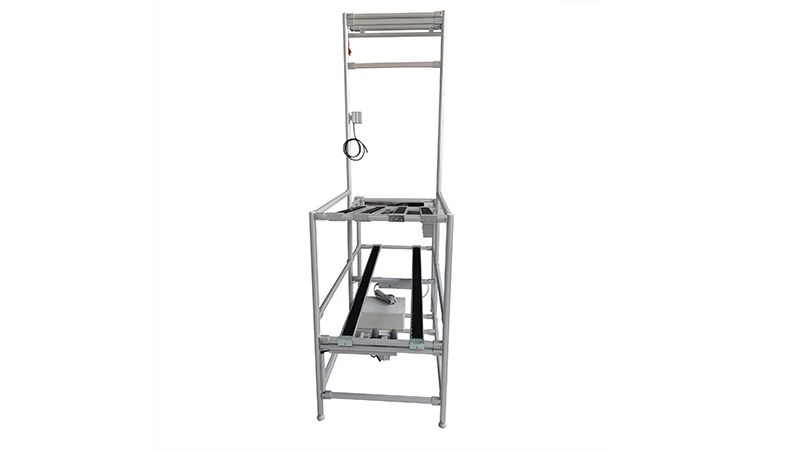
Aluminum Workbench C
aluminum-tube-workbench-is-more-flexible-and-durable,-compared-with-traditional-pe/abs-coated-steel-tube.-it-is-easy-to-assemble,-anti-corrosion,-rust-protection,-and-recycle-use-after-disassemble.
Imagine this: You're in the middle of a busy Monday morning at your manufacturing facility. The assembly line is humming, and your team is racing to meet a tight deadline. Suddenly, a loud creak echoes across the floor. You turn to see your workbench sagging under the weight of a 400-pound component, tools sliding off the edge, and your heart sinks. Downtime, damaged parts, and frustrated team members—this scenario is every operations manager's nightmare. But what if you could avoid it entirely? That's where understanding load capacity comes in, especially when it comes to a workhorse like the Aluminum Workbench C. In this guide, we'll dive deep into what makes this workbench tick, how much weight it can truly handle, and why it's become a staple in lean system setups across industries.
The Basics: What Is Aluminum Workbench C?
Before we get into load capacity, let's make sure we're all on the same page about what Aluminum Workbench C actually is. At its core, it's a modular workbench designed for heavy-duty tasks, built with high-grade aluminum extrusion profile—a material known for its impressive strength-to-weight ratio. Unlike flimsy particleboard tables or clunky steel benches, this workbench marries durability with flexibility, thanks to its T-slot aluminum profile construction. Think of it as the Swiss Army knife of workbenches: it can be customized with shelves, tool holders, and bins using aluminum profile accessories, all while maintaining the structural integrity needed for tough jobs.
What sets Aluminum Workbench C apart from generic workbenches? For starters, it's part of a larger lean system philosophy. Lean manufacturing (or lean system, as it's often called) is all about minimizing waste and maximizing efficiency, and your workbench is a critical piece of that puzzle. A wobbly, weak workbench creates waste—downtime from repairs, lost productivity from rearranging heavy items, even safety risks. Aluminum Workbench C is engineered to eliminate those pain points, starting with its load capacity.
Quick Tip: If you're new to aluminum extrusion profile, think of it as building blocks for adults. The T-slot design (those grooves running along the length of the profile) lets you attach accessories like brackets, shelves, and lights without drilling or welding. It's why these workbenches are so popular in dynamic environments—you can reconfigure them as your needs change, no special tools required.
Load Capacity 101: Static vs. Dynamic Weight
When we talk about load capacity, we're not just throwing out a single number. There are two key terms you need to understand: static load and dynamic load . Let's break them down in plain English.
Static load is the weight the workbench can support when the items on it are stationary. Think of a heavy machine part sitting on the bench for hours while your team works on it. This is the "base" capacity—the weight the bench can handle without any movement or stress beyond the weight itself.
Dynamic load , on the other hand, is the weight it can handle when items are being moved, placed, or adjusted. Dropping a 300-pound crate onto the bench? That's dynamic load. Sliding a heavy tool across the surface? Also dynamic. This is often lower than static load because movement adds extra stress—think of it like jumping on a scale versus standing still; the scale reads higher when you jump, right? The same principle applies here.
Aluminum Workbench C is tested rigorously for both, and the numbers might surprise you. But before we get to the specs, let's talk about why these numbers matter. If you're running a warehouse, you might need a bench that can handle 500 pounds of static weight for storing inventory. If you're in automotive repair, dynamic load is crucial—you're constantly lifting engines or transmissions onto the bench. Knowing both numbers ensures you're not just meeting today's needs, but tomorrow's too.

What Determines Aluminum Workbench C's Load Capacity?
Load capacity isn't magic—it's the result of smart engineering and high-quality materials. Let's unpack the key factors that make Aluminum Workbench C a heavyweight contender.
1. The Star Material: Aluminum Extrusion Profile
At the heart of this workbench is aluminum extrusion profile, and not just any aluminum. Most manufacturers use 6061-T6 aluminum, a heat-treated alloy known for its exceptional strength and corrosion resistance. Here's why that matters: 6061-T6 has a tensile strength of about 45,000 psi (pounds per square inch), which is stronger than many types of steel when you factor in weight. A steel workbench might handle more weight, but it's also twice as heavy, making it hard to move or reconfigure—remember that lean system we talked about? Flexibility matters.
The profile's design also plays a role. Aluminum Workbench C typically uses a square or rectangular extrusion (common sizes are 40x40mm or 40x80mm) with thick walls—often 2mm or more. Thicker walls mean more material to distribute weight, reducing the risk of bending or warping. The T-slot grooves, while great for customization, are engineered not to weaken the profile. In fact, they add rigidity by creating internal "ribs" that resist twisting.
2. Joints: The Unsung Heroes of Stability
You could have the strongest aluminum profile in the world, but if the joints holding it together are weak, the whole bench will fail. Aluminum Workbench C uses internal rotary aluminum joints, a type of connection that locks the profiles together without bolts protruding from the surface. These joints are inserted into the ends of the profiles and secured with set screws, creating a tight, flush connection that distributes weight evenly across the frame.
Unlike bolted or welded joints, which can loosen over time or create stress points, internal rotary joints flex slightly under load (in a good way!). This flexibility absorbs shocks—like when you set a heavy item down too quickly—without cracking or breaking. It's why these workbenches last for years, even in high-traffic environments.
3. The Workbench Top: More Than Just a Surface
The top of the bench is where the rubber meets the road (or the engine block meets the surface, in this case). Aluminum Workbench C often comes with an aluminum honeycomb panel top, which is a game-changer for load capacity. Honeycomb panels are made by bonding thin aluminum sheets to a honeycomb-shaped core—think of a beehive's structure. This design is incredibly strong for its weight: the honeycomb core distributes weight across the entire surface, so even if you place a heavy item in one corner, the load spreads out instead of.
Some models offer solid aluminum tops, which are even stronger (great for extreme loads), but they add weight. The honeycomb design strikes a balance—light enough to keep the bench movable (if you add casters later) but strong enough to handle 1,000+ pounds of static weight.
4. Base Support: Keeping It Grounded
A workbench is only as stable as its base. Aluminum Workbench C typically sits on aluminum foot bases—wide, flat plates that distribute the bench's weight (and whatever's on it) across the floor. If your floor is uneven (and let's be real, most industrial floors are), adjustable leveling feet let you tweak each corner to keep the bench perfectly level. Why does that matter? An uneven bench puts extra stress on one side, which can reduce load capacity over time. Leveling feet ensure weight is spread evenly, so the frame doesn't twist or bend.
Fun Fact: The feet on Aluminum Workbench C aren't just for leveling. Many come with anti-slip pads made of rubber or polyurethane, which grip the floor to prevent the bench from sliding when you're moving heavy items. Safety first, right?

Technical Specs: The Numbers Behind the Strength
Enough theory—let's get to the specs. Below is a breakdown of Aluminum Workbench C's load capacity and key features. Keep in mind that exact numbers can vary by manufacturer, but these are industry standards for high-quality models.
| Feature | Specification | Impact on Load Capacity |
|---|---|---|
| Frame Material | 6061-T6 Aluminum Extrusion Profile (40x40mm, 2mm wall thickness) | High tensile strength (45,000 psi) resists bending under heavy static loads. |
| Workbench Top | Aluminum Honeycomb Panel (18mm thick, 3mm aluminum skins) | Honeycomb core distributes weight evenly; supports up to 1,000 lbs static. |
| Joints | Internal Rotary Aluminum Joints (zinc-plated steel cores) | Shock-absorbing design prevents stress cracks; maintains 90% of frame strength at connections. |
| Static Load Capacity | 1,000 lbs (evenly distributed) | Safe for stationary items like machinery, tool chests, or stacked inventory. |
| Dynamic Load Capacity | 750 lbs (during placement/movement) | Suitable for repetitive tasks like loading/unloading heavy parts or equipment. |
| Base | Adjustable Aluminum Foot Bases with Anti-Slip Pads | Leveling feet ensure even weight distribution; anti-slip pads prevent shifting under dynamic loads. |
Let's put these numbers in perspective. A typical household workbench might handle 200-300 lbs static load. A basic steel workbench could hit 500-700 lbs. Aluminum Workbench C, with its 1,000 lbs static capacity, is in a league of its own—capable of supporting everything from small engines (300-600 lbs) to stacks of metal sheets (up to 800 lbs, depending on size) without breaking a sweat.

Real-World Applications: Where Aluminum Workbench C Shines
Numbers on a page are one thing, but seeing how this workbench performs in real life is where it gets exciting. Let's look at a few industries where load capacity isn't just a nice-to-have—it's a make-or-break requirement.
Automotive Repair Shops
Mechanics deal with heavy parts daily: transmissions (300-400 lbs), engine blocks (400-600 lbs), even entire axles. A weak workbench would buckle under that kind of weight, but Aluminum Workbench C thrives here. One shop owner in Texas told us they replaced their old steel bench with Aluminum Workbench C and immediately noticed a difference: "We used to have to lower parts onto the bench, afraid it would give out. Now, we can set a transmission down without hesitation. Plus, it's lighter, so we moved it closer to the lift—saved us 10 steps per job, easy."
Warehouse and Distribution Centers
In warehouses, workbenches are often used as packing stations or temporary storage for heavy inventory. Imagine stacking 20 boxes of hardware, each weighing 50 lbs—that's 1,000 lbs, exactly Aluminum Workbench C's static capacity. A warehouse manager in California shared: "During peak season, we're stacking pallets of products on these benches. They don't creak, they don't sag, and we've never had a single issue. And when we need to reconfigure the floor plan? Two people can move the bench—no forklift required."
Manufacturing and Assembly Lines
Manufacturing environments are all about lean system efficiency, and Aluminum Workbench C fits right in. Whether it's assembling large appliances or building industrial machinery, the workbench needs to support tools, parts, and the product itself. A manufacturer in Ohio uses them for assembling HVAC units: "Our assembly line moves fast, and we're constantly placing heavy components on the bench. The dynamic load capacity is a lifesaver—even when someone drops a metal duct section, the bench takes it. We haven't had a single failure in three years."
Maximizing Load Capacity: Maintenance Tips
Your Aluminum Workbench C is built to last, but a little maintenance goes a long way in keeping its load capacity intact. Here are some simple steps to ensure it stays strong for years:
- Check Joints Regularly: Over time, set screws in the internal rotary joints can loosen. Once a month, grab a hex key and tighten them gently—you don't need to crank them, just snug them up. Loose joints create weak points, so this is your first line of defense.
- Keep It Clean: Aluminum is corrosion-resistant, but dirt, grease, and chemicals can build up in the T-slots and joints. Wipe down the profile with a damp cloth and mild detergent every week. For tough grime, use a soft-bristle brush to clean the T-slots—avoid steel wool, which can scratch the surface.
- Level It Out: If you notice the bench wobbling or items sliding to one side, check the leveling feet. Adjust them so the bench is perfectly flat—this prevents uneven stress on the frame.
- Don't Overload (Obviously): We know, it's tempting to push the limits, but exceeding the dynamic or static load capacity can weaken the frame over time. If you're unsure if something is too heavy, check the specs or test it with a smaller load first.
- Use Accessories Wisely: Adding shelves or tool holders? Make sure they're attached to the frame, not just the top. The frame is designed to bear weight, so distributing heavy items across shelves (instead of piling them all on the top) reduces stress on the workbench top.
Aluminum Workbench C vs. the Competition
You might be wondering: Why not just go with a steel workbench? They're cheaper, right? Let's compare Aluminum Workbench C to steel and wooden workbenches across key categories to see why aluminum is worth the investment.
| Feature | Aluminum Workbench C | Steel Workbench | Wooden Workbench |
|---|---|---|---|
| Static Load Capacity | 1,000 lbs | 800-1,200 lbs (varies by thickness) | 300-500 lbs (prone to warping) |
| Weight (5ft bench) | 80-100 lbs | 200-300 lbs | 150-200 lbs (solid wood) |
| Corrosion Resistance | Excellent (no rust) | Poor (needs painting/coating) | Poor (swells with moisture) |
| Customization | High (T-slot accessories) | Low (welding/drilling required) | Low (permanent modifications) |
| Longevity | 10+ years (minimal maintenance) | 5-8 years (prone to rust) | 3-5 years (warping, rot) |
As you can see, aluminum holds its own on load capacity while offering huge advantages in weight, corrosion resistance, and customization—key for lean system environments where adaptability is critical. Steel might edge out aluminum in raw load capacity, but the trade-off in weight and flexibility often isn't worth it for most users. And wooden workbenches? They're fine for hobbyists, but not for heavy-duty industrial use.
Final Thoughts: Why Load Capacity Matters (More Than You Think)
At the end of the day, load capacity isn't just a number on a spec sheet. It's about reliability, safety, and peace of mind. When you invest in Aluminum Workbench C, you're not just buying a table—you're buying a tool that supports your team's productivity, reduces downtime, and grows with your business. Whether you're running a small repair shop or a large manufacturing plant, a workbench that can handle heavy loads is the foundation of a strong, efficient operation.
So, the next time you're shopping for a workbench, don't just ask, "How much does it cost?" Ask, "How much can it handle?" And if the answer is "Aluminum Workbench C with 1,000 lbs static load capacity," you'll know you're making a choice that will pay off for years to come.
After all, in a lean system, every component counts—including the one that holds everything together.