- Company Articles
- Products and Technology
- Product knowledge
- Aluminum Workbench C vs Antistatic Workbenches: Choosing for Electronics

Aluminum Workbench C vs Antistatic Workbenches: Choosing for Electronics
Related Product
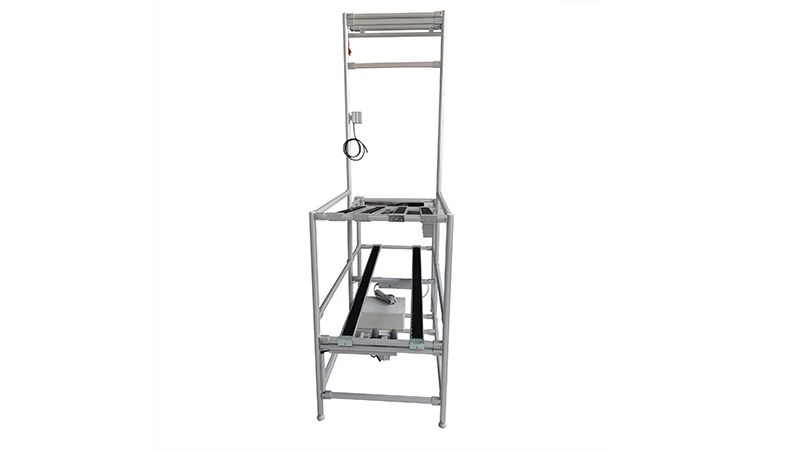
Aluminum Workbench C
aluminum-tube-workbench-is-more-flexible-and-durable,-compared-with-traditional-pe/abs-coated-steel-tube.-it-is-easy-to-assemble,-anti-corrosion,-rust-protection,-and-recycle-use-after-disassemble.
Walk into any electronics manufacturing floor, and you'll notice one thing immediately: the workbenches aren't just pieces of furniture. They're the silent workhorses that shape efficiency, protect sensitive components, and keep production lines moving. But with so many options—from sleek aluminum setups to specialized antistatic stations—choosing the right one can feel overwhelming. Today, we're zeroing in on two heavyweights: the Aluminum Workbench C and the classic antistatic workbench. Whether you're setting up a new lean system or upgrading an existing line, let's break down which one deserves a spot in your workflow.
First Things First: What Even Is Aluminum Workbench C?
If you've spent any time researching workbenches, you've probably come across terms like "aluminum profile" or "modular design." Aluminum Workbench C is a prime example of how modern manufacturing prioritizes flexibility and durability. Let's start with the basics: this workbench is built around aluminum profile—a lightweight yet sturdy material that's become a staple in lean system setups. Unlike clunky wooden benches or rigid steel frames, aluminum profile lets you customize the bench to fit your exact needs.
Picture this: Aluminum Workbench C typically features a single deck (no caster wheels, though you can add them later) made from a combination of aluminum extrusion profiles and accessories. The frame? Constructed from basic aluminum tubes connected by internal rotary aluminum joints, which means you can adjust the height, add shelves, or mount tools without drilling holes or welding. It's like building with high-tech Legos for adults.
But why aluminum? For starters, it's resistant to rust and corrosion—critical in factories where spills or humidity are common. It's also lightweight enough to reposition (with help) but strong enough to handle heavy loads, often supporting up to 300 kg or more depending on the setup. And let's not forget aesthetics: aluminum has a clean, professional look that fits right in with modern production environments, making it a favorite for facilities that value both function and appearance.
Then There's the Antistatic Workbench: More Than Just a "Static Shield"
Now, let's talk about the elephant in the room for electronics: static electricity. You've probably heard horror stories of a single static discharge frying a $500 microchip. That's where the antistatic workbench—often called an ESD workstation—steps in. ESD stands for Electrostatic Discharge, and these workbenches are engineered to prevent those tiny, invisible sparks from damaging sensitive components.
How do they work? It starts with the surface. Most antistatic workbenches use a static-dissipative top (think: a special laminate or conductive material) that redirects static charges safely to the ground. Some even come with built-in wrist strap connectors, ensuring operators themselves don't become walking static generators. Underneath, the frame might be made of steel or aluminum, but the real star is the ESD protection system—no corners cut here.
But ESD workstations aren't one-size-fits-all. Some are basic: a simple table with a static-dissipative top and grounding cord. Others are tricked out with overhead lighting, tool rails, and integrated power strips—all designed to keep sensitive electronics safe at every step of the assembly process. They're non-negotiable in industries like semiconductor manufacturing, medical device production, or any workflow where even a small static zap could mean disaster.

Side-by-Side: The Key Differences That Matter
To really understand which workbench is right for you, let's put them head-to-head. Below is a breakdown of their core features, benefits, and limitations:
| Feature | Aluminum Workbench C | Antistatic Workbench (ESD Workstation) |
|---|---|---|
| Primary Material | Aluminum profile, aluminum extrusion, aluminum pipe accessories | Steel or aluminum frame with static-dissipative top (laminate, conductive rubber) |
| ESD Protection | None (unless modified with ESD accessories) | Built-in: static-dissipative surface, grounding system, optional wrist strap ports |
| Flexibility & Customization | High: Modular design, easy to add shelves, hooks, or tools via aluminum profile accessories | Moderate: Some customization, but ESD components limit major structural changes |
| Load Capacity | Medium to high (typically 200-400 kg, depending on frame thickness) | Medium (150-300 kg; ESD tops may have lower weight limits than metal surfaces) |
| Cost | Mid-range: Aluminum profile is affordable, but custom accessories add up | Higher: Specialized ESD materials and grounding systems increase price |
| Ideal For | General assembly, non-ESD-sensitive tasks, lean system integration, high-traffic work areas | ESD-sensitive electronics (chips, circuit boards), cleanrooms, compliance-driven industries |

When to Choose Aluminum Workbench C: It's All About the Workflow
Aluminum Workbench C isn't just a table—it's a blank canvas for your lean system. Let's say you run a small electronics assembly line where most of your work involves putting together non-sensitive components, like plastic casings or basic wiring. You need something that can keep up with changes: one week you're assembling 100 units, the next you're switching to a new product with different tool needs. Aluminum Workbench C thrives here.
Take, for example, a company that builds consumer-grade routers. Their workflow involves assembling plastic shells, inserting circuit boards (non-ESD-sensitive models), and packaging. They don't need strict ESD protection, but they do need a workbench that can adapt. With Aluminum Workbench C, they can add aluminum guide rails to route cables, mount tool holders, or even attach a small material rack B (3 row and 3 floor) to keep parts within arm's reach. When production scales, they can swap out the single deck for a double-deck setup or add casters to make the bench mobile—no need to buy a whole new workstation.
Another scenario: lean system integration. If your facility lives and breathes continuous improvement, aluminum's modularity is a game-changer. You can reconfigure the bench in hours, not days, to test new workflows or accommodate new equipment. Plus, aluminum's lightweight nature means you can rearrange your entire production floor without hiring a crew—perfect for small teams or startups watching their budget.

When to Stick With Antistatic Workbenches: ESD Sensitive? No Compromise
Now, let's flip the script. Imagine you're manufacturing microchips for medical devices. A single static discharge could ruin a batch worth thousands of dollars—and potentially put patients at risk. In this case, an ESD workstation isn't a luxury; it's a necessity. Antistatic workbenches are designed to keep static charges at bay, ensuring every component stays safe from the moment it hits the table to the second it's packed up.
How do they pull this off? Let's dive into the details. Most ESD workbenches have a top layer made of static-dissipative material, which doesn't generate static itself and slowly releases any charges it picks up. Underneath, a grounding cable connects the table to the earth, channeling away any stray electricity. Some even come with built-in wrist strap holders—critical because operators are often the biggest static generators (ever shocked yourself touching a doorknob? That's the same energy that can fry a chip).
Real-World Example: A PCB Assembly Line
A mid-sized electronics company specializes in printed circuit boards (PCBs) for smartphones. Their production line includes a "clean zone" where PCBs are populated with tiny surface-mount components. Here's why they chose ESD workstations:
- Compliance: They need to meet IEC 61340 standards, which require ESD protection in electronics manufacturing.
- Sensitivity: Modern PCBs have components as small as 0.4mm—extremely vulnerable to static.
- Peace of mind: Even with strict operator training, human error happens. ESD workstations act as a safety net.
That said, antistatic workbenches aren't perfect. Their specialized tops can be more fragile than aluminum—spill a chemical solvent, and you might damage the static-dissipative layer. They're also less flexible: adding a shelf or tool holder often requires compatible ESD-safe accessories, which can be pricier than standard aluminum parts. But when the stakes are high, those trade-offs are worth it.
The Wildcard: Can You Have Both? (Spoiler: Maybe)
What if you need flexibility and ESD protection? Is there a middle ground? The short answer: yes, but it depends on your budget and needs. Some manufacturers offer aluminum workbenches with ESD upgrades—think Aluminum Workbench C with a static-dissipative top and grounding kit. These hybrid setups combine the modularity of aluminum profile with the safety of an ESD workstation.
But proceed with caution. Retrofitting an existing Aluminum Workbench C with ESD accessories isn't always seamless. You'll need to ensure the entire system is grounded properly—from the top surface to the frame to the floor. If you skip a step, you might end up with a bench that's "sort of" ESD-safe, which is worse than not having protection at all (false confidence is dangerous!). For most teams, it's cheaper and more reliable to buy a purpose-built ESD workstation if static protection is critical.
Final Decision Time: Ask Yourself These 5 Questions
Still on the fence? Let's simplify. Ask yourself these questions to narrow it down:
- Are my components ESD-sensitive? If yes (chips, PCBs, sensors), go with an ESD workstation. If no (plastic parts, non-electronic assemblies), Aluminum Workbench C is a solid bet.
- Do I need to reconfigure my workspace often? Aluminum Workbench C's modular design is better for frequent changes. ESD workstations are more fixed.
- What's my budget? Aluminum Workbench C is generally cheaper upfront. ESD workstations cost more but save money on damaged components.
- Am I bound by industry regulations? Medical, aerospace, or automotive electronics often require ESD compliance. If you're in one of these fields, ESD is non-negotiable.
- How heavy are my tools/parts? Aluminum Workbench C typically handles heavier loads, but check the specs—some ESD tops have weight limits.
Wrapping Up: Your Workbench, Your Rules
At the end of the day, there's no "better" workbench—only the right one for your workflow. Aluminum Workbench C shines in flexibility, durability, and lean system integration, making it ideal for general assembly and non-sensitive tasks. Antistatic workbenches, on the other hand, are the guardians of ESD-sensitive components, ensuring compliance and protecting your bottom line from costly mistakes.
If you're still unsure, start small. Test an Aluminum Workbench C in a non-critical area and an ESD workstation in your sensitive zone. See how they perform, talk to your team about what works, and iterate. After all, the best lean system is one that grows with you—and your workbench should too.