- Company Articles
- Products and Technology
- Product knowledge
- Aluminum Workbench Corrosion Resistance: Ideal for Manufacturing Environments

Aluminum Workbench Corrosion Resistance: Ideal for Manufacturing Environments
Related Product
Aluminum Workbench C
aluminum-tube-workbench-is-more-flexible-and-durable,-compared-with-traditional-pe/abs-coated-steel-tube.-it-is-easy-to-assemble,-anti-corrosion,-rust-protection,-and-recycle-use-after-disassemble.
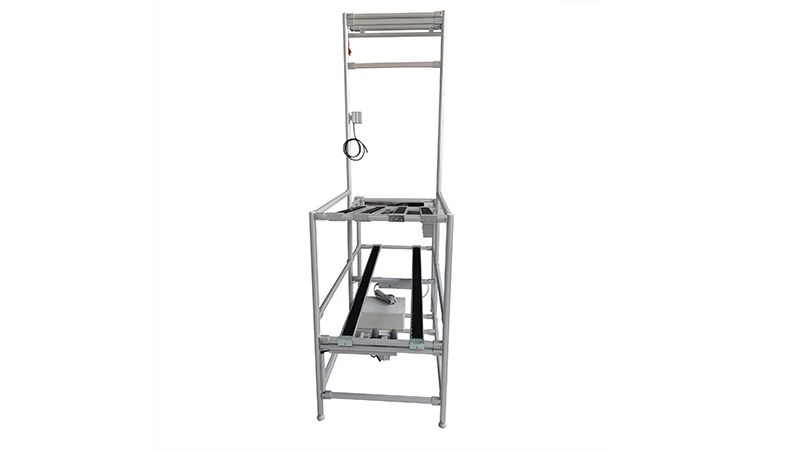
Why aluminum workbenches are becoming the first choice for modern manufacturing—durable, flexible, and built to withstand tough industrial conditions
The Hidden Challenge in Manufacturing: Why Workbench Durability Matters
Walk into any manufacturing facility—whether it's a 3C electronics assembly line, a medical device workshop, or an automotive parts plant—and you'll notice one common piece of equipment everywhere: workbenches. They're the unsung heroes of production, holding tools, components, and as workers assemble, test, and package products. But here's the thing: not all workbenches are created equal, especially when it comes to surviving the harsh realities of industrial environments.
Think about the conditions these workbenches face daily: humid air in coastal factories, oil and coolant splatters in automotive workshops, frequent cleaning with disinfectants in medical device plants, and even corrosive chemicals in some manufacturing processes. In these settings, a workbench that can't resist corrosion isn't just a minor inconvenience—it's a productivity killer. Rusty steel surfaces contaminate sensitive parts, wooden benches warp from moisture, and flimsy materials lead to frequent replacements, eating into your budget and disrupting workflows.
That's where aluminum workbenches step in. Lightweight yet strong, flexible yet sturdy, and—most importantly—naturally corrosion-resistant, they're designed to thrive where other materials fail. Let's dive into why aluminum has become the go-to choice for manufacturers who refuse to compromise on durability.
Aluminum Workbenches: The Science of Corrosion Resistance
Aluminum's ability to fight corrosion isn't magic—it's chemistry. When aluminum is exposed to air, it forms a thin, invisible layer of aluminum oxide (Al₂O₃) on its surface. This layer is incredibly stable and self-healing: if it gets scratched or damaged, it quickly reforms, continuing to protect the metal underneath. Unlike steel, which rusts and flakes away when exposed to moisture, aluminum's oxide layer acts like a permanent shield, even in damp or humid environments.
But not all aluminum is the same. The aluminum tubes and profiles used in high-quality workbenches—like the basic aluminum tube and aluminum profile from suppliers focused on industrial solutions—are often made from alloys like 6061 or 6063. These alloys blend aluminum with magnesium and silicon, boosting strength while retaining excellent corrosion resistance. For example, 6061 aluminum is known for its weldability and toughness, making it ideal for structural components like workbench frames, while 6063 offers superior surface finish, perfect for workbench tops that need to stay smooth and clean.
To put this in perspective, let's compare aluminum workbenches with common alternatives:
| Material | Corrosion Resistance | Maintenance Needs | Best For |
|---|---|---|---|
| Aluminum (Alloy) | Excellent (self-healing oxide layer) | Low (no painting/coating needed) | Humid, chemical-exposed, or environments (3C, medical, automotive) |
| Steel (Uncoated) | Poor (rusts easily in moisture) | High (regular painting/galvanizing required) | Dry, indoor spaces with minimal exposure to elements |
| Wood | Very Poor (swells with moisture, rots over time) | High (sealing, sanding, and replacement every 1-2 years) | Temporary workstations or low-moisture, non-industrial settings |
Another advantage? Aluminum workbenches often come with specialized finishes or coatings for extra protection. For example, some manufacturers anodize their aluminum profiles—an electrochemical process that thickens the oxide layer, making it even more resistant to scratches and chemicals. Anodized aluminum is also available in different colors, so you can match workbenches to your facility's aesthetic or color-code workstations by function.

Aluminum Workbenches in Action: Real-World Manufacturing Scenarios
Corrosion resistance sounds great on paper, but how does it hold up in actual manufacturing environments? Let's look at three key industries where aluminum workbenches shine—and why they've become essential tools for lean, efficient production.
1. 3C Electronics Assembly: Precision in a Humid, Static-Sensitive Space
The 3C (Computer, Communication, Consumer Electronics) industry moves fast. Factories assemble smartphones, laptops, and wearables in environments that demand two things: strict cleanliness and protection against electrostatic discharge (ESD). But many 3C plants are also located in humid regions—think Southeast Asia or coastal China—where moisture levels can climb above 80%. In these conditions, steel workbenches rust, and wooden ones absorb moisture, becoming breeding grounds for mold.
Aluminum ESD workbench solves both problems. The aluminum frame resists humidity, while the ESD-safe top (often made of anti-static laminate or conductive rubber) dissipates static charges, protecting delicate microchips and circuit boards. Take the Workbench E (single deck-without caster) as an example: its lightweight aluminum frame makes it easy to reposition on the assembly line, while the corrosion-resistant surface wipes clean effortlessly—critical when handling tiny components that can't risk contamination from rust or mold.
Plus, 3C production lines are always evolving. New models launch every few months, requiring workstations to adapt quickly. Aluminum workbenches, built with internal rotatary aluminum joint and modular ( lean pipe system ), let teams reconfigure layouts in hours, not days. Add a ( flow rack ) for parts storage, or attach a small conveyor ( conveyor ) for material transport—all without worrying about the added weight or moisture damaging the structure.
2. Medical Device Manufacturing: Sterility Meets Durability
Medical device factories have zero tolerance for contamination. Workbenches here are cleaned daily with strong disinfectants (like isopropyl alcohol or hydrogen peroxide) and must withstand repeated exposure to these chemicals. Steel workbenches can handle disinfectants, but only if they're regularly repainted—a hassle in a facility where downtime is costly. Aluminum? It laughs off harsh cleaners. The oxide layer is impervious to most industrial disinfectants, so the workbench stays bright, clean, and rust-free, even after years of daily scrubbing.
Take a manufacturer producing surgical instruments. Their workbenches need to support heavy tools, stay stable during precision assembly, and resist the disinfectants used to sanitize surfaces between shifts. An aluminum lean solution here might include a custom workstation with adjustable height, integrated tool holders, and a corrosion-resistant aluminum honeycomb panel top for extra strength. The result? A durable, easy-to-clean workspace that meets FDA and ISO standards for medical manufacturing.
3. Automotive and Heavy Manufacturing: Fighting Oil, Grease, and Coolants
Automotive workshops are tough on equipment. Workbenches here are splashed with engine oil, transmission fluid, and coolant daily. Over time, these liquids break down paint on steel workbenches, exposing the metal to rust. Wooden workbenches absorb these fluids, becoming sticky and odorous. Aluminum workbenches, though, repel oil and grease—just wipe them down with a rag, and they're clean. The non-porous surface doesn't absorb liquids, so there's no staining or odor buildup.
Consider a car parts supplier assembling brake components. Their workbench needs to hold heavy calipers and rotors, withstand occasional impacts from tools, and resist the hydraulic fluid used in brake systems. A lean pipe workbench with an aluminum frame and steel-reinforced top would handle the weight, while the aluminum joints and tubes stand up to the fluid exposure. Even better, if the production line changes to a new brake model, the modular design lets them add shelves or reposition the bench without replacing the entire unit—saving time and money.

Beyond Corrosion: Aluminum Workbenches and the Lean Manufacturing Mindset
Manufacturers don't just need workbenches that resist corrosion—they need solutions that align with lean principles: eliminate waste, improve efficiency, and enable continuous improvement. Aluminum workbenches, with their modular design and reusable components, fit this mindset perfectly.
Take the lean pipe system at the heart of many aluminum workbenches. Instead of welding or bolting frames together, these systems use multi-angle fixed aluminum joint and parallel aluminum joint to connect tubes and profiles. This means if your production needs change—say, you need a longer bench or extra shelving—you can disassemble and reconfigure the existing parts, rather than buying a new workstation. It's sustainable improvement in action: reducing waste, cutting costs, and keeping up with shifting demands.
And let's not forget accessories. From caster wheel that let you move workbenches with ease, to roller track that streamline material flow, aluminum workbench systems are built to integrate with the tools your team needs. For example, adding a material rack B (3 row and 3 floor) to a workstation keeps parts organized and within arm's reach, reducing time spent searching for tools. Every accessory is designed to be durable and corrosion-resistant, so the entire system works together seamlessly for years.

Why Choose a Trusted Aluminum Workbench Supplier?
Not all aluminum workbenches are created equal. To get the full benefits of corrosion resistance, durability, and lean flexibility, you need a supplier that understands manufacturing challenges. Look for partners who offer:
- Customization : Every factory is different. A good supplier will design workbenches tailored to your industry—whether you need an ESD workstation for electronics or a heavy-duty bench for automotive parts.
- Quality Materials : Check that they use high-grade aluminum alloys and corrosion-resistant finishes. Ask about their aluminum tubes and joints—are they tested for industrial use?
- Lean Expertise : The best suppliers don't just sell products—they offer lean solution that help you optimize workflows. They'll work with you to design workstations that reduce waste and boost productivity.
- After-Sales Support : From assembly guidance to replacement parts, a reliable supplier stands behind their products, ensuring your workbenches keep performing for years.
For example, suppliers focusing on wholesale and bulk solutions can often offer better pricing for large-scale deployments, whether you need 10 workbenches for a small line or 100 for a new factory. And with a global network, they can deliver consistent quality, whether your facility is in Europe, Asia, or the Americas.
Final Thoughts: Invest in Durability, Invest in Your Future
In manufacturing, every tool, every workstation, and every process matters. A workbench that rusts, warps, or breaks down isn't just a cost—it's a barrier to efficiency, quality, and growth. Aluminum workbenches, with their unbeatable corrosion resistance, modular flexibility, and alignment with lean principles, aren't just a purchase; they're an investment in your factory's future.
Whether you're assembling smartphones in a humid 3C plant, building life-saving medical devices, or churning out car parts in a busy automotive workshop, aluminum workbenches stand ready to meet the challenge. They'll keep your lines running, your products clean, and your team productive—today, tomorrow, and for years to come.
So why settle for workbenches that fight against your environment? Choose aluminum, and build a workspace that works with you.