- Company Articles
- Products and Technology
- Product knowledge
- Aluminum Workbench D: How It Enhances Ergonomics in Factory Workstations

Aluminum Workbench D: How It Enhances Ergonomics in Factory Workstations
Related Product
Aluminum Workbench D
Aluminum tube workbench is more flexible and durable, compared with traditional PE/ABS coated steel tube. It is easy to assemble, anti corrosion, rust protection, and recycle use after disassemble.
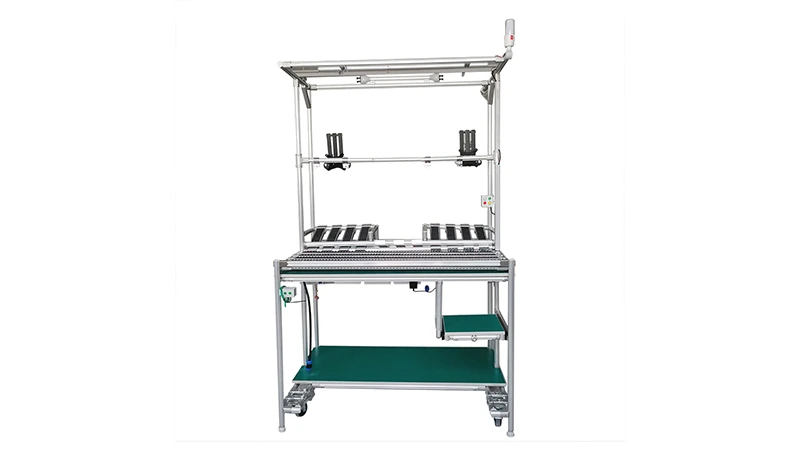
In the fast-paced world of manufacturing, where every second counts and precision is non-negotiable, the ergonomics of a workstation can make or break a team's productivity, health, and morale. For years, factory workers have grappled with rigid, one-size-fits-all workbenches that force awkward postures, limit movement, and contribute to chronic pain. Enter Aluminum Workbench D—a game-changer designed to prioritize the human element in industrial settings. Crafted with care and engineered for comfort, this workbench isn't just a piece of equipment; it's a tool that adapts to people, not the other way around. Let's dive into how Aluminum Workbench D transforms factory floors by putting ergonomics at the forefront.
The Hidden Cost of Poor Ergonomics in Factories
Before we explore the solutions, let's talk about the problem. Poor workstation ergonomics isn't just an inconvenience—it's a silent productivity killer and a major contributor to workplace injuries. The Bureau of Labor Statistics reports that over 30% of non-fatal workplace injuries in manufacturing stem from overexertion or repetitive motion, often linked to awkward working positions. Think about a assembly line worker hunched over a fixed-height bench for 8 hours, straining their neck to see small parts, or a technician twisting their torso to reach tools stored on a shelf that's just out of arm's reach. Over time, these micro-stresses add up: back pain, carpal tunnel syndrome, shoulder strain, and even chronic fatigue become commonplace.
The impact isn't just physical. Workers dealing with discomfort are more likely to lose focus, make mistakes, or take frequent breaks to stretch—all of which slow down production. For employers, this translates to higher absenteeism, increased workers' compensation claims, and a demotivated team. Traditional workbenches, often made of heavy steel or cheap particleboard, exacerbate these issues. They're hard to adjust, difficult to move, and rarely designed with the human body in mind. It's time for a better approach—and Aluminum Workbench D is leading the way.
Meet Aluminum Workbench D: Ergonomics by Design
Aluminum Workbench D isn't your average workstation. From its lightweight yet durable frame to its thoughtful, worker-centric features, every detail is engineered to enhance comfort, flexibility, and efficiency. At its core, this workbench is built around three key principles: adjustability, mobility, and adaptability. Let's break down how each of these principles translates to real-world benefits for factory teams.
Key Features at a Glance: Aluminum Workbench D combines high-grade aluminum profile for strength, adjustable leveling feet for personalized height, smooth-rolling caster wheels for easy movement, and a modular design that integrates seamlessly with lean systems—all to create a workstation that works with workers, not against them.

Adjustable Leveling Feet: Custom Height for Every Worker
One Size Does Not Fit All
Walk through any factory, and you'll find workers of all heights—from 5'2" to 6'4" and everything in between. Yet traditional workbenches often come in a single fixed height, forcing tall workers to stoop and shorter workers to stretch. This one-size-fits-all approach is a recipe for discomfort. Aluminum Workbench D solves this with its adjustable leveling feet—a simple but powerful feature that lets each worker set their bench to the perfect height for their body.
The adjustable leveling feet are more than just knobs under the bench. They're precision-engineered to raise or lower the workbench in small increments, allowing for heights ranging from 30 inches to 42 inches. For a worker who spends hours assembling small electronics, a lower height might reduce shoulder strain; for someone handling heavier components, a higher bench could ease back pressure. The result? A neutral working posture where elbows rest comfortably at 90 degrees, wrists stay straight, and the spine remains aligned—all proven to reduce the risk of musculoskeletal injuries.
But adjustability doesn't stop at height. The leveling feet also stabilize the workbench on uneven factory floors, preventing wobbling that could lead to errors or spills. Tighten a foot here, loosen one there, and the bench sits rock-solid, even on slightly sloped surfaces. It's a small detail that makes a big difference in day-to-day work.

Aluminum Profile: Lightweight Strength That Reduces Fatigue
Durability Without the Drag
What makes Aluminum Workbench D so easy to adjust and move? Its frame is crafted from high-quality aluminum profile—a material known for its impressive strength-to-weight ratio. Unlike bulky steel workbenches that require multiple people to reposition, aluminum profile keeps the bench lightweight (around 60-80 pounds, depending on configuration) while still supporting heavy loads up to 500 pounds. This means workers can adjust the bench themselves without straining, and the bench itself won't sag or warp under the weight of tools, parts, or equipment.
Aluminum profile also offers another ergonomic advantage: it's resistant to dents, scratches, and corrosion. Factory floors are tough environments—oils, chemicals, and daily wear and tear can take a toll on equipment. A workbench that stays smooth and sturdy over time means workers don't have to contend with sharp edges, wobbly surfaces, or rust that could stain parts. Plus, aluminum's natural coolness to the touch prevents the bench from getting too hot in warm factories, keeping hands comfortable during long shifts.
For teams that value cleanliness—like those in electronics or pharmaceutical manufacturing—aluminum profile is a game-changer. It's easy to wipe down with disinfectants, doesn't trap dust in cracks, and resists bacterial growth. A cleaner workspace isn't just more pleasant; it reduces the risk of contamination and keeps workers healthier overall.
Caster Wheels: Mobility That Reduces Strain
Move the Bench, Not the Worker
In many factories, workers spend a surprising amount of time walking—fetching tools from a distant shelf, moving parts to a different station, or shifting between work areas. All that movement adds up: the average factory worker walks 3-5 miles per day, according to industry studies. While some movement is healthy, unnecessary walking wastes time and increases fatigue. Aluminum Workbench D cuts down on this with its smooth-rolling caster wheels, turning the workbench into a mobile workstation that comes to the worker.
The caster wheels are no ordinary wheels. They're made of high-quality rubber that glides quietly over concrete, tile, or epoxy floors without leaving marks. Each wheel swivels 360 degrees, making it easy to maneuver around tight corners or obstacles like machinery or pallets. And when the workbench is in place, a simple brake on each wheel locks it securely, preventing unwanted movement during precision tasks. Imagine a technician assembling a large component: instead of carrying heavy parts across the factory, they can roll the workbench to the parts storage area, load up, and roll back—saving steps and energy.
Mobility also fosters collaboration. In team-based manufacturing, workers often need to huddle around a single project or share tools. With caster wheels, Aluminum Workbench D can be quickly repositioned to create a collaborative workspace, then moved back when the task is done. No more awkwardly leaning over a colleague's shoulder or carrying parts back and forth between stations—just seamless, efficient teamwork.
Aluminum Profile and Lean Systems: Adaptability for Modern Factories
Built for Flexibility, Designed for Efficiency
Today's factories thrive on lean systems—processes that eliminate waste, streamline workflows, and focus on continuous improvement. Aluminum Workbench D isn't just a standalone tool; it's a modular component that integrates effortlessly into these lean environments. Thanks to its aluminum profile construction, the workbench can be customized with a wide range of accessories: tool hooks, part bins, monitor mounts, overhead shelves, and even lighting attachments. This modularity means the workbench adapts to the task at hand, keeping essential tools and materials within arm's reach and reducing unnecessary movement.
For example, a lean assembly line might use Aluminum Workbench D with a built-in roller track to feed parts directly to the worker, eliminating the need to reach across the bench. A quality control station could add a magnifying lamp and a small shelf for inspection tools, creating a dedicated space for detailed checks. And because the aluminum profile uses T-slot connections, adding or removing accessories takes minutes—no drilling, welding, or special tools required. This flexibility ensures the workbench grows with the factory, adapting to new processes, products, or team needs without the cost of replacing the entire workstation.
Lean systems also emphasize visual management, and Aluminum Workbench D supports this with its clean, uncluttered design. The aluminum profile's sleek finish and neutral color palette make it easy to label tools, color-code zones, or attach visual guides (like standard operating procedures or safety reminders). A tidy, organized workspace isn't just nicer to look at—it reduces cognitive load, helping workers focus on the task instead of searching for tools.
Traditional vs. Aluminum Workbench D: A Side-by-Side Comparison
Still wondering how Aluminum Workbench D stacks up against old-school workbenches? Let's take a closer look at the differences that matter most to workers and employers.
| Feature | Traditional Steel Workbench | Aluminum Workbench D |
|---|---|---|
| Material | Heavy steel; prone to rust and dents | Lightweight aluminum profile; corrosion-resistant, scratch-proof |
| Adjustability | Fixed height; no customization | Adjustable leveling feet (30"-42" height range) |
| Mobility | Stationary; requires 2+ people to move | Caster wheels with brakes; moves easily by one person |
| Ergonomic Design | One-size-fits-all; often causes awkward postures | Tailored to worker height; supports neutral spine, elbow, and wrist positions |
| Lean System Integration | Limited; hard to add/remove accessories | Modular with T-slot aluminum profile; compatible with lean tools and accessories |
| Maintenance | Requires regular painting to prevent rust; hard to clean | Easy to wipe clean; no rust or paint touch-ups needed |
Real-World Impact: How Aluminum Workbench D Transforms Workdays
From Discomfort to Productivity: A Hypothetical Case Study
Let's put Aluminum Workbench D in a real factory setting to see how it makes a difference. Meet Maria, a 34-year-old assembly line worker at a electronics manufacturing plant. For years, Maria has struggled with lower back pain from leaning over her fixed-height steel workbench. She's 5'4", but her bench is set at 36 inches—too high for her, forcing her to hunch slightly to reach the conveyor belt. By the end of her shift, her lower back aches, and her shoulders feel tight. Some days, the pain is so bad she has to take ibuprofen to get through the afternoon.
Then the plant upgrades to Aluminum Workbench D. On her first day with the new bench, Maria adjusts the leveling feet to 32 inches—perfect for her height. Suddenly, her elbows rest comfortably at her sides, her back stays straight, and she no longer has to hunch. The caster wheels let her roll the bench closer to the conveyor, reducing the distance she has to stretch for parts. And because the aluminum profile is lightweight, she can easily reposition the bench when the assembly line changes tasks mid-shift.
After two weeks, Maria notices a difference. Her back pain is gone, and she has more energy at the end of the day. She's making fewer mistakes because she's not distracted by discomfort, and she's finishing tasks 10 minutes faster per hour. Her team lead, Juan, also notices a change: the line is moving more smoothly, and Maria's coworkers—who've also switched to Aluminum Workbench D—are reporting similar improvements. Absenteeism due to back pain drops by 25% in the first month, and the plant's productivity increases by 8%.
This isn't just a hypothetical scenario. It's the kind of transformation that happens when workstations are designed with workers in mind. Aluminum Workbench D doesn't just improve ergonomics—it transforms lives, one shift at a time.
Why Invest in Aluminum Workbench D? The Bottom-Line Benefits
For employers, the decision to upgrade workstations often comes down to cost. "Is this worth the investment?" they ask. When it comes to Aluminum Workbench D, the answer is a resounding yes—and not just because it's better for workers. Let's break down the ROI:
- Reduced Injuries and Absenteeism: By lowering the risk of musculoskeletal injuries, Aluminum Workbench D cuts down on workers' compensation claims and missed shifts. The average cost of a workplace back injury claim is $40,000, according to the National Safety Council—far more than the cost of upgrading to ergonomic workbenches.
- Higher Productivity: Comfortable workers are focused workers. With less time spent stretching, adjusting, or dealing with pain, teams get more done in less time. Studies show ergonomic workstations can boost productivity by 15-20%.
- Longevity and Durability: Aluminum profile resists corrosion, scratches, and wear, meaning the workbench lasts longer than traditional steel or particleboard models. Over time, this reduces replacement costs.
- Employee Retention: Workers notice when employers invest in their comfort. A 2023 survey by the Society for Human Resource Management found that 78% of employees are more likely to stay with a company that prioritizes their well-being. Reducing turnover saves on hiring and training costs.
Conclusion: Ergonomics Isn't a Luxury—It's a Necessity
In the competitive world of manufacturing, every advantage counts. Aluminum Workbench D offers more than just an advantage—it offers a new way of thinking about workstations: as tools that empower workers, reduce pain, and drive productivity. By combining adjustable leveling feet for personalized height, caster wheels for mobility, durable aluminum profile for strength, and modular design for lean system integration, this workbench isn't just a piece of equipment. It's a statement that your team's health and comfort matter.
So, if you're tired of seeing your workers struggle with outdated, uncomfortable workbenches—if you want to reduce injuries, boost productivity, and create a workplace where people feel valued—Aluminum Workbench D is the solution. It's time to stop adapting workers to workbenches, and start adapting workbenches to workers. Your team deserves it, and your bottom line will thank you.