- Company Articles
- Products and Technology
- Product knowledge
- Aluminum Workbench D vs Plastic Workbenches: Strength and Chemical Resistance Comparison

Aluminum Workbench D vs Plastic Workbenches: Strength and Chemical Resistance Comparison
Related Product
Aluminum Workbench D
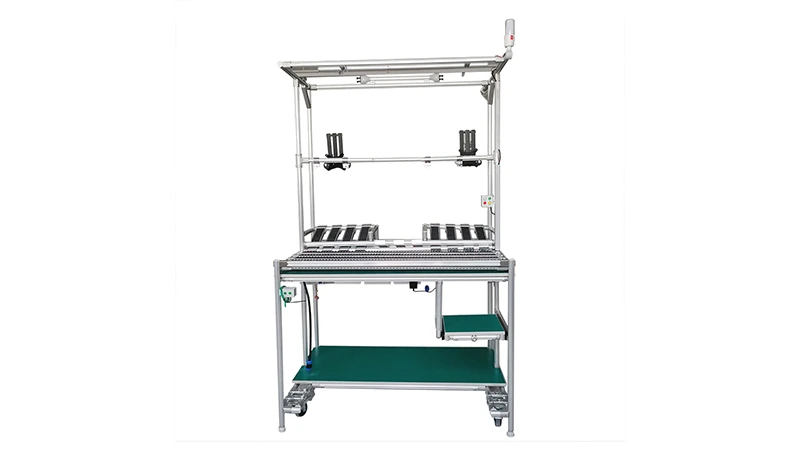
Aluminum tube workbench is more flexible and durable, compared with traditional PE/ABS coated steel tube. It is easy to assemble, anti corrosion, rust protection, and recycle use after disassemble.
Introduction: The Workbench Dilemma in Modern Workspaces
Every workshop, lab, or manufacturing floor has a silent workhorse: the workbench. It's where ideas take shape, tools find their home, and products are built—one component at a time. But not all workbenches are created equal. Walk into any industrial supply store, and you'll likely face a choice that could make or break your workflow: aluminum or plastic? Today, we're zooming in on two popular options: the
Aluminum Workbench D
(a staple in professional settings) and generic plastic workbenches. We'll dive deep into their strength and chemical resistance, helping you decide which one deserves a spot in your workspace. Because let's be honest—no one wants a workbench that bends under pressure or dissolves after a spilled solvent.
Meet the Contenders: What Are We Comparing?
Aluminum Workbench D: The Industrial Workhorse
First up is the Aluminum Workbench D . If workbenches had a resume, this one would list "heavy-duty reliability" as its top skill. Built with aluminum extrusion profile —a material known for its strength-to-weight ratio—this workbench is designed for spaces where durability isn't optional. Think manufacturing plants, auto repair shops, or warehouses where tools, parts, and even small machinery get tossed around daily. It typically features a sturdy frame, a flat work surface, and often comes with add-ons like shelves or plastic roller track guide rail accessories for easy material movement. And yes, it's the "single deck-without caster" model, meaning it stays put when you need stability (though you can always add casters later if mobility is key).
Plastic Workbenches: The Budget-Friendly Option
On the other side, we have plastic workbenches. These are the lightweight, affordable cousins of the aluminum crowd. Made from materials like polypropylene or HDPE, they're often found in home garages, hobby rooms, or light-duty offices. They're easy to clean, come in bright colors, and won't rust—sounding pretty good, right? But here's the catch: their "strength" and "chemical resistance" can vary wildly depending on the plastic type and thickness. Some are flimsy; others claim to be "industrial-grade." For this comparison, we'll focus on mid-range plastic workbenches marketed for "general use."

Strength Showdown: Can They Handle the Heat (and the Weight)?
Let's start with strength—the backbone of any workbench. What good is a surface if it sags when you place a 50-pound toolbox on it? We'll break this down into three key areas: load capacity, durability over time, and impact resistance.
Load Capacity: How Much Weight Can They Take?
When it comes to load capacity, the Aluminum Workbench D doesn't mess around. Thanks to its aluminum extrusion profile frame—engineered with internal reinforcement—this workbench can handle static loads of up to 500-800 pounds. That's enough for a small engine block, a stack of metal sheets, or multiple heavy power tools. Even dynamic loads (like dropping a wrench or sliding a heavy part across the surface) rarely phase it. The aluminum frame distributes weight evenly, preventing warping or bending.
Plastic workbenches, on the other hand, are more… let's say, "modest" in this department. A typical mid-range plastic workbench tops out at 200-300 pounds of static load. Go beyond that, and you'll start noticing sagging in the surface or even cracks in the frame. drop a heavy object? Chances are you'll end up with a permanent dent or a shattered corner. Why the difference? Plastic, even "tough" plastic, lacks the structural integrity of aluminum extrusion profile . It's prone to creep (slow deformation under constant stress) and can't withstand sudden impacts like aluminum can.
Durability: Will They Last a Month or a Decade?
Durability is where the Aluminum Workbench D really shines. Aluminum is naturally resistant to rust and corrosion, so even in humid or dusty environments, this workbench won't start flaking or weakening. The aluminum extrusion profile is also scratch-resistant—those inevitable tool scrapes? They'll barely leave a mark. We've heard from mechanics who've had their Aluminum Workbench D for 10+ years, and it still looks (and functions) like new. The secret? Aluminum's inherent stability; it doesn't degrade with UV exposure or temperature swings, so leaving it near a window or in a hot workshop won't warp it.
Plastic workbenches? Their lifespan is more of a gamble. Cheap plastic versions can start yellowing or becoming brittle after just a year of sun exposure. Even indoor models can crack if they're exposed to extreme temperatures (like a garage in summer or a cold basement). And let's talk about scratches: drag a screwdriver across a plastic surface, and you'll end up with a deep groove that traps dirt and bacteria. Over time, those grooves can weaken the structure, making the workbench feel wobbly or unstable.
Impact Resistance: When Accidents Happen
Let's be real—workspaces aren't always gentle. Hammers slip, parts get dropped, and sometimes you just need to lean on the workbench while you wrestle with a stubborn bolt. How do our contenders hold up? The Aluminum Workbench D laughs off most impacts. Aluminum is a ductile material, meaning it bends before it breaks. A dropped wrench might leave a small dent, but the frame won't crack or collapse. Plastic workbenches? Not so much. Hard impacts can shatter the surface or snap the legs, especially if the plastic is thin or low-quality. We've seen hobbyists replace plastic workbenches after a single mishap—hardly ideal for a tool that's supposed to be a long-term investment.

Chemical Resistance: When Spills Happen (and They Will)
Now, let's talk about the silent enemy: chemicals. From oil and grease to cleaning agents and even acids, workbenches face a daily onslaught of substances that can eat away at materials. How do aluminum and plastic stack up here?
Acids and Bases: The Corrosion Test
Aluminum is naturally corrosion-resistant, thanks to a thin oxide layer that forms on its surface. This layer acts like a shield, protecting the metal from most acids and bases. Spill a little vinegar (acetic acid) or baking soda solution on your Aluminum Workbench D , and you'll barely notice. Wipe it up, and the surface stays intact. Even stronger acids, like dilute hydrochloric acid, won't eat through the aluminum—though we still recommend cleaning spills promptly (no need to push your luck!).
Plastic workbenches? Their resistance depends on the type of plastic. Polypropylene can handle some acids, but others (like strong oxidizing acids) will melt or discolor it. Acetone, a common solvent in labs and workshops, is plastic's worst nightmare. A single spill can cause the surface to bubble, warp, or even dissolve. We once visited a hobbyist's garage where a plastic workbench had a permanent "crater" from a spilled paint thinner—definitely not the look you want in a workspace.
Oils, Grease, and Solvents: The Grime Factor
Grease and motor oil are par for the course in mechanical work. The Aluminum Workbench D handles these like a pro. Wipe away the grease with a degreaser, and the surface is clean—no staining, no degradation. Aluminum doesn't absorb liquids, so even if oil sits for a day, it won't seep into the material. Plastic workbenches? Some oils can cause plastic to swell or become sticky over time. We've seen plastic surfaces turn tacky after repeated oil exposure, making tools and parts stick to them. And forget about using strong solvents to clean—they'll only make the problem worse.
Cleaning Agents: Keeping It Sanitary
From disinfectants in labs to industrial cleaners in factories, workbenches need to stand up to daily cleaning. Aluminum is a champion here. Bleach, alcohol, or commercial cleaners won't harm the aluminum extrusion profile . In fact, hospitals and food processing plants often use aluminum surfaces because they're easy to sanitize without degradation. Plastic workbenches? Some cleaning agents (like ammonia or abrasive scrubs) can dull or discolor the surface. Over time, frequent cleaning can make the plastic look faded or patchy, which isn't just unsightly—it can harbor bacteria in the damaged areas.
The Verdict in Numbers: A Comparison Table
| Feature | Aluminum Workbench D (with Aluminum Extrusion Profile) | Mid-Range Plastic Workbench |
|---|---|---|
| Max Static Load Capacity | 500-800 lbs | 200-300 lbs |
| Durability (Expected Lifespan) | 10+ years (indoor/outdoor) | 1-3 years (indoor only, with light use) |
| Impact Resistance | High (bends, doesn't shatter) | Low (prone to cracks/shattering) |
| Resistance to Acids/Bases | High (oxide layer protects against most) | Low to Moderate (varies by plastic type; vulnerable to strong acids) |
| Resistance to Oils/Solvents | High (no absorption, easy to clean) | Low (may swell, discolor, or dissolve) |
| Resistance to Cleaning Agents | High (withstands bleach, alcohol, abrasives) | Low (may fade or become brittle) |
Real-World Applications: Where Each Shines (or Fails)
Manufacturing and Heavy Industry: Aluminum Workbench D Reigns Supreme
In manufacturing plants, where production assemble lines run 24/7, the Aluminum Workbench D is a no-brainer. Its strength means it can hold heavy components (think engine parts or metal sheets), and its chemical resistance stands up to oils, coolants, and degreasers. Plus, accessories like plastic roller track guide rail can be added to streamline material flow—something plastic workbenches can't handle without warping.
Hobby Rooms and Light Use: Plastic Might Suffice (But Proceed with Caution)
For hobbyists who do light work—like painting miniatures or assembling small electronics—a plastic workbench might be okay. It's affordable, lightweight, and easy to move. But if you ever plan to upgrade to heavier tools or work with solvents, you'll regret skimping. We've seen too many hobbyists outgrow their plastic workbenches in a year, leading to wasted money and frustration.
Labs and Clean Rooms: Aluminum for Safety
Labs are where chemical resistance matters most. A spilled acid or solvent on a plastic workbench could lead to contamination or structural failure. The Aluminum Workbench D is a staple here because it resists corrosion and is easy to sanitize—critical for maintaining a sterile environment. Plastic workbenches? They're rarely seen in professional labs for good reason: the risk of chemical degradation is too high.
The Cost Factor: Is Aluminum Worth the Investment?
Let's address the elephant in the room: cost. Plastic workbenches are cheaper upfront—you can find basic models for $50-$100. The
Aluminum Workbench D
costs more, usually $200-$500 depending on size and accessories. But here's the thing: aluminum is a long-term investment. A plastic workbench that needs replacing every 1-3 years will cost more over time than an aluminum one that lasts a decade. Plus, aluminum holds its value—you can resell it if you upgrade, whereas plastic workbenches end up in landfills. When you factor in durability and performance, aluminum is the smarter financial choice for serious users.
Conclusion: Aluminum Workbench D Takes the Crown
When it comes to strength and chemical resistance, the
Aluminum Workbench D
is the clear winner. Its
aluminum extrusion profile
frame delivers unmatched durability, while its natural resistance to corrosion and chemicals makes it ideal for tough work environments. Plastic workbenches might be tempting for their low cost, but they lack the strength to handle heavy loads and the resilience to stand up to daily spills.
So, who should choose aluminum? Anyone who values reliability, longevity, and performance—manufacturers, mechanics, lab technicians, and serious hobbyists. If you're only doing light, dry work and plan to replace your workbench every few years, plastic could work. But for most of us, the Aluminum Workbench D is the only choice that makes sense. After all, your workspace deserves a workbench that works as hard as you do.