- Company Articles
- Products and Technology
- Product knowledge
- Anatomy of Aluminum Pipe Clamps: Key Components You Need to Know

Anatomy of Aluminum Pipe Clamps: Key Components You Need to Know
Related Product
Aluminum Pipe Clamp
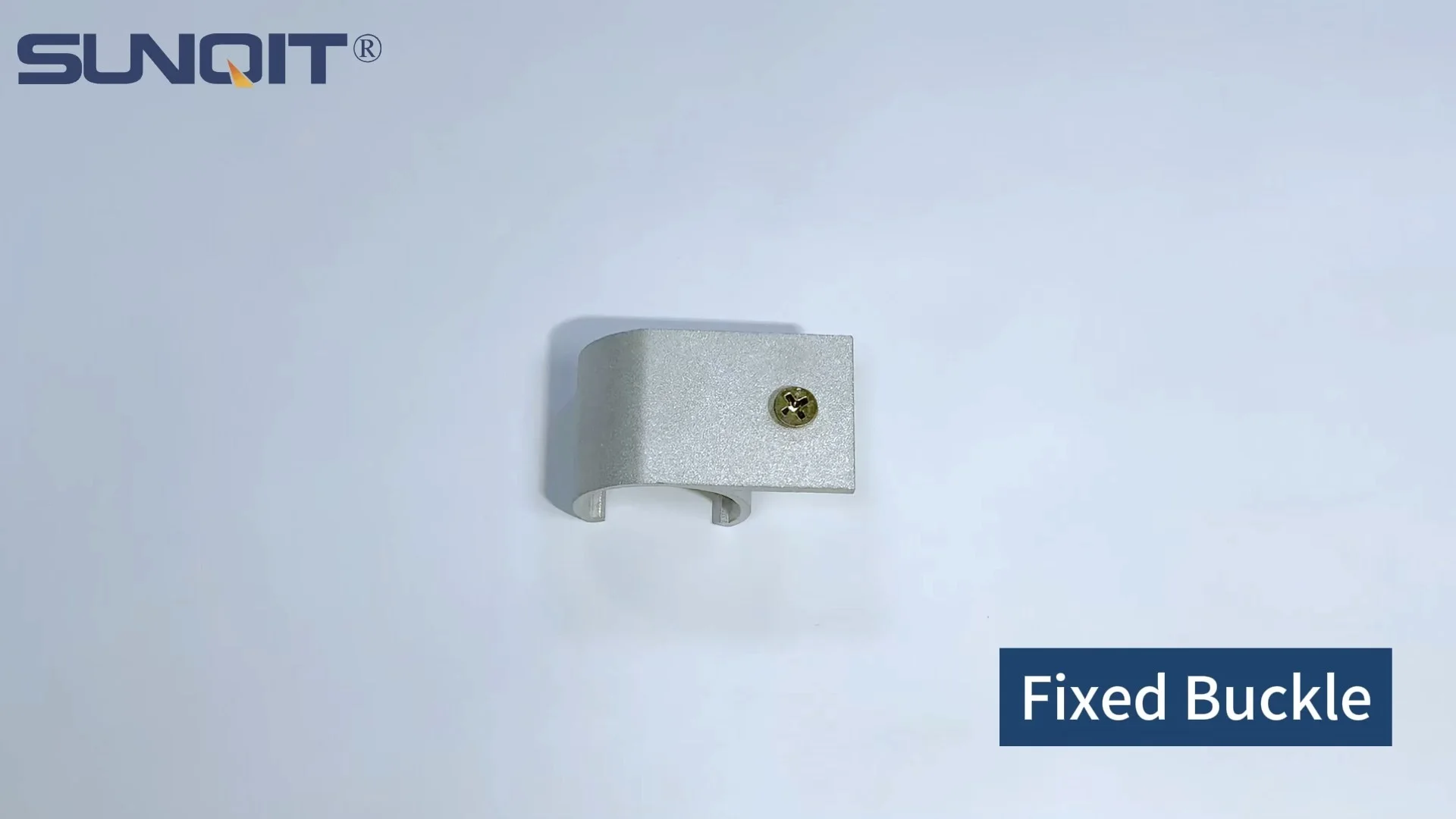
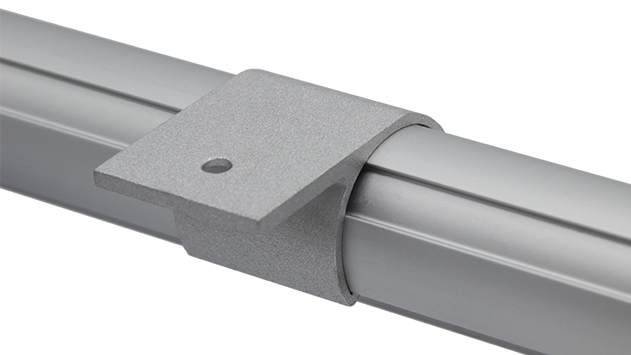
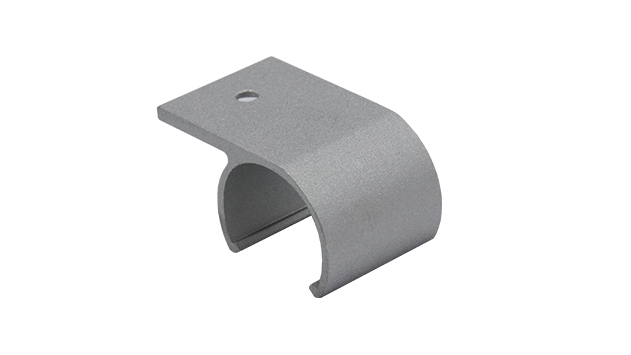
Aluminum pipe side clamp used for 28mm aluminum pipe connect with table top, or other accessories.
Picture this: a bustling manufacturing floor where assembly lines hum, workers move with purpose, and every tool, part, and surface has a role to play. Amidst the chaos, there's an unsung hero quietly holding it all together—the aluminum pipe clamp. These unassuming devices might not draw attention, but they're the backbone of modular workspaces, from sleek workbenches to efficient material racks. Whether you're setting up a lean production system, building a custom storage solution, or fine-tuning a conveyor line, understanding the anatomy of aluminum pipe clamps isn't just about knowing parts—it's about unlocking flexibility, durability, and efficiency in how you work. Let's peel back the layers and explore what makes these clamps indispensable, and why they're more than just "metal fasteners."
What Are Aluminum Pipe Clamps, Anyway?
At their core, aluminum pipe clamps are designed to secure, connect, or stabilize aluminum pipes, tubes, or profiles in modular systems. Unlike rigid, permanent fixtures, they're built for adaptability—think of them as the "Swiss Army knife" of workshop hardware. Made primarily from aluminum (hence the name), they balance strength and lightness, resisting corrosion and standing up to daily wear. What sets them apart is their ability to turn basic components—like aluminum lean pipes and aluminum profiles—into fully functional structures, whether that's a mobile workbench, a multi-tiered material rack, or a smooth-flowing roller track.
But why aluminum? Steel clamps might be stronger, but they're heavier and prone to rust in humid environments. Plastic clamps are lightweight but lack the tensile strength for heavy loads. Aluminum hits the sweet spot: it's 30% lighter than steel, naturally corrosion-resistant (thanks to its oxide layer), and malleable enough to be shaped into precise, user-friendly designs. For anyone building modular systems—where reconfiguration is key—aluminum pipe clamps offer the perfect mix of sturdiness and flexibility.
Breaking Down the Key Components
To truly grasp how aluminum pipe clamps work, let's dissect their anatomy. Each part plays a critical role in ensuring a secure, adjustable connection. Here's what you'll find under the hood:
1. The Clamp Body: The Backbone of Strength
The clamp body is the main structure—the "frame" that holds everything else together. Typically made from extruded aluminum alloy (like 6061 or 6063, known for their strength-to-weight ratio), it's engineered to withstand tension, compression, and lateral forces. Its shape varies by design: some are C-shaped, wrapping around pipes from one side; others are U-shaped, offering more contact area; and a few are even L-shaped for corner connections. The body often features cutouts, slots, or holes to reduce weight without sacrificing integrity, making it easier to handle and mount.
What to look for: A well-designed body will have smooth edges (to avoid snags or cuts) and uniform thickness (no weak spots). For heavy-duty applications—like securing conveyor tracks or loaded material racks—opt for a clamp body with reinforced ribs or gussets, which distribute stress more evenly.
2. The Jaw: Where the Grip Happens
If the clamp body is the backbone, the jaw is the "hands" that actually hold the pipe or profile. Located at the business end of the clamp, the jaw is the part that makes contact with the surface, and its design directly impacts grip strength and stability. Most jaws are serrated or textured to bite into the aluminum pipe, preventing slippage even under vibration (think of a conveyor running or a mobile trolley being moved). Some are lined with rubber or plastic inserts—ideal for delicate surfaces or finished pipes, as they protect against scratches and add friction.
Jaws come in different sizes to match pipe diameters (common sizes include 16mm, 28mm, or 40mm, depending on the system). A mismatched jaw—too loose or too tight—can compromise the entire structure. For example, a jaw that's too narrow might crack a thin-walled aluminum pipe, while one that's too wide won't grip, leading to wobbling or even collapse. The best jaws are precision-machined to fit standard pipe sizes, with enough adjustability to accommodate minor variations.
3. The Locking Mechanism: Tightening the Connection
What good is a strong jaw if it can't stay tight? The locking mechanism is the "brain" of the clamp, controlling how much force is applied to the jaw and how easily you can adjust it. There are three main types, each suited to different needs:
| Locking Mechanism Type | How It Works | Best For | Pros | Cons |
|---|---|---|---|---|
| Screw-Type (Threaded) | A bolt or screw tightens the jaw via threads, allowing precise tension control. | Permanent or rarely adjusted setups (e.g., fixed workbench frames). | High precision, maximum grip strength, no slippage over time. | Slow to adjust; requires a tool (wrench or screwdriver). |
| Lever-Action (Quick-Release) | A spring-loaded lever snaps the jaw closed, with a cam mechanism for tension. | Frequent reconfigurations (e.g., daily changes to a production line). | Tool-free, lightning-fast adjustments, ideal for dynamic workspaces. | Less tension than screw-type; may loosen under heavy vibration. |
| Toggle Clamp | A handle flips to lock the jaw, using mechanical advantage for high force. | Heavy loads or applications needing instant, secure locking (e.g., holding pipes during welding). | High clamping force, easy one-handed operation, stays locked until released. | Bulky design; not ideal for tight spaces. |
For most modular systems—like lean manufacturing setups where workflows evolve—lever-action clamps are a fan favorite. Imagine a team reconfiguring a material rack to accommodate a new product size: with quick-release clamps, they can adjust levels in minutes, no tools needed. For a fixed workbench that stays put for years, a screw-type clamp ensures rock-solid stability, even under heavy machinery.
4. Mounting Features: Connecting to the Bigger Picture
A clamp is only useful if it can attach to your existing setup. That's where mounting features come in—these are the "feet" or "arms" that let the clamp connect to aluminum profiles, workbench frames, or other components. The most common design is compatibility with T-slot aluminum profiles (like the popular 2020, 3030, or 4040 series), where the clamp slides into the profile's slot and locks in place with a bolt or pin.
Other mounting features include pre-drilled holes for screws, slots for adjustable positioning, or even swivel bases that allow the clamp to rotate (useful for angled pipes). For example, a clamp with a 360-degree swivel mount can secure a pipe at any angle on a workbench, while one with slotted holes can shift left or right to align with uneven profiles. The key here is versatility: the best clamps play well with others, integrating seamlessly with aluminum pipe accessories like joint connectors, caster wheels, or roller track guides.
Types of Aluminum Pipe Clamps: More Than One Size Fits All
Not all clamps are created equal. Just as a carpenter wouldn't use a hammer to paint a wall, you wouldn't use a light-duty clamp for a heavy conveyor system. Let's break down the most common types, and when to reach for each:
Fixed Clamps: The Reliable Workhorses
Fixed clamps are designed for permanent or long-term installations. They have a rigid, non-adjustable jaw (after initial setup) and use screw-type locking mechanisms for maximum stability. Think of them as the "anchors" of a system—securing vertical pipes to a workbench frame, or attaching a material rack to the floor. They're not flashy, but they're built to last, often with reinforced bodies and corrosion-resistant coatings for industrial environments.
Swivel Clamps: For Angled Connections
Need to connect pipes at 45°, 90°, or even 135° angles? Swivel clamps have a rotating jaw or body that pivots to match the angle of the pipes. They're essential for building corner joints in material racks, or for creating sloped roller tracks that guide parts downward. Many swivel clamps work hand-in-hand with lean pipe joints, which are specialized for angled pipe connections—together, they turn straight pipes into complex, functional shapes without welding or drilling.
Parallel Clamps: Keeping Things Aligned
Parallel clamps are all about alignment. Their jaws stay parallel to each other as they tighten, ensuring even pressure across the pipe's surface. This is critical for delicate or thin-walled aluminum pipes, which can warp if squeezed unevenly. They're a favorite for workbench setups, where keeping shelves or tool panels perfectly level is a must. Imagine building a workbench with a 40mm aluminum profile frame—parallel clamps ensure the shelves don't tilt, even when loaded with heavy tools.
Heavy-Duty vs. Light-Duty: Matching the Load
Clamps are rated by load capacity, and ignoring this is a recipe for disaster. Light-duty clamps (up to 50kg) are ideal for small projects—holding tools on a wall mount, or securing lightweight aluminum guide rails. Heavy-duty clamps (50kg+) are built for the big jobs: supporting loaded conveyor tracks, anchoring mobile trolleys, or holding multi-tiered material racks stacked with parts. Always check the load rating—overloading a clamp can bend the body, strip the threads, or snap the jaw, putting workers and equipment at risk.
Working with Aluminum Profiles and Lean Pipes
Aluminum pipe clamps rarely work alone. They're part of a larger ecosystem, and their magic lies in how they pair with other components—especially aluminum profiles and lean pipes. Let's take a closer look at this partnership.
Aluminum profiles (or extrusion profiles) are the "building blocks" of modular systems. These are long, hollow bars with T-shaped slots running along their length, designed to accept bolts, brackets, and yes—clamps. For example, a 4040 aluminum profile (40mm x 40mm) is a standard choice for workbench frames. An aluminum pipe clamp slides into the T-slot, tightens onto a horizontal aluminum lean pipe, and suddenly you've got a shelf bracket. Add another clamp, and you've got a second shelf. No drilling, no welding—just quick, tool-free assembly.
Lean pipes (also called "lean tubes") are another key partner. These are lightweight, usually 28mm or 30mm in diameter, and often coated in plastic for grip and ESD (electrostatic discharge) protection. Lean pipe joints connect pipes at angles, but clamps secure those joints to profiles or workbench surfaces. For example, a material rack built with lean pipes might use 90° lean pipe joints to form the frame, then aluminum pipe clamps to attach the frame to a base plate or caster wheels. The result? A mobile, adjustable rack that can be reconfigured in minutes as inventory needs change.
The beauty of this system is its modularity. A single clamp can turn a basic aluminum profile into a workbench, a cart, or a storage rack. If your needs shift—say, you need to add a third shelf to your material rack—just loosen the clamps, adjust the pipes, and retighten. It's this flexibility that makes aluminum pipe clamps a cornerstone of lean manufacturing, where waste reduction and adaptability are priorities.

Aluminum Pipe Accessories: Enhancing Clamp Performance
Even the best clamp can be improved with the right accessories. These add-ons solve specific problems, from protecting surfaces to boosting grip strength. Here are the most useful ones to keep in your toolkit:
Rubber Inserts: Grip Without Scratches
Ever tightened a clamp only to find it left dents in your aluminum pipe? Rubber or silicone inserts line the jaw, cushioning the contact and preventing damage. They're a must for finished pipes or delicate surfaces, like painted aluminum profiles. Plus, they add friction, reducing slippage—critical for sloped roller tracks or mobile setups.
Extension Brackets: Reaching New Heights
Need to clamp a pipe that's offset from the profile? Extension brackets attach to the clamp body, extending the jaw outward. These are handy for building overhangs—like a workbench shelf that juts out beyond the frame—or for reaching around obstacles in tight spaces.
Locking Pins: Extra Security
For high-vibration environments (think: near a running conveyor), locking pins add a second layer of security. These insert through holes in the clamp body and jaw, preventing accidental loosening. They're a small addition, but they can save big headaches—like a shelf collapsing because a lever-action clamp vibrated open.
ESD-Coated Clamps: Protecting Sensitive Parts
In electronics manufacturing, static electricity can fry delicate components. ESD-coated aluminum pipe clamps are treated with a conductive material that dissipates static, keeping workbenches and material racks safe for circuit boards, semiconductors, or medical devices. They're a niche accessory, but non-negotiable in ESD-sensitive industries.
Real-World Applications: Where Clamps Shine
Enough theory—let's talk about how aluminum pipe clamps work in the real world. Here are a few scenarios where they're not just helpful, but essential:
Workbenches: The Heart of the Workshop
A workbench is more than a table—it's a command center. Aluminum pipe clamps turn basic aluminum profiles into customized workstations. Need a tool rail? Clamp a horizontal lean pipe to the back of the bench. Need a parts bin holder? Clamp a vertical pipe with hooks. Even accessories like monitor mounts or LED lights can be attached with clamps. The best part? If you switch tasks—say, from assembly to packaging—you can reposition the clamps, swap out the accessories, and your workbench adapts.
Conveyor and Roller Tracks: Keeping Things Flowing
Conveyor systems rely on smooth, stable roller tracks to move parts from A to B. Aluminum pipe clamps secure the roller tracks to the conveyor frame, ensuring they stay aligned even under the weight of moving products. For example, a 40 steel roller track (yellow wheel) might be clamped to a 4040 aluminum profile frame, with adjustable clamps allowing technicians to tweak the track's height or angle for optimal flow. If a roller gets damaged, clamps make replacement easy—no need to disassemble the entire track.
Material Racks: Organizing Inventory Smartly
Material racks are the unsung heroes of inventory management, and aluminum pipe clamps make them adjustable. A typical rack might use 38 aluminum roller track (yellow with wheel flange) for sliding bins, clamped to vertical aluminum profiles. As inventory levels change, workers can loosen the clamps, reposition the tracks, and add or remove shelves. Heavy-duty clamps ensure the rack stays stable even when loaded with heavy parts, while light-duty clamps on upper shelves keep things lightweight and easy to adjust.
Mobile Trolleys: Flexibility on Wheels
Mobile trolleys are lifesavers for moving tools, parts, or finished products across the shop floor. Aluminum pipe clamps secure the trolley frame to caster wheels, ensuring a tight, wobble-free connection. They also attach shelves, tool holders, or bins to the frame, making the trolley as unique as the task at hand. For example, a maintenance trolley might use clamps to hold a parts organizer, a drill holder, and a waste bin—all on a single, maneuverable platform.
Choosing the Right Clamp: A Quick Guide
With so many types and features, how do you pick the right aluminum pipe clamp for your project? Start with these questions:
1. What's the Load?
Check the clamp's load rating. A light-duty clamp (50kg) is fine for a tool holder, but a conveyor track supporting 200kg needs a heavy-duty model. Always err on the side of overcapacity—better to have a clamp that's stronger than needed than one that's stretched to its limit.
2. How Often Will You Adjust It?
If you're building a fixed workbench, a screw-type clamp is reliable. If you're reconfiguring weekly, go for quick-release or lever-action. For daily changes, toggle clamps offer the fastest adjustments.
3. What's the Environment?
Humid or corrosive environments (like food processing or marine workshops) need clamps with extra corrosion resistance—look for anodized aluminum or stainless steel components. ESD-sensitive areas (electronics) require ESD-coated clamps.
4. What Pipes/Profiles Are You Using?
Match the jaw size to your pipe diameter (e.g., 28mm for lean pipes, 40mm for 4040 profiles). Check compatibility with T-slot profiles—some clamps are designed for specific slot sizes (e.g., 6mm vs. 8mm slots).
5. Do You Need Extras?
Rubber inserts for delicate surfaces? Swivel for angles? ESD coating? List your "nice-to-haves" and prioritize clamps that check those boxes without overcomplicating things.
Wrapping Up: The Clamp's Role in Building Better Workspaces
Aluminum pipe clamps might not be the most glamorous tools in the workshop, but they're the glue that holds modular systems together. From workbenches to material racks, conveyors to trolleys, they turn basic components into functional, adaptable solutions that grow with your needs. Understanding their anatomy—from the jaw to the locking mechanism—helps you choose the right clamp for the job, ensuring safety, efficiency, and longevity.
So the next time you walk into a workshop, take a closer look at that workbench or conveyor line. Chances are, there's an aluminum pipe clamp hard at work, quietly making sure everything stays secure, aligned, and ready for whatever comes next. And now, you'll know exactly what makes it tick.