- Company Articles
- Products and Technology
- Installation And Maintenance
- Anatomy of Castor Installation Base: Key Components for Material Rack B Stability

Anatomy of Castor Installation Base: Key Components for Material Rack B Stability
Related Product
Castor Installation Base
Pipe fitting castor installation base,Well made, precise and strong. Made of high quality of steel,black painting surface treatment for greater resistance to corrosion. It is used for castor or foot lever connection with lean pipe.
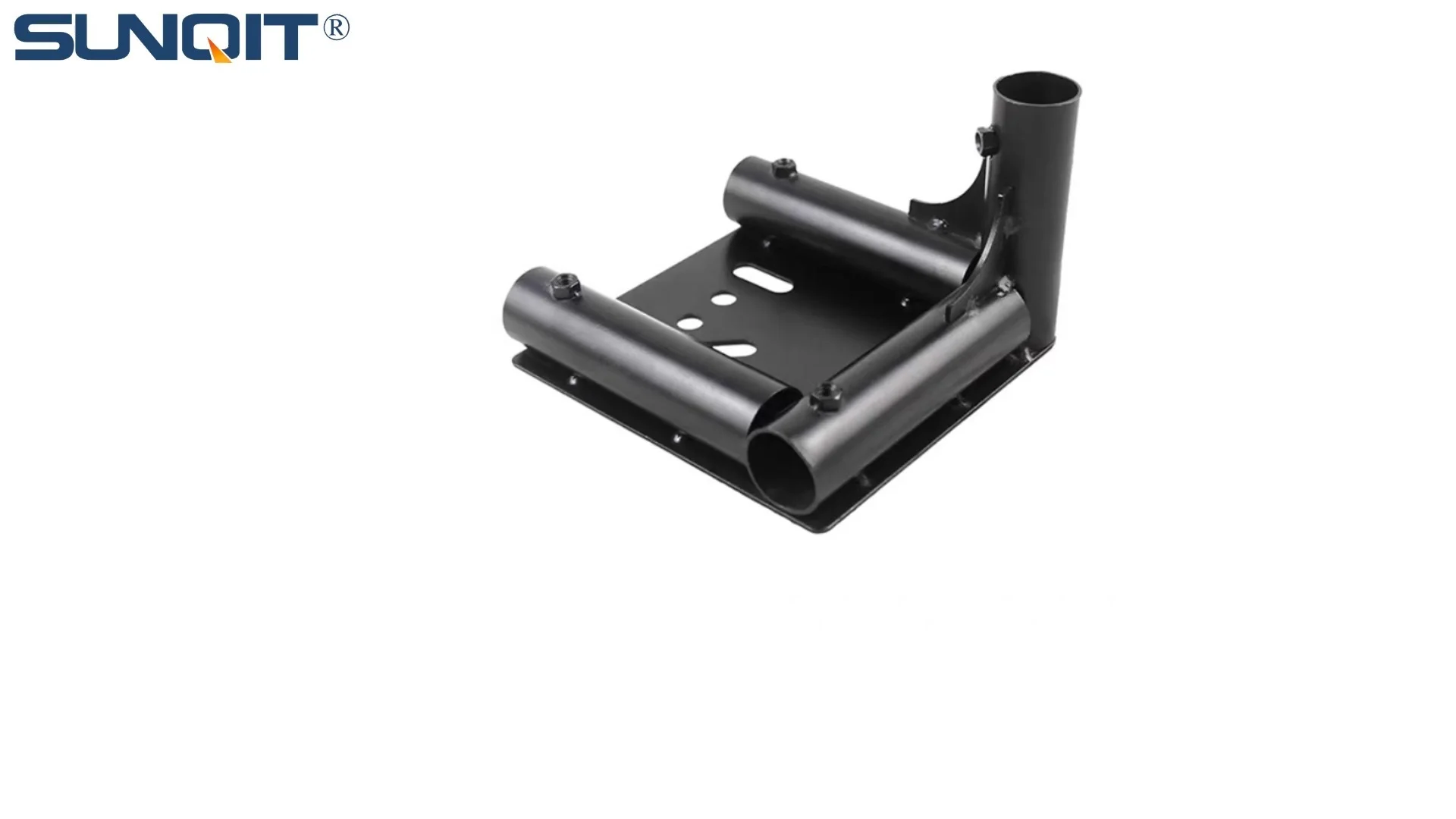
In the bustling world of manufacturing and warehouse operations, where efficiency and safety walk hand in hand, there's an unsung hero quietly holding everything together: the stability of material handling equipment. Among the most critical pieces of this puzzle is the humble yet indispensable
Material Rack B (3 row and 3 floor)
—a workhorse designed to organize, store, and transport goods with precision. But what keeps this multi-tiered storage solution steady, even when loaded with heavy materials or navigating busy floors? The answer lies in a component so foundational, it's easy to overlook: the
caster installation base
. Today, we're diving deep into the anatomy of this essential part, exploring how it interacts with
caster wheels
and
adjustable leveling feet
to ensure Material Rack B remains a pillar of reliability in your workflow.
The Backbone of Mobility: What is a Castor Installation Base?
Let's start with the basics. A caster installation base is the structural interface that connects a
caster wheel
to the bottom of equipment like Material Rack B. Think of it as the bridge between the rack's frame and the floor—translating the rack's weight into stable, mobile support. Without a well-designed base, even the sturdiest caster wheel would wobble, shift, or fail under pressure, turning a useful storage unit into a safety hazard.
At first glance, it might seem like a simple metal plate, but the engineering behind a quality caster installation base is surprisingly nuanced. It must balance three key priorities: load-bearing strength (to support the rack and its contents), compatibility (to fit seamlessly with the rack's frame and chosen caster wheels), and adaptability (to adjust for uneven floors or changing operational needs). For Material Rack B, which typically holds multiple rows and floors of materials, this balance is non-negotiable.
Material Rack B: A Closer Look at the "3 Row and 3 Floor" Workhorse
Before we dissect the caster installation base, let's get to know the star of the show:
Material Rack B (3 row and 3 floor)
. This rack is a staple in warehouses and production facilities for good reason. With three horizontal rows and three vertical floors, it maximizes vertical storage space while keeping items organized and accessible. Whether you're storing small parts, tools, or bulk materials, its tiered design reduces clutter and minimizes the time spent searching for inventory.
But here's the catch: with great storage capacity comes great responsibility. A fully loaded Material Rack B can weigh hundreds—even thousands—of pounds. When you add mobility (via caster wheels) to the mix, stability becomes a make-or-break factor. Imagine pushing a loaded Material Rack B down a warehouse aisle; if the base connecting the caster wheels to the rack is weak or misaligned, the whole unit could tip, slide, or jam, risking damage to goods and injury to workers. That's where the caster installation base steps in, turning potential chaos into controlled movement.

Inside the Castor Installation Base: Core Components and Their Roles
To truly understand how the caster installation base ensures stability, let's break it down into its fundamental parts. Each component plays a specific role in distributing weight, absorbing shocks, and maintaining alignment—all critical for Material Rack B's performance.
1. Base Plate: The Foundation of Strength
The base plate is the largest and most visible part of the caster installation base. Typically made from heavy-gauge steel or aluminum (depending on load requirements), it acts as a mounting surface for both the caster wheel and the rack's frame. Its thickness and shape are engineered to resist bending under stress; a flimsy base plate would warp when loaded, causing the caster wheel to tilt and the rack to become unstable.
For Material Rack B, which often holds unevenly distributed loads (e.g., heavier items on lower floors), the base plate must also distribute weight evenly across the caster wheel's swivel mechanism. This prevents premature wear on the wheel bearings and ensures smooth, consistent movement—even when the rack is fully loaded.
2. Mounting Holes: Precision Alignment Matters
Look closely at a caster installation base, and you'll notice a pattern of holes drilled into the base plate. These aren't random; they're precision-engineered to align with both the rack's frame and the caster wheel's mounting bracket. Misaligned holes can lead to "soft spots" in the connection, where bolts loosen over time or the base twists under pressure. For Material Rack B, which is frequently moved, this misalignment could escalate quickly—starting with a small wobble and ending with a catastrophic shift.
High-quality bases often include slotted holes or adjustable brackets to accommodate minor variations in rack frame dimensions, ensuring a snug, secure fit. This attention to detail is why reputable suppliers stress the importance of matching the caster installation base to the specific model of Material Rack B; a one-size-fits-all approach rarely works when stability is on the line.
3. Reinforcement Ribs: Adding Toughness Without Extra Weight
To boost strength without increasing thickness (and thus weight), many caster installation bases feature raised reinforcement ribs along the base plate's surface. These ribs act like the beams in a bridge, distributing stress across the entire plate and preventing bending at weak points. For example, when a loaded Material Rack B hits a small bump in the floor, the ribs absorb the shock, ensuring the caster wheel remains perpendicular to the ground and the rack stays upright.
The placement of these ribs is no accident. Engineers study load distribution patterns to determine where stress concentrates most—often near the mounting holes or along the edges—and reinforce those areas accordingly. For a 3-row, 3-floor rack like Material Rack B, which has a wider footprint, ribs along the length of the base plate are especially critical to prevent lateral (side-to-side) movement.
4. Compatibility with Adjustable Leveling Feet: The Unsung Pairing
While
caster wheels
enable mobility, there are times when Material Rack B needs to stay put—permanently or temporarily. That's where
adjustable leveling feet
come into play, and the caster installation base is designed to work with them seamlessly. Many bases include threaded holes or slots that allow leveling feet to be installed alongside or in place of caster wheels, providing a stable, non-slip foundation when mobility isn't needed.
This dual functionality is a game-changer for facilities with mixed needs. For example, during peak production, Material Rack B might be moved to the assembly line using caster wheels; during slower periods, the wheels can be swapped for adjustable leveling feet, anchoring the rack to the floor to prevent accidental movement. The base ensures the transition is smooth, with no compromise in stability either way.

Why Material Rack B Relies on Its Castor Installation Base: Real-World Impact
To appreciate the caster installation base's importance, let's walk through a typical day in a warehouse using Material Rack B. Picture this: It's 9 a.m., and the morning rush is in full swing. A worker loads the bottom floor of Material Rack B with heavy metal components, the middle floor with plastic parts, and the top floor with lightweight packaging materials. The total load? Around 800 pounds. Their task: move the rack from the storage area to the assembly line, 50 yards away.
As they push the rack, the caster wheels glide over the concrete floor, navigating a slight slope near the loading dock. Without a robust caster installation base, here's what could go wrong: The uneven weight distribution might cause the base plate to bend, tilting the caster wheels and making the rack veer off course. A loose mounting hole could let the wheel swivel unpredictably, leading to a collision with a nearby pallet. Or, if the base lacks reinforcement ribs, the sudden jolt of hitting a floor crack could snap the connection between the wheel and the rack, sending materials crashing to the ground.
But with a well-designed base? The weight is evenly distributed across the base plate, the mounting holes keep the wheels aligned, and the ribs absorb the impact of the slope and cracks. The worker steers the rack smoothly, parks it at the assembly line, and locks the caster wheels (another feature supported by the base). The rack stays steady as parts are unloaded, and later, when it's time to return it to storage, the base ensures the same reliable performance. This isn't just efficiency—it's safety, consistency, and peace of mind.

Choosing the Right Castor Installation Base for Material Rack B: Key Considerations
Not all caster installation bases are created equal. To ensure Material Rack B performs at its best, you'll need to select a base tailored to your specific needs. Here are the factors that matter most:
| Consideration | Why It Matters for Material Rack B | Example Scenario |
|---|---|---|
| Load Capacity | Must support the rack's maximum intended load (including all three floors). | A base rated for 500 lbs will fail if Material Rack B carries 800 lbs of parts. |
| Material | Steel for heavy loads; aluminum for lighter, corrosion-prone environments. | Warehouses with high humidity should avoid uncoated steel bases to prevent rust. |
| Caster Wheel Compatibility | Base must fit the wheel's stem size, mounting type, and swivel mechanism. | A base with 1/2-inch mounting holes won't work with a caster wheel requiring 3/4-inch bolts. |
| Floor Conditions | Rough or uneven floors demand bases with shock-absorbing features. | A warehouse with cracked concrete needs a base with reinforced ribs to prevent jolts. |
| Adjustability | Ability to swap caster wheels with adjustable leveling feet adds versatility. | A rack used both for mobile storage and stationary workbenches needs a dual-compatible base. |
By prioritizing these factors, you're not just buying a caster installation base—you're investing in the long-term reliability of your Material Rack B. Remember: A base that costs 10% more upfront might save you thousands in damaged goods, worker injuries, or downtime down the line.
Troubleshooting Common Issues: When the Castor Installation Base Needs Attention
Even the best caster installation bases need occasional care. Over time, wear and tear can compromise their performance, putting Material Rack B's stability at risk. Here are the most common red flags to watch for, and how to address them:
1. Wobbly Movement or Uneven Rolling
If Material Rack B starts to wobble or roll unevenly, the first suspect is often the caster wheel—but don't overlook the base. Loose mounting bolts (a result of vibration from daily use) can create play between the base and the wheel, causing instability. Tightening these bolts with a torque wrench (to the manufacturer's specifications) usually fixes the issue. If the wobble persists, check the base plate for bending; a warped plate will need to be replaced.
2. Caster Wheel Swiveling Uncontrollably
When a caster wheel swivels without input, it's often due to a misaligned mounting hole in the base. If the hole is stripped or enlarged (from repeated bolt removal), the wheel's swivel mechanism can't lock into place. In this case, replacing the base (or using a larger bolt with a thread repair kit) restores control. For Material Rack B, which relies on precise movement, this fix is critical to avoid collisions.
3. Rust or Corrosion on the Base Plate
In damp environments, steel bases can rust, weakening the metal and creating rough edges that damage caster wheels. Regular cleaning with a wire brush and application of rust-resistant paint can slow this process. For severe corrosion, though, replacement is safer—rusted reinforcement ribs lose their ability to distribute stress, making the base prone to failure under load.
4. Difficulty Swapping Caster Wheels for Adjustable Leveling Feet
If you struggle to install adjustable leveling feet into the base, the threads in the base's holes might be stripped or clogged with debris. Cleaning the holes with a tap (a tool for cutting threads) or using a thread adapter can resolve this. Always ensure the leveling feet are fully seated and tightened to prevent the rack from rocking once in place.
Maintaining Your Castor Installation Base: Pro Tips for Longevity
Like any piece of equipment, the caster installation base performs best with regular maintenance. Here's a simple checklist to keep Material Rack B stable for years:
- Daily Inspection: Before each use, check for loose bolts, bent base plates, or signs of rust. A 30-second visual scan can catch issues before they escalate.
- Weekly Tightening: Use a torque wrench to tighten mounting bolts to the manufacturer's recommended settings. Vibration from movement loosens bolts over time, so consistency is key.
- Monthly Cleaning: Wipe down the base plate with a damp cloth to remove dirt and debris, paying special attention to mounting holes and reinforcement ribs. For steel bases, apply a light coat of oil to prevent rust.
- Quarterly Load Testing: Periodically load Material Rack B to its maximum capacity and roll it across typical floor conditions. If you notice instability, inspect the base for wear or damage.
- Annual Replacement Check: Even well-maintained bases wear out. If your base is over 5 years old or shows signs of bending, cracking, or severe corrosion, replace it. The cost of a new base is far less than the cost of a workplace accident.
Conclusion: The Castor Installation Base—Small Part, Big Responsibility
As we've explored, the caster installation base is more than just a metal plate under Material Rack B—it's the backbone of stability, the enabler of mobility, and a silent guardian of efficiency in busy workplaces. By connecting
caster wheels
to the rack's frame, distributing weight evenly, and adapting to changing needs with
adjustable leveling feet
, it ensures that every move of Material Rack B is safe, smooth, and predictable.
So the next time you see a Material Rack B gliding through a warehouse, take a moment to appreciate the caster installation base. It may not grab headlines, but in the world of material handling, it's the unsung hero that keeps operations running—and workers safe—day in and day out. After all, in a industry where every second and every pound matters, stability isn't just a feature—it's everything.