- Company Articles
- Products and Technology
- Product knowledge
- Anodized Aluminum Pipe with Board Holder: Enhanced Durability

Anodized Aluminum Pipe with Board Holder: Enhanced Durability
Related Product
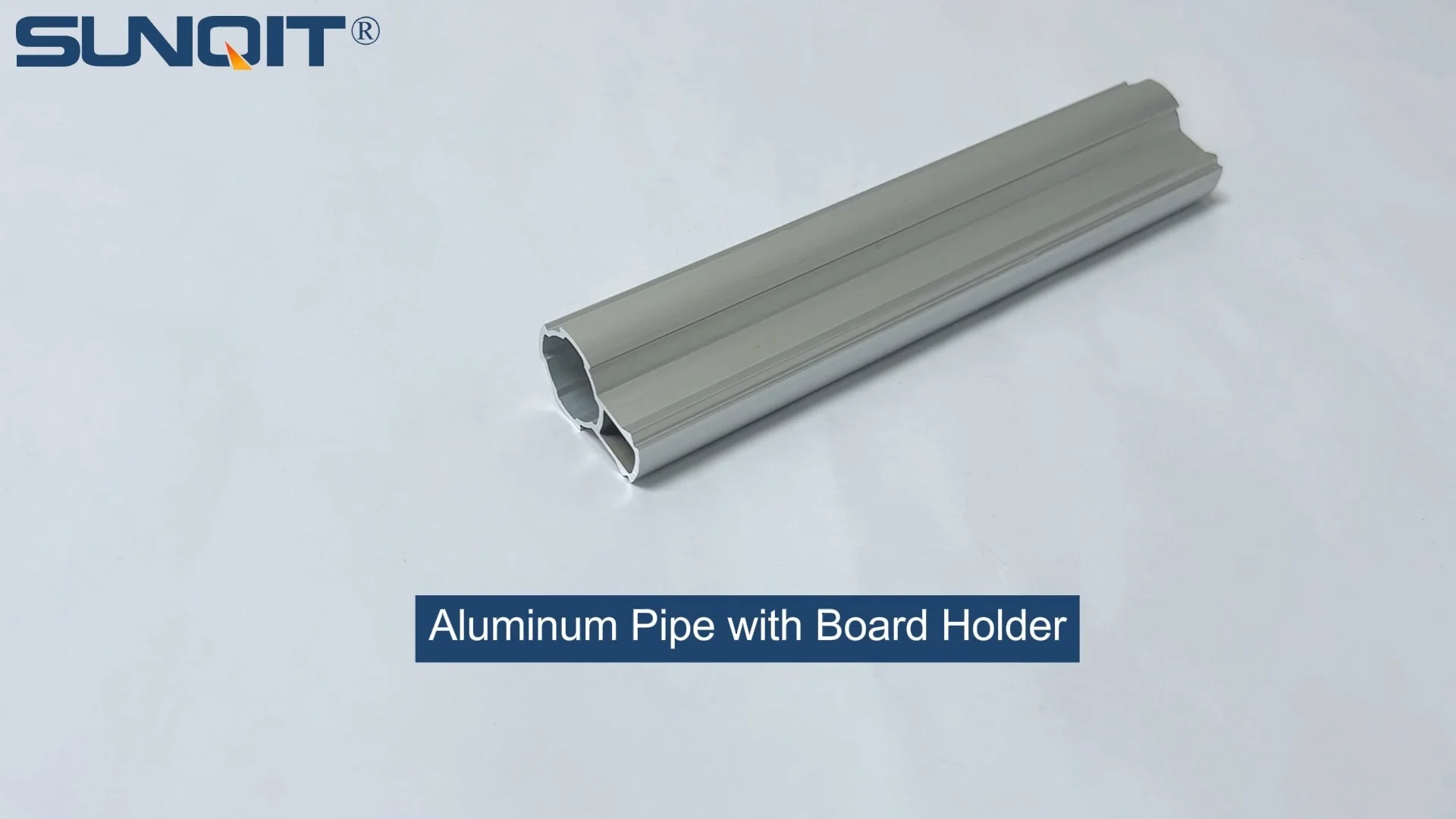
Aluminum Pipe with Board Holder
The linear rolling assembly can be arbitrarily connected in the protruding part of the card slot to increase the rigidity of the track.
On a crisp Monday morning at PrecisionTech, a mid-sized electronics manufacturer, Jamie, the operations manager, stands in front of the assembly line with a frown. The workbench at Station 5 is acting up again. Its metal frame, once shiny and new, is now spotted with rust. The wooden top, which holds circuit boards and tiny components, has a noticeable dip in the center from months of heavy use. worst of all, the shelves that should glide smoothly along the roller track are sticking, causing the line to pause every few minutes. "We just replaced this bench last year," Jamie mutters, scrolling through the maintenance log. "This can't keep happening."
If you've ever managed a production floor, a warehouse, or even a small workshop, you know the feeling. Equipment that's supposed to make work easier ends up being a headache—breaking down, corroding, or wearing out long before its time. The cost adds up: replacement parts, downtime, frustrated employees, and missed deadlines. But what if there was a solution that didn't just patch the problem, but built durability into the foundation? Enter the anodized aluminum pipe with board holder—a-sounding component that's quietly revolutionizing how teams build workbenches, material racks, and lean systems that last.
What Is Anodized Aluminum Pipe, Anyway?
Let's start with the basics. Aluminum is already a popular material in manufacturing and construction for good reason: it's lightweight, strong, and naturally resistant to rust. But plain aluminum has limits. Scratches, chemical spills, and heavy impacts can take a toll over time. That's where anodization comes in. Anodization is an electrochemical process that transforms the surface of aluminum into a hard, protective oxide layer. Unlike a paint or powder coating, which sits on top of the metal, this oxide layer is integral to the aluminum—think of it as growing a suit of armor from the inside out.
Here's how it works: the aluminum pipe is submerged in an electrolyte solution (usually sulfuric acid), and an electric current is passed through it. This causes oxygen ions to bond with the aluminum atoms on the surface, forming aluminum oxide (Al₂O₃). The result? A layer that's 30% harder than the original aluminum, with microscopic pores that can be sealed to further boost resistance. Depending on the application, the anodized layer can range from 5 microns (for decorative purposes) to 25 microns (for heavy-duty industrial use). For components like workbench frames and material racks, manufacturers typically opt for a 10–15 micron layer—thick enough to withstand daily wear without adding unnecessary weight.
Now, pair that anodized aluminum pipe with a board holder, and you've got a dynamic duo. The board holder is exactly what it sounds like: an accessory designed to securely attach a work surface (wood, plastic, or aluminum) to the pipe frame. But it's more than just a clamp. High-quality board holders—often made from the same anodized aluminum or reinforced plastic—feature adjustable grips, T-slot compatibility, and corrosion-resistant hardware. They're the bridge that turns a simple pipe into a functional workbench, shelf, or table.
Durability That Stands Up to the Daily Grind
Let's get real: durability isn't just about "lasting a long time." It's about withstanding the chaos of a working environment. Spills (oil, cleaning chemicals, even coffee), scratches from tools and parts, constant vibration from machinery, and the weight of heavy loads—these are the everyday challenges that test equipment. Anodized aluminum pipe with board holder isn't just built to survive; it's built to thrive.
Corrosion Resistance: No More Rust Stains
Rust is the silent killer of metal equipment. In humid factories or warehouses near the coast, even "stainless" steel can start to show orange spots after a year. Anodized aluminum, though? It laughs in the face of moisture. The oxide layer is non-porous (once sealed), so water and salt can't seep in to corrode the metal underneath. Take Maria's experience at Coastal Components, a marine parts supplier in Florida. "We used to replace our steel workbenches every 18 months because the salt air would eat through them," she says. "Three years ago, we switched to anodized aluminum lean pipe frames with plastic board holders. Today, those benches still look new—no rust, no pitting, just a few minor scratches that don't affect performance."
Scratch and Impact Resistance: Tough Enough for Tools
Walk through any workshop, and you'll see tools scattered on surfaces: screwdrivers, wrenches, soldering irons, even hammers. Accidental drops happen. With a wooden or plastic workbench top, a misplaced hammer can leave a dent or crack. With anodized aluminum, it's a different story. The hard oxide layer resists scratches and dents, so even if a tool slips, the pipe frame and board holder stay intact. "Last month, one of our new hires dropped a 5-pound torque wrench on the edge of our aluminum workbench," recalls Raj, a supervisor at AutoParts Inc. "I cringed, but when we picked it up? Not a single mark. The anodized layer just shrugged it off. With our old steel bench, that would've been a permanent ding."
Load Capacity: Strong, Without the Bulk
Durability isn't just about resisting damage—it's about supporting weight, day in and day out. Anodized aluminum pipe might be lightweight, but it's surprisingly strong. A 20mm diameter anodized aluminum lean pipe can comfortably support 50–75 pounds per linear foot, depending on the wall thickness. Pair that with a sturdy board holder (like the aluminum profile accessories designed for heavy loads), and you've got a workbench that can handle everything from stacks of cardboard boxes to metal tool chests. At MedTech Labs, where they assemble medical devices, the team uses anodized aluminum pipe frames with 1-inch thick aluminum honeycomb panels (held in place by board holders) to support microscopes and precision instruments. "Those microscopes weigh over 100 pounds," says Lisa, the lab manager. "The bench doesn't budge. No sagging, no wobbling—just solid support, even after two years of use."

Anodized Aluminum vs. the Competition: A Clear Winner
You might be thinking, "Why not just use steel? Or plastic? They're cheaper, right?" It's true—initial costs can be lower for some materials, but durability is about the long game. Let's break down how anodized aluminum pipe with board holder stacks up against common alternatives.
| Material | Corrosion Resistance | Scratch Resistance | Weight (lbs/ft) | Typical Lifespan (Industrial Use) | Cost (Relative) |
|---|---|---|---|---|---|
| Anodized Aluminum Pipe | Excellent (500+ hours salt spray resistance) | High (30% harder than plain aluminum) | 0.8–1.2 | 7–10 years | Moderate |
| Stainless Steel Pipe | Very Good (but prone to pitting in chloride environments) | Very High | 2.5–3.0 | 10–15 years | High |
| Plastic-Coated Steel Pipe | Good (but coating can chip, exposing steel) | Low (coating scratches easily) | 2.0–2.3 | 3–5 years | Low |
| Untreated Aluminum Pipe | Fair (natural oxide layer, but thin) | Low (soft surface) | 0.7–1.0 | 2–4 years | Low |
The table tells the story: anodized aluminum hits the sweet spot. It's lighter than steel (making it easier to move and install), more durable than plastic-coated steel or untreated aluminum, and costs significantly less than stainless steel. For most teams, that's a no-brainer. "We did the math," says Jamie, back at PrecisionTech. "A stainless steel workbench would've cost twice as much upfront. Plastic-coated steel was cheaper, but we'd have to replace it every 3 years. Anodized aluminum? It costs a bit more than plastic-coated steel, but it'll last 7+ years. Over time, it's actually the most affordable option."

The Board Holder: Small Accessory, Big Impact
So far, we've talked a lot about the anodized aluminum pipe—but the board holder deserves its own spotlight. After all, what good is a strong frame if the work surface wobbles or detaches? The board holder is the unsung hero that turns a pipe into a functional workstation. Let's dive into what makes a quality board holder, and why it matters.
Design Matters: Secure, Adjustable, and Compatible
A good board holder isn't just a clamp. It's engineered to keep the work surface (wood, aluminum, or plastic) firmly attached to the pipe frame, even when things get rough. Look for features like:
- T-slot compatibility: Many anodized aluminum pipes (especially t-groove aluminum pipe) have slots along their length, allowing board holders to slide into place and lock with bolts. This makes it easy to adjust the height or position of the work surface as needs change.
- Reinforced grips: Rubber or plastic inserts in the holder prevent the board from slipping, even when it's wet or oily. This is crucial for safety—you don't want a heavy tool tray sliding off the bench.
- Corrosion-resistant hardware: The screws, bolts, and levers on the board holder should be made from stainless steel or coated steel to match the pipe's durability. No one wants a rusted bolt seizing up when they need to adjust the height.
At GreenWave Manufacturing, a company that builds custom lean systems, the team swears by aluminum profile accessories like the parallel fixation aluminum pipe joint and internal rotatary aluminum joint for their board holders. "We had a client who needed a workbench that could tilt 30 degrees for assembly tasks," says Tom, GreenWave's lead designer. "Using anodized aluminum pipe and a rotating board holder, we built a bench that tilts smoothly, stays locked in place, and hasn't worn out after two years of daily use. The accessories make all the difference."
Beyond Workbenches: Versatility in Action
Anodized aluminum pipe with board holder isn't just for workbenches. Its versatility is part of its appeal. Here are a few ways teams are using it:
Material Racks: Imagine a rack in a warehouse where boxes of components need to be stored and accessed quickly. Anodized aluminum pipes form the frame, and board holders secure plywood or metal shelves. Add a roller track along the bottom, and boxes glide out with minimal effort. At LogiPro Distribution, they replaced their old wooden shelves with this setup. "The wooden shelves warped in the humidity," says Mike, the warehouse manager. "Now, with aluminum frames and board holders, the shelves stay flat, and the roller track makes picking orders 20% faster. Plus, we can reconfigure the shelves in minutes if we need to store taller boxes."
Turnover Trolleys: Trolleys are workhorses in any facility, carting parts from one station to another. But traditional steel trolleys are heavy and prone to rust. Anodized aluminum trolleys, with board holders for the platform and caster wheels for mobility, are lightweight (easier to push) and corrosion-resistant. "Our old steel trolley weighed 80 pounds empty," says Sarah, a production assistant at TextileTech. "Now, the aluminum one weighs 35 pounds, and I can push it with one hand—even when it's loaded with fabric rolls. The board holder keeps the rolls from sliding, and the casters roll smoothly on our concrete floor."
Assembly Line Stations: In automotive or electronics assembly, each station has unique needs—some need shelves, others need tool hooks, and all need a stable work surface. Anodized aluminum pipe frames with board holders let teams build custom stations. For example, at AutoLine Motors, the dashboard assembly station has a lower shelf (held by board holders) for tools, a middle platform for the dashboard itself, and an upper rack for documentation. "If we switch to a new car model, we don't need to buy a whole new station," says Raj, the line supervisor. "We just adjust the board holders and add or remove shelves. It's saved us thousands in retooling costs."
Choosing the Right Lean System Supplier: It's About Partnership
Okay, so you're sold on anodized aluminum pipe with board holder. Now what? The next step is finding a lean system supplier who can deliver quality, reliability, and support. This isn't just about ordering parts—it's about finding a partner who understands your needs and can help you build a system that works for your team.
What to Look for in a Supplier
Not all suppliers are created equal. Here are the key questions to ask before you buy:
- Do they specialize in anodized aluminum lean systems? A supplier who focuses on lean manufacturing and aluminum components will have deeper expertise than a general hardware store. Ask about their experience with industrial applications—do they work with factories, warehouses, or labs like yours?
- Can they provide material certifications? Anodization quality varies, so ask for test reports (like salt spray resistance or hardness ratings). A reputable supplier will be happy to share this data.
- Do they offer customization? Your facility is unique. Maybe you need a workbench with a specific height, or a material rack that fits in a tight corner. A good supplier should be able to design custom solutions using standard components like anodized pipe, board holders, and aluminum profile accessories.
- What's their accessory selection like? A pipe and board holder alone won't build a complete system. Look for suppliers who carry a range of accessories: roller track, casters, joints, and tool hooks. This way, you can get everything you need from one source.
- Do they provide after-sales support? What if you need help assembling the system, or a part breaks? A supplier with responsive customer service can save you hours of frustration. Ask about their warranty and return policy.
At Streamline Solutions, a lean system supplier based in Chicago, they take this partnership approach seriously. "We don't just send a quote and a box of parts," says Mia, the sales director. "We start with a site visit: walk the floor, talk to the team, understand their pain points. Then we design a system using anodized aluminum pipe, board holders, and accessories that solves those specific problems. And if something isn't working? We're there to fix it—no questions asked."
The Bottom Line: Durability = Peace of Mind
Let's circle back to Jamie at PrecisionTech. After researching options, Jamie decided to replace the old workbench with an anodized aluminum lean pipe frame, paired with a t-groove aluminum pipe board holder and a 1-inch aluminum honeycomb top. Six months later, the difference is night and day. "The bench looks brand new," Jamie says. "No rust, no dents, and the roller track glides like it did on day one. The team even comments on how much sturdier it is—they don't have to worry about the shelves wobbling when they're working on delicate components."
Durability isn't just about saving money (though it does that). It's about peace of mind. It's knowing that the equipment you rely on won't let you down. It's about your team feeling confident that their workspace is built to support them, not slow them down. It's about focusing on what matters—creating great products, serving customers, and growing your business—instead of fixing broken benches and replacing rusted racks.
So, the next time you're staring at a worn-out workbench or a wobbly material rack, ask yourself: Is this equipment built to last, or am I just treading water? Anodized aluminum pipe with board holder isn't a flashy upgrade, but it's a smart one. It's an investment in durability that pays off in smoother workflows, happier teams, and a bottom line that stays strong—year after year.