- Company Articles
- Products and Technology
- Product knowledge
- Anodized vs. Powder-Coated 3030r EU Standard Aluminum Profile: Pros & Cons

Anodized vs. Powder-Coated 3030r EU Standard Aluminum Profile: Pros & Cons
Related Product
3030R EU Standard Aluminum Profile
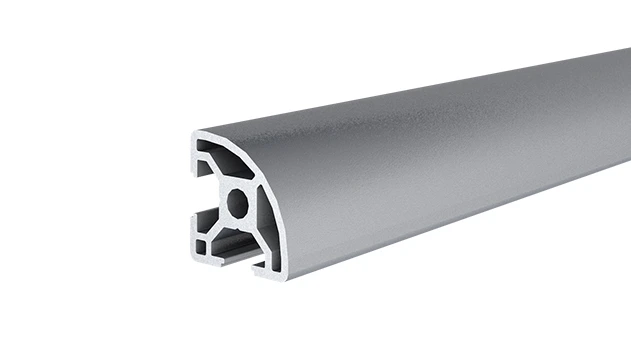
3030R is a 3.00 x 3.00CM fractional 30 series square extrusion T-slot profile with four open T-slots, two side with 3.00cm face, the other side with round face. The profile has align-a-grooves to assist in aligning connecting profiles.
Walk into any modern manufacturing facility, and you'll notice a silent hero holding everything together: aluminum profiles. From the workbench where technicians assemble delicate components to the lean system that keeps production lines flowing like clockwork, these profiles are the unsung backbone of efficient operations. Today, we're zeroing in on a specific star in this lineup: the 3030r EU Standard Aluminum Profile. But even the sturdiest profile needs a finishing touch—and that's where the choice between anodized and powder-coated finishes comes into play. Let's explore which one deserves a spot in your next project.
First Things First: What is the 3030r EU Standard Aluminum Profile?
Before we dive into finishes, let's make sure we're all on the same page about the star of the show. The 3030r EU Standard Aluminum Profile is a type of aluminum extrusion profile —meaning it's formed by pushing heated aluminum through a die to create a consistent, precise shape. The "3030" refers to its dimensions: 30mm in width and 30mm in height, making it a versatile middleweight in the aluminum profile family. The "r" often denotes rounded edges, which adds a safety bonus (no sharp corners!) and a sleek look.
Why is this profile so popular? Think about its applications: it's the go-to for building lean system structures like material racks, assembly stations, and turnover trolleys. It's also a staple in workbench frames, where stability and adaptability matter most. And because it's EU-standard, you know it meets strict quality benchmarks for strength, durability, and compatibility with aluminum profile accessories —things like connectors, brackets, and hinges that turn basic tubes into fully functional systems.
But here's the catch: even the best 3030r profile is just a raw material until it gets a finish. That finish isn't just about looks; it's about protecting the aluminum from corrosion, enhancing its lifespan, and ensuring it fits the needs of your workspace. And when it comes to finishes, two options dominate the conversation: anodized and powder-coated. Let's break them down.
Anodized Aluminum Profile: The "Tough as Nails" Contender
How Does Anodizing Work?
Anodizing is like giving aluminum a superpowered shield—from the inside out. Here's the simplified version: the aluminum profile is submerged in an electrolyte bath (usually sulfuric acid), and an electric current is passed through it. This process causes a chemical reaction that transforms the surface layer of the aluminum into a hard, porous oxide film. Think of it as growing a protective armor that's actually part of the metal itself, not just a coating stuck on top.
The result? A finish that's about 10x harder than raw aluminum. And if you want color? Dyes can be added during the process to tint the porous oxide layer, giving you options like silver, black, gold, or even blue—though the range is more limited compared to other finishes.
Pros of Anodized 3030r Aluminum Profile
1. Unbeatable Durability: Since the oxide layer is integrated with the aluminum, it won't chip, peel, or flake off—even if you scratch it. This makes anodized profiles ideal for high-traffic areas, like workbenches where tools are constantly being set down or leaned on. I've seen anodized aluminum profile in a busy auto parts warehouse that's been in use for 10+ years, and apart from some minor scuffs, it still looks as sturdy as day one.
2. Corrosion Resistance: Aluminum already resists rust, but anodizing takes it to the next level. The oxide layer acts as a barrier against moisture, chemicals, and even salt air—perfect if your facility is in a humid climate or handles liquids (like a food processing plant or a lab). One manufacturer I worked with switched to anodized profiles for their washdown areas, and they reported a 60% drop in maintenance costs from rust-related issues.
3. Sleek, Natural Look: Anodized finishes have a subtle, metallic sheen that feels premium. Unlike paint, they don't have a "plastic-y" look, which is why they're popular in industries where aesthetics matter—like tech manufacturing or clean rooms. The color also won't fade easily, even with exposure to light, so your lean system will stay looking professional for years.
4. No Fingerprints (Mostly): Ever touched a metal surface and left a smudge? Anodized aluminum is more resistant to fingerprints and smudges than raw aluminum or some painted finishes. That's a small detail, but it makes a big difference in spaces where cleanliness is key—like electronics assembly lines.
Cons of Anodized 3030r Aluminum Profile
1. Higher Cost: Anodizing is a more complex process than powder coating, which translates to a higher price tag—usually 20-30% more per profile. For small projects, this might not sting, but if you're outfitting an entire factory with aluminum profile structures, those costs add up fast.
2. Limited Color Options: While you can get anodized profiles in several colors, the palette is narrower than powder coating. Bright or custom colors? Forget it. Anodizing works best with earthy tones and metallics, so if your lean system relies on color-coding (e.g., red for "urgent materials," green for "completed parts"), anodizing might not cut it.
3. Hard to Repair: Remember how the oxide layer is part of the metal? If it gets deeply scratched or damaged, you can't just "touch it up" with a can of paint. Fixing a damaged anodized finish usually means re-anodizing the entire profile, which is time-consuming and costly. For high-wear areas, this is a big drawback.
4. Thinner Coating (But That's a Double-Edged Sword): The anodized layer is thin—usually 5-20 microns. While this means it won't interfere with precision fits (important for aluminum profile accessories like connectors), it also offers less impact resistance than powder coating. If your profile is going to be bumped or hit regularly (like on a busy warehouse trolley), it might dent more easily than a powder-coated one.

Powder-Coated Aluminum Profile: The "Colorful Workhorse"
How Does Powder Coating Work?
Powder coating is like painting, but with a twist: instead of liquid paint, you use a dry powder made of resin and pigment. The powder is electrostatically charged and sprayed onto the aluminum profile, which then sticks to the surface like a magnet. The profile is then baked in an oven (around 180-200°C), which melts the powder into a smooth, hard coating. It's quick, efficient, and great for large batches.
The result? A thick, uniform coating that's tough and comes in almost any color you can imagine—from bright yellows and blues to muted greys and custom shades. Want your workbench to match your company's brand colors? Powder coating makes it possible.
Pros of Powder-Coated 3030r Aluminum Profile
1. Budget-Friendly: Powder coating is faster and simpler than anodizing, so it's cheaper—usually 10-15% less than anodized profiles. For businesses on a tight budget, this is a huge win, especially when scaling up lean system projects.
2. Endless Color Options: This is where powder coating shines. Need neon orange for safety markers? Pastel pink for a retail display? Custom Pantone colors for branding? Powder coating can do it all. It's also great for color-coding lean system components—like using yellow for "in-progress" material racks and grey for "stored" ones—to boost workflow efficiency.
3. Thicker, More Impact-Resistant Coating: Powder-coated layers are thicker than anodized ones—usually 50-150 microns. This makes them better at absorbing impacts, so your aluminum profile is less likely to dent or scratch if it gets bumped by a trolley or tool. For high-traffic areas, this durability is a game-changer.
4. Easy to Repair: Got a scratch? No problem. Unlike anodizing, powder-coated finishes can be touched up with a matching spray paint or powder. It might not look perfect, but it's a quick fix that keeps your profile protected until you can replace it. This is a lifesaver for maintenance teams.
Cons of Powder-Coated 3030r Aluminum Profile
1. Prone to Chipping (If Not Done Right): While powder coating is tough, it can chip if the profile is bent or hit hard—especially around edges. A poorly applied powder coat might even peel off in sheets, which is why choosing a reputable supplier matters. I once visited a factory that skimped on powder coating, and their workbench frames looked like they'd been through a hailstorm after just six months.
2. Fades in Sunlight: Most powder-coated colors will fade over time if exposed to direct sunlight. This isn't a big deal for indoor lean system structures, but if you're using profiles outdoors (e.g., for a loading dock canopy), expect the color to dull after a year or two. Some "UV-resistant" powders help, but they're pricier.
3. Thicker Coating Can Cause Fit Issues: Remember that 50-150 micron thickness? It might not sound like much, but it can interfere with precision fits. For example, if you're using aluminum profile accessories like tight-tolerance connectors or hinges, a thick powder coat might make assembly tricky. You might need to sand down the coating in spots, which defeats the purpose.
4. Less "Premium" Look: While powder coating can look great, it lacks the metallic depth of anodized aluminum. Some colors can look flat or "painted," which might not be ideal for high-end applications like medical device manufacturing or luxury retail displays.
Anodized vs. Powder-Coated: The Ultimate Comparison Table
| Feature | Anodized Aluminum Profile | Powder-Coated Aluminum Profile |
|---|---|---|
| Durability | Hard, scratch-resistant oxide layer; won't peel or flake. Less impact-resistant. | Thicker coating; better impact resistance. Prone to chipping if bent or hit hard. |
| Cost | Higher (20-30% more than powder coating). | Lower (10-15% cheaper than anodizing). |
| Color Options | Limited (metallics, blacks, golds; no bright/custom colors). | Extensive (neons, pastels, custom Pantone colors; ideal for color-coding). |
| Maintenance & Repair | Hard to repair; scratches require re-anodizing the entire profile. | Easy to touch up with spray paint or powder; minor damage fixes quickly. |
| Environmental Resistance | Excellent corrosion resistance; ideal for humid/coastal areas. UV-resistant. | Good corrosion resistance (if properly applied). Fades in direct sunlight over time. |
| Aesthetic Appeal | Sleek, metallic sheen; premium look. No fingerprints. | Flat, painted look; less depth. More prone to fingerprints/smudges. |
| Best For | Clean rooms, outdoor use, high-precision lean system s, and applications where "premium" look matters. | Indoor workbench es, color-coded production lines, and budget-sensitive projects. |
Note: Performance can vary based on the quality of the process and the supplier. Always ask for samples before ordering in bulk!
Which One Should You Choose? It Depends on Your Needs
At the end of the day, there's no "better" finish—only the right finish for your project. Here's how to decide:
Choose Anodized If…
- You need corrosion resistance (e.g., coastal factories, humid labs, or outdoor structures).
- You want a premium, metallic look that won't fade or look "cheap."
- Your aluminum profile will be used in high-precision applications where a thin, consistent finish is critical (e.g., medical device assembly workbench es).
- You're willing to pay more upfront for long-term durability.
Choose Powder-Coated If…
- You need color-coding for your lean system (e.g., yellow for "raw materials," grey for "in-progress," green for "shipped").
- Budget is a top priority, and you need to outfit a large space with aluminum profiles.
- Your profiles will be used indoors, away from direct sunlight and harsh weather.
- You want easy repairability for high-traffic areas (e.g., warehouse trolleys, busy assembly lines).
Pro tip: For mixed environments, consider a hybrid approach! Use anodized profiles for outdoor or high-corrosion areas and powder-coated ones for indoor color-coded sections. Many suppliers offer both finishes, so you can mix and match to get the best of both worlds.
Real-World Examples: How Factories Are Using Both Finishes
Let's look at two hypothetical (but realistic!) scenarios to see how these finishes play out in the real world:
Scenario 1: A Medical Device Manufacturer
A medical device factory needs
workbench
es for assembling pacemakers. Cleanliness, precision, and corrosion resistance are non-negotiable. They choose anodized 3030r profiles for two reasons: the metallic finish resists fingerprints and is easy to sanitize, and the corrosion resistance ensures the workbenches hold up in sterile, humid environments. The higher cost is worth it for compliance and longevity.
Scenario 2: A Automotive Parts Warehouse
An auto parts warehouse needs a
lean system
to organize bolts, nuts, and gaskets. They rely on color-coding to speed up picking times (e.g., red bins for "brake parts," blue for "engine parts"). Powder-coated 3030r profiles in custom colors fit the bill—they're affordable, easy to repair when bumped by forklifts, and the bright colors make the system intuitive for workers.
Final Thoughts: It's All About Balance
The 3030r EU Standard Aluminum Profile is a workhorse, but its true potential lies in the finish you choose. Anodized profiles offer durability and a premium look for high-stakes environments, while powder-coated ones bring flexibility, color, and affordability to the table. Whether you're building a lean system , a workbench , or a material rack, the key is to match the finish to your environment, budget, and aesthetic needs.
And remember: the best finish is one that works with your aluminum profile accessories , too. Anodized profiles play nice with tight-tolerance connectors, while powder-coated ones might need a little extra space. Always check with your supplier to ensure compatibility—your future self (and your assembly team) will thank you.
So, which will it be? The silent strength of anodized, or the colorful versatility of powder-coated? Either way, with the 3030r EU Standard Aluminum Profile, you're already off to a strong start.