- Company Articles
- Products and Technology
- Product knowledge
- Anodized vs Powder-Coated Single Side Aluminum Pipe: Which Surface Treatment is Better?

Anodized vs Powder-Coated Single Side Aluminum Pipe: Which Surface Treatment is Better?
Related Product
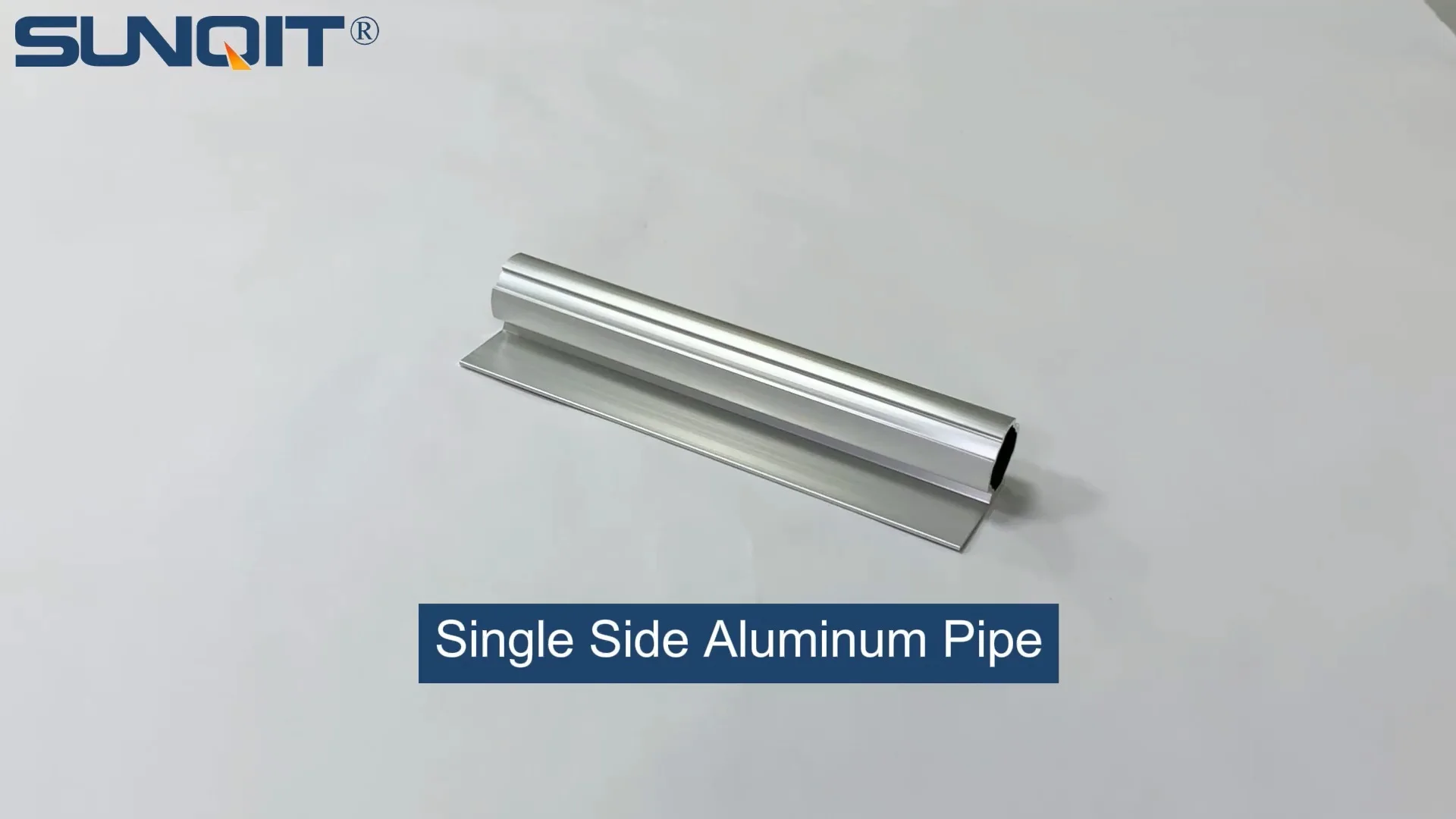
Single Side Aluminum Pipe
The single-sided plane can be installed with a back-mounted material box, and can also be used as a sidewall or partition.
In the bustling world of manufacturing and lean systems, every component plays a quiet but critical role in keeping operations running smoothly. Among these unsung heroes are aluminum pipes—specifically, the single side aluminum pipe that forms the backbone of workbenches, flow racks, material trolleys, and countless other structures in factories and warehouses. But what many overlook is the surface treatment that protects and enhances these pipes: anodizing and powder coating. These two processes don't just affect how the pipes look; they impact durability, functionality, and even compatibility with aluminum pipe accessories. So, which one is right for your facility? Let's dive in, not as technicians, but as problem-solvers looking to build systems that stand the test of time.
First, Let's Talk About Aluminum Lean Pipe: Why It Matters
Before we compare surface treatments, let's ground ourselves in why aluminum lean pipe is such a staple in modern workplaces. Unlike traditional steel pipes, aluminum lean pipe is lightweight yet surprisingly strong, resistant to rust, and infinitely customizable. It's the Swiss Army knife of lean manufacturing—easily assembled into workbenches, reconfigured into flow racks, or wheeled around as part of a turnover trolley. But its versatility hinges on more than just the metal itself; the surface treatment is what turns a basic aluminum pipe into a tool that can withstand the daily grind of a busy factory floor.
Imagine (oops, scratch that—think about!) a production line where workers are constantly adjusting a material rack, or a warehouse where trolleys are wheeled over uneven floors dozens of times a day. The surface of the aluminum pipe here isn't just about aesthetics. It's about preventing scratches that collect dust, resisting corrosion from spills, and ensuring that aluminum pipe accessories like clamps, joints, and caster wheels stay securely attached. So, whether you're choosing between anodized or powder-coated, you're really choosing how well your system will hold up to your unique challenges.
Anodized Aluminum Pipe: The Science of Strength (and Subtlety)
What Is Anodizing, Anyway?
Anodizing isn't just a coating—it's a transformation. The process involves submerging the aluminum pipe in an electrolytic solution and passing an electric current through it. This causes the surface of the aluminum to oxidize, forming a hard, porous layer of aluminum oxide that's integrated with the metal itself. It's like giving the pipe a second skin, one that's part of its structure rather than a separate layer. The result? A finish that's as tough as it is understated.
The Pros: Why Anodized Aluminum Pipe Shines
Let's start with durability. Anodized aluminum pipe is a champion here, especially when it comes to scratch and corrosion resistance. That oxidized layer is harder than the base aluminum, so it stands up to the minor bumps and scrapes of daily use—think of a worker leaning against a workbench or a tool accidentally brushing against a flow rack. Unlike paint or plating, which can chip off, the anodized layer won't peel because it's chemically bonded to the metal. In humid warehouses or environments with occasional spills (like coolant or cleaning agents), this corrosion resistance becomes a game-changer, preventing unsightly rust and extending the pipe's lifespan.
Then there's heat resistance. Anodized surfaces can handle higher temperatures than many other treatments, making them ideal for environments near machinery that generates heat—think of a workbench positioned next to a conveyor motor or a material rack in a facility with temperature fluctuations. The finish won't discolor or degrade, ensuring consistency even in less-than-ideal conditions.
Aesthetics matter too, and anodized aluminum pipe offers a sleek, natural look. The color options are mostly metallic—silver, gold, bronze, or black—and they have a subtle, matte sheen that feels industrial yet refined. This makes them perfect for clean rooms, electronics assembly lines, or facilities where a minimalist, professional appearance is key. Plus, because the color is part of the oxidized layer, it won't fade easily under UV light, so pipes near windows or in outdoor storage areas (like loading docks) stay looking fresh longer.
Finally, precision. Anodizing creates a thin, uniform layer—usually between 5 and 20 microns thick. This means it won't add bulk to the pipe, making it easier to fit with aluminum pipe accessories like internal rotatary aluminum joints or aluminum pipe clamps. For systems where every millimeter counts (like a high-precision workbench E with a single deck), this dimensional stability is crucial. No more struggling to slide a joint onto a pipe that's suddenly "too thick" because of a heavy coating.
The Cons: Where Anodizing Falls Short
Anodizing isn't without its limitations. The biggest one? Color options. If you need bright red, neon green, or custom shades to color-code work zones (e.g., "blue for finished goods, yellow for raw materials"), anodizing will leave you wanting. Its palette is limited to earthy metallics, which can feel restrictive for facilities that rely on visual cues to organize workflows.
Cost is another consideration. Anodizing is a more complex process, requiring precise control of temperature, voltage, and chemical concentrations. This makes it pricier upfront than powder coating, especially for small batches. If you're on a tight budget and don't need the extra durability, this could be a dealbreaker.
Surface imperfections are also more visible with anodizing. Because the process highlights the pipe's natural texture, any dents, scratches, or unevenness in the base aluminum will show through the anodized layer. This means you need higher-quality raw pipes to start with, adding to the overall cost.

Powder-Coated Aluminum Pipe: Color, Customization, and Toughness
What Is Powder Coating?
Powder coating takes a different approach. Instead of chemically altering the aluminum, it applies a dry, pigmented powder to the surface using an electrostatic charge. The pipe is then baked in an oven, where the powder melts, flows, and cures into a hard, continuous film. The result is a thick, vibrant coating that feels more like armor than a finish.
The Pros: Why Powder Coating Stands Out
Let's start with color—powder coating's biggest selling point. Want your aluminum lean pipe in fire-engine red, safety yellow, or even a custom shade matched to your company logo? No problem. The powder comes in virtually any hue, and you can even add textures: matte, glossy, or textured (like a sandblasted finish) to hide fingerprints or minor scratches. This makes powder-coated pipes perfect for facilities that use color to organize workflows—for example, a material rack B with three rows and three floors, where each floor is a different color to separate components. It's not just about looks; it's about making tasks faster and reducing errors.
Durability in high-impact environments is another strength. The powder coating layer is thicker than anodizing—usually 50 to 150 microns—so it acts like a shock absorber. In warehouses where trolleys are frequently loaded and unloaded, or on workbenches where tools are set down with a thud, this impact resistance prevents dents and chips. Even if the coating does get scratched, the damage is often less noticeable than on anodized surfaces, which can show bright aluminum underneath. For facilities with high traffic or heavy use, this means less time spent on touch-ups and more time on production.
Cost-effectiveness for large batches is a bonus. Powder coating is faster than anodizing for big orders, and there's less waste—overspray can be collected and reused, unlike liquid paints. This makes it a budget-friendly choice if you're outfitting an entire facility with aluminum pipes, flow racks, and conveyor systems. Plus, the thicker coating can hide minor imperfections in the base aluminum, so you can use slightly lower-grade pipes without sacrificing appearance—another cost saver.
Chemical resistance is another perk. Powder coatings are formulated to stand up to oils, solvents, and cleaning agents—common in manufacturing settings where spills happen. A powder-coated material rack near a machine that leaks hydraulic fluid, for example, will resist staining and degradation, whereas an uncoated or even anodized pipe might start to corrode over time.
The Cons: Where Powder Coating Comes Up Short
For all its benefits, powder coating has limitations too. The thick coating can affect dimensional precision. If you're building a structure that requires tight tolerances—like a roller track with plastic guide rails that need to align perfectly—those extra microns can cause fits and starts. A caster wheel might not roll smoothly if the powder coating adds too much width to the pipe, or an aluminum pipe clamp might slip because the surface is too thick to grip properly.
Heat resistance is another weak spot. While powder coatings handle moderate temperatures well, they can start to soften or discolor at high heat (above 200°C/392°F). This makes them less ideal for pipes near heat sources like ovens, welding stations, or industrial dryers. In contrast, anodized aluminum can withstand temperatures up to 200°C without issue, and some formulations go even higher.
Color consistency can also be a challenge. Even with careful mixing, batches of powder can vary slightly in shade, especially with custom colors. If you're adding a new section to an existing powder-coated system, you might end up with pipes that are "close but not quite" the same color—a minor annoyance that can throw off the visual harmony of a well-organized workspace.

Side-by-Side: Anodized vs. Powder-Coated Aluminum Pipe
| Feature | Anodized Aluminum Pipe | Powder-Coated Aluminum Pipe |
|---|---|---|
| Coating Thickness | 5–20 microns (thin, integrated with metal) | 50–150 microns (thick, layered on top) |
| Color Options | Limited (metallic: silver, gold, bronze, black) | Virtually unlimited (any color, plus textures) |
| Durability (Scratches/Corrosion) | High scratch resistance; excellent corrosion resistance | High impact resistance; good corrosion resistance |
| Heat Resistance | Excellent (up to 200°C+) | Moderate (up to 150°C; may discolor at higher temps) |
| Cost (Initial) | Higher (complex process, small batches) | Lower (fast, efficient for large batches) |
| Compatibility with Accessories | Excellent (thin coating preserves dimensions) | Good, but may require adjustments (thicker coating) |
| Surface Appearance | Sleek, natural metallic finish; highlights pipe texture | Vibrant, uniform finish; can hide surface imperfections |

Real-World Applications: When to Choose Which
Now that we've broken down the pros and cons, let's talk about your facility. The "better" treatment depends on your unique needs. Here are some scenarios to consider:
Choose Anodized Aluminum Pipe If…
- You need precision and compatibility with aluminum pipe accessories. If you're building a high-precision workbench E (single deck, no casters) or a roller track with plastic guide rails that require tight alignment, anodizing's thin, uniform layer ensures accessories like roller track placon mounts or internal rotatary aluminum joints fit perfectly.
- Your environment is humid, corrosive, or hot. Clean rooms, electronics assembly lines, or facilities near coastal areas (with salt air) will benefit from anodizing's corrosion resistance.,().
- You prefer a natural, industrial look. Anodized aluminum's metallic finish fits seamlessly into modern, minimalist workspaces—think of a sleek aluminum profile workbench in a tech startup's prototyping lab.
Choose Powder-Coated Aluminum Pipe If…
- Color coding is critical to your workflow. Warehouses using color to separate zones (e.g., red for hazardous materials, green for finished products) or manufacturing lines where different pipe colors indicate different stages (assembly, testing, packaging) will thrive with powder coating.
- Your pipes face high impact or heavy use. Material trolleys, turnover racks, or workbenches in busy workshops (where tools are frequently dropped) will benefit from powder coating's thick, shock-absorbing layer.
- You're on a budget (especially for large orders). If you're outfitting an entire facility with aluminum lean pipe, powder coating's lower cost per unit and ability to use slightly lower-grade aluminum pipes can save you thousands.
Aluminum Pipe Accessories: The Forgotten Factor
We can't talk about aluminum pipe surface treatments without mentioning aluminum pipe accessories—the brackets, joints, casters, and clamps that bring your lean system to life. The right treatment ensures these accessories work as intended, while the wrong one can lead to frustration and inefficiency.
Take caster wheels, for example. A caster wheel attached to a powder-coated pipe might slip if the coating is too thick, requiring tighter fasteners that could damage the finish. Anodized pipes, with their thinner, more uniform surface, provide better friction for clamp-on casters, ensuring trolleys roll smoothly without wobbling. Similarly, internal rotatary aluminum joints—used to adjust the angle of workbenches or flow racks—need a precise fit. Anodizing preserves the pipe's original dimensions, so these joints rotate freely without sticking, whereas a thick powder coating might cause them to jam.
Even small accessories like swivel roller balls (1 inch or 0.5 inch) depend on the pipe's surface. Anodized pipes have a smoother, more consistent texture, so roller balls glide evenly, ensuring materials flow down a flow rack without getting stuck. Powder coating, while durable, can have slight texture variations that create friction, slowing down material movement.
The key takeaway? Your surface treatment choice should align with the aluminum pipe accessories you plan to use. If you're investing in high-quality accessories (like heavy-duty aluminum pipe clamps or precision roller track connectors), pairing them with anodized pipe ensures they perform at their best. If you're using more basic accessories and prioritize color or cost, powder coating might still work—just test a small batch first to avoid headaches later.
Final Thoughts: It's About Your Workflow, Not Just the Pipe
At the end of the day, there's no "one-size-fits-all" answer to the anodized vs. powder-coated debate. Both treatments have their strengths, and the best choice depends on your facility's unique needs: the environment (humidity, heat, impact), your budget, the importance of color, and the aluminum pipe accessories you rely on. Anodized aluminum pipe is the precision player—ideal for high-stakes, detail-oriented settings—while powder-coated is the versatile workhorse, perfect for colorful, high-impact environments.
Think of it this way: Your aluminum lean pipe system is more than just metal and accessories. It's a reflection of how you care for your team—providing tools that are durable, efficient, and even a little bit pleasant to use. Whether you choose anodized or powder-coated, the goal is the same: to build a system that works for your people, not against them. So take the time to assess your needs, test a small batch if you can, and choose the treatment that will keep your lean system running smoothly for years to come.
After all, in the world of manufacturing, the best systems aren't just built—they're built to last.