- Company Articles
- Products and Technology
- Product knowledge
- Anodized vs. Unfinished Gusset Alp 3030: Which Coating Suits Your Needs?

Anodized vs. Unfinished Gusset Alp 3030: Which Coating Suits Your Needs?
Related Product
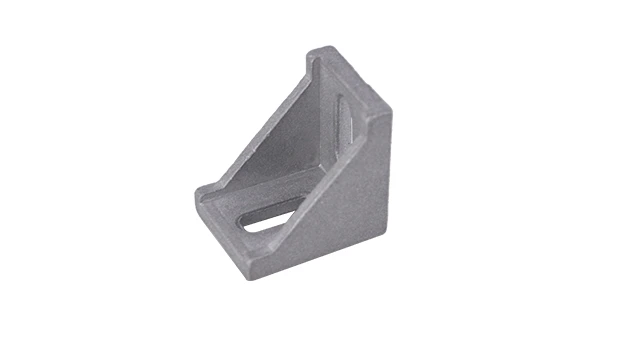
Gusset ALP 3030
The 3030 bracket/Gusset is an external fastening method that creates a 90 degree connection. 3030 means this size is used for 30 series aluminum profile with a quick connection by bolt and nut.
Let's set the scene: You're standing in your workshop, coffee in hand, staring at a half-assembled aluminum frame. Maybe it's for a new lean pipe workbench, a material rack, or even a custom production line. You've already picked out your 3030 aluminum profiles—sturdy, lightweight, perfect for your project. But now, there's a small but crucial decision staring back at you from the parts bin: the gusset plates. Specifically, the Gusset Alp 3030. And the question? Anodized or unfinished?
If you're scratching your head, you're not alone. For anyone building with aluminum extrusion profiles, these tiny but mighty brackets play a big role in structural stability. But the coating choice? It's more than just aesthetics. It affects durability, maintenance, cost, and even how well your setup holds up over time. Let's dive in—by the end, you'll know exactly which Gusset Alp 3030 is the right fit for your project.
What Even Is a Gusset Alp 3030, Anyway?
First things first: Let's make sure we're all on the same page. A Gusset Alp 3030 is a type of aluminum profile accessory—think of it as the "reinforcement buddy" for your 3030 aluminum profiles. If your aluminum extrusion profile is the backbone of your structure, the gusset is the extra support that keeps joints from wobbling, bending, or failing under stress.
Picture this: When you connect two 3030 aluminum profiles at a right angle (like the corner of a workbench), the joint looks solid. But over time, with tools, materials, or workers leaning on it, that joint can start to flex. Enter the Gusset Alp 3030: a flat, triangular (or sometimes square) plate with pre-drilled holes that bolts onto the outside of the joint. It distributes weight evenly, turning a weak spot into a rock-solid connection. Without it, your lean pipe workbench might start swaying after a few months. With it? It'll stand up to years of daily use.
Now, these gussets come in two main flavors when it comes to finish: anodized and unfinished. Let's break down what each means, and why it matters.
Anodized Gusset Alp 3030: The "Tough Coat" Option
Anodized. It sounds technical, but it's actually a pretty cool process. Think of it like giving the aluminum a superpowered outer layer—one that's not just painted on, but built into the metal itself. Here's how it works: The Gusset Alp 3030 is submerged in an electrolytic solution, and an electric current is passed through it. This causes a chemical reaction that thickens the natural oxide layer on the aluminum's surface. The result? A coating that's 10x harder than the raw aluminum underneath.
What Makes Anodized Gussets Stand Out?
- Durability That Lasts: That thickened oxide layer? It's tough. We're talking scratch-resistant, dent-resistant, and able to handle daily bumps from tools, carts, or even the occasional dropped wrench. If you've ever seen anodized aluminum in a busy factory, you'll notice it stays looking sharp long after unfinished aluminum would start showing wear.
- Corrosion Resistance: Aluminum naturally resists rust, but anodizing takes it to the next level. The porous surface of the anodized layer can even be sealed with dyes or sealants, making it almost impervious to moisture, chemicals, or humidity. This is a game-changer if your workshop is in a damp area, near water, or handles corrosive materials.
- A Clean, Consistent Look: Anodized gussets come in classic shades—think matte silver, black, or even gold (though silver is the most common for industrial use). The finish is uniform, so every gusset in your project will match perfectly. No streaks, no unevenness, just a sleek, professional appearance that makes your whole setup look polished.
- Low Maintenance: Spills? Grease? Dust? A quick wipe with a damp cloth is usually all it takes to keep anodized gussets looking new. Unlike paint, the color won't chip or peel, so you won't be touching up scratches six months down the line.

Unfinished Gusset Alp 3030: The "Raw and Ready" Alternative
Unfinished (sometimes called "mill finish") Gusset Alp 3030 is exactly what it sounds like: aluminum in its natural state, straight from the extrusion process. No extra coating, no chemical treatments—just the smooth, silvery surface of raw aluminum. It's the "no-frills" option, but that doesn't mean it's not useful.
The Upsides of Going Unfinished
- Cost Savings: No anodizing process means lower production costs, and those savings get passed on to you. If you're working with a tight budget and don't need the extra protection, unfinished gussets can cut down your material costs significantly—we're talking 10-20% cheaper in some cases.
- Customization Freedom: Want to paint, powder-coat, or prime your gussets to match your brand colors? Unfinished aluminum is a blank canvas. The raw surface accepts paint and coatings better than anodized (which can be tricky to paint over without sanding). Perfect if you're building something with a specific color scheme, like a retail display or a branded workbench.
- Welding-Friendly: If your project requires welding (say, you're fabricating a custom rack and need to weld gussets directly to profiles), unfinished aluminum is easier to work with. Anodized layers can burn off during welding, creating fumes and uneven joints. Raw aluminum welds cleaner and stronger.
- Natural Aluminum Appeal: Some people love the look of raw aluminum—the soft, metallic sheen, the way it ages with a subtle patina over time. It has an industrial, "authentic" vibe that works well in modern, minimalist, or DIY spaces where a polished finish might feel too "corporate."

Anodized vs. Unfinished: The Key Differences (At a Glance)
| Feature | Anodized Gusset Alp 3030 | Unfinished Gusset Alp 3030 |
|---|---|---|
| Durability | Highly scratch/dent-resistant; withstands heavy use | Moderate; prone to scratches and dents over time |
| Corrosion Resistance | Excellent; resists moisture, chemicals, and humidity | Good (natural aluminum); may tarnish in damp environments |
| Appearance | Sleek, uniform (silver, black, etc.); professional look | Raw, metallic sheen; may develop a subtle patina |
| Cost | Higher upfront cost (15-30% more than unfinished) | Lower upfront cost; budget-friendly |
| Maintenance | Low; wipe clean with damp cloth; no touch-ups needed | Moderate; may need polishing to remove tarnish; scratches visible |
| Best For | High-traffic areas, damp environments, professional setups, long-term use | DIY projects, welding, custom painting, dry workshops, temporary setups |
When to Choose Anodized Gusset Alp 3030
Let's get practical: When does anodized make sense for your project? Here are the scenarios where that extra coating is worth every penny:
1. Your Setup Gets Heavy Daily Use
If you're building a lean pipe workbench where assemblers stand for 8+ hours a day, a material rack that's loaded and unloaded constantly, or a production line that runs shifts, anodized gussets are a no-brainer. They'll handle the wear and tear without looking beat up, which means your setup stays functional and professional-looking for years.
2. Moisture or Chemicals Are Involved
Think food processing, automotive shops (oils and fluids), or workshops near the coast (salt air). Unfinished aluminum might start to tarnish or spot in these environments, but anodized gussets will laugh off humidity, spills, and even mild chemicals. You won't have to worry about corrosion weakening your joints over time.
3. A Professional Look Matters
Maybe you run a small business and want your workshop to impress clients or investors. Or perhaps you're setting up a retail display where aesthetics count. Anodized gussets give your project a clean, cohesive look that says "quality." Unfinished can look great too, but it's harder to keep consistent—especially if you're mixing batches of gussets from different suppliers.
4. You Want "Set It and Forget It" Maintenance
Who has time to polish gussets? If you'd rather spend your weekends tweaking production processes than cleaning metal brackets, anodized is the way to go. A quick wipe now and then is all it takes to keep them in top shape. No special cleaners, no touch-up paint, no hassle.
When to Choose Unfinished Gusset Alp 3030
Unfinished isn't just a "budget option"—it's the right choice in plenty of situations. Here's when to opt for raw aluminum:
1. You're on a Tight Budget
Let's be real: Every dollar counts when you're starting a project. If you're building a prototype, a temporary setup, or a small-scale DIY project (like a garage workbench), the cost savings of unfinished gussets can add up. You can always upgrade to anodized later if you need to, but for now, raw aluminum gets the job done without breaking the bank.
2. You Plan to Paint or Customize
Want your gussets to match your brand color? Or maybe you're going for a bold, industrial look with matte black paint. Unfinished aluminum is the perfect base—paint adheres better to raw metal than to anodized surfaces (which can be slippery). Just make sure to clean the gussets with alcohol first to remove oils, and use a primer designed for aluminum.
3. Welding Is Part of Your Process
If you're welding gussets to your 3030 aluminum profiles (instead of bolting them), anodized coatings can be a headache. The anodized layer burns off during welding, creating toxic fumes and leaving uneven, weak spots. Unfinished aluminum welds cleanly, giving you strong, reliable joints without the extra hassle.
4. You Love the Raw Aluminum Aesthetic
There's something about the look of raw aluminum—its soft shine, its ability to develop a unique patina over time—that feels authentic and industrial. If you're going for a workshop vibe that's more "maker space" than "corporate factory," unfinished gussets fit right in. Just embrace the fact that they'll show character as they age.
Installation Tips: Getting the Most Out of Your Gusset Alp 3030
Whether you choose anodized or unfinished, proper installation is key to making sure your gussets do their job. Here are a few pro tips:
- Use the Right Hardware: Always pair your gussets with high-quality bolts and nuts designed for aluminum (stainless steel or aluminum hardware works best to avoid galvanic corrosion). Overtightening can strip threads, so snug them up until they're firm but not forceful.
- Clean Before Installing: Even anodized gussets can have dust or oil from manufacturing. Wipe them down with a lint-free cloth and isopropyl alcohol before bolting them on—this ensures a tight, secure fit and prevents gunk from weakening the joint over time.
- Align Properly: Make sure the gusset sits flush against both aluminum profiles. A misaligned gusset won't distribute weight evenly, defeating the purpose. Use a square tool to check the angle before tightening bolts.
- For Unfinished: Wear Gloves! Fingerprints and oils can leave marks on raw aluminum that are hard to remove. A quick wipe with a microfiber cloth helps, but gloves (nitrile or latex) during installation keep the surface clean from the start.
Maintenance 101: Keeping Your Gussets in Top Shape
A little care goes a long way, no matter which coating you choose. Here's how to keep your Gusset Alp 3030 looking and performing its best:
Anodized Gussets
- Daily: Wipe with a damp cloth to remove dust and debris. For greasy spots, use mild soap and water—avoid harsh chemicals or abrasive sponges, which can scratch the finish.
- Monthly: Give them a quick once-over with a soft-bristle brush to get into crevices (like around bolts). If they're in a high-moisture area, a light coat of car wax (yes, car wax!) can add an extra layer of protection against corrosion.
Unfinished Gussets
- Daily: Same as anodized—damp cloth for dust. If fingerprints appear, use a bit of rubbing alcohol on a cloth to wipe them off.
- Quarterly: If tarnish starts to build up, polish with a non-abrasive aluminum cleaner (like Mothers Mag & Aluminum Polish). Apply a small amount to a cloth, rub gently in circular motions, then buff clean. This will restore the shine without scratching.
- Optional: For extra protection, you can clear-coat unfinished gussets with a spray-on acrylic sealer. This adds a thin protective layer without changing the raw look too much.
Cost Considerations: Short-Term vs. Long-Term
Let's talk numbers. Anodized Gusset Alp 3030 typically costs 15-30% more than unfinished. For a small project with 10 gussets, that might be a difference of $20-$50—nothing major. But for a large production line with hundreds of gussets, the cost can add up fast.
Here's the thing, though: anodized gussets last longer. If you're using unfinished gussets in a high-wear environment, you might need to replace them every 2-3 years as they scratch, tarnish, or weaken. Anodized gussets? They could easily last 5-10 years or more. So while you pay more upfront, you save on replacement costs down the line.
It's a classic "buy once, cry once" scenario. If your project is temporary or low-use, unfinished is smart. If it's a long-term setup that needs to stand the test of time, anodized is the better investment.
Final Thoughts: Which Coating Should You Choose?
At the end of the day, there's no "perfect" choice—only the right choice for your needs. Let's recap:
Choose Anodized Gusset Alp 3030 if: You need durability, corrosion resistance, a professional look, or low maintenance. It's ideal for busy workshops, damp environments, or projects where longevity matters most.
Choose Unfinished Gusset Alp 3030 if: You're on a budget, plan to paint/customize, need to weld, or love the raw aluminum aesthetic. It's perfect for DIY projects, prototypes, or dry, low-wear setups.
Remember, whether you go anodized or unfinished, the Gusset Alp 3030 itself is a critical component. It's the unsung hero that turns wobbly joints into rock-solid connections, making your 3030 aluminum profile setup safe, stable, and ready to work as hard as you do.
So, what'll it be? The tough, sleek anodized, or the raw, versatile unfinished? Whatever you choose, your workshop (and your future self) will thank you for taking the time to pick the right one.