- Company Articles
- Products and Technology
- Product knowledge
- Anti-Rust Properties of T Slot Aluminum Pipe: Longevity in Wet Environments

Anti-Rust Properties of T Slot Aluminum Pipe: Longevity in Wet Environments
Related Product
T Slot Aluminum Pipe
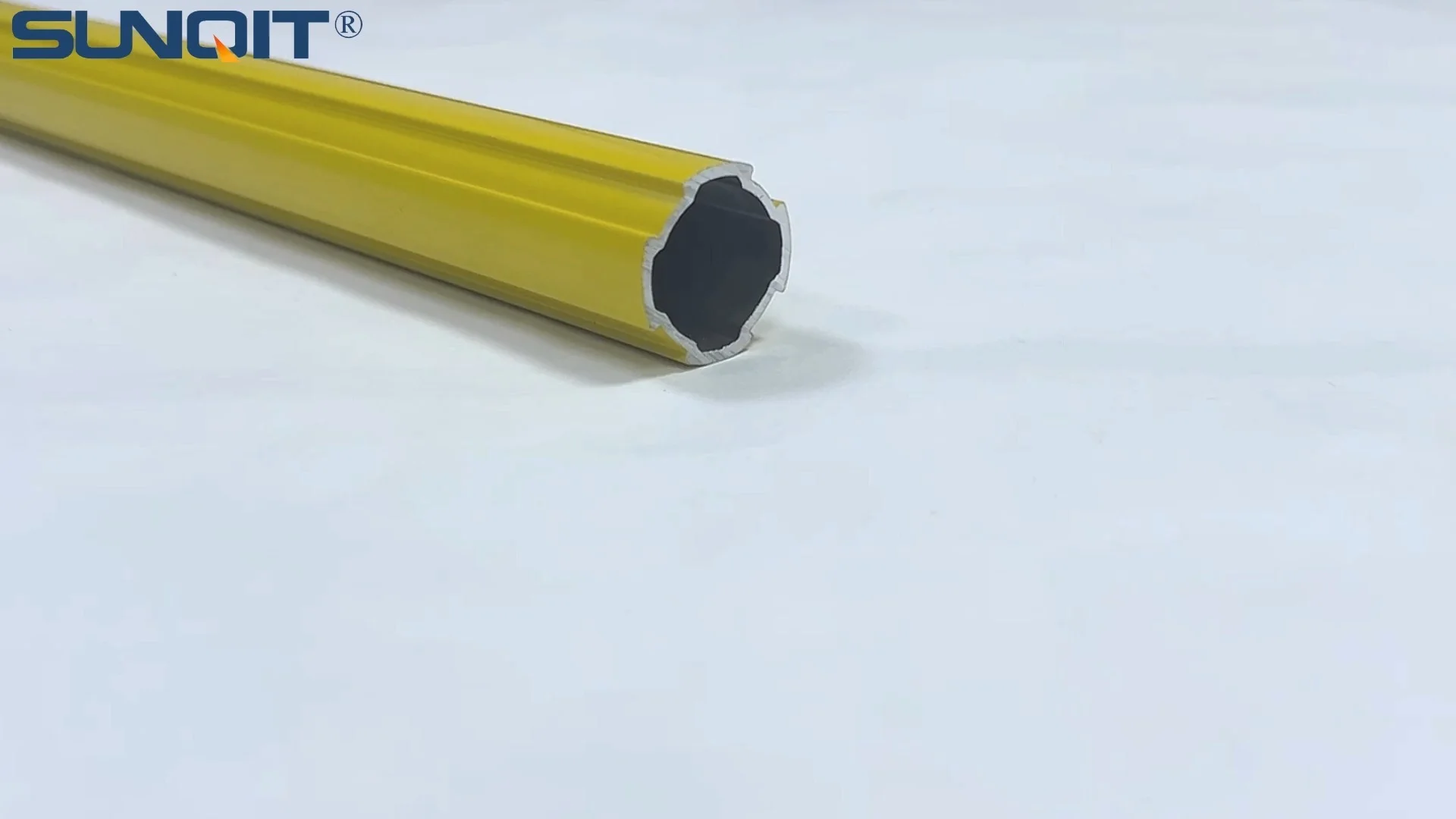
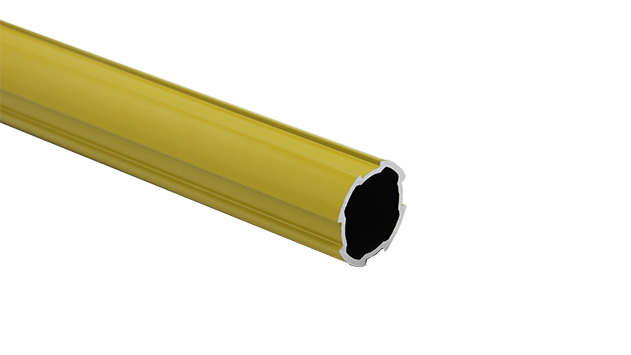
Aluminum pipe, it is used for workbench, flow rack,hand trolley assemble work with advantage of flexible and durable, yellow color makes it more attactive as a caution remind.
Walk into any busy manufacturing plant, coastal warehouse, or food processing facility, and you'll notice a silent battle unfolding—one between metal equipment and the relentless threat of moisture. Whether it's the high humidity of a summer day, daily washdowns with hoses, or the corrosive salt air near the ocean, wet environments are tough on industrial structures. Tools rust, workbenches corrode, and material racks weaken, leading to frequent replacements and unexpected downtime. But what if there was a material that could stand up to all this moisture without breaking a sweat? Enter T slot aluminum pipe—a unassuming yet powerful solution that's redefining durability in the wettest of workspaces. In this article, we'll dive into why T slot aluminum pipe is a game-changer for rust resistance, how it outperforms traditional materials, and how it can keep your operations running smoothly, even in the dampest conditions.
The Hidden Cost of Rust in Wet Environments
Rust—technically known as iron oxide—isn't just an eyesore. It's a structural menace. When metal containing iron is exposed to oxygen and moisture, a chemical reaction begins: iron atoms react with oxygen to form hydrated iron oxide, which flakes away, exposing fresh metal to repeat the process. Over time, this eats away at equipment, turning sturdy steel beams into brittle shells and smooth conveyor tracks into corroded obstacles. In wet environments, this process accelerates. A food processing plant that uses hot water to sanitize surfaces? Perfect for rust. A warehouse near the coast where salt-laden air settles on metal racks? Even worse. The result? Replacements every few years, safety risks from weakened structures, and a bottom line strained by constant repairs.
For decades, industries turned to stainless steel as a "rust-proof" alternative, but it's heavy, expensive, and still prone to pitting in highly acidic or salty conditions. Plastic might resist moisture, but it lacks the strength needed for heavy-duty applications. So, what's left? Aluminum—and more specifically, T slot aluminum pipe—has emerged as the unsung hero, offering a rare combination of strength, versatility, and natural resistance to rust that makes it ideal for wet environments.
Why T Slot Aluminum Pipe Beats Rust at Its Own Game
To understand why T slot aluminum pipe is so effective in wet environments, let's start with the basics: aluminum itself. Unlike steel, aluminum doesn't contain iron, which means it can't "rust" in the traditional sense. Instead, when exposed to oxygen, aluminum forms a thin, invisible layer of aluminum oxide (Al₂O₃) on its surface. This layer is not only non-corrosive but also self-healing—if scratched or damaged, it quickly reforms, acting as a permanent shield against moisture, salt, and chemicals. It's nature's own rust-proofing system, and it's built right into the material.
But T slot aluminum pipe takes this natural advantage a step further, thanks to how it's designed and manufactured. Most T slot aluminum pipes are made from aluminum extrusion profile—created by forcing heated aluminum through a die to form consistent, precise shapes with the signature T-shaped groove along their length. This extrusion process aligns the metal's grains, enhancing its strength and making the oxide layer even more uniform. Add in optional treatments like anodization (an electrolytic process that thickens the oxide layer) or powder coating, and you've got a material that's practically invincible to rust, even in the wettest conditions.
Then there's the T slot design itself. Unlike traditional pipes or tubes, T slot aluminum pipe features a continuous groove that allows for easy attachment of aluminum profile accessories—brackets, connectors, shelves, and more—without welding or drilling. This modularity isn't just convenient for assembly; it also reduces weak points where moisture might seep in. With no gaps from welding or screws that can trap water, T slot structures stay dry and corrosion-free, even when hosed down or exposed to rain.
How T Slot Aluminum Stacks Up Against Other Materials
Still not convinced that T slot aluminum pipe is the best choice for wet environments? Let's compare it head-to-head with common alternatives. The table below breaks down how aluminum extrusion profile holds up against steel, stainless steel, and plastic in key areas like rust resistance, cost, and maintenance:
| Material | Rust Resistance in Wet Environments | Weight (vs. Aluminum) | Upfront Cost | Long-Term Maintenance | Best For |
|---|---|---|---|---|---|
| T Slot Aluminum Pipe | Excellent (natural oxide layer + optional anodization) | Lightweight (1/3 the weight of steel) | Moderate (higher than steel, lower than stainless steel) | Minimal (occasional cleaning) | Food processing, coastal warehouses, washdown areas |
| Mild Steel | Poor (rusts quickly without paint/coating) | Heavy (3x aluminum's weight) | Low | High (frequent repainting, rust removal) | Dry indoor environments only |
| Stainless Steel | Good (but prone to pitting in salt/acid) | Heavy (2.5x aluminum's weight) | Very High (2-3x aluminum cost) | Moderate (occasional cleaning, avoids harsh chemicals) | Highly corrosive environments (but costly) |
| Plastic | Excellent (no rust) | Lightweight (similar to aluminum) | Moderate | Low (but prone to cracking/UV damage) | Light-duty, low-weight applications |
As the table shows, T slot aluminum pipe strikes a perfect balance: it offers rust resistance on par with stainless steel at a fraction of the cost, weighs less than both steel and stainless steel (making it easier to install and transport), and requires almost no maintenance. For businesses in wet environments, this translates to lower long-term costs, fewer replacements, and safer, more reliable equipment.

Real-World Applications: Where T Slot Aluminum Shines
Let's take a closer look at how T slot aluminum pipe is transforming operations in some of the wettest industries:
Case Study 1: Food Processing Plant Eliminates Rust-Related Downtime
A mid-sized food processing plant in Florida was struggling with constant rust on their steel workbenches and material racks. Daily washdowns with hot, soapy water left steel surfaces corroded within months, leading to frequent replacements and even contamination risks (rust flakes in food products). After switching to T slot aluminum pipe workbenches and aluminum profile accessories, the plant saw immediate results. Five years later, the aluminum structures still look brand-new, require only weekly wipe-downs, and have reduced maintenance costs by 65%. "We used to replace a workbench every 2 years," says the plant manager. "Now, we don't even think about rust—it's one less problem to worry about."
Case Study 2: Coastal Warehouse Stands Up to Salt Air
A logistics company operating a warehouse near the Gulf of Mexico faced a unique challenge: salt-laden air was corroding steel shelving and conveyor systems, even indoors. Within 18 months, steel racks would start to weaken, posing safety risks for workers. The company replaced all steel structures with T slot aluminum pipe and aluminum extrusion profile conveyor tracks. Today, three years later, the aluminum systems show no signs of corrosion. "We were skeptical at first—aluminum feels lighter, so we worried about strength," admits the warehouse supervisor. "But it's held up to pallets of heavy goods, rainstorms, and salt air. We'll never go back to steel."
These aren't isolated examples. From car washes (where high-pressure water jets drench equipment daily) to agricultural facilities (exposed to rain, fertilizer, and animal waste), T slot aluminum pipe is proving that it's not just rust-resistant—it's rust-repellent.

Maintenance Tips to Maximize Longevity
While T slot aluminum pipe is naturally resistant to rust, a little care can go a long way in extending its lifespan, especially in extremely wet or harsh environments. Here are some simple maintenance tips:
- Regular Cleaning: Wipe down aluminum surfaces with a mild soap and water solution to remove dirt, salt, or chemicals that might weaken the oxide layer. Avoid abrasive cleaners or steel wool, which can scratch the surface.
- Inspect Accessories: Check aluminum profile accessories (like brackets or connectors) for signs of wear. While the aluminum itself won't rust, accessories made from other materials (e.g., plastic or rubber) might degrade over time and need replacement.
- Anodization for Extra Protection: If your environment is particularly harsh (e.g., saltwater, acidic chemicals), consider anodized T slot aluminum pipe. Anodization thickens the oxide layer, making it even more resistant to corrosion.
- Drainage Matters: When designing T slot structures, ensure there are no standing water pools. Use sloped surfaces or drill small drainage holes in shelves to let water run off, preventing prolonged exposure.
Follow these steps, and your T slot aluminum system will last for decades—even in the wettest conditions.
The Future of Wet Environment Construction: T Slot Aluminum Leads the Way
As industries become more focused on sustainability and cost-efficiency, T slot aluminum pipe is poised to become the go-to material for wet environment construction. Its rust resistance, lightweight design, and modularity align with modern needs: less waste, fewer replacements, and safer workspaces. And with advancements in aluminum extrusion profile technology—like stronger alloys and more precise T slot designs—there's no limit to what can be built.
Whether you're building a workbench in a brewery, a conveyor system in a seafood processing plant, or a storage rack in a coastal warehouse, T slot aluminum pipe isn't just a material choice—it's an investment in longevity. It's the quiet solution that keeps operations running, workers safe, and rust where it belongs: in the past.