- Company Articles
- Products and Technology
- Product knowledge
- Anti-Slip Adjustable Leveling Feet: Custom Sizes for Specialized Workbenches

Anti-Slip Adjustable Leveling Feet: Custom Sizes for Specialized Workbenches
Related Product
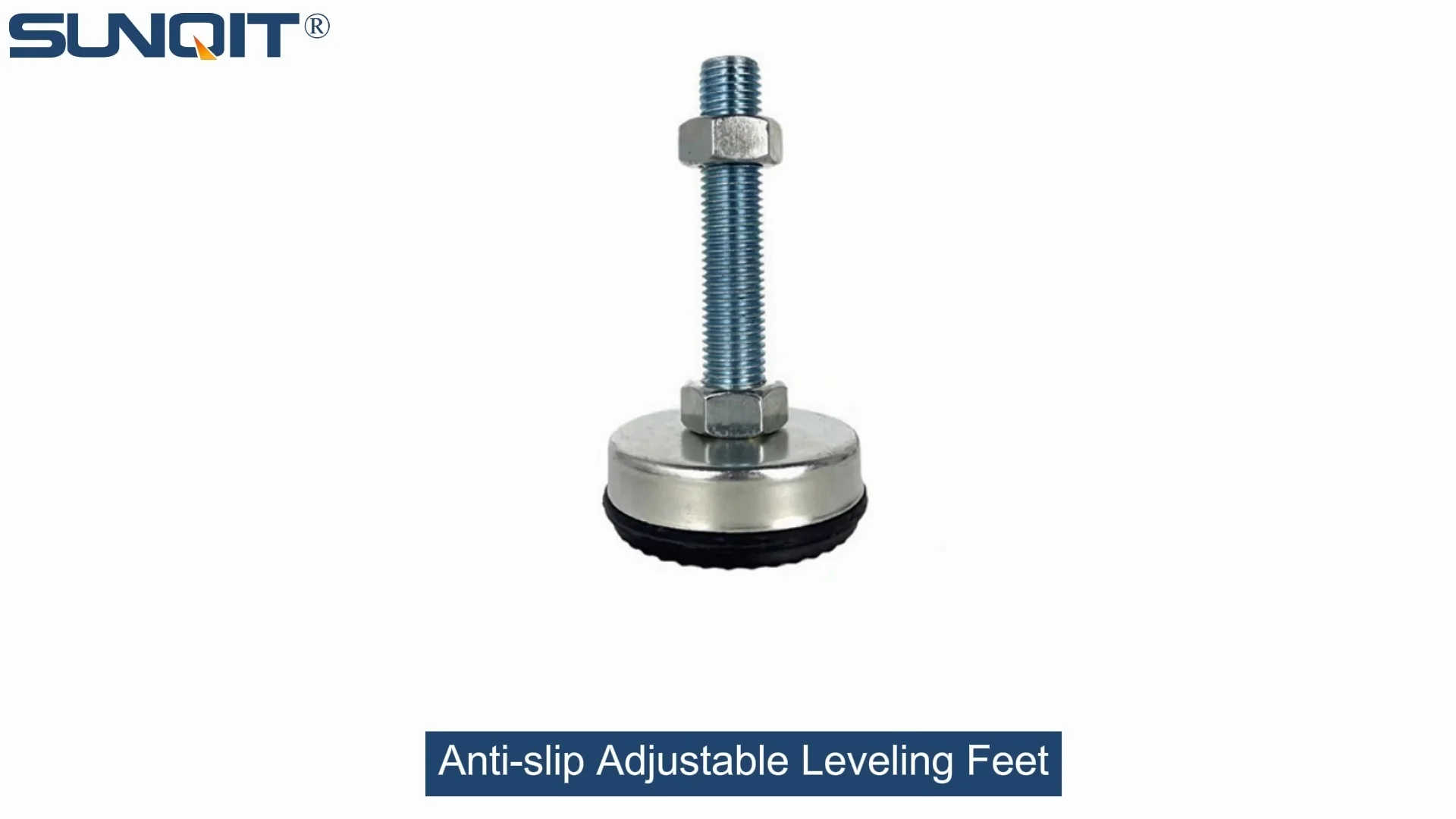
Anti-slip Adjustable Leveling Feet
Anti-slip Adjustable Leveling Feet are designed to keep machines level when placed on uneven or sloped ground, the rubber base will prevent product slip during work.
If you've ever spent time in a workshop, factory floor, or even a home garage, you know that a wobbly workbench isn't just an annoyance—it's a productivity killer. A slight shake as you tighten a bolt, a tool sliding off the edge because the surface isn't level, or worse, a sudden shift that throws off your entire project. These small frustrations add up, and over time, they chip away at efficiency, precision, and even safety. But what if there was a simple, often overlooked component that could fix all that? Enter anti-slip adjustable leveling feet—the unsung heroes of stable, reliable workspaces.
In this article, we're diving deep into these unassuming but critical tools. We'll explore why they matter, how they work, and why custom sizes are non-negotiable for specialized setups like lean pipe workbenches or aluminum profile workstations. Whether you're outfitting a high-tech manufacturing line or building a custom workbench for your hobby shop, understanding the role of anti-slip adjustable leveling feet will help you create a space that works with you, not against you.
Why Stability Matters More Than You Think
Let's start with the basics: Why does a stable workbench matter so much? It's easy to dismiss a little wobble as "no big deal," but in reality, instability can have ripple effects across your entire operation.
First, there's precision. If you're assembling electronics, measuring parts, or working with delicate materials, even a millimeter of movement can ruin hours of work. Imagine soldering a tiny component onto a circuit board—one sudden jolt, and the solder bleeds, shorting the entire board. Or cutting a piece of aluminum profile to exact specifications; if the workbench shifts mid-cut, you're left with a scrap piece and wasted time.
Then there's safety. A wobbly workbench is an accident waiting to happen. Tools slide off, heavy parts topple, and workers strain to compensate for uneven surfaces, leading to muscle fatigue or even falls. In industrial settings, OSHA reports that slips, trips, and falls are among the top causes of workplace injuries—and unstable equipment is a common contributing factor.
And let's not forget durability. Constant (shaking) puts stress on the workbench itself, loosening joints, bending frames, and shortening its lifespan. Over time, that "minor" wobble can turn a sturdy workbench into a rickety liability, forcing you to replace it sooner than necessary.
Real-World Impact: A Small Shop's Wake-Up Call
Take Maria, who runs a small custom woodworking shop. For years, she brushed off the slight wobble in her main workbench, blaming it on "old floors" or "cheap materials." Then, one day, she was sanding a high-end guitar body—an order worth thousands of dollars. As she leaned into the sander, the workbench shifted, leaving a deep scratch across the wood. The client rejected the piece, and Maria spent weeks redoing the work. After that, she invested in anti-slip adjustable leveling feet, and as she put it: "I should've done this years ago. It's not just about the guitar—I notice the difference in every project now. No more chasing tools, no more second-guessing measurements. It's like night and day."
What Are Anti-Slip Adjustable Leveling Feet, Anyway?
At first glance, anti-slip adjustable leveling feet might look like simple metal or plastic knobs screwed into the bottom of a workbench leg. And in a way, that's the beauty of them—they're designed to be uncomplicated, but their engineering is surprisingly thoughtful.
Let's break down the basics. A typical leveling foot has three main parts: a threaded stem, a base, and an anti-slip pad. The stem screws into a threaded hole in the workbench leg, allowing you to twist it up or down to adjust the height. The base is the part that touches the floor, and the anti-slip pad (usually made of rubber or a high-friction material) prevents the foot from sliding, even on smooth or slightly oily surfaces.
But not all leveling feet are created equal. Some are fixed-height, but "adjustable" is key here—floors are rarely perfectly level, especially in older buildings or industrial spaces with concrete that's settled over time. Adjustable feet let you fine-tune each leg independently, ensuring the workbench sits flat, no matter the surface.
The "anti-slip" part is just as crucial. Even if a workbench is level, if the feet slide when you lean on it or move heavy materials, you're back to square one. High-quality anti-slip pads grip the floor, turning a potentially hazardous setup into a rock-solid foundation.
Beyond the Basics: Heavy-Duty and Specialized Designs
While the core design is simple, leveling feet come in a range of styles to handle different needs. For example, heavy-duty models have thicker stems and larger bases to support hundreds or even thousands of pounds—essential for workbenches loaded with machinery or raw materials. Others are made with corrosion-resistant materials like stainless steel, ideal for damp environments or outdoor use.
Then there are specialized features, like locking nuts to keep the foot from unscrewing over time, or swivel bases that adjust to uneven floors automatically. But for most specialized workbenches—especially those built with lean pipe or aluminum profile—customization is where these feet truly shine.

Why "One Size Fits All" Doesn't Work for Specialized Workbenches
Walk into a hardware store, and you'll find generic leveling feet in a few standard sizes. They're cheap, easy to find, and work for basic setups—like a simple wooden workbench in a garage. But when you're dealing with specialized workbenches—think lean pipe workbenches in a manufacturing plant, aluminum profile workstations in a lab, or custom assembly lines—those generic feet fall short. Here's why:
1. Workbenches Come in All Shapes and Sizes
A lean pipe workbench, for example, is built using lightweight but sturdy steel or aluminum pipes and joints, allowing for endless configurations. One might be a low, wide table for assembly work, while another is a tall, narrow rack for storing parts. Each has legs of different lengths, diameters, and load capacities. A generic leveling foot might not fit the pipe's threading, or might not be tall enough to level a particularly short leg. Custom sizes let you match the foot to the workbench's unique dimensions.
2. Floor Conditions Vary Wildly
The floor in a food processing plant is smooth and often wet, requiring extra-large anti-slip pads. A warehouse with cracked concrete might need feet with longer stems to compensate for deep dips. Even within the same facility, one area might have perfectly level floors, while another—near a loading dock, say—slopes slightly. Custom height ranges let you adjust each foot to the specific conditions of its location, ensuring the entire workbench stays level.
3. Load Requirements Are Unique
A small aluminum profile workbench in a tech lab might hold a few lightweight tools, while a lean pipe workbench in an automotive shop could support an engine block. The leveling feet for the latter need to handle far more weight, which means thicker stems, stronger materials, and larger bases to distribute the load. Using a generic foot here isn't just ineffective—it's dangerous. A foot that bends or breaks under heavy load could cause the workbench to collapse, risking injury and damage.
4. Integration with Existing Systems
Many specialized workbenches are part of larger systems, like conveyor belts or material racks. For example, a workbench might need to align perfectly with a roller track to ensure parts slide smoothly from one station to the next. If the leveling feet are too tall or too short, the entire line gets misaligned, leading to jams, slowdowns, and frustrated workers. Custom sizes let you dial in the height precisely, keeping the entire system in sync.
Case Study: Automotive Plant Solves Alignment Issues with Custom Feet
A mid-sized automotive parts manufacturer was struggling with their assembly line. They'd recently installed new lean pipe workbenches next to a roller track conveyor, but parts kept getting stuck as they moved from the bench to the track. The team checked the conveyor, tightened the workbench joints, and even replaced the rollers—nothing worked. Finally, a technician noticed the workbench legs were sitting on generic leveling feet that were slightly too short, causing the bench to sit lower than the track. By switching to custom-height anti-slip adjustable leveling feet, they raised the bench by 1/4 inch—exactly enough to align with the conveyor. The result? No more jams, and production speed increased by 15%.

Key Features to Look for in Custom Anti-Slip Adjustable Leveling Feet
So, you've decided to invest in custom leveling feet for your specialized workbench. What should you look for? Here are the critical features that separate a good foot from a great one:
Adjustment Range
This is the total distance the foot can extend or retract. For most workbenches, a range of 1–3 inches is standard, but if you're dealing with very uneven floors, you might need more. Custom feet can be designed with longer stems to give you the flexibility to level even the most challenging surfaces.
Load Capacity
Always check the maximum weight the foot can support. This is usually listed in pounds or kilograms. Remember: The total load of the workbench plus its contents should be divided by the number of feet. For example, a 1,000-pound workbench with four feet needs feet rated for at least 250 pounds each (though it's smart to add a safety margin).
Anti-Slip Material
Not all rubber is created equal. Look for pads made from high-quality, oil-resistant rubber or thermoplastic elastomers (TPE). These materials maintain their grip even in dirty or greasy environments—common in manufacturing settings. Some feet even have textured pads for extra traction.
Thread Size and Compatibility
The stem of the leveling foot must match the threading in your workbench legs. Lean pipe workbenches often use metric threads, while aluminum profiles might have imperial sizes. Custom feet can be made with any thread size—M8, M10, 1/2-inch, etc.—ensuring a snug, secure fit that won't strip or loosen over time.
Durability
The stem and base should be made from strong materials like carbon steel (for heavy loads), stainless steel (for corrosion resistance), or aluminum (for lightweight setups). Avoid cheap plastic stems—they're prone to bending or breaking under stress.
Locking Mechanism
A locking nut or jam nut prevents the foot from unscrewing due to vibration. This is especially important in busy workshops where machinery or constant movement can shake the workbench. Look for feet with integrated locking nuts or the option to add one.

Custom Sizes in Action: Applications for Specialized Workbenches
To truly understand the value of custom anti-slip adjustable leveling feet, let's look at how they're used in three common specialized workbench setups:
1. Lean Pipe Workbenches in Electronics Manufacturing
Lean pipe workbenches are a staple in electronics assembly lines. They're lightweight, easy to reconfigure, and designed to minimize waste—key principles of lean manufacturing. But electronics assembly requires extreme precision: think placing tiny microchips or soldering delicate wires. Even the smallest wobble can ruin a circuit board.
In this setting, custom leveling feet are critical. The workbenches are often low to the ground (to reduce worker fatigue) and loaded with static-sensitive equipment, so anti-slip pads must also be ESD (electrostatic discharge) safe to prevent damage to components. Custom feet here might have a shorter adjustment range (1–2 inches) but a high load capacity to support tools like oscilloscopes or soldering stations. The stems are threaded to fit the lean pipe legs perfectly, and the bases are wide enough to distribute weight without scratching the factory's epoxy floors.
2. Aluminum Profile Workstations in Medical Labs
Aluminum profile workbenches are popular in medical and pharmaceutical labs because they're easy to clean, resistant to chemicals, and highly customizable. Labs often have strict requirements for workflow—benches must align with fume hoods, sinks, or testing equipment, and they need to be perfectly level to ensure accurate measurements (like in pipetting or sample preparation).
Custom leveling feet for aluminum profile workbenches might have a narrow stem to fit the profile's T-slots, and a swivel base to adjust to slight floor unevenness in older lab buildings. The anti-slip pads are often made from FDA-approved materials to meet hygiene standards, and the feet are corrosion-resistant to stand up to frequent cleaning with disinfectants. Some even have height markers on the stem, so technicians can quickly reset the bench to a specific level after reconfiguration.
3. Heavy-Duty Workbenches in Metal Fabrication
In metal shops, workbenches take a beating. They're used to cut, grind, weld, and assemble heavy metal parts, often weighing hundreds of pounds. Here, leveling feet need to be industrial-strength: thick steel stems, large bases (up to 6 inches in diameter), and a high load capacity (1,000+ pounds per foot). The anti-slip pads must grip concrete floors, even when covered in oil or metal shavings.
Custom feet here might have an extra-long adjustment range (3–4 inches) to compensate for cracked or sloped floors in old factories. Some even have a hexagonal base, so workers can use a wrench to adjust them when the feet are under heavy load. The threads are coarse and deep, ensuring they don't strip when tightened down hard.
How Custom Leveling Feet Are Made: From Design to Delivery
You might be wondering: How do suppliers create custom anti-slip adjustable leveling feet? It's not magic—just careful engineering and manufacturing. Here's a simplified look at the process:
1. Consultation and Requirements Gathering
It starts with you. A good supplier will ask detailed questions: What type of workbench are you building (lean pipe, aluminum profile, etc.)? What's the total load? What's the floor like (concrete, tile, epoxy)? Do you need ESD protection or chemical resistance? What's the maximum adjustment range you need? This info helps them design a foot that fits your exact needs.
2. Design and Prototyping
Using CAD software, the supplier designs the foot—choosing materials, stem length, thread size, base diameter, and pad material. They might create a 3D-printed prototype to test fit and function, ensuring the foot screws into your workbench legs and adjusts smoothly.
3. Material Selection and Manufacturing
Once the design is finalized, materials are chosen. For heavy-duty feet, it might be carbon steel with a zinc plating for rust resistance. For labs, aluminum with an anodized finish. The anti-slip pad is molded from rubber or TPE, and the stem is threaded using precision machinery to ensure a perfect fit. The parts are then assembled—stem, base, and pad—and tested for load capacity and slip resistance.
4. Quality Control and Delivery
Each batch of custom feet undergoes testing: They're loaded to maximum capacity to check for bending, the threads are inspected for tightness, and the anti-slip pads are tested on different floor surfaces. Only after passing these checks are they shipped to you, ready to turn your wobbly workbench into a stable, productive workspace.
Choosing the Right Supplier for Custom Leveling Feet
Not all suppliers are equipped to handle custom orders. To ensure you get high-quality, reliable feet, look for these qualities:
- Experience with Specialized Workbenches: A supplier who understands lean pipe, aluminum profile, or ESD workbenches will ask the right questions and avoid common pitfalls.
- Customization Flexibility: Can they adjust stem length, thread size, base material, and pad type? The more options, the better.
- Quality Certifications: Look for ISO 9001 certification or compliance with industry standards (like ESD for electronics, FDA for labs).
- Fast Turnaround: Custom doesn't have to mean slow. A good supplier can deliver prototypes in a week or two and full orders in 3–4 weeks.
- Technical Support: They should help you calculate load capacity, choose materials, and troubleshoot installation issues.
The Bottom Line: Invest in Stability, Reap the Rewards
Anti-slip adjustable leveling feet might not be the most glamorous part of your workshop or factory, but they're one of the best investments you can make. By choosing custom sizes tailored to your specialized workbench—whether it's a lean pipe setup, aluminum profile workstation, or heavy-duty fabrication table—you're not just fixing a wobble. You're improving precision, boosting safety, extending the life of your equipment, and creating a workspace that lets you and your team do your best work.
So the next time you're planning a workbench upgrade, don't overlook these small but mighty components. Talk to a supplier who specializes in custom solutions, share your unique needs, and see how a set of well-designed leveling feet can transform your workspace from frustrating to functional. Your projects, your team, and your bottom line will thank you.
Custom Anti-Slip Adjustable Leveling Feet: Common Sizes and Specifications
| Workbench Type | Adjustment Range (Inches) | Load Capacity (Per Foot) | Stem Thread Size | Base Diameter (Inches) | Anti-Slip Pad Material |
|---|---|---|---|---|---|
| Lean Pipe (Electronics Assembly) | 1–2 | 300 lbs | M10 x 1.5 | 2.5 | ESD Rubber |
| Aluminum Profile (Lab) | 1.5–3 | 250 lbs | 1/2"-13 UNC | 2 | FDA-Approved TPE |
| Heavy-Duty Metal Fabrication | 2–4 | 1,000 lbs | M16 x 2.0 | 6 | Oil-Resistant Rubber |
| Woodworking (Custom) | 1–3 | 500 lbs | 3/4"-10 UNC | 4 | Textured Rubber |
*Note: These are common examples. Custom sizes can be adjusted to fit your specific needs.