- Company Articles
- Products and Technology
- Product knowledge
- Anti-Slip Adjustable Leveling Feet for Automated Production Lines: Stability

Anti-Slip Adjustable Leveling Feet for Automated Production Lines: Stability
Related Product
Anti-slip Adjustable Leveling Feet
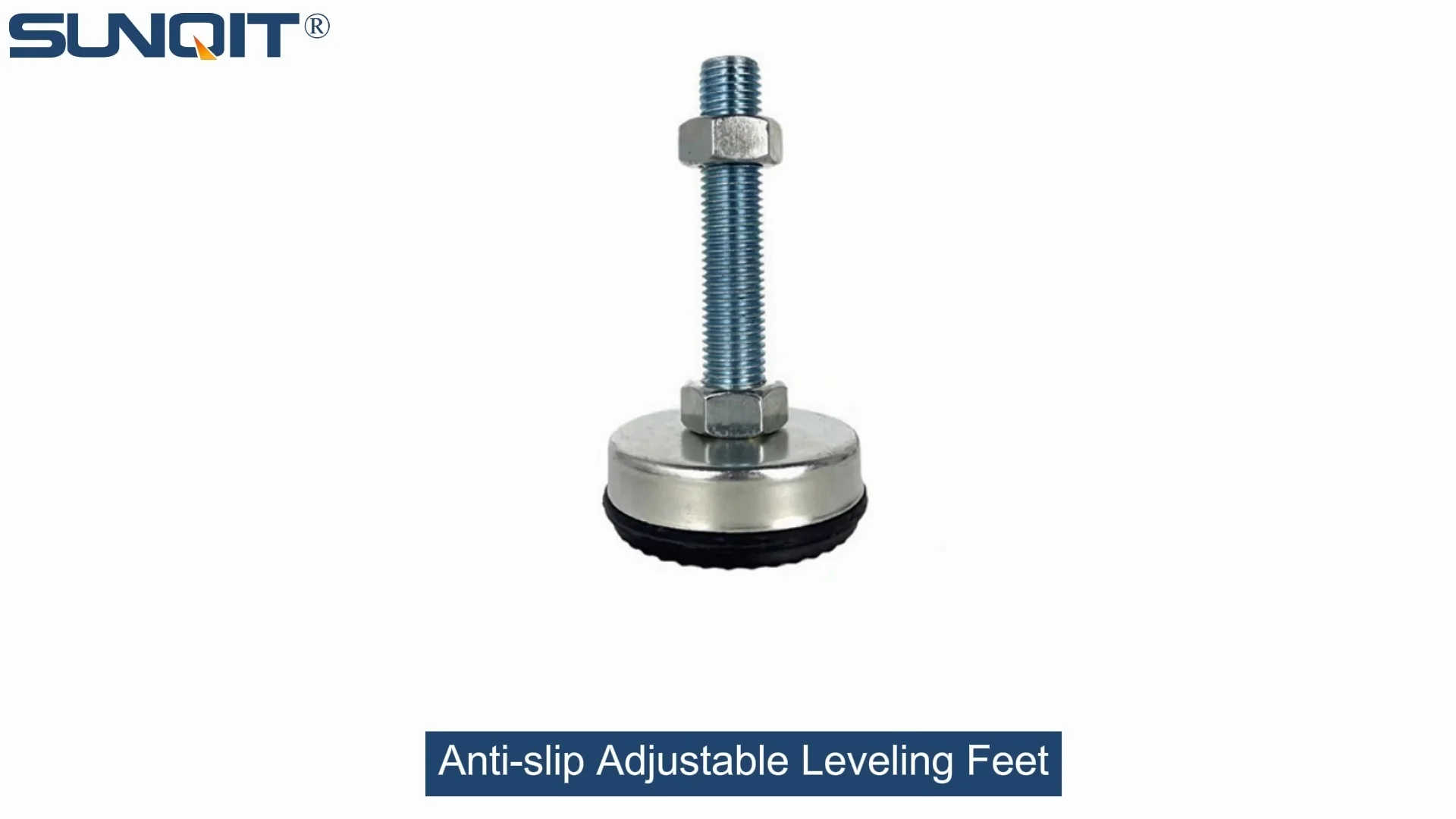
Anti-slip Adjustable Leveling Feet are designed to keep machines level when placed on uneven or sloped ground, the rubber base will prevent product slip during work.
Walk into any modern factory, and you'll witness a carefully choreographed dance of machinery and manpower. Robotic arms glide with precision, conveyor belts hum as they transport components, and workers at workbenches assemble intricate parts with steady hands. Every element of this dance relies on one unspoken rule: stability. A single wobble, a tiny shift, or a momentary slip can throw the entire rhythm off—leading to misaligned parts, wasted materials, or even safety hazards. Yet, amid all the high-tech equipment, there's one unsung hero quietly holding it all together: anti-slip adjustable leveling feet. These small but mighty components are the foundation of a smooth-running production line, and today, we're diving deep into why they matter, how they work, and why they're non-negotiable for any lean system aiming for excellence.
What Are Anti-Slip Adjustable Leveling Feet, Anyway?
Let's start with the basics. Anti-slip adjustable leveling feet are exactly what their name suggests: specialized components designed to support heavy equipment, adjust its height to compensate for uneven floors, and prevent slipping or shifting during operation. Think of them as the "feet" of your production line's furniture—workbenches, flow racks, material carts, and even conveyor systems all rely on these small but critical parts to stay grounded.
Unlike fixed feet, which are rigid and unchanging, adjustable leveling feet come with a threaded stem that allows you to twist them up or down. This means if your factory floor has a slight dip (and let's be real, most do—years of heavy machinery traffic take a toll), you can tweak the feet to level out the equipment. The "anti-slip" part? That's usually a rubber or polyurethane base with a textured surface, designed to grip the floor like a shoe with good tread, even when vibrations or sudden movements try to dislodge the equipment.
Why Stability Isn't Just "Nice to Have"—It's Essential
You might be thinking, "Do I really need to overthink something as simple as feet for my workbench?" The short answer: yes. In automated production, where precision is measured in millimeters and deadlines are tight, stability isn't a luxury—it's the backbone of efficiency and quality.
Let's break down the risks of instability. Imagine a workbench where an operator is assembling small electronic components. If the bench wobbles even slightly, their hands might shake, leading to misaligned solder joints or damaged parts. Over time, those small errors add up to defective products, wasted materials, and frustrated workers. Now, consider a flow rack loaded with plastic parts. If the rack isn't level, gravity can't do its job properly—parts might get stuck mid-roll, causing backups that bring the entire line to a halt. And in worst-case scenarios, unstable equipment can tip over, putting workers at risk of injury.
Stability also impacts equipment longevity. A machine that's constantly vibrating or shifting puts extra stress on its internal components, leading to premature wear and tear. That means more maintenance, more downtime, and higher costs—exactly the opposite of what a lean system aims to achieve.

What Makes a Great Anti-Slip Adjustable Leveling Foot? Key Features to Look For
Not all leveling feet are created equal. To truly support your production line, you need feet that check several boxes. Let's walk through the must-have features:
1. Precision Adjustability
The best adjustable feet let you fine-tune the height with ease. Look for a threaded stem with clear increments—some even come with a hex nut or wrench slot for tool-assisted adjustments, which is a game-changer when dealing with heavy equipment. A good rule of thumb: aim for a height adjustment range of at least 10-50mm. This ensures you can compensate for most floor irregularities without compromising stability.
2. Superior Anti-Slip Grip
The anti-slip base is where the magic happens. Rubber or polyurethane bases are ideal because they're flexible enough to conform to minor floor imperfections, creating a larger contact area and better grip. Textured surfaces, like small grooves or bumps, add extra friction—critical in environments where floors might be oily or dusty (hello, manufacturing plants!). Avoid hard plastic bases; they might save a few dollars upfront but will slip at the worst possible moment.
3. Durable Materials
Production floors are tough places. Feet need to withstand heavy loads (we're talking hundreds or even thousands of pounds), exposure to chemicals, and constant foot traffic. Stainless steel stems are a top choice here—they resist rust and corrosion, even in humid or damp environments. For the base, reinforced rubber or industrial-grade polyurethane stands up to wear and tear better than cheaper plastics. If you're using aluminum profile frames (a common choice for lightweight yet sturdy workbenches), look for feet designed to attach seamlessly to T-slot profiles—this ensures a secure, wobble-free connection.
4. Load Capacity That Matches Your Needs
Never skimp on load capacity. A foot rated for 200kg might seem like overkill for a small workbench, but remember: equipment gets loaded with tools, materials, and sometimes even workers leaning on it. Always check the manufacturer's load rating and aim for a buffer—if your workbench holds 500kg, choose feet rated for at least 600kg to be safe. Overloading feet is a quick path to instability and failure.

Anti-Slip Adjustable Leveling Feet: The Quiet Champions of Lean Systems
Lean systems are all about eliminating waste—whether that's wasted time, materials, or effort. So where do leveling feet fit into this philosophy? Let's count the ways:
First, they reduce rework. When equipment is stable, parts are assembled correctly the first time, cutting down on defective products and the need to redo work. Second, they minimize downtime. A flow rack that stays level won't jam, and a workbench that doesn't wobble won't require frequent stops to readjust tools or fix misalignments. Third, they extend equipment life, reducing the need for costly replacements. In short, leveling feet are the kind of low-cost, high-impact investment that lean systems thrive on—small changes that lead to big gains in efficiency.
But their role in lean systems goes beyond just "reducing waste." They also support flexibility. Modern production lines need to adapt quickly—reconfiguring workbenches for new products, moving flow racks to optimize material flow, or adjusting conveyor heights to match new machinery. Adjustable feet make this flexibility possible. Need to raise a workbench by 5cm to accommodate a taller worker? Twist the feet. Moving a flow rack to a new spot with a uneven floor? Level it out in minutes. This adaptability is key to keeping your lean system agile and responsive to change.

Where Do These Feet Actually Get Used? Real-World Applications
Anti-slip adjustable leveling feet aren't just for one type of equipment—they're everywhere on the production floor. Let's take a tour of the most common spots you'll find them:
Workbenches: The Heart of Assembly
Whether it's a simple single-deck workbench (like the Workbench E, without casters) or a heavy-duty station with storage shelves, workbenches are ground zero for precision work. From electronics assembly to mechanical repairs, workers rely on a steady surface to focus. Anti-slip adjustable feet ensure the bench stays put, even when tools are dropped or parts are moved around. Plus, if multiple workbenches are lined up in a row, adjustable feet let you align their heights perfectly, creating a seamless workflow.
Flow Racks: Keeping Materials Moving
Flow racks are the unsung heroes of material handling, using gravity to feed parts to assembly stations. But gravity only works if the rack is level. A slight tilt to one side can slow down part flow; a bigger tilt can cause jams. Anti-slip feet let you adjust the rack's angle with precision, ensuring parts glide smoothly from the loading end to the picking end. And because flow racks can get heavy when fully loaded, the anti-slip base prevents them from shifting under the weight—critical for avoiding spills or damage.
Conveyor Systems: The Backbone of Production Flow
Conveyors move products and parts across the factory, and even a small dip or bump in the system can cause jams or damage delicate items. Adjustable feet are used to level conveyor frames, ensuring the belt runs straight and steady. They're especially important for roller conveyors, where unevenness can cause items to get stuck between rollers. In this case, the feet work hand-in-hand with roller track components to keep the entire system aligned.
Turnover Trolleys and Material Carts
Even mobile equipment needs stability when it's parked. Turnover trolleys and material carts often come with both caster wheels (for mobility) and leveling feet (for stability when loading/unloading). When you're ready to use the cart, you lower the feet to lock it in place, preventing it from rolling away while workers load heavy boxes or parts. This combination of caster wheels and leveling feet is a classic example of lean design—maximizing both mobility and stability.
Not All Feet Are Created Equal: A Quick Comparison
Still not sure if anti-slip adjustable feet are right for you? Let's compare them to other common options:
| Feature | Fixed Non-Slip Feet | Standard Adjustable Feet (No Anti-Slip) | Anti-Slip Adjustable Leveling Feet |
|---|---|---|---|
| Height Adjustment | None—fixed height | Yes, but no anti-slip grip | Yes, with anti-slip base |
| Slip Resistance | Good, but can't adjust for uneven floors | Poor—risk of sliding on smooth floors | Excellent—grips even on oily/dusty surfaces |
| Best For | Light, stationary equipment on perfectly level floors | Light equipment where slip risk is low | Heavy, precision equipment; uneven floors; high-traffic areas |
| Lean System Fit | Limited—no flexibility for reconfiguration | Better, but slip risk causes waste | Ideal—flexible, stable, and waste-reducing |
Materials Matter: Choosing the Right Feet for Your Environment
The best leveling feet for your facility depend on your specific conditions. Let's break down the most common materials and when to use them:
Stainless Steel Stems
Perfect for humid or corrosive environments (like food processing or pharmaceutical plants). Stainless steel resists rust and stands up to frequent cleaning with harsh chemicals.
Aluminum Stems
Lightweight and corrosion-resistant, aluminum stems are a great choice for portable equipment (like mobile workbenches) where weight matters. They pair well with aluminum profile frames, creating a cohesive, lightweight setup.
Rubber Bases
Best for general-purpose use. Rubber provides excellent grip on most floor types and dampens vibrations, which is a bonus for precision equipment. Look for nitrile rubber if you need oil resistance.
Polyurethane Bases
More durable than rubber, polyurethane bases handle heavy loads better and resist wear from rough floors. They're a top pick for high-traffic areas or equipment that's moved frequently (but still needs stability when parked).
Installation and Maintenance: Keeping Your Feet (and Equipment) Happy
Even the best leveling feet won't work if they're installed wrong. Here's how to get it right:
Installation Tips
First, clean the floor. Dirt, oil, or debris under the feet can reduce grip and cause instability. Next, position the feet correctly—most equipment has designated mounting points, and feet should be placed at the corners for maximum stability. Tighten the stems securely, but don't over-tighten—you still need to be able to adjust them later. Finally, use a level to check the equipment after installation. Adjust each foot as needed until the bubble is centered, and double-check that all feet are making even contact with the floor.
Maintenance Musts
Leveling feet are low-maintenance, but they're not "set it and forget it." Inspect them monthly for signs of wear: cracks in the rubber base, bent stems, or loose threads. Clean the bases regularly to remove dirt or oil that might reduce grip. If you move the equipment, re-level it in the new location—floors can vary even within the same room. And if a foot is damaged, replace it immediately—don't wait for it to fail completely.
Real-World Impact: How These Feet Transform Production Lines
Let's put this all into perspective with a quick example. Imagine a small electronics manufacturer with a line of workbenches assembling circuit boards. The team was struggling with a 5% defect rate—parts were often misaligned, and workers complained about the benches "shaking" when they used power tools. After inspecting the line, the plant manager noticed the floors were slightly uneven, and the benches had old, fixed plastic feet that slipped when tools were dropped.
The solution? Upgrading to anti-slip adjustable leveling feet. Within a week, the defect rate dropped to 1%, and workers reported feeling more confident in their work. The plant saved thousands of dollars in rework and reduced downtime by 10 hours per week. All from a simple change to the "feet" of their workbenches.
This isn't an isolated case. Factories across industries—automotive, aerospace, medical devices—have seen similar results. When you stabilize the foundation, everything built on top runs smoother.
Choosing the Right Supplier: What to Look For
Not all suppliers are created equal, either. When shopping for anti-slip adjustable leveling feet, keep these tips in mind:
First, look for a supplier with experience in lean systems. They'll understand your need for durability, flexibility, and waste reduction. Second, ask about customization options—can they adjust the stem length or base material to fit your specific equipment? Third, check for quality certifications (like ISO 9001) to ensure consistent manufacturing standards. Finally, read reviews or ask for references—you want a supplier who delivers on time and stands behind their products.
And don't forget to consider compatibility with your existing setup. If you're using aluminum profile workbenches or flow racks, for example, a supplier that also offers aluminum profile accessories (like brackets or connectors) can ensure everything works together seamlessly.
Stability Starts at the Bottom: Why Anti-Slip Adjustable Leveling Feet Are Non-Negotiable
At the end of the day, production lines are only as strong as their weakest link. Anti-slip adjustable leveling feet might not be the most glamorous part of your setup, but they're undeniably critical. They keep your equipment stable, your workers safe, and your lean system running at peak efficiency. Whether you're assembling tiny circuit boards or building heavy machinery, these small but mighty components are the foundation of a production line that delivers quality, consistency, and results.
So the next time you walk through your factory, take a moment to look down. Those quiet, unassuming feet under your workbenches and flow racks? They're not just parts—they're the reason your entire operation stays on track. And that's a foundation worth investing in.