- Company Articles
- Products and Technology
- Product knowledge
- Anti-Slip Adjustable Leveling Feet for Heavy-Duty Material Racks

Anti-Slip Adjustable Leveling Feet for Heavy-Duty Material Racks
Related Product
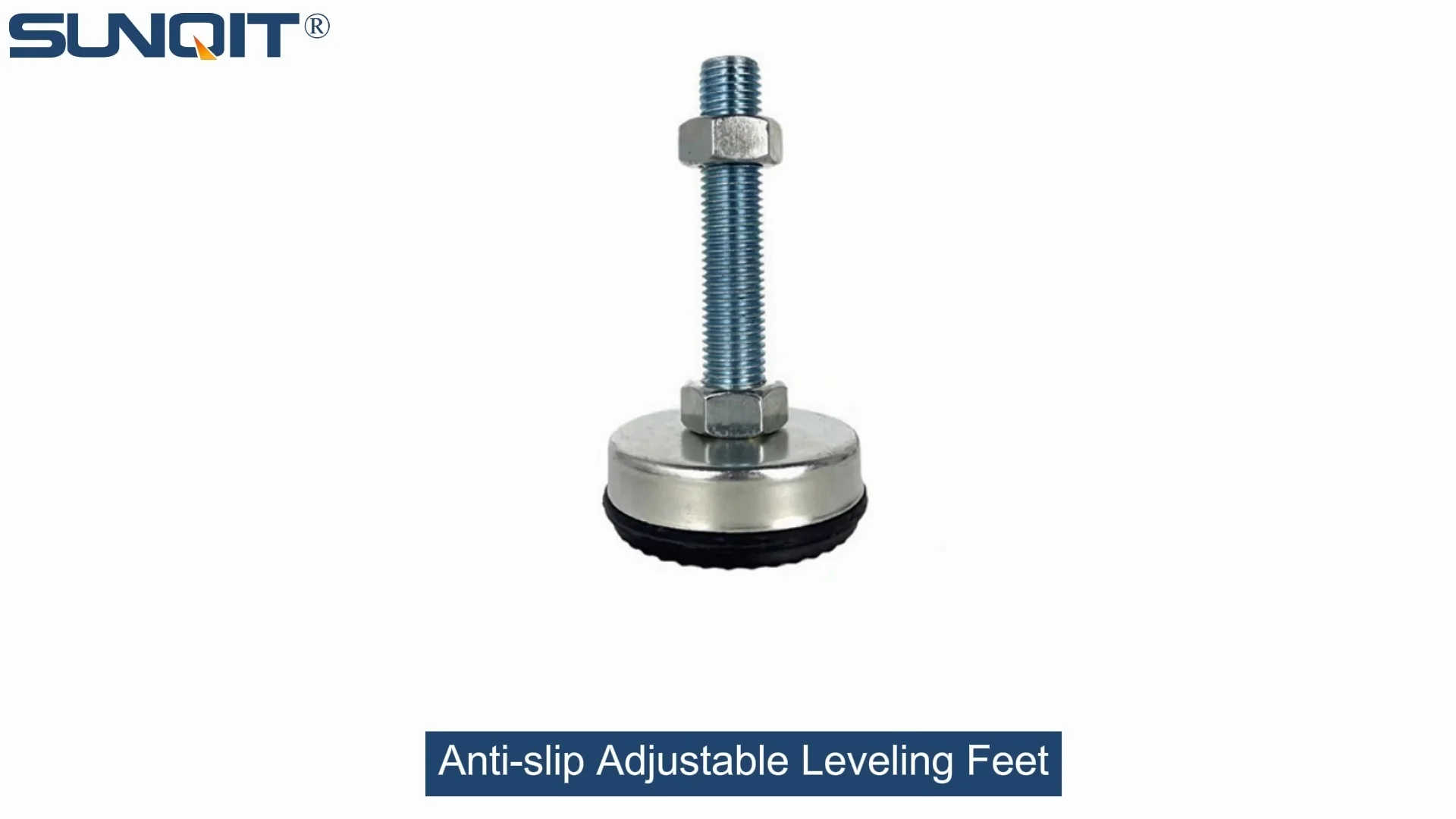
Anti-slip Adjustable Leveling Feet
Anti-slip Adjustable Leveling Feet are designed to keep machines level when placed on uneven or sloped ground, the rubber base will prevent product slip during work.
Walk into any busy warehouse, manufacturing plant, or distribution center, and you'll likely be surrounded by towering material racks—silent workhorses that keep operations running smoothly. These structures hold everything from raw materials to finished products, often weighing hundreds or even thousands of pounds. But here's the thing: even the sturdiest rack is only as reliable as its foundation. Uneven floors, minor dips, or loose connections can turn a stable storage system into a ticking time bomb, risking damaged inventory, workplace accidents, and costly downtime. That's where anti-slip adjustable leveling feet come in. These unassuming components are the unsung heroes that keep heavy-duty material racks grounded, stable, and safe—especially critical for high-capacity systems like the material rack b (3 row and 3 floor), a staple in facilities needing to maximize vertical storage space.
What Are Anti-Slip Adjustable Leveling Feet, Anyway?
At their core, anti-slip adjustable leveling feet are engineered to solve two big problems: uneven surfaces and slippage. Think of them as the "shock absorbers" between a material rack and the floor. They typically consist of a few key parts: a sturdy base (often with an anti-slip pad), a threaded stem that screws into the rack's legs, and an adjustment mechanism (like a nut or a rotating base) that lets you tweak the height. The anti-slip element—usually a rubber, polyurethane, or thermoplastic pad—grips the floor to prevent the rack from sliding, even under heavy loads or vibrations from nearby machinery.
But why "adjustable"? Floors in industrial spaces are rarely perfectly level. A warehouse might have minor cracks, settled concrete, or even slight slopes from drainage design. Fixed feet would leave the rack wobbling, putting stress on joints and increasing the risk of tipping. Adjustable feet let you fine-tune each leg's height, ensuring the rack sits perfectly level, no matter the floor's imperfections. And the "anti-slip" feature? It's not just about stability—it's about safety. A rack that slides even an inch can throw off inventory alignment, damage goods, or, in worst cases, topple over. For racks like the material rack b (3 row and 3 floor), which can hold multiple tiers of heavy items, this stability is non-negotiable.
Why Heavy-Duty Matters: The Stakes for Material Racks
When we talk about "heavy-duty" anti-slip adjustable leveling feet, we're not exaggerating. Material racks, especially multi-tiered ones like the material rack b (3 row and 3 floor), are designed to handle serious weight. Imagine stacking pallets of metal parts, boxes of electronics, or bulk raw materials—each shelf could hold hundreds of pounds, and with three rows and three floors, the total load can easily climb into the tons. Standard leveling feet might buckle under that pressure, leading to bent stems, cracked bases, or stripped threads. Heavy-duty models, though, are built with reinforced materials (think high-grade steel or aluminum), thicker stems, and larger bases to distribute weight evenly. They're tested to withstand static loads of 1,000 pounds or more per foot—critical for ensuring the rack doesn't sink into the floor or collapse under stress.
Another factor is durability. Industrial environments are tough: moisture, oil, chemicals, and constant foot traffic can take a toll on equipment. Heavy-duty leveling feet often feature corrosion-resistant coatings (like zinc plating or powder coating) to stand up to these conditions. The anti-slip pads are also chosen for longevity—rubber compounds that resist wear, or polyurethane that maintains grip even when exposed to oils or cleaning agents. When you're investing in a material rack b (3 row and 3 floor), you want it to last for years; skimping on the feet could mean replacing the entire system prematurely.

The Benefits: More Than Just Stability
Stability is the star here, but anti-slip adjustable leveling feet bring a host of other perks to the table—ones that add up to better efficiency, lower costs, and a safer workplace.
Safety First, Always: The most obvious benefit is preventing accidents. A level, non-slip rack is far less likely to tip, even if bumped by a forklift or jostled during loading. This protects workers from injury and keeps inventory intact. For facilities storing fragile or hazardous materials, this isn't just a nicety—it's a compliance requirement.
Load Distribution Done Right: Uneven racks put extra stress on certain legs, leading to bent frames or cracked welds over time. By adjusting each foot to bear equal weight, leveling feet ensure the rack's structure is evenly loaded, extending its lifespan. This is especially important for multi-tier racks like the material rack b (3 row and 3 floor), where uneven weight distribution could cause upper shelves to sag or pull the rack off balance.
Floor Protection: Hard, unyielding rack legs can scratch or dent concrete floors, especially when moved or adjusted. The soft, grippy pads on anti-slip feet act as a buffer, preventing damage. This is a small detail that saves big on floor repair costs down the line.
Adaptability to Any Space: Whether your warehouse floor has a ¼-inch dip near the loading dock or a slight slope in the back corner, adjustable feet let you set up racks anywhere. No need to avoid "problem areas" or invest in expensive floor leveling—just tweak the feet and you're good to go.
Easy Maintenance: Over time, floors settle, or racks might shift slightly. Adjustable feet make realigning the rack a breeze—no need for tools or heavy lifting. Just twist the adjustment nut, check with a level, and you're back to stable storage.

Key Features to Look For in Heavy-Duty Models
Not all anti-slip adjustable leveling feet are created equal. When shopping for a material rack b (3 row and 3 floor) or any heavy-duty system, keep an eye out for these must-have features:
Load Capacity: This is non-negotiable. Check the manufacturer's specs for the maximum weight each foot can support. For a 3-row, 3-floor rack, aim for feet rated for at least 1,500–2,000 pounds per unit—more if you're storing particularly heavy items like metal parts or machinery.
Anti-Slip Pad Material: Rubber is a classic choice for grip, but polyurethane offers better resistance to oils, chemicals, and temperature extremes. Look for pads with a textured surface (like grooves or treads) to enhance traction on smooth floors.
Adjustment Range: How much height can you adjust? A range of 1–3 inches is standard, but if your floors are especially uneven, opt for feet with 4+ inches of adjustability. This ensures you can level the rack even with larger dips.
Stem Material and Thread Quality: The stem (the part that screws into the rack leg) should be made of high-strength steel or stainless steel to avoid bending or stripping. Look for coarse threads (like 1/2-inch or M12) for easier adjustment and better load-bearing capacity.
Base Size: A larger base (4–6 inches in diameter) distributes weight better and reduces the risk of sinking into soft floors (like painted concrete). For extra stability, some models feature a heavy duty split foot seat, which spreads the load across two points instead of one—ideal for racks with concentrated weight on a single leg.
Corrosion Resistance: If your facility is humid, near water, or uses cleaning chemicals, choose feet with a zinc-plated, nickel-plated, or powder-coated finish to prevent rust and degradation.

How Anti-Slip Adjustable Leveling Feet Work with the Material Rack B (3 Row and 3 Floor)
Let's zoom in on a real-world example: the material rack b (3 row and 3 floor). This rack is designed for efficiency, with three vertical rows and three horizontal floors, maximizing storage space without taking up extra square footage. It's commonly used in electronics manufacturing, automotive parts storage, or retail distribution centers, where organizing small to medium-sized items is key. But with three floors of inventory, the total weight adds up fast—easily 3,000+ pounds when fully loaded. Without proper feet, that weight could cause the rack to lean, stressing the frame and making it hard to access items on the upper shelves.
Here's how anti-slip adjustable leveling feet transform its performance: During installation, each leg of the rack is fitted with a foot. Using a spirit level, the installer adjusts each foot's height to ensure the rack is perfectly vertical and horizontal. The anti-slip pads grip the floor, preventing the rack from sliding when pallets are loaded or unloaded. If the floor has a slight slope near the back, the rear feet can be extended by 1/2 inch to compensate. Over time, as the rack is moved or the floor settles, a quick twist of the adjustment nut readjusts the height—no need to disassemble the entire system. For facilities running 24/7, this adaptability is a game-changer, minimizing downtime and keeping operations on track.
Comparing Anti-Slip Adjustable Feet to Other Options
You might be wondering: Why not just use fixed feet, or caster wheels, or even shims? Let's break down the pros and cons:
For heavy-duty material racks like the material rack b (3 row and 3 floor), the clear winner is anti-slip adjustable leveling feet. Fixed feet can't handle uneven floors, casters sacrifice stability for mobility (and aren't designed for static, heavy loads), and shims are a temporary fix at best. Adjustable feet offer the perfect balance of stability, adaptability, and safety—all critical for protecting your investment in storage equipment.
Installing Anti-Slip Adjustable Leveling Feet: A Quick Guide
Installing these feet is surprisingly straightforward, even for DIYers. Here's a step-by-step breakdown:
1. Prep the Rack: If the rack is already assembled, empty it of all inventory to lighten the load. Tilt the rack gently (with help!) to access the legs. If it's new, install the feet before fully assembling the rack to make adjustments easier.
2. Attach the Feet: Screw the threaded stem into the rack's leg holes. Most racks have pre-drilled, threaded holes for leveling feet, but if not, you may need to use a tap to create threads (or opt for feet with a weld-on base).
3. Adjust the Height: Place the rack in its final position. Use a spirit level on the top shelf to check for level (both side-to-side and front-to-back). For any low legs, rotate the adjustment nut (or the foot base) to extend the stem until the bubble is centered. For high legs, shorten the stem.
4. Test for Stability: Once level, gently push the rack from all sides to check for wobbling. If it moves, readjust the feet until it feels solid. For extra security, tighten the lock nut (if included) against the rack leg to prevent the foot from unscrewing over time.
5. Check the Anti-Slip Pads: Ensure the pads are flush with the floor and free of debris (like dirt or oil) that could reduce grip. If the floor is especially smooth, consider cleaning it with rubbing alcohol first to improve adhesion.
Maintaining Your Leveling Feet: Keep Them Working Like New
Even the best leveling feet need a little TLC to stay effective. Here's how to keep them in top shape:
Inspect Regularly: Every month, check the feet for loose stems, cracked pads, or rust. Tighten any loose lock nuts and replace pads that are worn (look for smooth spots or cracks in the rubber).
Clean the Pads: Sweep or vacuum around the feet to remove dirt, which can act as a lubricant and reduce grip. Wipe the pads with a damp cloth to remove oil or grease buildup.
Lubricate Threads: If the adjustment becomes stiff, apply a small amount of anti-seize lubricant to the stem threads (avoid getting it on the anti-slip pad, as it can reduce grip).
Re-Level Annually: Even stable floors can shift over time. Once a year, use a spirit level to recheck the rack's level and adjust the feet as needed.
Choosing the Right Feet for Your Material Rack
With so many options on the market, how do you pick the perfect pair? Start by answering these questions:
What's the total weight of your rack + inventory? Divide by the number of legs to get the load per foot. For example, a material rack b (3 row and 3 floor) with 4 legs and a total load of 6,000 lbs needs feet rated for at least 1,500 lbs each (add 20% for safety margin).
How uneven is your floor? Measure the biggest dip with a straightedge and level to determine the required adjustment range. If the floor has a 2-inch slope, choose feet with at least 3 inches of adjustability to be safe.
What's your environment like? For wet or corrosive areas (like food processing plants), go with stainless steel stems and polyurethane pads. For dry warehouses, zinc-plated steel and rubber pads work well.
Do you need extra stability? If the rack is tall (over 8 feet) or holds top-heavy items, opt for feet with a larger base or a heavy duty split foot seat to distribute weight better.
Final Thoughts: Invest in the Foundation
When you're setting up a heavy-duty material rack—whether it's a compact 2-tier unit or a sprawling material rack b (3 row and 3 floor)—it's easy to focus on the rack itself: the quality of the beams, the strength of the shelves, the durability of the connectors. But don't overlook the feet. Anti-slip adjustable leveling feet are a small investment that pays off big in safety, stability, and peace of mind. They turn a good rack into a great one, ensuring your inventory stays secure, your workers stay safe, and your operations run smoothly, day in and day out. So the next time you're planning a storage upgrade, remember: the best racks stand on solid ground—and that ground starts with the right leveling feet.