Anti-Slip Adjustable Leveling Feet in Aerospace Component Manufacturing

Related Product
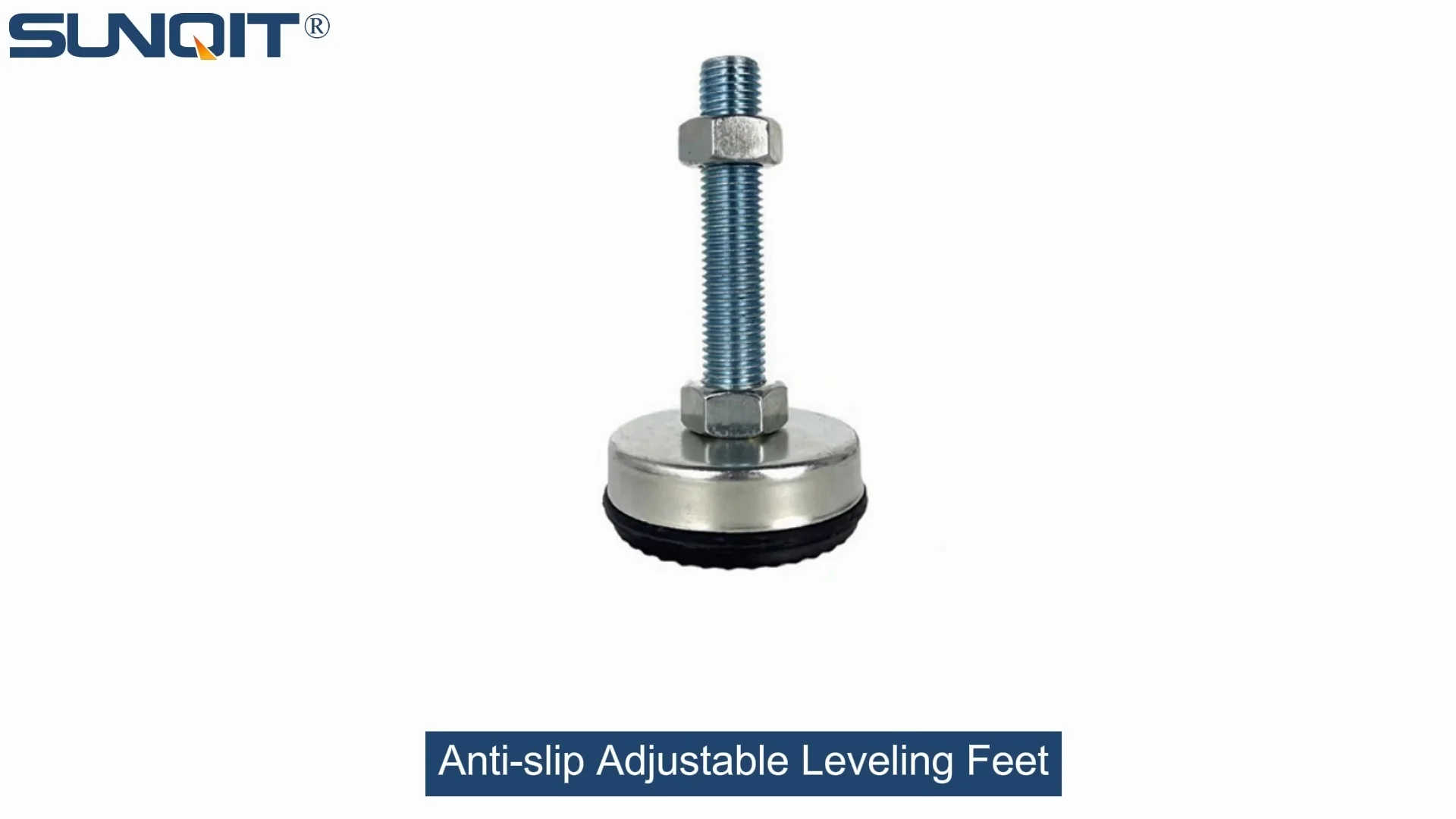
Anti-slip Adjustable Leveling Feet
Anti-slip Adjustable Leveling Feet are designed to keep machines level when placed on uneven or sloped ground, the rubber base will prevent product slip during work.
Anti-slip Adjustable Leveling Feet

Introduction: Precision, Stability, and the Backbone of Aerospace Manufacturing

In the high-stakes world of aerospace component manufacturing, precision isn't just a goal—it's a non-negotiable requirement. Every turbine blade, avionic sensor, and structural bracket must meet tolerances measured in microns, where even a fraction of a millimeter of misalignment can compromise safety, performance, or durability. Behind the scenes of this meticulous process lies an often-overlooked hero: the stability of the workbenches, assembly stations, and material racks where these critical components take shape. Uneven floors, subtle vibrations, or shifting work surfaces can introduce errors that cascade through production, leading to rework, delays, or worse—failed inspections. This is where anti-slip adjustable leveling feet step in, serving as the unsung guardians of stability in an industry where "good enough" is never enough.

Aerospace manufacturing facilities are dynamic environments. From ESD-protected workstations assembling sensitive circuit boards to heavy-duty material racks storing titanium alloys, each piece of equipment must remain rock-solid. Traditional fixed feet or basic leveling solutions often fall short: fixed feet can't adapt to uneven concrete floors, while generic adjustable feet may lack the grip needed to prevent slippage during high-precision tasks. Anti-slip adjustable leveling feet, however, combine two critical features—height adjustability to compensate for floor irregularities and anti-slip bases to anchor equipment in place—making them indispensable for modern aerospace production lines. In this article, we'll explore how these unassuming components play a pivotal role in ensuring precision, enhancing safety, and integrating seamlessly with lean systems and aluminum profile workbenches, ultimately contributing to the reliability of the aircraft and spacecraft that take to the skies.

The Critical Role of Stability in Aerospace Workbenches and ESD Workstations

To understand why anti-slip adjustable leveling feet are so vital, we first need to grasp the demands placed on aerospace workbenches and assembly stations. Imagine a technician soldering a microchip onto an avionic control unit: their hands steady, their tools calibrated, but if the workbench beneath them shifts even slightly mid-solder, the result could be a broken connection or a short circuit. For larger components, such as wing spars or landing gear parts, the consequences of instability are even more severe. These parts often require precise drilling, milling, or bonding—operations where vibration or movement can lead to mismatched holes, uneven adhesive application, or structural weaknesses.

Compounding these challenges is the prevalence of esd workstations in aerospace manufacturing. Electrostatic discharge (ESD) poses a significant threat to sensitive electronic components, such as radar modules, navigation systems, and communication equipment. An ESD workstation is designed to dissipate static electricity, protecting these components from damage. However, the effectiveness of an ESD workstation relies not just on its conductive surfaces or grounding straps, but also on its stability. A workstation that rocks or slides can strain grounding connections, creating intermittent ESD risks. Worse, if the workstation shifts during use, a component might fall, sustaining physical damage or generating static through friction. Anti-slip adjustable leveling feet address this by keeping the workstation firmly planted, ensuring consistent grounding and eliminating the risk of accidental movement.

Uneven floors are another hidden culprit in aerospace facilities. Over time, concrete floors can settle, crack, or develop slopes due to heavy equipment traffic, temperature fluctuations, or structural shifts. In older facilities, this unevenness is often pronounced; in newer ones, even minor variations (as little as 2-3mm over a 2-meter span) can disrupt precision work. Fixed-height feet leave workbenches teetering, while basic adjustable feet may require frequent readjustment as equipment is moved or floors shift. Anti-slip adjustable leveling feet solve this with threaded stems that allow for precise height tuning—turning a nut or rotating the foot to raise or lower individual corners until the workbench is perfectly level. Their anti-slip bases, often made of rubber or textured materials, then lock that position in place, preventing the feet from "walking" or slipping as equipment is loaded, unloaded, or vibrated during operation.

What Are Anti-Slip Adjustable Leveling Feet? Design, Features, and Functionality

At their core, anti-slip adjustable leveling feet are engineered to do two things: level equipment and prevent it from moving. But their design is far more sophisticated than a simple rubber pad on a screw. Let's break down their key components and how they work together to deliver the stability aerospace manufacturing demands.

1. The Adjustable Stem: Precision in Height Tuning
Most anti-slip adjustable leveling feet feature a threaded stem—typically made of stainless steel or high-grade aluminum—attached to a mounting plate or bracket. The stem screws into a threaded hole or nut embedded in the workbench leg or equipment frame, allowing the user to adjust height by rotating the foot. Some models include a locking nut that tightens against the frame once the desired height is set, preventing unintentional adjustment due to vibration. This adjustability range varies by model, but for aerospace applications, feet with a range of 10-50mm are common, allowing them to compensate for most floor irregularities.

2. The Anti-Slip Base: Grip That Doesn't Compromise
The base of the leveling foot is where the "anti-slip" magic happens. Unlike smooth plastic or metal bases that can slide on concrete, these bases are designed to maximize friction. Materials like nitrile rubber, polyurethane, or textured thermoplastic are common choices, as they conform slightly to the floor surface, increasing contact area and grip. Some bases even feature serrated or grooved patterns to dig gently into non-slip floor coatings, further reducing the risk of movement. For environments where chemicals or oils are present (common in machining areas), chemical-resistant rubber compounds ensure the base doesn't degrade or lose grip over time.

3. Load Capacity: Built for Aerospace's Heavyweights
Aerospace workbenches and material racks often support heavy loads—think stacks of aluminum sheets, tooling fixtures, or fully assembled engine components weighing hundreds of kilograms. Anti-slip adjustable leveling feet are rated for specific load capacities, with industrial-grade models supporting 500kg or more per foot. This is critical because overloading a leveling foot can cause the stem to bend, the base to deform, or the threads to strip—all of which compromise stability. Manufacturers typically test feet under static and dynamic loads (to account for vibration or sudden impacts) to ensure they meet aerospace-grade durability standards.

4. Compatibility with Aluminum Profiles and Lean Systems
Modern aerospace workbenches are increasingly built using aluminum profile systems—lightweight, modular frames that can be customized with shelves, tool holders, and ESD mats. Anti-slip adjustable leveling feet are designed to integrate seamlessly with these profiles. Many feature mounting plates with pre-drilled holes that align with the T-slots of aluminum extrusions, allowing for quick installation without welding or drilling. This modularity aligns with lean system principles, where flexibility and adaptability are key. If a workbench needs to be reconfigured for a new component, the leveling feet can be adjusted or moved to the new leg positions, ensuring stability is maintained even as the workstation evolves.

The Benefits of Anti-Slip Adjustable Leveling Feet in Aerospace Manufacturing

For aerospace manufacturers, the decision to invest in anti-slip adjustable leveling feet is driven by a clear ROI: reduced errors, improved efficiency, and enhanced safety. Let's explore these benefits in detail, from the shop floor to the bottom line.

1. Uncompromising Stability for Micron-Level Precision
The most obvious benefit is stability—but in aerospace, "stable" isn't just about "not wobbling." It's about maintaining a consistent reference plane for measurement and assembly. A level workbench ensures that CNC-machined parts align correctly during bonding, that laser measuring tools return accurate readings, and that torque wrenches apply force evenly without the workbench absorbing or redirecting energy. Anti-slip adjustable leveling feet eliminate the "rocking" motion that plagues uneven workbenches, turning a shaky surface into a solid foundation. This directly translates to fewer reworks: a study by the Aerospace Industries Association found that instability-related errors account for up to 12% of rework costs in component assembly—costs that vanish when workbenches are properly stabilized.

2. Anti-Slip Protection: Preventing Accidents and Downtime
In busy manufacturing cells, workbenches and material racks are often moved to reconfigure workflows or accommodate large components. Without anti-slip feet, even a slight push can send a workstation sliding across the floor, risking collisions with other equipment or injury to operators. Anti-slip bases create enough friction to resist accidental movement, keeping workstations in place during loading/unloading or when operators lean against them. This not only prevents accidents but also reduces downtime: a workstation that slides into a machine could damage both, halting production for hours while repairs are made. By anchoring equipment, anti-slip adjustable leveling feet act as a silent safety barrier, protecting both people and assets.

3. Adaptability to Changing Environments
Aerospace production lines are rarely static. New components, updated tooling, or shifts to leaner workflows often require workstations to be moved, repositioned, or modified. Anti-slip adjustable leveling feet thrive in this dynamic environment. Their adjustable stems mean that even if a workstation is moved to a new spot with uneven floors, operators can quickly level it using a wrench or hand tool—no need for shims, wedges, or permanent modifications. This adaptability reduces setup time for new production runs, allowing manufacturers to respond faster to changing customer demands or design revisions.

4. Long-Term Durability and Low Maintenance
Aerospace facilities operate around the clock, and equipment must withstand constant use, temperature extremes, and exposure to coolants, lubricants, or cleaning agents. Anti-slip adjustable leveling feet are built to last: stainless steel stems resist corrosion, while rubber bases stand up to chemicals and wear. Unlike fixed feet, which may crack or loosen over time, these feet require minimal maintenance—occasional cleaning to remove debris from the threads, and checking locking nuts to ensure they haven't vibrated loose. This low upkeep means fewer interruptions for repairs and a longer service life, making them a cost-effective solution over the long term.

5. Integration with ESD Workstations: Protecting Sensitive Components
As mentioned earlier, ESD workstations are critical for assembling avionics and electronic components. Anti-slip adjustable leveling feet enhance their effectiveness by ensuring the workstation remains grounded. A stable workstation means consistent contact between the ESD mat, the frame, and the floor ground, preventing static buildup. Additionally, the anti-slip base eliminates the risk of the workstation shifting and breaking the ground connection—a common cause of ESD failures in poorly stabilized setups. For aerospace manufacturers, this translates to fewer damaged components, lower scrap rates, and higher confidence in product reliability.

Comparing Leveling Solutions: Why Anti-Slip Adjustable Feet Outperform Alternatives

To fully appreciate the value of anti-slip adjustable leveling feet, it's helpful to compare them to other common leveling solutions used in manufacturing. Below is a breakdown of how they stack up against fixed feet, basic adjustable feet, and suction-cup leveling feet—three alternatives often considered for aerospace applications.

Feature Anti-Slip Adjustable Leveling Feet Fixed-Height Feet Basic Adjustable Feet (No Anti-Slip) Suction-Cup Leveling Feet
Height Adjustability High (10-50mm range, precise tuning via threaded stem) None (fixed height; requires shims for uneven floors) Medium (adjustable, but no locking mechanism; prone to slipping) Low (limited adjustability; relies on suction for grip)
Anti-Slip Performance Excellent (rubber/textured base, high friction on concrete/flooring) Poor (smooth metal/plastic base; slides easily on uneven floors) Poor (smooth base; may slip under vibration or load) Good on clean, flat surfaces; poor on rough or dirty floors
Load Capacity High (500kg+ per foot; tested for static/dynamic loads) High (but stability suffers on uneven floors) Medium (risk of stem bending under heavy loads) Low (suction fails under heavy loads or rough surfaces)
Compatibility with Aluminum Profiles Excellent (modular mounting plates fit T-slots; easy to install/remove) Limited (requires drilling into profiles; not reconfigurable) Medium (some models fit T-slots, but no anti-slip limits utility) Poor (suction cups require smooth, flat surfaces; not compatible with profile legs)
Maintenance Needs Low (occasional cleaning of threads; check locking nuts) High (requires shims to level; shims may shift over time) Medium (requires frequent readjustment as feet slip) High (suction cups need regular cleaning; lose grip with dust/debris)
Ideal Application Precision workbenches, ESD stations, heavy material racks, lean manufacturing cells Light, stationary equipment on perfectly level floors Temporary setups, non-critical applications with low vibration Lightweight equipment on smooth, clean surfaces (e.g., countertops)

As the table illustrates, anti-slip adjustable leveling feet excel in the areas that matter most to aerospace manufacturing: precision adjustability, reliable grip, high load capacity, and compatibility with modern aluminum profile systems. Fixed-height feet, while cheap, are impractical for all but the most perfectly level facilities. Basic adjustable feet lack the anti-slip feature, making them risky for high-precision work where movement could spell disaster. Suction-cup feet, though innovative, fail in the harsh realities of aerospace floors—where dust, oil, and rough concrete quickly degrade suction. For aerospace manufacturers, the choice is clear: anti-slip adjustable leveling feet offer the best balance of stability, adaptability, and durability.

Case Study: How Anti-Slip Adjustable Leveling Feet Transformed an Aerospace Component Line

To put these benefits into context, let's consider a hypothetical (but realistic) case study of a mid-sized aerospace component manufacturer specializing in avionic sensor assemblies. The company, which we'll call "AeroPrecision," had been struggling with inconsistent quality in their sensor calibration process. Technicians reported that the calibration workbench—an aluminum profile ESD workstation—would sometimes rock slightly during use, leading to minor variations in sensor alignment. These variations, while small, occasionally pushed sensors outside the tight ±0.002mm tolerance required by their aerospace client, resulting in a 8-10% rejection rate and costly rework.

Initial investigations pointed to uneven floors in the 30-year-old facility. A laser level survey revealed that the concrete floor under the calibration station sloped by 4mm over the 1.8-meter length of the workbench. The workstation was originally equipped with basic adjustable feet, but these had no locking mechanism and a smooth plastic base. Over time, as technicians leaned on the bench or moved equipment, the feet would slip, causing the bench to gradually tilt. By the end of each shift, the workbench was often 2-3mm out of level, enough to affect calibration readings.

AeroPrecision's lean manufacturing team proposed upgrading to anti-slip adjustable leveling feet. They selected a model with a 30mm adjustment range, nitrile rubber anti-slip bases, and stainless steel stems rated for 600kg per foot—more than enough to support the workstation and its equipment. The feet were mounted to the aluminum profile legs via T-slot brackets, requiring no modifications to the existing frame. During installation, technicians used a digital level to adjust each foot, raising or lowering the corners until the workbench was perfectly level (±0.1mm across the surface). The locking nuts were then tightened to secure the position, and the rubber bases were cleaned to ensure maximum grip.

The results were immediate. Within the first week, the rejection rate dropped from 8-10% to under 2%. Technicians reported no noticeable rocking during calibration, and follow-up laser level checks showed the workbench remained level even after two months of daily use. The anti-slip bases prevented slipping, even when heavy calibration tools were moved across the bench. Perhaps equally importantly, the team noted that setup time for new calibration runs decreased by 15%—since the workbench no longer needed frequent readjustment, technicians could focus on calibration rather than leveling. Over six months, AeroPrecision estimated the upgrade saved approximately $45,000 in rework costs and labor, quickly justifying the investment in the leveling feet.

This case study highlights a key point: anti-slip adjustable leveling feet aren't just about "fixing" instability—they're about unlocking consistency. In aerospace manufacturing, consistency is the foundation of quality, and quality is the foundation of trust. By ensuring workbenches remain stable and level, these small components play a big role in upholding the industry's reputation for reliability.

Material Matters: Choosing the Right Anti-Slip Adjustable Leveling Feet for Aerospace Environments

Not all anti-slip adjustable leveling feet are created equal. In aerospace manufacturing, where environments can range from cleanrooms to heavy-machining areas, material selection is critical. The wrong material can lead to corrosion, degradation, or reduced grip—all of which compromise performance. Let's explore the most common materials used in these feet and their suitability for different aerospace settings.

Stainless Steel Stems: Corrosion Resistance for Harsh Environments
For areas exposed to moisture, coolants, or chemicals (such as machining cells or parts-washing stations), stainless steel stems are ideal. Stainless steel resists rust and corrosion, ensuring the threaded stem remains smooth and adjustable over time. Grade 304 stainless steel is common for general aerospace use, while Grade 316 offers enhanced resistance to saltwater or aggressive chemicals (useful in coastal facilities or areas with high humidity). The downside? Stainless steel is heavier than aluminum, which may be a consideration for lightweight aluminum profile workbenches. However, for heavy-duty applications (e.g., material racks holding large components), the added weight is a small price to pay for durability.

Aluminum Stems: Lightweight and Compatible with Aluminum Profiles
In cleanrooms, ESD workstations, or applications where weight is a priority, aluminum stems are often preferred. Aluminum is lightweight, non-magnetic, and compatible with aluminum profile systems (since dissimilar metals can cause galvanic corrosion if not isolated). Anodized aluminum stems offer added protection against wear and corrosion, with black anodizing also providing a sleek, professional look for visible workstations. However, aluminum has a lower load capacity than stainless steel, so it's best suited for lighter workbenches or equipment (e.g., avionics assembly stations) rather than heavy material racks.

Anti-Slip Base Materials: Grip for Every Surface
The base material is equally important. Nitrile rubber is a top choice for general aerospace use: it's oil-resistant, durable, and provides excellent grip on concrete, tile, or epoxy floors. Polyurethane bases offer higher abrasion resistance, making them ideal for workbenches that are frequently moved (e.g., in flexible manufacturing cells). For cleanrooms or food-grade aerospace components (yes, some interior parts require food-safe materials), silicone bases are used, as they resist bacterial growth and meet strict hygiene standards. Textured thermoplastic bases are a cost-effective alternative, though they may wear faster than rubber in high-traffic areas.

Locking Mechanisms: Ensuring Adjustments Stay Put
Even the best adjustable stem will fail if the adjustment slips. Look for feet with locking nuts (nylon-insert lock nuts are common) or integrated locking collars that prevent the stem from rotating once set. In high-vibration environments (e.g., near CNC machines or testing equipment), double-locking mechanisms—where a jam nut is tightened against the frame after adjustment—provide extra security. This ensures that even under constant vibration, the leveling feet maintain their height setting and grip.

Conclusion: The Quiet Revolution in Aerospace Stability

Anti-slip adjustable leveling feet may not feature in glossy brochures or headline-grabbing innovations, but their impact on aerospace component manufacturing is undeniable. They are the silent partners in precision, the guardians of stability, and the enablers of consistency in an industry where every detail matters. From ESD workstations assembling avionic sensors to heavy-duty material racks storing structural components, these small but mighty components ensure that the tools of aerospace manufacturing remain grounded—literally and figuratively.

As aerospace manufacturing continues to evolve—with tighter tolerances, more complex components, and a growing focus on lean, flexible production—anti-slip adjustable leveling feet will only become more critical. Their ability to adapt to uneven floors, integrate with modular aluminum profile systems, and provide unwavering stability makes them a cornerstone of modern aerospace facilities. For manufacturers, investing in these feet isn't just about avoiding errors or reducing rework; it's about building a production line that can keep pace with the demands of tomorrow's aerospace innovations.

So the next time you look at an aircraft soaring through the sky, remember: behind its precision lies a network of small, unassuming components working tirelessly to ensure every part was built right. Anti-slip adjustable leveling feet may not fly, but they play a vital role in getting us—and the machines we build—off the ground.


Get In Touch with us

Hey there! Your message matters! It'll go straight into our CRM system. Expect a one-on-one reply from our CS within 7×24 hours. We value your feedback. Fill in the box and share your thoughts!