- Company Articles
- Products and Technology
- Product knowledge
- Anti-Slip Adjustable Leveling Feet in Consumer Electronics Warehousing

Anti-Slip Adjustable Leveling Feet in Consumer Electronics Warehousing
Related Product
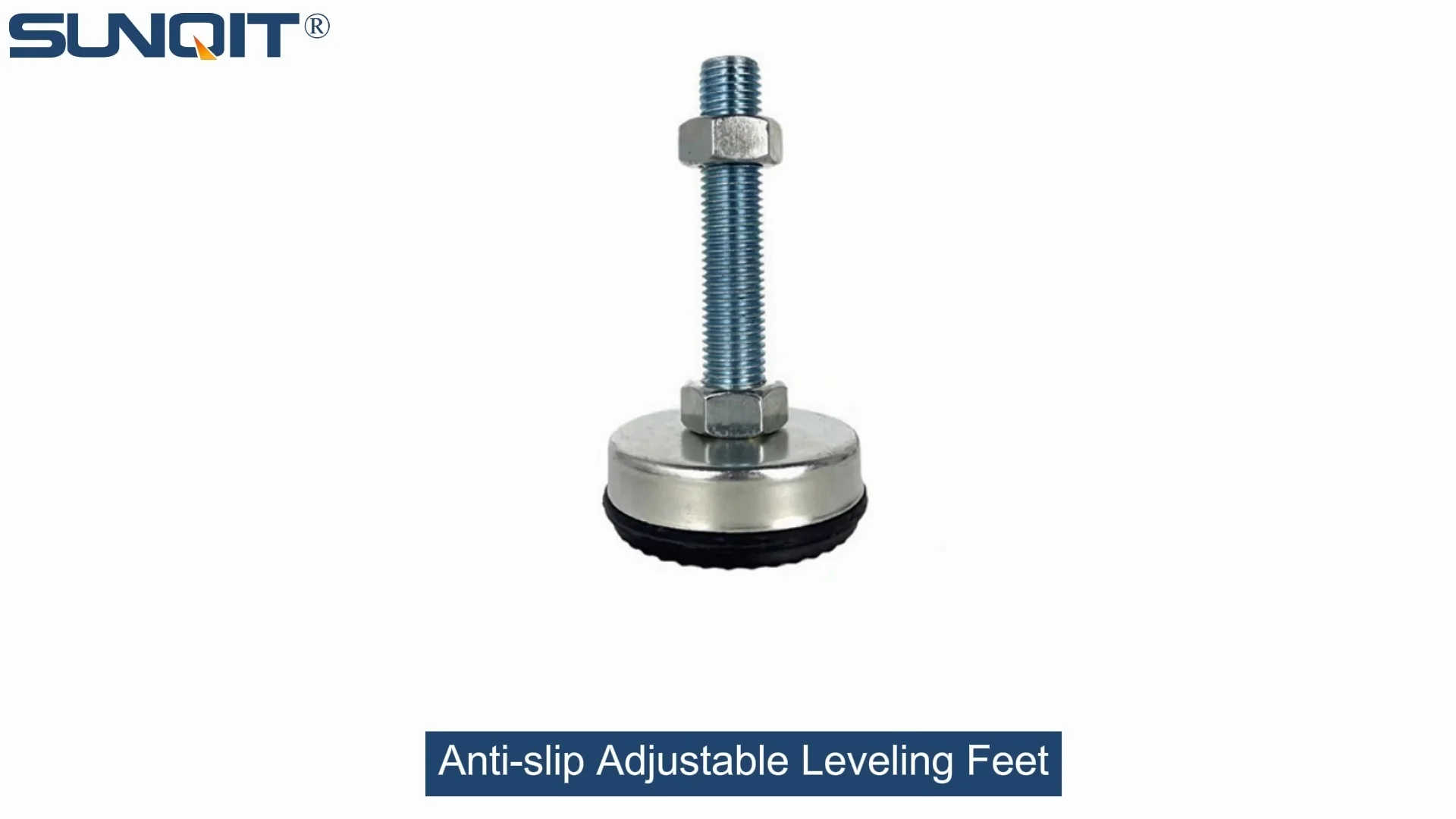
Anti-slip Adjustable Leveling Feet
Anti-slip Adjustable Leveling Feet are designed to keep machines level when placed on uneven or sloped ground, the rubber base will prevent product slip during work.
In the fast-paced world of consumer electronics warehousing, where precision and protection are non-negotiable, the smallest components often play the biggest roles. Imagine a warehouse floor—busy with technicians moving delicate circuit boards, warehouse staff loading pallets of smartphones, and automated systems gliding along roller tracks. Now, picture a single workbench wobbling slightly as an operator places a batch of sensitive microchips. That tiny instability? It could mean the difference between a flawless product and a costly defect. This is where anti-slip adjustable leveling feet step in—the unsung heroes that keep operations grounded, quite literally.
These unassuming components, often overlooked in the grand scheme of warehousing equipment, are critical to maintaining stability across workbenches, material racks, and even conveyor systems. In an industry where even a millimeter of misalignment can damage fragile electronics or disrupt workflow, their role is indispensable. Let's dive into why these small but mighty tools matter, how they integrate with other warehouse essentials like aluminum profiles and roller tracks, and the tangible impact they have on day-to-day operations.
The Unique Challenges of Consumer Electronics Warehousing
Consumer electronics—smartphones, laptops, wearables, and their components—are delicate by nature. A sudden jolt, a uneven surface, or a misplaced tool can scratch a screen, loosen a solder joint, or render a circuit board useless. Add to that the pressure of tight production timelines, high-volume storage, and the need for ESD (Electrostatic Discharge) protection, and the demands on warehouse infrastructure become clear.
Precision Assembly and Handling
Workbenches where technicians assemble or test devices must be perfectly level. Even a slight tilt can lead to misaligned parts or inaccurate measurements, affecting product quality.
Fragility and Damage Prevention
Material racks and turnover trolleys carrying sensitive components need stable bases to avoid shifting during transport. A wobbly rack could cause components to slide, collide, or fall.
Floor Imperfections
Warehouse floors, even with regular maintenance, are rarely perfectly flat. Cracks, uneven concrete, or worn areas can destabilize equipment, making adjustable solutions a necessity.
Workflow Efficiency
Roller tracks and conveyors rely on consistent alignment to move products smoothly. A misaligned section, caused by unstable supports, can slow down operations or damage goods in transit.
What Are Anti-Slip Adjustable Leveling Feet?
At their core, anti-slip adjustable leveling feet are devices attached to the bottom of equipment—think workbenches, racks, or trolleys—to stabilize them on uneven surfaces. They typically consist of a threaded stem, a base with an anti-slip pad (often rubber, like the M10*56 rubber leveling feet), and a locking nut to secure the adjusted height. Their design allows for precise height adjustments, ensuring the equipment remains level and stationary, even on imperfect floors.
Key Features That Matter
- Adjustability: The threaded stem lets users raise or lower each foot individually, compensating for uneven floors. This is crucial for workbenches where multiple feet may need different heights to achieve levelness.
- Anti-Slip Pads: Rubber or non-slip bases prevent equipment from sliding, even when bumped or vibrated. This is especially important for ESD workstations, where stability and static control go hand-in-hand.
- Durability: Made from materials like steel or aluminum, these feet withstand the weight of heavy equipment and constant use. For example, aluminum lean pipe systems, paired with sturdy leveling feet, create lightweight yet robust workstations.
- Compatibility: They're designed to fit a range of equipment, from basic aluminum tube structures to heavy-duty stainless steel racks. Many suppliers offer feet with universal mounting plates or stems that adapt to different tube diameters.

Integration with Core Warehouse Equipment
Anti-slip adjustable leveling feet don't work in isolation—they're part of a larger ecosystem of lean pipe systems, aluminum profiles, roller tracks, and workbenches. Let's explore how they enhance the functionality of key warehouse tools:
Workbenches and Assembly Stations
Whether it's a single-deck workbench without casters (like "Workbench E") or an ESD-protected workstation, leveling feet ensure the surface remains steady during tasks like soldering, testing, or packaging. Technicians can focus on their work without worrying about the bench shifting, reducing errors and improving efficiency.
Material Racks and Storage Systems
Racks like "Material Rack B (3 row and 3 floor)" store components in multiple levels. Leveling feet prevent these racks from leaning, which could cause items to slide off shelves. They also distribute weight evenly, protecting both the rack and the floor from damage.
Roller Tracks and Conveyors
Roller tracks, such as 40 steel roller track with yellow wheels or aluminum guide rails, rely on a level base to ensure products flow smoothly. Leveling feet on track supports prevent sagging or tilting, which can jam rollers or cause products to get stuck—critical for maintaining consistent workflow in high-speed environments.
Turnover Trolleys and Mobile Workstations
Even mobile equipment, like hand trolleys or carts, benefit from leveling feet (when stationary). When loading or unloading, locking the trolley's casters and adjusting the feet ensures stability, preventing accidents and damage to goods.

The Tangible Benefits of Anti-Slip Adjustable Leveling Feet
Investing in quality leveling feet might seem like a small detail, but the returns are significant. Here's how they impact your warehouse operations:
| Benefit | Impact |
|---|---|
| Reduced Product Damage | Stable equipment minimizes collisions and shifts, lowering the risk of scratched screens, broken components, or misaligned parts. |
| Improved Product Quality | Level workbenches lead to more precise assembly and testing, reducing defects and rework. |
| Enhanced Safety | Anti-slip bases prevent equipment from sliding, reducing trips, falls, and accidents involving heavy racks or trolleys. |
| Increased Efficiency | Smoothly flowing roller tracks and stable workstations reduce downtime caused by jams or adjustments. |
| Extended Equipment Lifespan | Even weight distribution reduces wear and tear on racks, benches, and roller tracks, lowering replacement costs. |

Choosing the Right Leveling Feet: Key Considerations
Not all leveling feet are created equal. To maximize their benefits, consider these factors when selecting products from suppliers:
Load Capacity
Ensure the feet can support the weight of your equipment. Heavier racks or workbenches require sturdier feet, possibly with reinforced stems or larger bases.
Adjustment Range
Measure your floor's unevenness to choose feet with enough height adjustment. For example, M10*56 rubber leveling feet offer 56mm of thread, allowing significant height changes.
Anti-Slip Properties
Look for feet with high-friction rubber pads or non-slip bases, especially on smooth floors. This is critical for ESD workstations, where static buildup and movement risks are higher.
Material Compatibility
If your setup uses aluminum lean pipe or stainless steel components, choose feet with compatible mounting hardware to avoid corrosion or mismatched aesthetics.
Real-World Impact: A Day in the Life
To understand the difference leveling feet make, let's walk through a typical shift at a consumer electronics warehouse:
7:00 AM: Maria, a warehouse manager, conducts her morning inspection. She checks the assembly line workbenches—all equipped with anti-slip adjustable leveling feet. The night crew cleaned the floors, but a small crack near Workstation 3 has caused the bench to tilt slightly. Maria grabs a wrench, adjusts the leveling feet on the bench's legs, and the surface is level again. No more wobbling tools, no more complaints from technicians about uneven test surfaces.
10:30 AM: A delivery of circuit boards arrives. The material handlers use a turnover trolley with leveling feet to unload. Even though the loading dock ramp is slightly uneven, the trolley stays stable, and the boards are unloaded without a single scratch.
2:00 PM: The roller track system transporting phone cases to packaging jams. A quick check reveals a support leg has sunk into a soft spot on the floor. A technician adjusts the leveling feet under the track support, and the cases start flowing again—no downtime, no lost productivity.
5:00 PM: End-of-shift reports show zero product damage incidents related to equipment instability. The team meets their daily production target, and Maria notes in her log: "Leveling feet continue to be a but critical asset."
Looking Ahead: Innovations in Lean Warehousing
As consumer electronics evolve—thinner, lighter, more complex—so too will warehouse needs. Suppliers are already developing advanced leveling feet with features like built-in height indicators, ESD-compliant materials, and quick-adjust mechanisms. Paired with modular aluminum profiles and smart sensors that detect instability, these tools will further streamline operations and protect valuable products.
For warehouse managers and suppliers alike, the message is clear: investing in the right foundational components—like anti-slip adjustable leveling feet—isn't just about equipment. It's about empowering teams, protecting products, and building a warehouse that can keep up with the fast-paced world of consumer electronics.
Conclusion: The Foundation of a Strong Warehouse
In the grand scheme of consumer electronics warehousing—filled with high-tech machinery, automated systems, and cutting-edge materials—anti-slip adjustable leveling feet might seem. But as we've explored, they're the quiet foundation that ensures everything else works. From steady workbenches to smooth roller tracks, from safe material storage to efficient workflows, these small components deliver big results.
So the next time you walk through a warehouse, take a moment to look down. Those small, unassuming feet under the workbenches and racks? They're not just keeping things level—they're keeping the entire operation running smoothly, one stable surface at a time.