- Company Articles
- Products and Technology
- Product knowledge
- Anti-Slip Adjustable Leveling Feet in Medical Device Manufacturing: Safety First

Anti-Slip Adjustable Leveling Feet in Medical Device Manufacturing: Safety First
Related Product
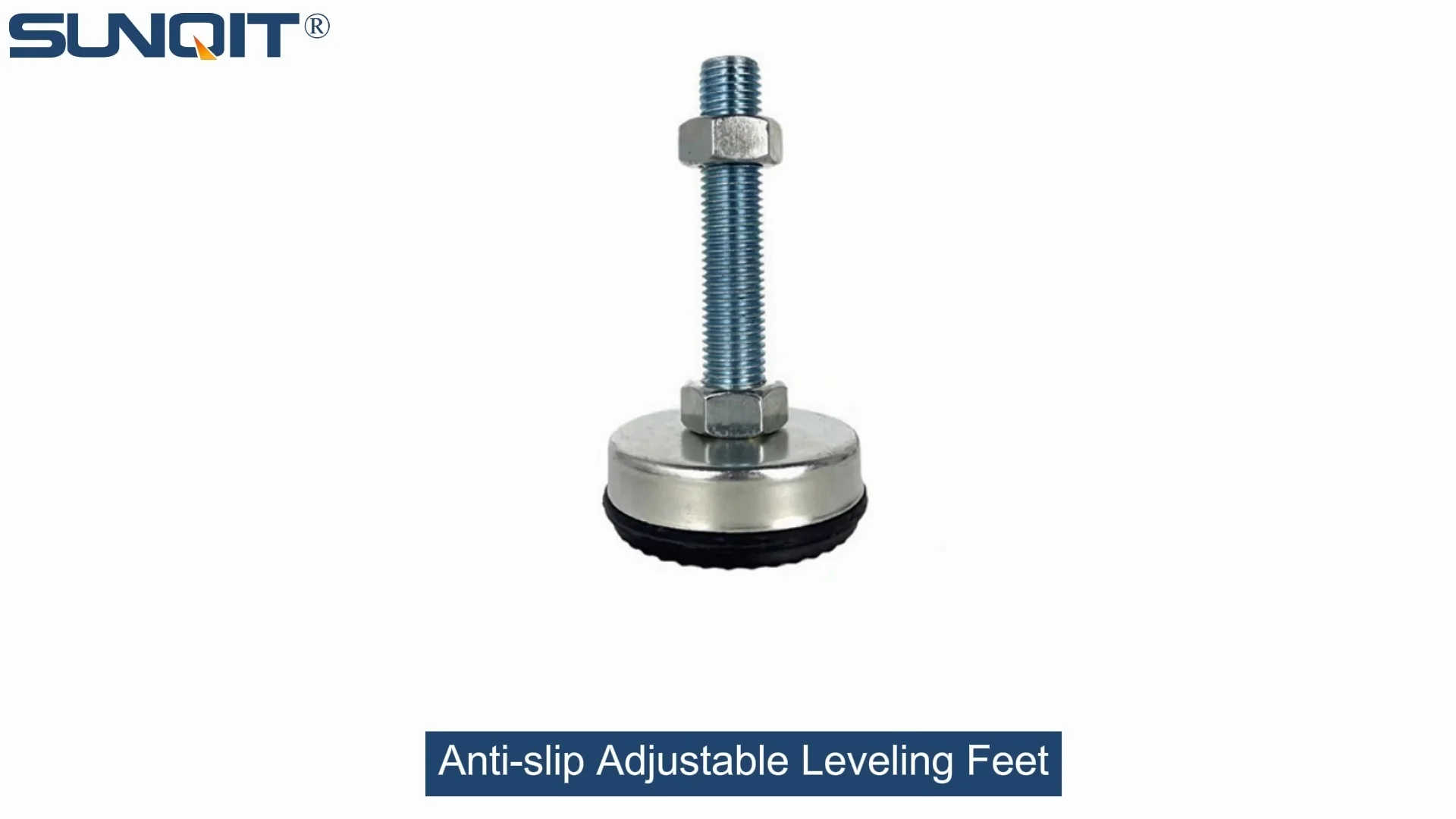
Anti-slip Adjustable Leveling Feet
Anti-slip Adjustable Leveling Feet are designed to keep machines level when placed on uneven or sloped ground, the rubber base will prevent product slip during work.
In the world of medical device manufacturing, precision isn't just a goal—it's a lifeline. Every syringe, pacemaker, and surgical tool that leaves the production line carries the weight of patient health, regulatory compliance, and brand trust. Yet, amid the focus on high-tech machinery and sterile environments, there's a humble component that often flies under the radar: the anti-slip adjustable leveling foot. These small, unassuming parts play a quiet but critical role in upholding the safety, stability, and efficiency of medical device workspaces. Let's dive into why they matter, how they work, and the impact they have on everything from product quality to technician well-being.
The Hidden Risk of Unstable Workbenches in Medical Manufacturing
Walk into any medical device production facility, and you'll find workbenches at the heart of the action. These are the stages where delicate components are assembled, where quality checks are performed under microscopes, and where sterile packaging is sealed. A typical workbench might hold a precision laser cutter for stent fabrication, a torque tester for surgical instrument hinges, or a weighing scale for pharmaceutical vials. What happens if that workbench isn't stable?
Consider this scenario: A technician is assembling a glucose monitor, carefully aligning a 0.5mm electrode with a circuit board. The workbench, placed on a slightly uneven factory floor, wobbles as they lean in to adjust the component. Their hand slips, the electrode bends, and the unit is scrapped. Worse, if the wobble is severe enough, the entire workbench could shift, sending tools or crashing to the floor—risking contamination, injury, or costly delays. In a sector where even a 0.1mm misalignment can render a device non-functional, instability isn't just a nuisance; it's a safety hazard.
Regulatory bodies like the FDA and ISO recognize this. ISO 13485, the international standard for medical device quality management systems, explicitly requires "suitable infrastructure" to ensure product consistency. For workbenches, "suitable" means stable, level, and secure. Without proper support, manufacturers risk violating these standards, facing fines, or worse, recalling defective products. Anti-slip adjustable leveling feet aren't just about convenience—they're about meeting the rigorous demands of an industry where shortcuts can have life-or-death consequences.
What Are Anti-Slip Adjustable Leveling Feet, Anyway?
At first glance, anti-slip adjustable leveling feet might look like little more than metal bolts with rubber bottoms. But their design is surprisingly thoughtful, tailored to the unique needs of industrial workspaces. Let's break down their anatomy:
- Threaded Stem: A metal (often stainless steel or zinc-plated steel) rod with threads that screws into the workbench leg. This allows for easy height adjustment—turning the stem raises or lowers the foot to compensate for uneven floors.
- Anti-Slip Base: The bottom of the foot, usually made of rubber, polyurethane, or thermoplastic elastomer (TPE). These materials are chosen for their high friction coefficient, gripping floors to prevent the workbench from sliding, even when bumped or vibrated.
- Load-Bearing Capacity: Rated to support specific weights, from light-duty (200kg per foot) for benchtop tools to heavy-duty (1000kg+) for workbenches loaded with machinery like autoclaves or CNC machines.
What sets them apart from fixed feet? Adjustability. In older facilities, floors might slope slightly due to settling, or new expansions could have uneven concrete. Fixed feet force workbenches to wobble or rock, but adjustable feet let technicians "dial in" stability, ensuring the work surface is perfectly level regardless of the floor's condition. And the anti-slip base? That's the cherry on top—preventing lateral movement even in high-traffic areas where carts, forklifts, or hurried technicians might bump the bench.
| Feature | Fixed Feet | Anti-Slip Adjustable Leveling Feet |
|---|---|---|
| Stability on Uneven Floors | Poor—wobbles or rocks | Excellent—adjustable to level surfaces |
| Slip Resistance | Low (metal or hard plastic base) | High (rubber/polyurethane anti-slip base) |
| Adaptability | None—fixed height | High—adjusts to different floor conditions |
| Regulatory Compliance | Risk of non-compliance with ISO/FDA standards | Supports compliance with stability requirements |

Safety Risks Mitigated: Why Anti-Slip Matters
Anti-slip adjustable leveling feet address three critical safety risks in medical device manufacturing: slips, vibration, and ergonomic strain. Let's unpack each:
1. Preventing Slips and Tip-Overs
Medical facilities are busy places. Carts loaded with sterile supplies zip past workbenches; technicians rush to meet production deadlines; cleaning crews mop floors, leaving them slightly damp. In these conditions, a workbench without anti-slip feet is a disaster waiting to happen. A sudden bump from a cart could send the bench sliding, spilling tools or contaminating open devices. In extreme cases, an overloaded workbench might even tip, endangering nearby workers.
The anti-slip base changes this. Rubber and polyurethane bases create friction with the floor, acting like "grips" that keep the bench anchored. In tests, workbenches equipped with anti-slip feet require up to 3x more force to slide than those with standard metal feet—meaning even accidental collisions are unlikely to move them.
2. Reducing Vibration for Precision Work
Many medical device processes demand pinpoint accuracy: think laser engraving on surgical scalpels or filling vials with 0.1ml doses of medication. Vibration, even subtle, can throw off these tasks. Unstable workbenches amplify vibration from nearby machinery, causing tools to "jump" and ruining delicate work. Adjustable leveling feet dampen this vibration by creating a solid, level contact point with the floor. The anti-slip base absorbs minor shocks, while the rigid stem prevents the bench from wobbling—keeping tools steady and technicians confident.
3. Ergonomic Benefits for Technician Health
It's easy to overlook the human element, but unstable workbenches take a toll on technicians. When a bench wobbles, workers unconsciously tense their muscles to steady themselves, leading to fatigue, back pain, or repetitive strain injuries (RSIs). Over time, this can increase absenteeism and reduce productivity. Adjustable leveling feet let facilities set workbenches to the ideal height for each technician (typically elbow-height for seated work), promoting neutral postures and reducing strain. When workers are comfortable, they're more focused—and fewer mistakes slip through the cracks.

Fitting into Lean Systems: Efficiency Meets Safety
Medical device manufacturers increasingly adopt lean manufacturing principles to eliminate waste, streamline workflows, and cut costs. Lean systems focus on standardization, 5S (Sort, Set in Order, Shine, Standardize, Sustain), and continuous improvement. Anti-slip adjustable leveling feet align perfectly with these goals.
Take standardization, for example. In facilities with uneven floors, workbenches might need custom modifications (like shimming with wood blocks) to level them. This creates "one-off" solutions that are hard to replicate across shifts or production lines. Adjustable feet eliminate the need for shims, allowing every workbench to be set to the same height and stability standards—no more guessing if a bench in Line A is as level as one in Line B. This standardization reduces variability, a key enemy of lean systems.
5S, too, benefits from stable workbenches. "Set in Order" (the second S) requires tools and materials to be organized for easy access. An unstable bench disrupts this—tools might slide out of place, or workers might avoid placing delicate equipment on wobbly surfaces, cluttering the area. With leveling feet, workbenches become reliable, organized hubs, making it easier to maintain a clean, efficient workspace.
Perhaps most importantly, adjustable feet reduce waste. When a workbench is stable, there are fewer scrapped parts due to slips or vibration. When technicians are comfortable, there are fewer breaks for pain relief. When compliance is easier to maintain, there are fewer audits and fines. In short, these small feet deliver big lean wins.

Material Matters: Choosing the Right Anti-Slip Base
Not all anti-slip adjustable leveling feet are created equal. The material of the anti-slip base determines its performance in different environments. Here's how three common materials stack up in medical settings:
| Material | Grip Strength | Load Capacity | Chemical Resistance | Best For |
|---|---|---|---|---|
| Rubber | High (excellent on dry floors) | Medium (up to 500kg/foot) | Low (damaged by oils, solvents) | Dry assembly areas, cleanrooms with minimal chemical exposure |
| Polyurethane | Very High (grips on wet/dry floors) | High (up to 1000kg/foot) | High (resists oils, disinfectants, mild acids) | Wet labs, areas with frequent cleaning (e.g., surgical tool production) |
| Stainless Steel with Rubber insert | High (rubber insert provides grip) | Very High (up to 2000kg/foot) | Very High (stainless steel resists corrosion; rubber insert handles chemicals) | Heavy machinery workbenches, cleanrooms with strict corrosion standards |
For most medical device facilities, polyurethane is the sweet spot. It balances grip, load capacity, and chemical resistance—standing up to daily cleaning with disinfectants like isopropyl alcohol and withstanding the weight of heavy equipment. Stainless steel with rubber inserts is ideal for specialized areas, like workbenches holding autoclaves or MRI component testers.
Real-World Impact: Case Studies
To see the difference anti-slip adjustable leveling feet make, let's look at two real-world examples:
Case Study 1: Insulin Pump Manufacturer Reduces Scrap Rates by 22%
A mid-sized manufacturer of insulin pumps was struggling with high scrap rates (15% of units) due to assembly errors. Root-cause analysis revealed that workbenches on the production line were unstable—floor unevenness caused them to wobble, leading to misaligned sensors. The company installed polyurethane anti-slip adjustable leveling feet, allowing technicians to level each bench in minutes. Within three months, scrap rates dropped to 3%, saving $120,000 annually in material and labor costs.
Case Study 2: Surgical Tool Supplier Eliminates Contamination Incidents
A supplier of sterile surgical forceps faced a crisis: three batches were recalled after post-production testing found trace contamination. Investigators discovered that the workbench where forceps were packaged was wobbling, causing dust from overhead vents to settle on open packages. The facility installed stainless steel anti-slip leveling feet with rubber inserts, stabilizing the bench and creating a tighter seal with the floor. Over the next year, contamination incidents dropped to zero, and the company regained FDA approval for its packaging process.
Installation and Maintenance: Getting the Most from Your Leveling Feet
To maximize safety and longevity, proper installation and maintenance of anti-slip adjustable leveling feet are key. Here's a quick guide:
Installation Tips
- Check the Floor First: Use a level to identify uneven spots before installing. Mark high and low areas to target adjustments.
- Tighten Securely: Screw the feet into the workbench legs until snug, but avoid over-tightening (this can strip threads).
- Level in All Directions: Adjust feet until the workbench is level both front-to-back and side-to-side. Use a bubble level on the bench surface to confirm.
Maintenance Checklist
- Monthly Inspections: Check for loose feet (tighten if needed) and wear on anti-slip bases (replace if cracks or smooth spots appear).
- Clean Regularly: Wipe bases with a damp cloth to remove dust or debris that could reduce grip.
- replace When Worn: Anti-slip bases typically last 1–2 years in high-traffic areas. Proactively replacing them prevents sudden failures.
The Future of Leveling Feet: Smart and Sustainable
As medical manufacturing evolves, so too will anti-slip adjustable leveling feet. Two trends are emerging: smart technology and sustainability.
Smart Leveling Feet: Imagine feet equipped with sensors that detect instability or wear, sending alerts to maintenance teams via a mobile app. Early prototypes include Bluetooth-enabled feet that measure tilt and vibration, flagging benches that need adjustment before they cause issues. This predictive maintenance could reduce downtime and further improve safety.
Sustainable Materials: With the medical industry prioritizing eco-friendly practices, manufacturers are developing anti-slip bases from recycled rubber or biodegradable polymers. These materials perform as well as traditional options but reduce environmental impact—a win for both safety and sustainability.
Conclusion: Small Parts, Big Impact
Anti-slip adjustable leveling feet may not grab headlines like 3D printers or AI quality control systems, but they're the unsung heroes of medical device manufacturing. They stabilize workbenches, prevent accidents, reduce waste, and protect technicians—all while helping facilities meet the strictest regulatory standards. In an industry where every detail matters, these small components deliver outsized value.
So the next time you walk through a medical device plant, take a moment to look down. Under those workbenches, supporting the tools that save lives, you'll find anti-slip adjustable leveling feet—quietly ensuring that safety, precision, and efficiency are always front and center.