- Company Articles
- Products and Technology
- Product knowledge
- Anti-Slip Pad Materials in Adjustable Leveling Feet: Rubber vs. Polyurethane

Anti-Slip Pad Materials in Adjustable Leveling Feet: Rubber vs. Polyurethane
Related Product
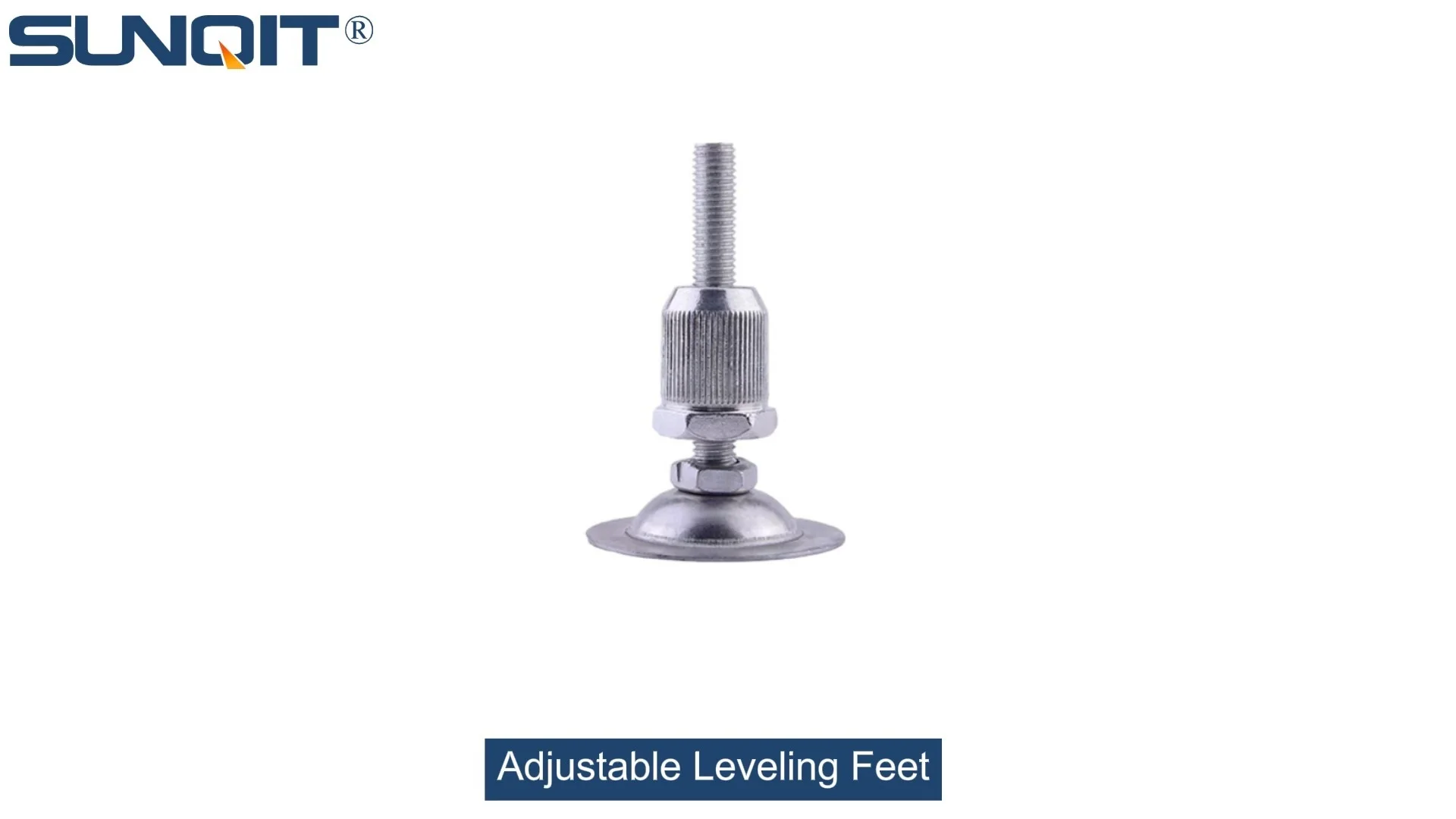
Adjustable Leveling Feet
Adjustable leveling feet are designed to keep machines level when placed on uneven or sloped ground. Otherwise known as adjustable equipment feet, they are available to order in a wide variety of size and load capacity combinations.
Walk into any busy workshop, manufacturing plant, or assembly line, and you'll notice something that often goes unnoticed but plays a critical role in keeping operations running smoothly: the humble adjustable leveling feet. These unassuming components are the silent heroes under workbenches, material racks, and turnover trolleys, ensuring stability on uneven floors, reducing vibration, and preventing dangerous slips. But what makes a good adjustable leveling foot truly reliable? Look no further than the small, often overlooked anti-slip pad at its base. Today, we're diving deep into two of the most popular materials for these pads—rubber and polyurethane—to help you understand which one might be the best fit for your needs, whether you're setting up a new workbench or upgrading existing equipment.
What Are Adjustable Leveling Feet, Anyway?
Before we get into the nitty-gritty of anti-slip pads, let's make sure we're all on the same page about what adjustable leveling feet actually are. Simply put, these are threaded components attached to the bottom of equipment—think workbenches, conveyor frames, or heavy-duty racks—to level the structure on uneven surfaces. They typically consist of a threaded rod, a base plate (which holds the anti-slip pad), and a locking nut to secure the height once adjusted. Whether your factory floor has a slight slope, a cracked tile, or just uneven concrete, adjustable leveling feet let you tweak each corner of a workbench or trolley until it's perfectly stable. No more wobbly tables, no more tools sliding off surfaces, and—most importantly—no more safety hazards from unstable equipment.
But here's the thing: even the most precisely adjusted leveling foot is only as good as its anti-slip pad. That small piece of material between the metal base and the floor is what creates friction, preventing the equipment from sliding when bumped, vibrated, or even just when someone leans on it. Imagine a workbench in an electronics assembly line, where technicians are handling delicate circuit boards. If that workbench slides an inch every time someone reaches for a tool, not only does productivity suffer, but there's a real risk of damaging expensive components—or worse, causing an accident. That's why choosing the right anti-slip pad material isn't just a matter of preference; it's a decision that impacts safety, efficiency, and long-term durability.
The Unsung Hero: Why Anti-Slip Pads Matter
Let's take a step back and think about the environments where adjustable leveling feet are used. Manufacturing floors are rarely pristine. They're often oily, dusty, or wet from cleaning. Workbenches might be pushed or pulled during reorganizations. Heavy loads are placed on and removed from material racks multiple times a day. In all these scenarios, the anti-slip pad is the first line of defense against movement. A weak or inappropriate pad can lead to equipment shifting, which not only disrupts workflow but also creates tripping hazards. In extreme cases, a sliding workbench could even tip over, damaging tools or injuring workers.
Anti-slip pads also play a role in noise reduction. Ever noticed how a wobbly table makes a loud scraping sound when moved? A good pad absorbs some of that friction, keeping the workplace quieter. They also protect floors from scratches—important if you're working on polished concrete or epoxy surfaces. And let's not forget about vibration. In facilities with heavy machinery, constant vibration can loosen bolts and shift equipment over time. A high-quality anti-slip pad helps dampen that vibration, keeping everything in place longer.

Rubber Anti-Slip Pads: The Traditional Workhorse
Pros: Familiar, Flexible, and Friction-Rich
Rubber has been a go-to material for anti-slip applications for decades, and for good reason. Its natural elasticity gives it excellent grip on most surfaces, from concrete to tile. Walk into a workshop with rubber-padded leveling feet, and you'll notice that even when someone bumps a workbench, it stays put. That's because rubber has a high coefficient of friction—a fancy term for how well two surfaces stick together. This makes it ideal for environments where immediate, reliable grip is a priority, like busy assembly lines where equipment is frequently interacted with.
Another big plus for rubber is its flexibility in temperature. Whether your facility is a chilly warehouse in winter or a warm factory in summer, rubber pads maintain their grip and elasticity across a wide range of temperatures (typically -40°C to 80°C for standard rubber). This stability is a relief for managers who don't want to worry about pads hardening in the cold or melting in the heat. Rubber is also relatively soft compared to other materials, which means it conforms well to minor imperfections in the floor. If your workshop has a slightly uneven concrete slab, a rubber pad will "hug" the surface, distributing weight more evenly and reducing rocking.
Cost is another factor. Rubber anti-slip pads are generally more affordable than polyurethane options, especially for basic, non-specialized applications. If you're outfitting a small workshop with a few workbenches and don't have extreme conditions to contend with, rubber pads can offer great value without breaking the bank. They're also easy to replace—no special tools required—so maintenance is a breeze.
Cons: Durability and Chemical Sensitivity
Of course, rubber isn't perfect. One of its biggest drawbacks is durability, especially in harsh environments. Over time, exposure to oils, solvents, or chemicals (common in automotive or industrial settings) can cause rubber to degrade. You might notice it becoming brittle, cracking, or even disintegrating, which reduces its grip and lifespan. If your facility uses cleaning agents with strong chemicals, rubber pads might need frequent replacement, adding to long-term costs.
Rubber is also prone to wear and tear from heavy loads. If you're using adjustable leveling feet under a workbench that regularly holds hundreds of pounds of tools or materials, the constant pressure can compress the rubber pad over time, making it thinner and less effective. In high-traffic areas where equipment is moved or adjusted often, rubber pads can scuff or wear down, losing their grip. And while rubber handles moderate temperatures well, extreme heat (above 80°C) can cause it to soften and lose friction, which is a problem in environments like foundries or near heat-generating machinery.
Best For: General Workshops and Mild Environments
So, when should you choose rubber anti-slip pads? They're a solid choice for standard workshops, small manufacturing setups, or home garages where conditions are relatively mild. Think of a woodworking shop with a steady temperature, minimal chemical exposure, and moderate loads. A workbench here doesn't need to withstand extreme heat or harsh solvents, so rubber's grip and affordability shine. They're also great for temporary setups or equipment that's moved occasionally, thanks to their low cost and easy replacement.

Polyurethane Anti-Slip Pads: The Modern Contender
Pros: Durable, Versatile, and Resilient
Polyurethane is a synthetic material that's gained popularity in recent years for anti-slip pads, and it's easy to see why. Unlike rubber, polyurethane is engineered to be tough. It's highly resistant to abrasion, meaning it stands up to heavy loads, frequent movement, and rough surfaces without wearing down quickly. If you've ever seen a workbench in a busy automotive repair shop that's been in use for years but still has intact leveling feet, chances are it's using polyurethane pads. They maintain their thickness and grip even under constant pressure, making them a favorite for high-traffic, heavy-duty applications.
Chemical resistance is another area where polyurethane outshines rubber. It holds up well against oils, greases, solvents, and most industrial cleaning agents—common culprits that break down rubber. This makes it ideal for factories, machine shops, or laboratories where chemicals are part of daily operations. Imagine a pharmaceutical production line where floors are regularly cleaned with strong disinfectants; polyurethane pads won't degrade or lose grip, ensuring the workbench stays stable shift after shift.
Polyurethane also handles temperature extremes better than rubber. It remains flexible in cold conditions (down to -30°C) and doesn't soften or melt in high heat (up to 120°C for some formulations). This versatility makes it suitable for outdoor use, freezers, or facilities with fluctuating temperatures. Plus, polyurethane is less prone to UV damage than rubber, so if your equipment is near windows or used outdoors, it won't fade or crack from sun exposure.
One unexpected benefit? Noise reduction. Polyurethane's dense, shock-absorbing properties make it quieter than rubber when equipment is moved or adjusted. In a busy factory where noise levels are already high, every little bit helps—and polyurethane pads can make a noticeable difference in reducing scraping or rattling sounds.
Cons: Cost and Initial Grip
The main downside of polyurethane is cost. It's generally more expensive upfront than rubber, which can be a barrier for small businesses or those on a tight budget. However, it's important to consider the long-term savings: since polyurethane pads last longer and need less frequent replacement, they often end up being more cost-effective over time, especially in harsh environments. Still, if you're only using a few leveling feet in a low-stress setup, the higher initial price might not be worth it.
Another consideration is initial grip. While polyurethane provides excellent long-term grip, it can feel slightly less "sticky" than rubber when first installed, especially on very smooth floors like polished concrete. This is because rubber's natural tackiness gives it immediate grip, whereas polyurethane relies more on its texture and density. However, this difference is usually minimal and fades as the pad wears in, so it's rarely a dealbreaker.
Best For: Heavy-Duty, Harsh, or Specialized Environments
Polyurethane pads are the way to go if you're dealing with heavy loads, harsh chemicals, extreme temperatures, or high-traffic areas. Think of a large manufacturing plant with conveyor systems, where leveling feet are under constant stress. Or a food processing facility that uses hot water and strong sanitizers daily. In these cases, polyurethane's durability and resistance to wear and chemicals make it the clear winner. They're also a smart choice for equipment that's meant to last for years, like custom-built workbenches or permanent production lines, where the upfront cost is offset by longevity.

Rubber vs. Polyurethane: A Side-by-Side Comparison
To help you visualize the differences, let's break down the key factors in a handy comparison table:
| Factor | Rubber Anti-Slip Pads | Polyurethane Anti-Slip Pads |
|---|---|---|
| Coefficient of Friction (Grip) | High initial grip; natural tackiness works well on most surfaces. | Excellent long-term grip; slightly lower initial tack but maintains better over time. |
| Durability | Moderate; wears down faster under heavy loads or frequent movement. | High; resistant to abrasion and compression, lasts longer in high-stress environments. |
| Chemical Resistance | Poor to moderate; degrades with oils, solvents, and strong chemicals. | Excellent; withstands oils, greases, solvents, and most industrial cleaners. |
| Temperature Range | -40°C to 80°C; struggles with extreme heat. | -30°C to 120°C; handles wider temperature extremes. |
| Cost | Lower upfront cost; higher long-term replacement costs in harsh environments. | Higher upfront cost; lower long-term costs due to longer lifespan. |
| Noise Reduction | Moderate; can scrape or squeak on smooth floors. | Excellent; dense material absorbs vibration and reduces noise. |
| Best For | General workshops, mild environments, temporary setups. | Heavy-duty use, harsh chemicals, extreme temps, permanent installations. |
How to Choose: Key Factors to Consider
Now that you know the pros and cons of each material, how do you decide which one is right for your adjustable leveling feet? Here are a few questions to ask yourself:
1. What's the Environment Like?
Start by assessing your workspace. Is it a clean, temperature-controlled workshop, or a hot, oily factory floor? If you regularly use chemicals, solvents, or high heat, polyurethane is likely the safer bet. For mild conditions with minimal exposure, rubber might be sufficient.
2. How Heavy is the Equipment?
A lightweight workbench used for assembling small parts has different needs than a heavy-duty material rack holding hundreds of pounds. Heavier loads require more durable pads, so polyurethane's resistance to compression makes it better for heavy equipment. Lighter loads can get by with rubber.
3. How Often is the Equipment Moved or Adjusted?
If you're constantly repositioning workbenches or trolleys, you'll want pads that can handle frequent movement without wearing down. Polyurethane's abrasion resistance makes it ideal here. If the equipment stays in one place long-term, rubber's lower cost might be more appealing.
4. What's Your Budget—Short-Term vs. Long-Term?
Rubber is cheaper upfront, but if you're in a harsh environment, you'll end up replacing pads more often, driving up costs over time. Polyurethane costs more to buy but lasts longer, so it's often a better investment for permanent setups.
Real-World Example: The Workbench Upgrade
Let's put this into context with a real-world scenario. Imagine a small electronics manufacturing company with a handful of workbenches used for assembling circuit boards. Initially, they used rubber-padded adjustable leveling feet, which worked fine for the first year. But as the company grew, they started using more industrial cleaning agents to maintain a sterile environment, and the rubber pads began to crack and lose grip. Workers noticed the workbenches would shift slightly when they leaned on them, leading to occasional mistakes with delicate components.
After some research, the facility manager decided to switch to polyurethane pads. The upfront cost was higher, but within six months, they noticed a difference: the pads showed no signs of wear, the workbenches stayed perfectly stable, and there were fewer errors due to movement. Over time, the reduced need for replacements meant the polyurethane pads actually saved the company money. Plus, the quieter operation made the workshop a more pleasant place to work—an unexpected bonus!
Maintenance Matters: Getting the Most Out of Your Anti-Slip Pads
No matter which material you choose, proper maintenance will extend the life of your anti-slip pads. For rubber pads, regularly clean them with mild soap and water to remove dust and debris that can reduce grip. Avoid harsh chemicals, and check for cracks or wear every few months—replace them as soon as you notice signs of degradation. For polyurethane pads, you can use stronger cleaners (since they're chemical-resistant), but still wipe them down regularly to prevent buildup. Inspect for abrasion or flattening, especially under heavy loads, and tighten the locking nuts on the leveling feet periodically to ensure the pad stays firmly in contact with the floor.
Wrapping Up: Rubber or Polyurethane—Which Will You Choose?
At the end of the day, both rubber and polyurethane anti-slip pads have their strengths and weaknesses. Rubber is affordable, easy to replace, and great for mild, low-stress environments. Polyurethane is durable, chemical-resistant, and ideal for heavy-duty or harsh conditions. The key is to assess your specific needs: the environment, load, movement frequency, and budget. Remember, the goal is to keep your equipment stable, your workers safe, and your operations running smoothly—and the right anti-slip pad is a small but crucial step toward that goal.
So, whether you're setting up a new workbench, upgrading a conveyor system, or just replacing worn-out leveling feet, take a moment to consider the anti-slip pad material. It might not be the most glamorous part of your equipment, but it's one of the most important. After all, when it comes to keeping things stable, the smallest details often make the biggest difference.