- Company Articles
- Products and Technology
- Product knowledge
- Anti-Static Single Side Aluminum Pipe: Critical for Electronics Manufacturing

Anti-Static Single Side Aluminum Pipe: Critical for Electronics Manufacturing
Related Product
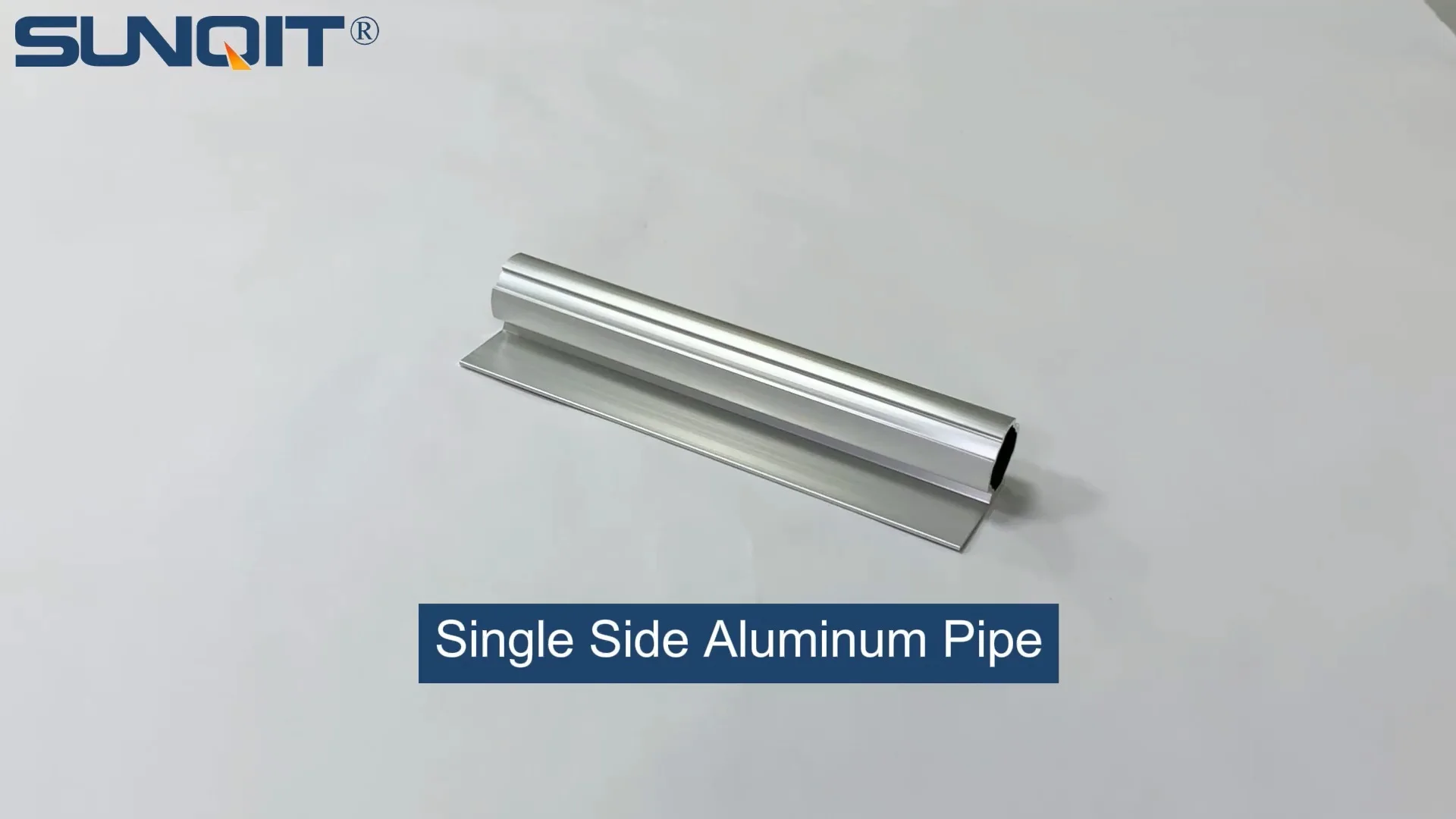
Single Side Aluminum Pipe
The single-sided plane can be installed with a back-mounted material box, and can also be used as a sidewall or partition.
The Hidden Cost of Static in Electronics Manufacturing
Walk into any electronics manufacturing facility, and you'll see a symphony of precision: robots assembling microchips, workers inspecting circuit boards, and conveyor belts moving components with clockwork efficiency. But beneath this surface of order lies a silent threat—static electricity. It's invisible, often undetectable until it's too late, and it costs the industry billions annually in damaged components, production delays, and scrapped batches.
A single static discharge as small as 250 volts can ruin a sensitive integrated circuit (IC), and modern microchips with nanoscale features are even more vulnerable. For manufacturers, this isn't just about lost parts; it's about missed deadlines, frustrated customers, and the erosion of trust in product quality. The solution? Building manufacturing environments that don't just resist static but eliminate it at the source. That's where anti-static single side aluminum pipe comes in—a yet indispensable tool that's quietly revolutionizing how electronics are made.
What is Anti-Static Single Side Aluminum Pipe?
Composition and Design
At its core, anti-static single side aluminum pipe is a lightweight, durable aluminum profile engineered with a special conductive coating on one side. Unlike standard aluminum pipes, which can accumulate static charge, this variant is designed to channel static electricity away from sensitive components and safely ground it. The "single side" refers to the conductive layer—strategically applied to the side that comes into contact with materials or work surfaces—while the other side retains the aluminum's natural corrosion resistance.
But it's not just the coating that makes it unique. These pipes are typically part of a modular system, compatible with a range of aluminum profile accessories like joints, connectors, and brackets. This modularity means they can be quickly assembled into workbenches, roller tracks, or turnover trolleys—adapting to whatever a manufacturing line needs, when it needs it.
Anti-Static Properties Explained
Static electricity builds up when two materials rub against each other—think of a balloon against hair. In electronics manufacturing, this can happen when components slide along a plastic roller track or when a worker's sleeve brushes against a metal workbench. Without a way to dissipate this charge, it can jump to a nearby microchip, frying its delicate circuits.
Anti-static aluminum pipe solves this by acting as a conductor. The conductive coating has a surface resistance between 10^6 and 10^9 ohms—low enough to allow static to flow away but not so low that it creates a shock hazard. When integrated into an ESD workstation, the pipe connects to a grounding system, ensuring any built-up charge is safely directed into the floor, never reaching the components on the bench.

Why It Matters: The Critical Role in Electronics Manufacturing
Protecting Sensitive Components (ESD Workstation Integration)
In electronics, even the smallest component—a resistor the size of a grain of sand or a microprocessor with billions of transistors—can be destroyed by static. An ESD workstation, built with anti-static aluminum pipe, acts as a shield. The workbench surface, often topped with an anti-static mat, connects to the aluminum frame, which in turn connects to ground. This creates a "safe zone" where static charges can't accumulate.
Consider a smartphone assembly line. Each step—from placing the motherboard to attaching the screen—involves handling components that are sensitive to static. A single misstep, like using a non-anti-static workbench, could lead to a batch of phones failing quality checks weeks later, costing the manufacturer thousands in rework and lost time. Anti-static aluminum pipe ensures that every workstation in that line is a barrier against such failures.
Building Lean Systems That Flow (Lean System Compatibility)
Lean manufacturing is all about eliminating waste—whether it's time, materials, or motion. A key part of lean systems is creating smooth, uninterrupted workflows where materials move from one station to the next without bottlenecks. Anti-static single side aluminum pipe excels here because it's lightweight and modular, making it easy to reconfigure lines as production needs change.
For example, if a manufacturer needs to add a new inspection station, they can quickly assemble a new roller track using aluminum pipes and connectors, ensuring materials glide smoothly to the new station—all without static buildup. Unlike rigid steel systems, which require welding or heavy tools to modify, aluminum profiles can be adjusted with basic hand tools, reducing downtime from hours to minutes.
Versatility Across Workbenches and Roller Tracks
One of the biggest advantages of anti-static aluminum pipe is its versatility. It's not limited to just workbenches; it's the backbone of roller tracks, turnover trolleys, material racks, and even custom storage solutions. Take roller tracks, for instance: when components need to move from an assembly line to a testing area, a roller track built with aluminum pipes ensures they slide smoothly. The anti-static coating on the pipes prevents static from building up as components glide along the rollers, keeping them safe until they reach their destination.
Similarly, turnover trolleys—used to transport batches of components between stations—benefit from aluminum's lightweight design. Workers can easily maneuver them without straining, while the anti-static properties ensure the components inside stay protected during transport. It's this adaptability that makes anti-static aluminum pipe a cornerstone of modern electronics manufacturing facilities.

Beyond Protection: The Practical Benefits of Aluminum Profile
Durability vs. Traditional Materials
When it comes to manufacturing equipment, durability is non-negotiable. Equipment needs to withstand daily use—bumping, scraping, and constant reconfiguration. Anti-static aluminum pipe holds up surprisingly well compared to traditional materials like steel or plastic. Steel is strong but heavy, making it hard to move and reconfigure. Plastic is lightweight but prone to cracking or warping under heavy loads.
Aluminum strikes the perfect balance. It's strong enough to support heavy workbenches or loaded material racks, yet lightweight enough to be moved by a single worker. Its natural resistance to corrosion also means it lasts longer in factory environments, where dust, moisture, and chemicals can take a toll. And unlike plastic, which can degrade over time (especially when exposed to cleaning agents), aluminum profiles maintain their structural integrity for years—reducing the need for frequent replacements.
Lightweight and Easy to Assemble
Anyone who's ever tried to assemble a steel workbench knows the struggle: heavy beams, nuts and bolts that require wrenches, and the need for multiple people to lift components into place. Anti-static aluminum pipe eliminates this hassle. Most aluminum profile systems use simple joints and connectors that can be tightened by hand or with a hex key. This means a single worker can assemble a basic workbench in under an hour—no special tools or training required.
This ease of assembly is a game-changer for manufacturers. In fast-paced environments where production lines need to be reconfigured to meet sudden demand spikes, the ability to quickly build or modify equipment can mean the difference between meeting a deadline and falling behind. Aluminum's lightweight nature also reduces the risk of workplace injuries—no more strained backs from lifting heavy steel pipes.
Customization for Unique Workflows
No two electronics manufacturing lines are identical. One might produce medical devices with strict sterilization requirements, while another assembles consumer gadgets with high-volume, low-mix production. Anti-static aluminum pipe's modular design makes it easy to customize solutions for these unique workflows. Need a workbench with a built-in shelf for tools? Add a few extra pipes and brackets. Want a roller track that curves around a corner? Use swivel joints to adjust the angle.
Suppliers often offer a wide range of accessories—from caster wheels for mobile workbenches to specialized brackets for mounting monitors or tools—to further tailor the system. This level of customization ensures that manufacturers aren't forced to adapt their workflows to fit rigid equipment; instead, the equipment adapts to them.

Real-World Applications: From Assembly Lines to Quality Control
ESD Workstations: The First Line of Defense
The assembly line is where the magic happens—and where static poses the greatest risk. ESD workstations built with anti-static aluminum pipe are the first line of defense. These workstations typically feature a flat surface (often an anti-static laminate or aluminum honeycomb panel) supported by aluminum frames. The frames connect to a grounding wire, ensuring any static charge from the worker or components is immediately dissipated.
Workers at these stations handle everything from circuit boards to semiconductors. Without the anti-static protection, even a small static discharge from a worker's hand could damage these components. By integrating aluminum pipes into the workstation design, manufacturers create a controlled environment where static is never allowed to build up—protecting both the components and the workers' productivity.
Roller Tracks: Smooth Material Flow Without Static
In lean manufacturing, material flow is king. Components need to move from one station to the next quickly and efficiently. Roller tracks, built with anti-static aluminum pipe, make this possible. These tracks use a series of rollers mounted on aluminum frames, allowing components to glide from point A to point B using gravity or minimal force. The aluminum pipes ensure that as components slide along the rollers, static doesn't build up—even when moving at high speeds.
For example, in a smartphone assembly plant, a roller track might carry partially assembled phones from the motherboard installation station to the screen attachment station. Without anti-static protection, the friction between the phone and the rollers could generate static, potentially damaging the delicate electronics inside. With aluminum pipes, that risk is eliminated, ensuring every phone arrives at the next station in perfect condition.
Turnover Trolleys and Racks: Safe Transport
Not all components stay on the assembly line—some need to be stored, transported to off-site facilities, or moved between buildings. Turnover trolleys and material racks, built with anti-static aluminum pipe, provide a safe way to transport these components. These trolleys are lightweight but sturdy, with shelves or bins that keep components secure during transit. The anti-static coating on the aluminum pipes ensures that even as the trolley is moved (and components shift inside), static charges don't accumulate.
Material racks, too, benefit from aluminum's properties. Storing sensitive components on a rack made with anti-static pipes ensures they remain protected even when not in use. This is especially important for long-term storage, where components might be exposed to environmental factors like humidity or dust—both of which can increase static buildup. Aluminum racks provide a stable, static-free environment, ensuring components are ready for use when needed.
Comparing Materials: Why Aluminum Stands Out
When choosing materials for manufacturing equipment, it's important to weigh the pros and cons. Below is a comparison of anti-static single side aluminum pipe with two common alternatives: steel pipe and plastic pipe.
| Feature | Anti-Static Aluminum Pipe | Steel Pipe | Plastic Pipe |
|---|---|---|---|
| Anti-Static Performance | Excellent (conductive coating, dissipates static to ground) | Poor (conductive but heavy; requires grounding, prone to rust) | Very Poor (insulating, builds up static charge easily) |
| Weight | Lightweight (easy to move and assemble) | Heavy (requires multiple workers to move; hard to reconfigure) | Lightweight (but less durable) |
| Durability | High (resistant to corrosion, impacts, and wear) | High (but prone to rust in humid environments) | Low (prone to cracking, warping, and chemical damage) |
| Ease of Assembly | Excellent (modular joints, hand-tightened connectors) | Poor (requires welding or heavy tools) | Good (but limited weight capacity) |
| Cost Over Time | Moderate upfront, low long-term (durable, minimal replacement) | High (expensive to install, maintenance costs for rust) | Low upfront, high long-term (frequent replacements needed) |
Choosing the Right Supplier: What to Look For
Not all anti-static aluminum pipe is created equal. To ensure you're getting a product that truly protects your components and integrates seamlessly into your workflow, it's important to choose the right supplier. Here are key factors to consider:
Quality of Anti-Static Coating
The anti-static coating is the heart of the pipe's performance. Ask suppliers about the coating's surface resistance (it should be between 10^6 and 10^9 ohms) and how long it lasts. A high-quality coating will withstand daily wear and tear—scrapes, cleaning, and impacts—without losing its conductive properties. Some suppliers may offer test reports or certifications (like ANSI/ESD S20.20) to verify their coating's effectiveness.
Range of Accessories
A modular system is only as good as its accessories. Look for suppliers that offer a wide range of joints, connectors, brackets, and caster wheels. This ensures you can customize your setup without having to source parts from multiple vendors. For example, if you need a roller track with a specific angle, your supplier should have the right brackets and connectors to make it happen.
Technical Support for Custom Setups
Every manufacturing line has unique needs. A good supplier won't just sell you pipes—they'll help you design a system that works for your specific workflow. Look for suppliers with technical support teams that can provide CAD drawings, recommend configurations, or even visit your facility to assess your needs. This level of support can save you time and money by ensuring your setup is optimized from day one.
Conclusion: Investing in Reliability for Tomorrow's Electronics
In the world of electronics manufacturing, where precision and reliability are everything, anti-static single side aluminum pipe is more than just a tool—it's an investment in your products' quality and your team's efficiency. By protecting sensitive components from static damage, enabling lean workflows, and adapting to changing production needs, it helps manufacturers stay competitive in an industry where even the smallest error can have big consequences.
Whether you're building ESD workstations, roller tracks, or turnover trolleys, the versatility and durability of aluminum profile make it the clear choice over traditional materials. And with the right supplier, you can customize a system that grows with your business—ensuring you're always ready to meet the demands of tomorrow's electronics.
In the end, static damage is preventable. With anti-static single side aluminum pipe, you're not just avoiding costs—you're building a foundation for reliable, efficient production that will serve your business for years to come.