- Company Articles
- Products and Technology
- Product knowledge
- Antistatic Aluminum Workbench C: Critical for Sensitive Electronics Assembly

Antistatic Aluminum Workbench C: Critical for Sensitive Electronics Assembly
Related Product
Aluminum Workbench C
aluminum-tube-workbench-is-more-flexible-and-durable,-compared-with-traditional-pe/abs-coated-steel-tube.-it-is-easy-to-assemble,-anti-corrosion,-rust-protection,-and-recycle-use-after-disassemble.
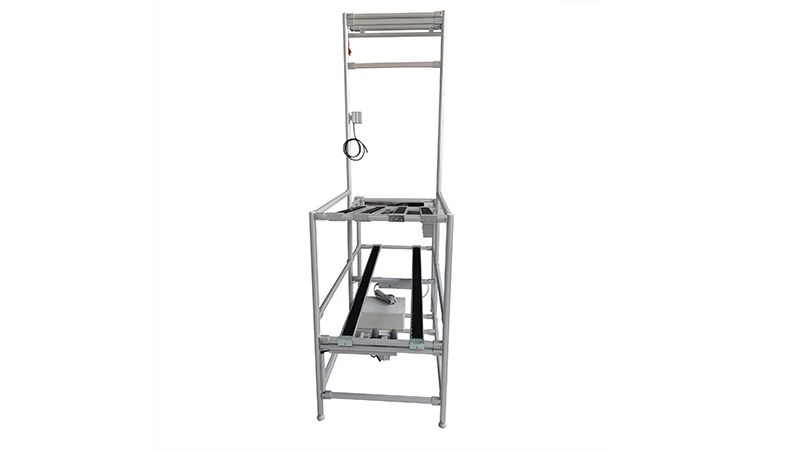
How a single workbench transforms static chaos into controlled, efficient production—one component at a time
The Hidden Threat Lurking in Every Assembly Line: Static Electricity
Imagine standing at a workbench, your hands steady as you carefully place a microchip onto a circuit board. The room is quiet except for the hum of ventilation and the soft click of tools. But beneath that calm, there's an invisible enemy: static electricity. A single spark—too small to see, too quick to feel—could fry the delicate components you're handling, turning hours of precise work into scrap. For electronics assembly workers, this isn't just a hypothetical risk; it's a daily reality. The pressure to avoid static damage weighs on every shift, turning routine tasks into high-stakes balancing acts.
Static isn't just a threat to products. It's a threat to morale, too. Workers describe the frustration of double-checking grounding straps, hesitating before touching sensitive parts, and dreading the moment a supervisor points out a defective unit traced back to static. "You start second-guessing every move," one assembly line technician told me. "Was that spark from my sweater? Did I forget to ground the workbench again?" Over time, that stress adds up—slowing down workflows, increasing errors, and eroding confidence in the tools they rely on.
Enter the Antistatic Aluminum Workbench C. More than just a surface to work on, it's a shield against the invisible, a partner in precision, and a cornerstone of modern lean systems designed to keep production moving smoothly. Let's take a closer look at how this unassuming piece of equipment is changing the game for electronics manufacturers.
Antistatic Aluminum Workbench C: Not Your Average Workbench
Walk into any well-run electronics facility, and you'll notice the difference immediately. The workbenches aren't just tables—they're command centers. And the Antistatic Aluminum Workbench C stands out from the crowd. At first glance, it's sleek: anodized aluminum profile in a neutral gray, clean lines, and a surface that looks both sturdy and refined. But pick up a tool, set it down, and you'll feel the difference. The surface doesn't cling to dust. There's no static shock when your elbow brushes the edge. This isn't just about aesthetics; it's about intention.
Unlike generic workbenches cobbled together from wood or steel, the Antistatic Aluminum Workbench C is engineered from the ground up for one purpose: protecting sensitive electronics while making workers' lives easier. It starts with the basics: a flat, level surface that won't warp under the weight of equipment. But dig deeper, and you'll find features that address the unique challenges of electronics assembly. The edges are rounded to prevent snags on wires or components. The height adjusts smoothly, so workers of different statures can stand or sit comfortably without straining. And, most importantly, every inch of it is designed to neutralize static before it becomes a problem.
"It feels like it was built for us ," said Maria, a shift lead at a smartphone component plant. "No more makeshift fixes—no duct-taping grounding mats, no jerry-rigging height adjusters. This workbench just… works. And when your tools work, you can focus on what matters: building things right the first time."

The Science of Static Shielding: What Makes an ESD Workbench Essential
To understand why the Antistatic Aluminum Workbench C is a game-changer, let's break down what makes an ESD workbench effective. ESD—Electrostatic Discharge—protection isn't just about "being grounded." It's about controlling the flow of static electricity, ensuring it dissipates safely instead of building up to damaging levels. That requires three key elements: a conductive surface, proper grounding, and consistent performance over time.
Aluminum is the star here. Unlike plastic or wood, which insulate and trap static, aluminum is a conductor. When combined with a specialized antistatic coating (or in this case, the inherent conductivity of the aluminum profile itself), it creates a path for static charges to flow away from components and into the ground. The workbench's surface resistance is carefully calibrated—low enough to conduct static, but not so low that it becomes a shock hazard to workers. It's a delicate balance, and one that generic workbenches often get wrong.
Grounding is equally critical. The Antistatic Aluminum Workbench C comes with integrated grounding points—small, unobtrusive terminals where workers can connect their wrist straps or floor mats. These points are tested during manufacturing to ensure they maintain a reliable connection to the facility's grounding system, even after years of use. "We used to have workbenches where the grounding wire would loosen or corrode," Maria recalled. "You'd think you were protected, but you weren't. With this one, the terminals are solid metal, and the connection never wavers."
But what really sets this workbench apart is its consistency. Static protection isn't a one-and-done feature; it needs to perform day in and day out, through spills, scrubbing, and the wear and tear of a busy production floor. The aluminum profile resists scratches and chemical damage from cleaning agents, ensuring the conductive properties stay intact. Even after months of use, the surface remains smooth and static-free—a reliability that gives workers peace of mind.

Built to Last: Aluminum Profile and the Durability of a Workhorse
Aluminum has a reputation for being lightweight, but don't let that fool you. The Antistatic Aluminum Workbench C is built to take a beating—and keep going. The secret lies in its aluminum extrusion process. The workbench's frame and surface are made from high-grade aluminum profile, formed by forcing heated aluminum through a die to create precise, uniform shapes. This isn't just about looks; extrusion strengthens the aluminum, making it resistant to bending or warping, even under heavy loads.
Walk around the workbench, and you'll notice little details that speak to its durability. The corners are reinforced with aluminum profile accessories—small brackets and gussets that add rigidity without adding bulk. The edges of the work surface are beveled to prevent chipping, and the whole structure feels solid, even when you lean on it or set heavy equipment (like oscilloscopes or soldering stations) on top. "We had a steel workbench before that started rusting after six months in our humid facility," one plant manager noted. "This aluminum one? It still looks brand new after two years. No rust, no dents, just easy to wipe down at the end of the shift."
Durability also means adaptability. Electronics production lines don't stay the same forever—products change, workflows evolve, and space requirements shift. The Antistatic Aluminum Workbench C's modular design, thanks to its aluminum profile, makes it easy to reconfigure. Need to add a shelf? Just slide aluminum brackets into the T-slots along the frame. Want to attach a tool rail? Screw on a connector, and you're done. It's a far cry from workbenches that require drilling holes or welding modifications—changes that cost time and money, and often leave permanent scars.

Lean System Integration: From Waste Reduction to Worker Empowerment
Lean manufacturing isn't just a buzzword; it's a philosophy centered on eliminating waste—whether that's wasted time, wasted motion, or wasted materials. The Antistatic Aluminum Workbench C isn't just a tool for static protection; it's a key player in a lean system, designed to streamline workflows and put control back in the hands of workers.
Take mobility, for example. Many models come with lockable caster wheels, allowing the workbench to be moved when production lines need reconfiguring, then locked in place for stable work. "Before, if we needed to shift a workbench, we'd have to empty it, get two people to lift, and hope we didn't scratch the floor," said a production supervisor. "Now, one person can unlock the casters and roll it into place. It saves 20 minutes per reconfiguration, easy." That might not sound like much, but over a week of frequent changes, it adds up to hours of recovered productivity.
Then there are the roller tracks. Built into the front or side of the workbench, these smooth, low-friction tracks let materials glide from one station to the next without manual lifting. Imagine a bin of circuit boards arriving at your workbench: instead of bending down to pick it up, you simply slide it along the roller track, right into position. No more straining your back, no more fumbling with heavy containers. It's a small change, but it reduces physical fatigue and speeds up material handling—two major sources of waste in traditional assembly lines.
Modularity is another lean win. The workbench's aluminum profile is compatible with a range of accessories, from tool holders to bin rails to monitor mounts. Workers can customize their space to keep frequently used items within arm's reach, reducing time spent searching for tools. "I used to have to walk 10 feet to get a screwdriver," one technician laughed. "Now it's right there on the side rail. Over a shift, that's probably 50 fewer steps. My feet thank me."
Components That Make the Difference: Roller Tracks, Caster Wheels, and the Little Things
Great products are built on great components, and the Antistatic Aluminum Workbench C is no exception. Let's zoom in on two unsung heroes: the roller tracks and caster wheels that turn a static-safe surface into a fully functional workflow hub.
Roller tracks might seem simple, but their design matters. The workbench uses plastic roller track guide rails—yellow or grey, depending on the model—to keep rollers aligned and reduce noise. Unlike metal tracks, which can clang when materials slide, these plastic rails muffle sound, making the work environment quieter and less stressful. The rollers themselves are smooth and evenly spaced, ensuring bins and trays glide without sticking. "We used to have metal tracks that would jam if a piece of debris got stuck," Maria told me. "These plastic ones? We've had them for a year, and I don't think I've cleaned them once. They just keep rolling."
Caster wheels are another detail that shines. These aren't your average office chair casters. They're heavy-duty, with rubberized wheels that grip the floor without marking it, and brakes that lock both the wheel and the swivel, preventing unwanted movement. "Stability is everything when you're working with tiny parts," explained a quality control inspector. "A workbench that drifts even an inch can throw off measurements. These casters lock solid—you can push or pull, and it doesn't budge. But unlock them, and it rolls like it's on ice. It's the best of both worlds."
Even the small accessories add up. The workbench's aluminum profile T-slots accept standard aluminum profile accessories, from cable management clips to LED light bars. No more zip-tying cords to the frame or jury-rigging lights with tape. Everything fits neatly, keeping the workspace organized and reducing trip hazards. It's these thoughtful touches that turn a good workbench into a great one.
Why Choose Antistatic Aluminum Workbench C? A Comparison That Speaks Volumes
Still not convinced? Let's put the Antistatic Aluminum Workbench C head-to-head with common alternatives. The table below compares key features that matter most to electronics assembly teams:
| Feature | Antistatic Aluminum Workbench C | Standard Steel Workbench | Plastic ESD Workbench |
|---|---|---|---|
| ESD Protection | Built-in aluminum conductivity + grounding terminals; consistent performance over time | Requires separate ESD mat (prone to wear); inconsistent grounding | Good initial ESD protection, but plastic degrades over time (loses conductivity) |
| Durability | Aluminum profile resists rust, dents, and corrosion; 5+ year lifespan | Prone to rust in humid environments; heavy and hard to move | Lightweight but scratches easily; warps under heat |
| Lean Integration | Roller tracks, caster wheels, modular accessories for workflow efficiency | Static design; hard to reconfigure; no built-in material handling | Limited accessory options; not designed for heavy loads |
| Worker Comfort | Adjustable height; rounded edges; quiet roller tracks | Fixed height; sharp edges; noisy metal surfaces | Lightweight but less stable; height often not adjustable |
The difference is clear: the Antistatic Aluminum Workbench C isn't just better at static protection—it's better at making work easier, safer, and more efficient.
Conclusion: Investing in Protection, Empowering Your Team
At the end of the day, the Antistatic Aluminum Workbench C is more than a piece of equipment. It's an investment—in product quality, in worker satisfaction, and in the lean systems that drive modern manufacturing. By neutralizing static threats, streamlining workflows, and adapting to changing needs, it turns the chaos of electronics assembly into a controlled, confident process.
Workers notice the difference. They talk about feeling "supported" by their tools, about the relief of not worrying about static, about the pride in building products they know are defect-free. "It sounds silly," one technician said, "but this workbench makes me feel like the company cares about my work. And when you feel that, you try harder. You care more."
So if you're in the electronics industry, ask yourself: What's the cost of static damage to your bottom line? What's the value of a workforce that feels confident and empowered? The Antistatic Aluminum Workbench C isn't just a solution to a problem—it's a step toward a better, more efficient, and more human way of building the technology that powers our world.