- Company Articles
- Products and Technology
- Application Cases
- Applications of 1.0mm Stainless Steel Pipe in Automotive Manufacturing

Applications of 1.0mm Stainless Steel Pipe in Automotive Manufacturing
Related Product
1.0mm Stainless Steel Pipe
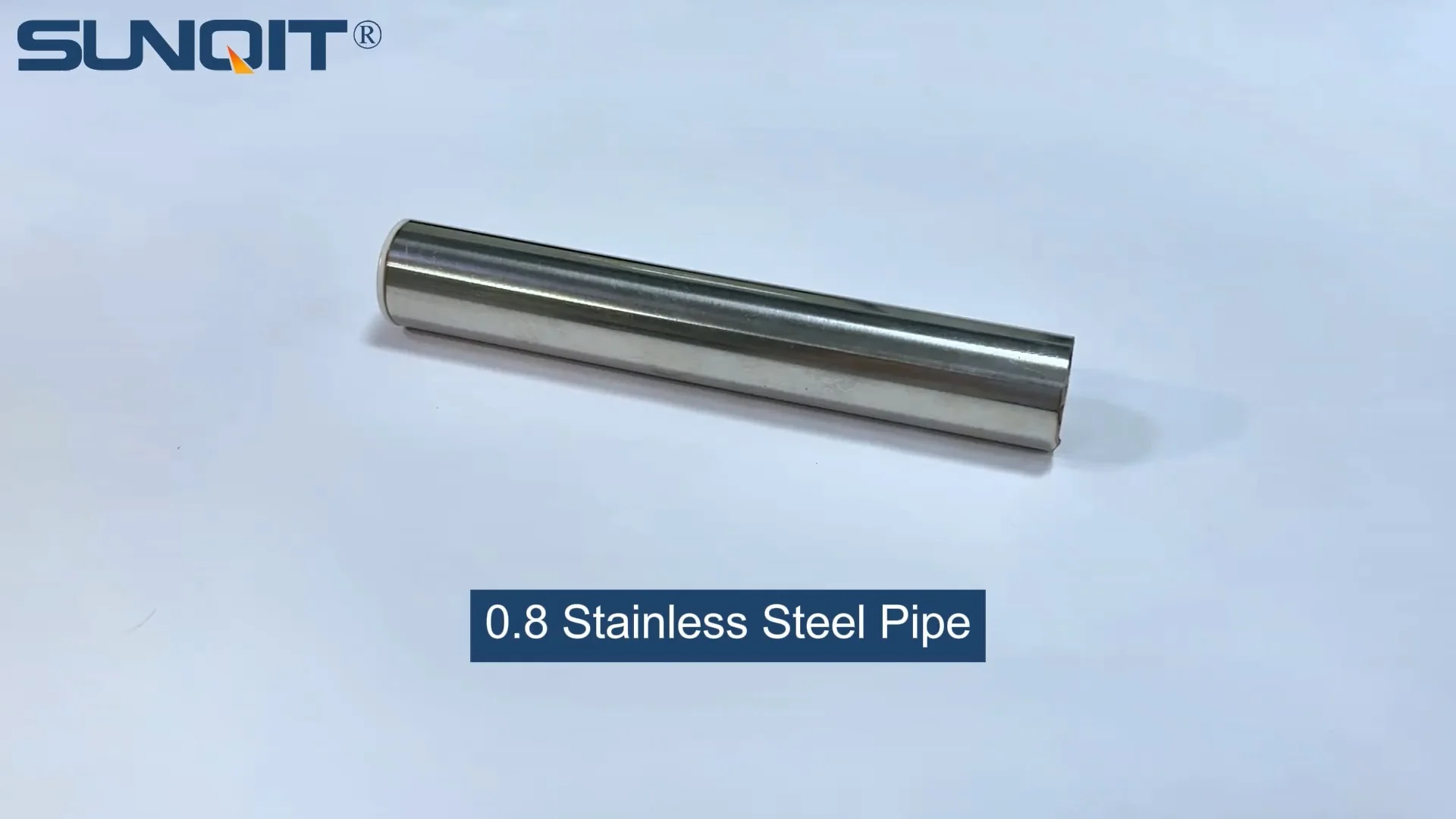
Stainless steel pipe, lean pipe, diameter is 28mm, material is SS201 or SS304, SS201 is normally used in the market. It knows a KARAKURI, KAIZEN material for industrial plant to improve efficiency, save labor cost, standard management.
Introduction: The Unsung Hero of Automotive Production Lines
Walk through any modern automotive manufacturing plant, and you'll likely be surrounded by a symphony of machinery, the hum of assembly lines, and the precise movement of parts. Behind this orchestration lies a network of materials that keep operations running smoothly—materials that are often overlooked but critical to efficiency, durability, and safety. Among these, 1.0mm stainless steel pipe has emerged as a quiet workhorse, playing a pivotal role in everything from assembly workstations to material handling systems. Its unique blend of strength, corrosion resistance, and adaptability makes it indispensable in an industry where precision and reliability are non-negotiable.
Automotive manufacturing is a world of extremes: production lines run 24/7, parts are heavy and often oily, and environments can be harsh—think exposure to cleaning agents, lubricants, and even occasional moisture. In such settings, the materials used must withstand constant wear and tear without compromising performance. This is where 1.0mm stainless steel pipe truly shines. Thinner than its 1.2mm counterpart but sturdier than lightweight alternatives like aluminum, it strikes a perfect balance that addresses the industry's most pressing needs. Let's dive into why this specific pipe has become a staple in automotive plants worldwide, and explore the key applications that make it irreplaceable.
Understanding 1.0mm Stainless Steel Pipe: Why Thickness Matters
Before delving into its applications, it's important to understand what sets 1.0mm stainless steel pipe apart. Stainless steel itself is revered for its corrosion resistance, thanks to its chromium content, which forms a protective oxide layer when exposed to oxygen. But when it comes to automotive manufacturing, thickness is a critical factor. A 1.0mm wall thickness is no arbitrary choice—it's the result of careful engineering to balance three key priorities: strength, weight, and versatility.
At 1.0mm, the pipe is thick enough to support heavy loads, such as automotive components or tools, without bending or warping over time. Yet, it's not so thick that it adds unnecessary weight, which is crucial for applications like movable trolleys or adjustable workstations where maneuverability is key. This balance is especially important in lean manufacturing environments, where every ounce of excess weight can translate to wasted energy or slower production times. Additionally, the 1.0mm thickness makes the pipe easy to cut, bend, and assemble with standard tools, allowing plants to customize structures on-site without relying on specialized equipment.
Another advantage lies in its compatibility with the broader stainless steel pipe series —a range of complementary components like joints, clamps, and connectors designed to work seamlessly with these pipes. This means automotive plants aren't just buying a pipe; they're investing in a modular system that can be reconfigured, expanded, or repurposed as production needs change. In an industry where (vehicle models) and production lines evolve rapidly, this flexibility is a game-changer.

Key Applications in Automotive Manufacturing
1.0mm stainless steel pipe isn't a one-trick pony. Its versatility allows it to be integrated into nearly every corner of an automotive plant, from the assembly line floor to storage areas. Below are the most impactful applications where it proves its worth daily.
1. Assembly Line Workbenches: Where Precision Meets Durability
Ask any automotive technician, and they'll tell you: a reliable workbench is the foundation of efficient assembly. Whether they're installing wiring harnesses, tightening bolts, or inspecting components, technicians need a stable, clean surface that can withstand the rigors of daily use. This is where 1.0mm stainless steel pipe shines as a material for workbench frames.
Unlike wooden or plastic workbenches, which can warp, crack, or harbor bacteria in hard-to-clean crevices, stainless steel workbenches are built to last. The 1.0mm pipe provides a sturdy frame that supports heavy tools, while the non-porous surface resists stains from oil, grease, or cleaning agents—critical for maintaining hygiene standards, especially in sensitive areas like electronics assembly. Many plants opt for custom workbench designs, using 1.0mm stainless steel pipe and (matching) joints to add shelves, tool hooks, or even ESD (electrostatic discharge) mats for handling delicate components. The result? A workstation that adapts to the task at hand, reduces downtime, and keeps technicians focused on what matters: building quality vehicles.
2. Material Handling Trolleys: Moving Heavy Loads with Ease
In automotive plants, parts don't stay in one place. From raw materials arriving at the loading dock to finished components being transported to the assembly line, material handling is a constant activity. Trolleys are the backbone of this process, and their frames must be strong enough to carry heavy loads—think engine parts, transmissions, or body panels—without failing. Here, 1.0mm stainless steel pipe is the material of choice.
A typical material trolley might carry 200 kg or more, and it needs to do so safely, even when navigating tight corners or uneven floors. The 1.0mm pipe's strength ensures the frame doesn't flex under pressure, while its lightweight nature keeps the trolley easy to push—reducing strain on workers and lowering the risk of injuries. What's more, the pipe's corrosion resistance means these trolleys hold up well in damp environments, such as near washing stations or outdoor loading areas, where other materials might rust or degrade. Paired with durable caster wheels (often made of rubber or polyurethane for smooth movement), 1.0mm stainless steel pipe trolleys become indispensable tools for keeping production lines supplied with parts, exactly when and where they're needed.
3. Lean System Integration: Supporting Continuous Improvement
Modern automotive manufacturing thrives on lean system principles—an approach focused on minimizing waste, maximizing efficiency, and fostering continuous improvement. Central to lean systems is the idea of "just-in-time" production, where tools, parts, and workstations are arranged to eliminate unnecessary movement or delays. 1.0mm stainless steel pipe plays a vital role here by enabling the creation of modular, adaptable structures that can evolve with production needs.
For example, consider a production line switching from assembling sedans to SUVs. The tools, parts, and workflow change, requiring workstations to be reconfigured. With 1.0mm stainless steel pipe, plants can quickly disassemble old structures (like parts racks or tool holders) and reassemble them into new layouts using the same pipes and joints. This modularity reduces downtime and avoids the cost of purchasing entirely new equipment. Additionally, the pipe's compatibility with accessories like bins, hooks, and label holders allows teams to organize tools and parts in ways that minimize search time—a classic lean strategy to cut waste. In short, 1.0mm stainless steel pipe doesn't just support lean systems; it embodies their core principles of flexibility and efficiency.
4. Component Support Structures: Keeping Production Lines Stable
Beyond workbenches and trolleys, 1.0mm stainless steel pipe is widely used in supporting the infrastructure that keeps assembly lines running. This includes everything from small component racks (holding nuts, bolts, or washers) to larger structures like conveyor guards or machine frames. In these roles, the pipe's strength and resistance to corrosion are non-negotiable.
Take conveyor systems, for instance. They're the arteries of an automotive plant, moving parts from one station to the next. The frames and guards that protect these conveyors must withstand constant vibration and occasional impacts from stray tools or falling parts. A 1.0mm stainless steel pipe frame provides the rigidity needed to keep the conveyor stable, while its smooth surface is easy to clean—important for preventing the buildup of dust or debris that could jam moving parts. Similarly, in robotic assembly cells, where precision is critical, stainless steel pipe structures ensure that sensors, fixtures, and tooling remain securely in place, even during high-speed operations. Over time, this stability translates to fewer errors, fewer repairs, and a more consistent production output.

Comparing 1.0mm Stainless Steel Pipe with Alternatives
To truly appreciate the value of 1.0mm stainless steel pipe, it helps to compare it with other materials commonly used in automotive manufacturing. Below is a breakdown of how it stacks up against aluminum pipe, 1.2mm stainless steel pipe, and PE-coated lean pipe—three popular alternatives.
| Material | Thickness | Strength (Yield Stress) | Corrosion Resistance | Weight (per meter) | Cost (Relative) | Best For |
|---|---|---|---|---|---|---|
| 1.0mm Stainless Steel Pipe | 1.0mm | 300-350 MPa | High (resists oil, water, chemicals) | ~1.5 kg | Moderate | Workbenches, trolleys, lean system structures |
| Aluminum Pipe | 1.0-1.2mm | 110-140 MPa | Moderate (prone to scratches that expose base metal) | ~0.5 kg | High | Lightweight, low-load applications (e.g., small parts racks) |
| 1.2mm Stainless Steel Pipe | 1.2mm | 300-350 MPa | High | ~1.8 kg | High | Extremely heavy loads (e.g., engine block storage) |
| PE-Coated Lean Pipe | 0.8-1.0mm (steel core) | 250-300 MPa | Moderate (coating can chip, exposing steel) | ~1.2 kg | Low | Temporary structures, low-corrosion environments |
As the table shows, 1.0mm stainless steel pipe offers the best balance of strength, weight, and corrosion resistance for most automotive applications. Aluminum is lighter but lacks the strength to support heavy loads, making it unsuitable for workbenches or trolleys carrying engine parts. 1.2mm stainless steel is stronger but heavier and more expensive, overkill for many tasks. PE-coated lean pipe is cheaper but prone to coating damage in harsh environments, leading to rust over time. For automotive plants aiming to optimize cost, durability, and performance, 1.0mm stainless steel pipe is the clear winner.
Benefits for Automotive Manufacturers: Beyond the Basics
The applications and material comparisons highlight 1.0mm stainless steel pipe's practical advantages, but its impact on automotive manufacturing goes deeper. Here are some of the less obvious but equally important benefits it brings to the table:
Long-Term Cost Savings
While 1.0mm stainless steel pipe may have a higher upfront cost than PE-coated or aluminum alternatives, its longevity translates to lower total cost of ownership. A well-maintained stainless steel structure can last 10-15 years, compared to 3-5 years for coated steel or aluminum (which may corrode or weaken over time). This means fewer replacements, less downtime for repairs, and lower maintenance costs—all critical for automotive plants operating on tight budgets.
Hygiene and Compliance
Automotive manufacturing isn't just about building cars; it's about meeting strict quality and safety standards. Stainless steel is non-porous, making it resistant to bacteria growth and easy to sanitize—an important feature in areas where food or beverages might be consumed by workers, or where sensitive electronic components are handled. Additionally, its corrosion resistance ensures that metal particles (from rusting pipes) don't contaminate parts, reducing the risk of defects in finished vehicles.
Sustainability
As the automotive industry shifts toward sustainability, 1.0mm stainless steel pipe aligns with eco-friendly goals. Stainless steel is 100% recyclable, and its long lifespan means less material ends up in landfills. Many suppliers also use recycled steel in production, further reducing the environmental footprint. For plants aiming to reduce their carbon emissions, the pipe's durability and recyclability make it a responsible choice.
Challenges and Considerations
While 1.0mm stainless steel pipe offers numerous benefits, it's not without challenges. One potential drawback is its rigidity compared to more flexible materials. Bending or shaping the pipe requires specialized tools, which can be a barrier for small plants without access to such equipment. However, this is mitigated by the availability of pre-fabricated joints and connectors in the stainless steel pipe series , which allow for easy assembly without bending.
Another consideration is thermal conductivity. Stainless steel conducts heat more slowly than aluminum, which can be an advantage in cold environments but a disadvantage if the pipe is used near heat sources (e.g., welding stations). In such cases, heat-resistant insulation or spacing from heat sources may be necessary. Finally, while stainless steel is corrosion-resistant, it's not entirely immune—exposure to highly acidic or chloride-rich environments (e.g., saltwater near coastal plants) may still cause pitting. Choosing the right grade of stainless steel (e.g., 304 or 316) can help mitigate this risk.
Future Trends: 1.0mm Stainless Steel Pipe in the Age of Smart Manufacturing
As automotive manufacturing moves toward smart factories—powered by IoT, automation, and data analytics—1.0mm stainless steel pipe is evolving to keep pace. One trend is the integration of sensors into stainless steel structures, such as workbenches or racks, to monitor load capacity, temperature, or vibration. The pipe's durability ensures these sensors remain protected, while its conductivity (though lower than copper) can facilitate wiring for data transmission.
Another trend is the rise of "digital twins"—virtual replicas of production lines used to optimize workflows. The modularity of 1.0mm stainless steel pipe makes it easy to adjust physical layouts to match digital twin simulations, ensuring plants can quickly implement changes suggested by data analysis. Additionally, as electric vehicles (EVs) become more prevalent, automotive plants are prioritizing materials that support battery production—environments where corrosion resistance and cleanliness are even more critical. 1.0mm stainless steel pipe is already being used in battery assembly workstations, where it resists the corrosive effects of electrolytes and maintains the sterile conditions needed for battery safety.
Conclusion: A Material Built for the Future of Automotive Manufacturing
In the fast-paced world of automotive manufacturing, where innovation and efficiency are constant pursuits, 1.0mm stainless steel pipe has proven itself to be more than just a material—it's a strategic asset. From supporting assembly line workbenches to enabling lean system flexibility, its unique combination of strength, corrosion resistance, and adaptability addresses the industry's most pressing challenges. As plants continue to evolve toward smart, sustainable production, this pipe will undoubtedly play an even larger role, adapting to new technologies and workflows while remaining a reliable foundation for daily operations.
For automotive manufacturers looking to stay competitive, investing in 1.0mm stainless steel pipe isn't just about buying a product—it's about investing in a system that grows with their needs. Whether it's through the modularity of the stainless steel pipe series , the durability that reduces long-term costs, or the compatibility with lean and smart manufacturing principles, this pipe is built to support the future of automotive production. So the next time you walk through a plant, take a closer look at those unassuming stainless steel structures—they're not just pipes; they're the backbone of how cars are made.