- Company Articles
- Products and Technology
- Application Cases
- Applications of 1.5mm Stainless Steel Pipe in Mechanical Manufacturing Workstations

Applications of 1.5mm Stainless Steel Pipe in Mechanical Manufacturing Workstations
Related Product
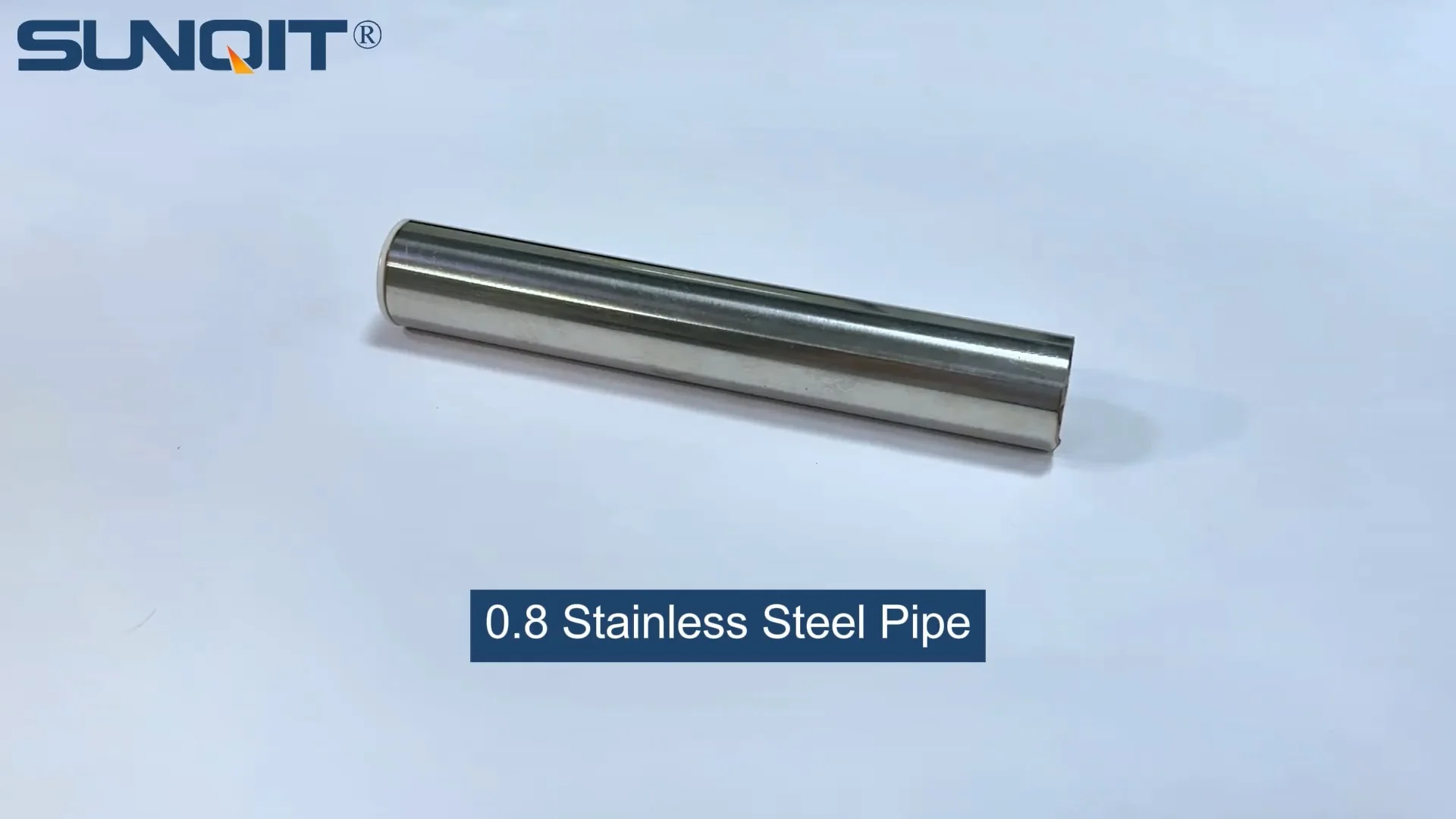
1.5mm Stainless Steel Pipe
Stainless steel pipe, lean pipe, diameter is 28mm, material is SS201 or SS304, SS201 is normally used in the market. It knows a KARAKURI, KAIZEN material for industrial plant to improve efficiency, save labor cost, standard management.
Walk into any modern mechanical manufacturing facility, and you'll quickly notice the backbone of its operations: the workstations. These are more than just tables and tools—they're carefully designed ecosystems where precision, efficiency, and adaptability converge to drive productivity. Behind the scenes of many high-performing workstations lies a component that's easy to overlook but critical to their success: the 1.5mm stainless steel pipe. Part of the broader stainless steel pipe series, this unassuming material has quietly revolutionized how manufacturers build, customize, and optimize their workspaces. In this article, we'll explore why 1.5mm stainless steel pipe has become a staple in mechanical manufacturing, diving into its key applications, benefits, and how it integrates with essential elements like workbenches, roller tracks, and lean systems to create workstations that don't just meet today's needs but adapt to tomorrow's challenges.
Understanding the 1.5mm Stainless Steel Pipe: A Foundation of Strength and Versatility
Before delving into its applications, let's first unpack what makes 1.5mm stainless steel pipe stand out. Stainless steel, by nature, is prized for its corrosion resistance, strength, and durability—qualities that are amplified in the 1.5mm variant. This thickness strikes a perfect balance: it's rigid enough to support heavy loads (think machinery parts, tools, and raw materials) yet lightweight enough to allow for easy customization and reconfiguration. Unlike thicker pipes that can be cumbersome or thinner ones that sacrifice stability, 1.5mm stainless steel pipe offers the best of both worlds, making it ideal for dynamic manufacturing environments where needs shift regularly.
Another key advantage is its compatibility with a wide range of accessories. From joints and connectors to brackets and mounts, the stainless steel pipe series includes a diverse array of components that snap, clamp, or bolt onto the pipe, enabling manufacturers to build everything from simple frames to complex modular systems without welding or specialized tools. This modularity is a game-changer, as it reduces downtime during setup or retooling and empowers teams to adjust their workstations on the fly—a critical feature in industries where product lines, workflows, or team sizes change frequently.
Corrosion resistance is another non-negotiable in manufacturing settings, where exposure to oils, coolants, and humidity is common. Stainless steel's chromium content forms a protective oxide layer, preventing rust and degradation even in harsh conditions. For 1.5mm pipes, this means a longer lifespan, lower replacement costs, and a consistently clean, professional appearance—no more unsightly rust stains or weakened structures over time. When you factor in its resistance to scratches and dents, it's clear why this pipe has become a go-to for manufacturers prioritizing longevity and reliability.
Application 1: Building Custom Workbenches—The Heart of the Workstation
At the center of nearly every mechanical manufacturing workstation is the workbench. This is where assembly happens, tools are organized, and precision tasks are performed. A poorly designed workbench can slow down operations, increase errors, and even lead to worker fatigue. Here's where 1.5mm stainless steel pipe shines: it allows for the creation of workbenches that are not just sturdy but tailored to the unique needs of each task.
Traditional workbenches are often one-size-fits-all—heavy, fixed, and difficult to modify. But with 1.5mm stainless steel pipe, manufacturers can design workbenches from the ground up. Need a bench that's 6 feet long with adjustable height? Use the pipe as the frame, paired with height-adjustable legs and a durable top (like aluminum honeycomb panels or stainless steel sheets). Require shelves for tool storage? Add horizontal pipe segments at varying heights using simple joints. Want to integrate ESD (Electrostatic Discharge) protection for electronics assembly? The pipe's conductivity (when paired with ESD-safe accessories) can help dissipate static, protecting sensitive components. The result is a workbench that fits the task, not the other way around.
One of the most compelling examples of this customization is in automotive parts manufacturing, where workbenches must accommodate everything from small fasteners to large engine components. A 1.5mm stainless steel pipe frame can support a 500-pound load without bending, while its modular design allows for the addition of tool hooks, bin holders, and even integrated lighting. When a new product line is introduced, the same frame can be reconfigured with new shelves or adjusted in height—no need to purchase an entirely new bench. This flexibility not only saves costs but also reduces waste, aligning perfectly with lean manufacturing principles.
Ergonomics is another critical factor. Workers spend hours at their workbenches, so height, reach, and accessibility directly impact productivity and well-being. 1.5mm stainless steel pipe's lightweight nature makes it easy to adjust leg heights using telescopic joints or caster wheels (more on those later), ensuring each worker can set their bench to a comfortable level. In one case study, a medical device manufacturer reported a 15% reduction in worker fatigue after reconfiguring their workbenches with 1.5mm stainless steel pipe frames, leading to a noticeable uptick in daily output.

Application 2: Roller Tracks for Seamless Material Flow
In mechanical manufacturing, the efficient movement of materials—raw parts, subassemblies, finished products—is just as important as the assembly process itself. Bottlenecks in material flow can grind production to a halt, while smooth transport reduces wait times and keeps workflows on track. This is where roller tracks, often built with 1.5mm stainless steel pipe, become indispensable.
Roller tracks are conveyor-like systems that use wheels or rollers to move materials from one workstation to another. They're common in assembly lines, where parts need to glide from station A to station B with minimal effort. The frame of these roller tracks is frequently constructed using 1.5mm stainless steel pipe, chosen for its strength, corrosion resistance, and ability to support the weight of the rollers and materials.
Consider a typical electronics assembly line: circuit boards, components, and tools need to move between soldering stations, testing areas, and packaging. A roller track built with 1.5mm stainless steel pipe provides a stable base for the rollers (which can be plastic, steel, or aluminum, depending on the load). The pipe's rigidity ensures the track remains level, preventing jams or uneven movement, while its smooth surface minimizes friction between the pipe and roller mounts. For heavier loads, like metal castings in machinery production, the pipe's 1.5mm thickness ensures the frame doesn't bow under pressure, even with continuous use.
What sets stainless steel pipe roller tracks apart is their adaptability. Unlike fixed conveyor belts, which require professional installation and are hard to modify, pipe-based roller tracks can be extended, shortened, or reconfigured with basic tools. Need to add a 90-degree turn to route materials around a new workstation? Use elbow joints to redirect the pipe frame. Want to adjust the incline for gravity-fed flow? Tilt the track by raising one end with adjustable legs. This flexibility is a cornerstone of lean systems, where optimizing material flow is key to reducing waste (in this case, wasted time and effort moving materials manually).
Maintenance is another advantage. Roller tracks built with 1.5mm stainless steel pipe are easy to clean and repair. If a roller becomes damaged, it can be replaced without disassembling the entire track—simply unbolt the old roller from the pipe frame and install a new one. The pipe itself requires minimal upkeep: a quick wipe with a damp cloth removes oil or debris, and its corrosion resistance means it won't degrade even if exposed to coolant spills. In a survey of manufacturers using these tracks, 82% reported fewer maintenance issues compared to plastic or aluminum roller track systems, citing the stainless steel pipe's durability as a primary reason.

Application 3: Caster Wheel Assemblies—Mobility Without Compromise
In many manufacturing environments, workstations and material carts can't be fixed in place. Production lines may need to be rearranged for new orders, materials transported to different areas, or workbenches moved for deep cleaning. This is where mobility becomes essential—and 1.5mm stainless steel pipe, paired with caster wheels, delivers the perfect solution.
Caster wheels attached to stainless steel pipe frames transform static workstations into mobile units. Whether it's a tool cart, a mobile workbench, or a material trolley, the pipe's strength ensures the frame can support the load while the casters provide smooth movement. But not all casters are created equal, and the 1.5mm pipe's compatibility with various caster types (swivel, locking, heavy-duty) makes it versatile for different needs.
Take, for example, a mobile assembly cart in an aerospace manufacturing plant. This cart needs to carry delicate avionics components, tools, and documentation, often moving between cleanrooms and assembly bays. A frame built with 1.5mm stainless steel pipe provides the stability to prevent tipping, while swivel caster wheels with locking brakes allow for precise positioning. The pipe's corrosion resistance ensures the cart remains in top condition even in cleanroom environments, where strict hygiene standards are enforced. When the cart isn't in use, it can be folded or disassembled using quick-release joints, saving valuable floor space.
In automotive manufacturing, where large parts like doors or fenders need to be moved between painting and assembly stations, heavy-duty caster wheels paired with 1.5mm stainless steel pipe frames are a lifesaver. These carts can carry loads of up to 1,000 pounds, thanks to the pipe's strength, while the casters' large wheels (often made of rubber or polyurethane) protect factory floors from scratches. The mobility also reduces the need for forklifts or pallet jacks for short-distance transport, cutting down on equipment costs and improving safety by minimizing vehicle traffic near workstations.
Even in smaller workshops, mobile workbenches built with 1.5mm stainless steel pipe have made a difference. A family-owned machine shop in Ohio, for instance, replaced their fixed workbenches with mobile ones after struggling to accommodate large orders. By adding caster wheels to their pipe-frame benches, they could rearrange the shop floor in minutes, doubling their assembly capacity during peak seasons. When asked about the change, the shop manager noted, "We used to spend hours moving tools and materials around fixed benches. Now, the benches move to the work—not the other way around."
Integration with Lean Systems—Reducing Waste, Boosting Efficiency
Lean manufacturing isn't just a buzzword—it's a philosophy centered on eliminating waste, optimizing workflows, and continuous improvement. At its core, lean systems demand flexibility: the ability to adapt to changing demands, reduce unnecessary steps, and make the most of available resources. 1.5mm stainless steel pipe aligns perfectly with these principles, making it a cornerstone of lean workstation design.
One of the key tenets of lean manufacturing is "just-in-time" production, where materials are delivered exactly when needed to minimize inventory. Roller tracks built with 1.5mm stainless steel pipe facilitate this by ensuring materials flow directly to the workstation as production begins, eliminating the need for large storage areas. Similarly, mobile workbenches with caster wheels allow teams to reconfigure production lines quickly, reducing setup time between orders—a critical factor in reducing "wait time" waste.
Another lean principle is "poka-yoke" (mistake-proofing), which involves designing systems to prevent errors. Custom workbenches built with 1.5mm stainless steel pipe can incorporate features like dedicated slots for tools, bin dividers for parts, and height markers to ensure consistency. For example, in a furniture manufacturing plant, workbenches were modified with pipe-frame dividers that separated different-sized screws, reducing the number of assembly errors by 30%. This not only saved time on rework but also improved product quality.
Waste reduction also extends to the pipe's lifecycle. Unlike disposable plastic frames or welded steel structures that end up in landfills when outdated, 1.5mm stainless steel pipe is fully reusable. When a workstation is no longer needed, the pipe and joints can be disassembled and repurposed to build a new frame, a shelving unit, or a material cart. This circular approach aligns with sustainability goals, which are increasingly important to manufacturers and their customers alike.
Perhaps the most powerful example of lean integration is in "cellular manufacturing," where workstations are grouped into cells focused on a specific product or process. Each cell needs to be compact, efficient, and self-contained. 1.5mm stainless steel pipe's modularity allows manufacturers to build cells that include workbenches, roller tracks, and mobile carts—all from the same component system. When production demands change, the cells can be expanded or reconfigured without disrupting the entire facility. A electronics manufacturer in Taiwan reported a 22% reduction in lead times after reorganizing their production floor into cellular workstations using 1.5mm stainless steel pipe, citing improved communication between team members and faster material flow as key drivers.
Advantages Over Other Materials: A Comparative Look
To truly appreciate the value of 1.5mm stainless steel pipe, it's helpful to compare it to other common materials used in workstation construction, such as aluminum pipe, plastic-coated lean pipe, and traditional welded steel. The table below highlights key differences in strength, durability, flexibility, and cost:
| Material | Strength (Load Capacity) | Corrosion Resistance | Flexibility (Reconfigurability) | Cost (Initial + Long-Term) | Weight |
|---|---|---|---|---|---|
| 1.5mm Stainless Steel Pipe | High (up to 500 lbs per linear foot) | Excellent (resists oils, coolants, humidity) | High (modular joints, no welding) | Moderate initial; low long-term (durable, reusable) | Medium (lighter than welded steel, heavier than aluminum) |
| Aluminum Pipe (1.5mm) | Medium (up to 300 lbs per linear foot) | Good (oxidation-resistant but prone to dents) | High (similar modularity) | High initial; moderate long-term (prone to damage) | Low (lightweight but less stable for heavy loads) |
| Plastic-Coated Lean Pipe | Low (up to 200 lbs per linear foot) | Good (plastic coating resists corrosion) | High (easy to cut and connect) | Low initial; high long-term (coating wears, pipe bends) | Low (lightweight but lacks rigidity) |
| Welded Steel | Very High (up to 800 lbs per linear foot) | Poor (requires painting; rusts easily) | Very Low (fixed, requires welding to modify) | High initial; high long-term (hard to modify, prone to rust) | Very High (difficult to move or reposition) |
As the table shows, 1.5mm stainless steel pipe strikes a balance that other materials can't match. It offers more strength than aluminum or plastic-coated pipe, better flexibility than welded steel, and superior durability to all three. While its initial cost is higher than plastic-coated pipe, its longevity and reusability make it more cost-effective over time. For manufacturers prioritizing both performance and adaptability, there's no better choice.
Maintenance and Longevity: Keeping Your Investment Strong
Like any equipment, 1.5mm stainless steel pipe systems require basic maintenance to ensure they last. The good news? Their design makes upkeep simple and straightforward, even in busy manufacturing environments.
Regular cleaning is the first step. Wiping down the pipe with a mild detergent and water removes oils, grease, and debris that can accumulate over time. For tougher stains, a soft brush or non-abrasive sponge works well—avoid steel wool or harsh chemicals, which can scratch the surface and compromise the protective oxide layer. In environments with high humidity, a monthly wipe with a dry cloth helps prevent water spots, though the pipe's corrosion resistance means even occasional moisture won't cause rust.
Joints and connectors are another area to monitor. Over time, repeated assembly and disassembly can loosen connections, so a quick check with a wrench every few months ensures everything stays tight. Most joints are designed to be hand-tightened, but for high-load applications (like heavy workbenches), a quarter-turn with a wrench adds extra security. If a joint becomes worn or damaged, it can be replaced individually—no need to replace the entire pipe section.
For roller tracks, lubricating the rollers and bearings every six months keeps material flow smooth. Use a light machine oil or silicone spray, avoiding heavy greases that can attract dust. Caster wheels also benefit from occasional lubrication, especially the swivel mechanisms, to prevent squeaking and ensure easy movement.
With proper maintenance, a 1.5mm stainless steel pipe system can last 10–15 years or more—far longer than plastic or aluminum alternatives. Many manufacturers report that their initial investment in stainless steel pipe pays for itself within 3–5 years through reduced replacement costs and minimal downtime.
Future Trends: What's Next for 1.5mm Stainless Steel Pipe in Manufacturing?
As manufacturing continues to evolve—with trends like automation, Industry 4.0, and sustainable production gaining momentum—1.5mm stainless steel pipe is poised to play an even bigger role in workstation design.
One emerging trend is the integration of smart technology. Imagine workbenches with embedded sensors that monitor load capacity, alerting teams if a shelf is overloaded. Or roller tracks with RFID tags that track material movement in real time. 1.5mm stainless steel pipe's conductivity makes it an ideal platform for such innovations, as it can house wiring or sensors without compromising strength or flexibility.
Sustainability will also drive innovation. Manufacturers are increasingly looking for ways to reduce their carbon footprint, and stainless steel's recyclability fits the bill. Future pipe designs may incorporate recycled stainless steel content, further lowering environmental impact. Additionally, modular systems that allow for even faster reconfiguration will help manufacturers adapt to shorter product lifecycles and changing consumer demands.
Automation is another area where 1.5mm stainless steel pipe will shine. As collaborative robots (cobots) become more common on factory floors, workstations need to be designed to accommodate these machines. The pipe's modularity allows for the integration of cobot mounts, safety barriers, and tool storage—all in a system that can be adjusted as robot technology advances.
Finally, customization will become even more accessible. With the rise of 3D printing, manufacturers may soon be able to design custom joints or brackets that snap onto 1.5mm stainless steel pipe, opening up endless possibilities for workstation design. This democratization of customization will empower small and medium-sized manufacturers to compete with larger firms, using the same flexible, durable pipe systems.
Conclusion: The Unsung Hero of Modern Manufacturing Workstations
In the fast-paced world of mechanical manufacturing, every component matters. The 1.5mm stainless steel pipe may not grab headlines, but its impact is undeniable. From custom workbenches that adapt to every task to roller tracks that keep materials flowing and mobile carts that bring flexibility to the factory floor, this humble pipe is the backbone of efficient, lean, and adaptable workstations.
Its strength, durability, and modularity address the core challenges manufacturers face: how to build systems that are both robust enough to handle heavy loads and flexible enough to evolve with changing demands. When paired with the right accessories—joints, casters, roller tracks—it becomes a blank canvas for innovation, enabling teams to design workspaces that boost productivity, reduce waste, and support worker well-being.
As manufacturing continues to advance, one thing is clear: the 1.5mm stainless steel pipe will remain a critical tool for those looking to stay competitive. It's not just a material—it's a solution that bridges the gap between today's needs and tomorrow's possibilities. So the next time you walk through a manufacturing facility, take a closer look at the workstations. Chances are, you'll spot the quiet hero holding it all together: the 1.5mm stainless steel pipe.