- Company Articles
- Products and Technology
- Application Cases
- Applications of Aluminum Profile Rubber Strips in Mechanical Manufacturing Workshops

Applications of Aluminum Profile Rubber Strips in Mechanical Manufacturing Workshops
Related Product
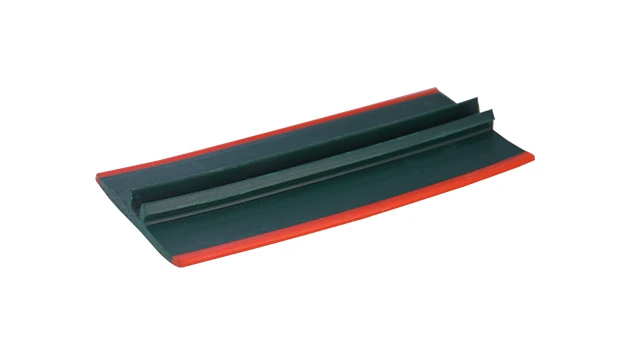
Aluminum Profile Rubber Strip
The tread strip fits into a T-slot channel and provides an anti-slip ribbed surface. It has a key pad that presses into a T-slot and is commonly used for adding traction on steps or as padding for doors. Tread strip can be ordered by rolls. The high quali
Walk into any modern mechanical manufacturing workshop, and you'll immediately notice the rhythm of precision: the hum of machinery, the careful movement of components, and the quiet focus of workers assembling, testing, and refining products. Behind this orchestration of efficiency lies a network of tools and systems designed to streamline processes, enhance safety, and reduce waste. At the heart of many of these systems are aluminum profiles—lightweight, durable, and infinitely adaptable structures that form the backbone of workbenches, material racks, conveyor systems, and more. Yet, for all their robustness, aluminum profiles often rely on a small but mighty companion to truly shine: the aluminum profile rubber strip. These unassuming accessories, often overlooked in the grand scheme of manufacturing, play a critical role in turning functional structures into optimized, worker-friendly environments. In this article, we'll explore how aluminum profile rubber strips integrate into daily workshop operations, their key benefits, and why they've become indispensable in modern lean system setups.
Understanding Aluminum Profile Rubber Strips: More Than Just "Strips"
Before diving into their applications, let's take a moment to appreciate what aluminum profile rubber strips are—and why they matter. Made from high-quality elastomers (often EPDM, silicone, or neoprene), these strips are designed to fit snugly into the T-slots or along the edges of aluminum extrusion profiles. They come in various sizes, colors (most commonly black, grey, or yellow for visibility), and hardness levels, tailored to specific workshop needs. Unlike rigid metal components, rubber strips bring flexibility and resilience to aluminum structures, bridging gaps, dampening vibrations, and creating a buffer between hard surfaces. Think of them as the "cushion" that turns a cold, industrial frame into a practical, user-centric tool.
What makes these strips so valuable? For starters, their material composition. EPDM rubber, for example, offers excellent resistance to oils, chemicals, and temperature fluctuations—critical in workshops where exposure to lubricants, coolants, or high-heat processes is common. Silicone variants, on the other hand, excel in extreme temperature environments, making them ideal for workshops with welding or heat-treatment stations. Neoprene, known for its durability and flexibility, is a go-to for high-wear areas like workbench edges or conveyor guides. Beyond material, their design is intuitive: most feature a T-shaped or U-shaped cross-section that snaps easily into aluminum profile T-slots, requiring no special tools or adhesives. This "snap-and-go" installation saves time during setup and allows for quick replacements if a strip becomes worn—a small detail that aligns perfectly with the principles of lean manufacturing, where minimizing downtime is key.
| Rubber Strip Material | Key Properties | Best For | Installation Tip |
|---|---|---|---|
| EPDM | Chemical/oil resistance, -40°C to 150°C temperature range | Workbenches near lubrication stations, material racks with oily components | Clean T-slot with a dry cloth before insertion for a tight fit |
| Silicone | High heat resistance (-60°C to 230°C), low toxicity | Welding workstations, heat-treatment areas, food-grade manufacturing | Avoid stretching during installation to prevent premature wear |
| Neoprene | Durable, flexible, good impact absorption | Conveyor guides, tool storage racks, high-traffic workbench edges | Use a rubber mallet to tap into place for extra security |
| Nitrile | Oil/grease resistance, excellent tensile strength | Automotive part assembly lines, heavy machinery workshops | Pair with aluminum profile end caps to prevent fraying at strip edges |
Application 1: Workbench Optimization—Where Comfort Meets Precision
Workbenches are the command centers of any manufacturing workshop. Whether workers are assembling circuit boards, testing engine parts, or packaging finished goods, a well-designed workbench can mean the difference between smooth operations and frustrating delays. Aluminum profile workbenches, with their modular design, are already a favorite for their adjustability—height, surface area, and accessory mounting can all be customized. But without rubber strips, these workbenches can feel cold, hard, and unforgiving. Here's how rubber strips transform them:
Edge Protection for Tools and Workers: Picture a technician assembling small electronic components on an aluminum workbench. A moment of distraction, and a precision screwdriver slips off the edge, clattering to the floor. Not only does this risk damaging the tool, but the noise disrupts focus, and the time spent retrieving it breaks workflow. Aluminum profile rubber strips, installed along the edges of the workbench, act as a soft barrier. The rubber's elasticity cushions the fall, reducing tool damage and noise. For workers, the strips also soften the hard aluminum edges, preventing accidental scrapes or bruises during long shifts—small comforts that add up to reduced fatigue and higher morale.
Non-Slip Surfaces for Delicate Components: In precision industries like aerospace or medical device manufacturing, even the smallest component (a 0.5-inch washer, a microchip) can't afford to slip. Smooth aluminum workbench surfaces, while easy to clean, offer little friction. By lining the workbench's T-slots with rubber strips (or attaching them to custom brackets), workshops create micro-grooves that grip components, preventing slippage during assembly. This is especially critical for ESD (Electrostatic Discharge) workbenches, where static-sensitive parts like circuit boards must be handled with extreme care. Rubber strips, often formulated with anti-static additives, add an extra layer of protection by dissipating static charges—turning a basic workbench into a safe zone for sensitive electronics.
Noise Reduction in High-Traffic Areas: A busy workshop is inherently noisy, but unnecessary clatter from tools, parts, and equipment only adds to the chaos. When metal components (like nuts, bolts, or small gears) are placed on bare aluminum, they create a sharp, echoing sound. Rubber strips dampen these impacts, absorbing vibrations and reducing noise levels by up to 30% in some cases, according to workshop ergonomics studies. Over time, this quieter environment reduces worker stress and improves communication—essential for teams collaborating on complex assemblies.

Application 2: Lean System Integration—Streamlining Flow, Minimizing Waste
Lean manufacturing isn't just a buzzword; it's a philosophy centered on eliminating waste (muda) and maximizing value. From 5S organization to just-in-time production, lean systems rely on every component working in harmony to keep workflows smooth and efficient. Aluminum profile rubber strips play a surprisingly vital role here, particularly in material handling and process flow.
Guiding Materials on Roller Tracks: Roller tracks are the arteries of many lean systems, transporting parts from one workstation to the next. Whether it's a gravity-fed flow rack or a motorized conveyor, the goal is to move materials with minimal friction and precise alignment. Aluminum profile rubber strips, when installed along the edges of roller tracks, act as "lane dividers" for components. For example, in an automotive parts workshop, where small brackets or washers might shift during transport, rubber strips prevent items from veering off track or jamming between rollers. This not only reduces the need for manual intervention (a classic form of waste) but also ensures that parts arrive at the next workstation in the correct orientation—saving workers time that would otherwise be spent sorting or repositioning items.
Ergonomic Material Racks: Material racks, like the "material rack b (3 row and 3 floor)" common in many workshops, are designed to keep parts organized and accessible. But when workers repeatedly reach for heavy or awkwardly shaped items, the risk of strain increases. Rubber strips, attached to the front edges of rack shelves, provide a non-slip grip that stabilizes boxes or bins during retrieval. This makes it easier to pull out a bin of fasteners or a tray of gears without it sliding forward and spilling. Additionally, the rubber's flexibility reduces the "snap" when bins are pushed back into place, preventing damage to both the bin and the rack—extending the life of equipment and reducing replacement costs (another lean win).
Customizable Workflow Adaptations: One of the strengths of aluminum profiles is their modularity—workshops can reconfigure workbenches, racks, or conveyors as production needs change. Rubber strips support this adaptability by being easy to remove, replace, or reposition. For example, if a workshop shifts from assembling small parts to larger components, the roller tracks might need wider lanes. Old rubber strips can be popped out of the T-slots and replaced with wider ones in minutes, without disassembling the entire track. This agility ensures that lean systems don't become rigid over time; they evolve with the workshop, keeping waste to a minimum.

Application 3: Safety First—Protecting Workers and Equipment
In manufacturing, safety isn't optional—it's the foundation of every productive workshop. Slippery floors, sharp edges, and unprotected machinery pose constant risks, but aluminum profile rubber strips offer simple, cost-effective solutions to mitigate these hazards.
Anti-Slip Surfaces for Walkways and Platforms: Many workshops use elevated aluminum platforms (e.g., for accessing overhead conveyor systems) or walkways between workstations. These surfaces, while durable, can become slippery when oil, coolant, or water is spilled. By installing rubber strips with textured surfaces (often with raised patterns or grooves) along these walkways, workshops significantly reduce slip-and-fall risks. The rubber's high coefficient of friction provides traction even when wet, and its flexibility ensures it conforms to the platform's shape, leaving no gaps for debris to collect.
Impact Absorption for Moving Equipment: Turnover trolleys, a staple in material transport, often collide with workbenches, racks, or walls during busy shifts. Over time, these impacts can dent aluminum profiles, loosen joints, or damage nearby equipment. Rubber strips, attached to the corners of trolleys or the edges of workbenches, absorb the shock of collisions. For example, a "turnover trolley and rack" equipped with rubber strips on its front bumper will gently bounce off a workbench instead of denting it—protecting both the trolley and the bench. This not only reduces repair costs but also minimizes downtime caused by equipment damage.
Fire and Chemical Resistance: In workshops handling flammable materials or harsh chemicals, safety takes on an added layer of complexity. Rubber strips made from flame-retardant materials (like silicone or chloroprene) slow the spread of fire, providing valuable time for workers to evacuate or contain small fires. Similarly, chemical-resistant strips (like EPDM or nitrile) prevent corrosive substances from seeping into aluminum profile T-slots, where they could weaken the structure over time. For example, in a paint shop, where solvent spills are common, EPDM rubber strips lining material racks act as a barrier, protecting the aluminum from degradation and ensuring the rack remains stable for years.
Case Study: How a Automotive Parts Workshop Boosted Efficiency with Rubber Strips
To illustrate the real-world impact of aluminum profile rubber strips, let's look at a case study from a mid-sized automotive parts workshop in the Midwest. Specializing in brake system components, the workshop had been struggling with two persistent issues: frequent tool damage on workbenches and jams in their gravity-fed flow racks. Workers complained about tools slipping off edges, and the maintenance team was spending 10+ hours weekly unjamming parts in the flow racks—time that could have been spent on more critical tasks.
After consulting with their aluminum profile supplier, the workshop decided to install EPDM rubber strips along workbench edges and neoprene strips in the flow rack roller tracks. The results were striking:
- Tool damage reduced by 65%: The rubber strips cushioned falls, and the non-slip surface kept tools from sliding. Workers reported fewer broken screwdrivers and calipers, saving the workshop ~$2,000/month in replacement costs.
- Flow rack jams dropped by 90%: The neoprene strips guided small brake components (like washers and clips) along the roller tracks, preventing them from wedging between rollers. Maintenance time on the racks fell to less than 1 hour/week, freeing up staff to focus on preventive maintenance for machinery.
- Worker satisfaction scores rose by 22%: In post-implementation surveys, workers highlighted the "quieter, less stressful" environment and appreciated the reduced risk of scrapes from workbench edges. Lower turnover and higher morale translated to a 5% increase in daily production output.
This case study isn't an anomaly. Across industries, workshops that invest in small, worker-centric improvements like aluminum profile rubber strips often see outsized returns in efficiency, safety, and morale.
Choosing the Right Rubber Strip: A Buyer's Guide
With so many options available, selecting the right aluminum profile rubber strip for your workshop can feel overwhelming. Here are key factors to consider:
Workshop Environment: Assess the conditions your strips will face. Do you need heat resistance (welding areas), chemical resistance (oil/lubricant exposure), or anti-static properties (electronics assembly)? Match the material to the environment.
Installation Location: Edge strips need to be durable and impact-resistant, while T-slot strips prioritize a snug fit. Measure the T-slot width or edge thickness of your aluminum profiles to ensure the strip size matches (common sizes include 6mm, 8mm, and 10mm for T-slots).
Color Coding for Organization: Many workshops use color to categorize zones (e.g., yellow for caution areas, green for finished goods). Rubber strips are available in a range of colors, making them a simple tool for visual management—aligning with 5S principles of "sort" and "set in order."
Supplier Reliability: Work with a reputable aluminum profile accessories supplier who can provide consistent quality and technical support. Ask for samples to test in your workshop before committing to bulk orders—this ensures the strip performs as expected in real-world conditions.
Conclusion: Small Strips, Big Impact
In the grand tapestry of mechanical manufacturing, aluminum profile rubber strips may seem like minor threads. But as we've explored, they are the connective tissue that turns functional structures into optimized, worker-centric systems. From protecting tools and reducing noise on workbenches to streamlining flow in lean systems and enhancing safety across the workshop, these strips deliver tangible benefits that ripple through every aspect of operations.
The next time you walk through a workshop, take a closer look at the aluminum profiles. Chances are, you'll spot rubber strips quietly doing their job—softening edges, guiding parts, and keeping workers safe. They're a reminder that in manufacturing, success often lies in the details: the small, intentional choices that transform a good workshop into a great one. For manufacturers looking to boost efficiency, safety, and morale, aluminum profile rubber strips aren't just accessories—they're essential investments in the future of their operations.