- Company Articles
- Products and Technology
- Application Cases
- Applications of Lean Pipe Clamps in Medical Industry Workstations

Applications of Lean Pipe Clamps in Medical Industry Workstations
Related Product
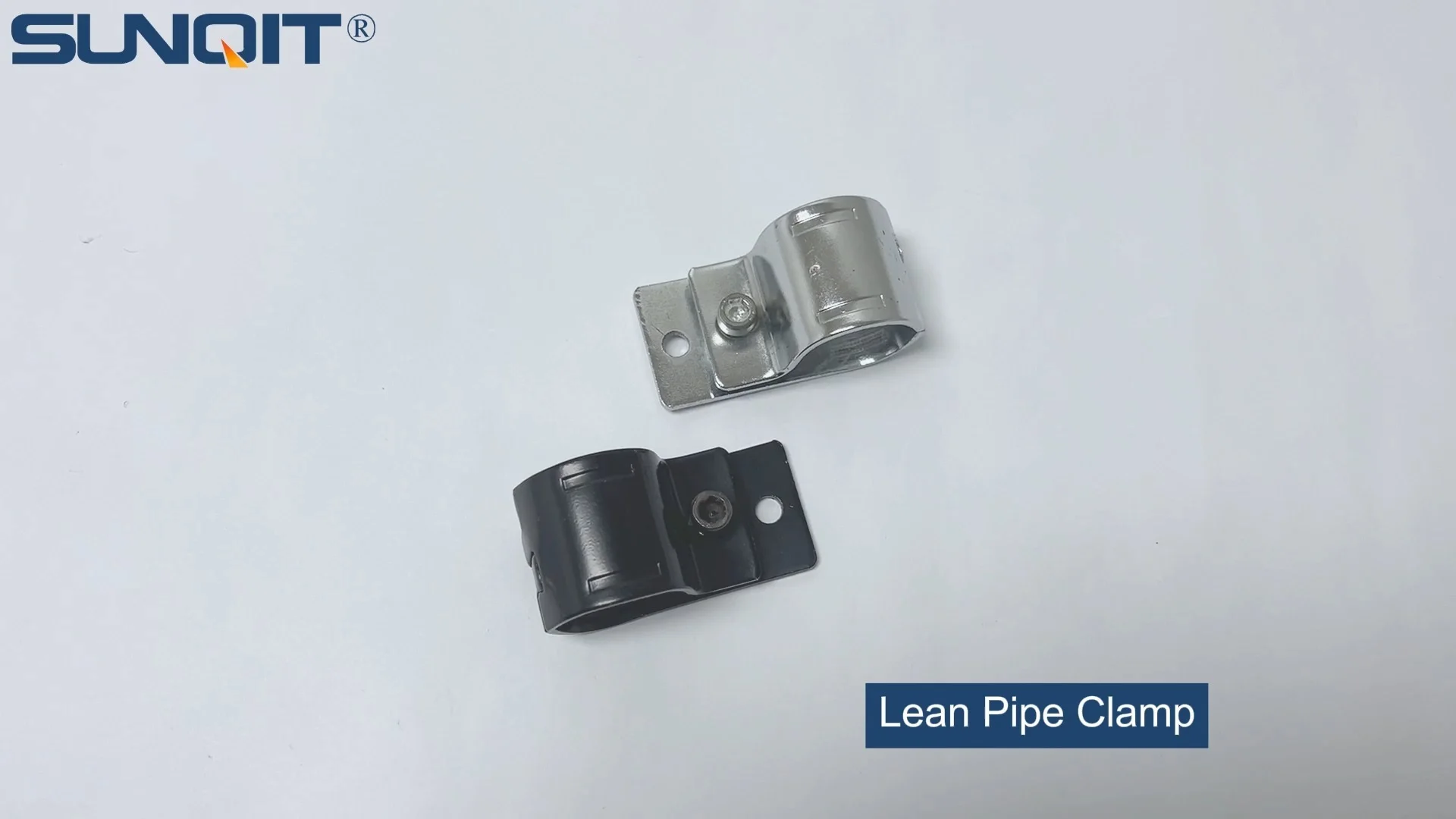
Lean Pipe Clamp
Lean pipe clamp is used for rack system hang monitor or other panel for workbenck, flowrack in production daily use.
In the fast-paced world of medical manufacturing, laboratory research, and healthcare facilities, every detail matters. From the precision of surgical instruments to the safety of pharmaceutical packaging, the workstations that support these processes play a critical role in ensuring efficiency, compliance, and ultimately, patient well-being. One often-overlooked component that quietly elevates these workstations is the lean pipe clamp —a simple yet versatile tool that forms the backbone of modular, adaptable, and efficient workspaces. As part of broader lean system principles, lean pipe clamps enable medical facilities to design workstations that grow, change, and improve alongside evolving needs, without sacrificing hygiene, safety, or productivity.
This article explores how lean pipe clamps transform medical industry workstations, from surgical instrument assembly lines to ESD-sensitive device labs. We'll dive into their design benefits, real-world applications, and why they've become indispensable in environments where precision and flexibility are non-negotiable.
Understanding Lean Pipe Clamps: The Building Blocks of Adaptive Workstations
At first glance, a lean pipe clamp might seem unassuming—a small, often metallic component designed to connect and secure pipes, profiles, or panels. But its true power lies in its simplicity and adaptability. Lean pipe clamps are engineered to work with aluminum profile systems, stainless steel pipes, and other modular materials, allowing users to build, modify, and reconfigure workstations with minimal tools and downtime. Unlike fixed, one-size-fits-all furniture, these clamps turn static workbenches into dynamic, customizable hubs that can be tailored to specific tasks, whether that's assembling delicate catheters or organizing lab samples.
In medical settings, where standards are rigorous and workflows are constantly evolving, this flexibility is game-changing. For example, a pharmaceutical company might need to adjust its packaging line to accommodate a new vial size; with lean pipe clamps, the workstation can be reconfigured in hours, not days. Similarly, a hospital lab might switch from blood testing to COVID-19 sample processing—lean pipe clamps make it easy to add shelves, tool holders, or ESD-safe surfaces as needed.
Materials matter too. Many lean pipe clamps are made from aluminum or stainless steel, chosen for their resistance to corrosion, ease of cleaning, and compatibility with sterile environments. Aluminum, in particular, offers a lightweight yet durable option, making it ideal for workstations that need to be moved or adjusted frequently. Some clamps even feature ESD (Electrostatic Discharge) coatings, critical for protecting sensitive medical devices like pacemakers or microchips from static damage—a detail we'll explore further in later sections.
Why Lean Pipe Clamps Are a Must for Medical Workstations: Key Benefits
Medical workstations face unique challenges: they must adhere to strict hygiene standards (think frequent sanitization with harsh chemicals), support precise, repetitive tasks (to reduce human error), and adapt to new technologies or regulations. Lean pipe clamps address all these needs and more. Let's break down their most impactful benefits:
1. Modularity: Adapt Without Overhauling
Traditional workstations are often fixed in design—if your needs change, you either live with inefficiencies or invest in a brand-new setup. Lean pipe clamps eliminate this trade-off. By connecting aluminum profiles or pipes, they allow for quick adjustments: add a shelf to hold extra tools, lower a work surface to reduce technician fatigue, or reposition a material rack to improve workflow. This modularity is especially valuable in medical manufacturing, where product lines can shift seasonally or in response to public health demands (e.g., vaccine production surges).
2. Hygiene and Compliance: Easy to Clean, Built to Last
Medical environments are no place for crevices that trap dirt or materials that degrade under sanitization. Lean pipe clamps, often made from smooth aluminum or stainless steel, have minimal seams, making them easy to wipe down with disinfectants. Unlike wooden workbenches, which can harbor bacteria, or plastic components that crack under repeated cleaning, metal clamps stand up to daily sanitization protocols, ensuring compliance with FDA, ISO, and OSHA standards.
3. ESD Protection: Safeguarding Sensitive Devices
Many medical devices, from insulin pumps to neurological monitors, contain microelectronics sensitive to static electricity. An electrostatic discharge as small as 250 volts can damage these components—a risk that's amplified in dry lab or manufacturing environments. ESD-compliant lean pipe clamps, often paired with esd workstation setups, help ground static charges, protecting both the devices and the patients who rely on them. These clamps are typically made with conductive materials or coated with anti-static finishes, ensuring a continuous path to ground that prevents voltage buildup.
4. Cost-Effectiveness: Long-Term Savings Over Fixed Furniture
While the upfront cost of modular lean systems might be slightly higher than basic workbenches, the long-term savings are significant. Instead of replacing entire workstations when needs change, you simply reconfigure the existing setup using clamps and additional pipes. This reduces waste and lowers capital expenses over time. For small clinics or startups, this flexibility can be the difference between scaling operations affordably and being stuck with underperforming equipment.

Real-World Applications: How Lean Pipe Clamps Transform Medical Workstations
To truly appreciate the impact of lean pipe clamps, let's look at their practical applications across different areas of the medical industry. From assembly lines to lab benches, these clamps are quietly enhancing productivity and safety every day.
1. Surgical Instrument Assembly Workstations
Surgical instruments—scalpels, forceps, endoscopes—require meticulous assembly to ensure they meet sterility and precision standards. Workstations for this task need to organize tiny components (screws, springs, blades) within easy reach, while keeping tools and parts separated to prevent cross-contamination. Lean pipe clamps excel here by allowing technicians to build custom workbench setups with adjustable dividers, tool hooks, and component trays.
For example, a manufacturer of laparoscopic tools might use aluminum profiles connected by lean pipe clamps to create a multi-tiered workstation. The lower tier holds sterilized components in labeled bins, the middle tier serves as the assembly surface (fitted with an ESD mat), and the upper tier holds frequently used tools like torque drivers—all adjustable to the technician's height to reduce strain. If a new instrument model requires different tool placement, the clamps can be loosened, and the profiles repositioned in minutes.
2. ESD-Sensitive Medical Device Labs
In labs where sensitive electronics are handled—such as those producing pacemakers or hearing aids—static electricity is a constant threat. ESD workstations, built with lean pipe clamps, are designed to neutralize this risk. The clamps, often made from conductive aluminum or stainless steel, are grounded via a cable to the building's electrical system, ensuring any static charge generated by technicians (e.g., from moving across the floor) is safely dissipated. Even the work surface itself, often an aluminum profile topped with an ESD mat, is secured with clamps that maintain the grounding path.
Consider a lab producing neurostimulators: these devices contain microchips that can be damaged by as little as 100 volts of static. By using ESD-compliant lean pipe clamps to build the workstation, the lab ensures that every component—from the tool rack to the component bin—is grounded. This not only protects the devices but also reduces costly rework or product recalls.
3. Pharmaceutical Packaging and Material Handling
Pharmaceutical packaging lines demand precision and speed, with little room for error. Whether filling pill bottles, labeling vials, or packaging IV bags, the flow of materials must be smooth to avoid jams or contamination. Lean pipe clamps play a key role here by securing roller tracks, conveyors, and material racks, ensuring consistent alignment and stability.
For instance, a vaccine manufacturer might use lean pipe clamps to build a custom flow rack for vials. The clamps attach aluminum profiles to create inclined tracks, allowing vials to glide gently from the filling station to the capping station. If the vial size changes (e.g., from 5ml to 10ml), the clamps can be adjusted to widen the track or steepen the incline, ensuring the new vials flow without tipping. This adaptability is critical in fast-moving environments where production runs can shift overnight.
4. Laboratory Testing and Research Benches
Medical research labs are hubs of constant innovation, where protocols change as new studies begin or funding priorities shift. A bench used for DNA sequencing one month might need to be reconfigured for cell culture the next. Lean pipe clamps make these transitions seamless. Researchers can add shelves for microscopes, secure fume hoods, or attach reagent bottle holders—all without drilling holes or hiring contractors.
Take a university lab studying infectious diseases: during a flu outbreak, the lab might need to expand testing capacity, requiring additional workspaces for sample processing. Using lean pipe clamps, existing benches can be extended with aluminum profiles, adding extra surface area and storage. When the outbreak subsides, the clamps can be removed, and the benches returned to their original size—no waste, no extra cost.

Comparing Lean Pipe Clamps: Which Type Works Best for Medical Settings?
Not all lean pipe clamps are created equal. Different designs serve different purposes, and choosing the right one depends on your workstation's needs—whether you prioritize adjustability, ESD protection, or heavy-duty support. Below is a breakdown of common clamp types and their ideal applications in medical environments:
| Clamp Type | Material | Key Feature | Best For | Medical Application Example |
|---|---|---|---|---|
| Standard Fixed Clamp | Aluminum or Stainless Steel | Secure, non-adjustable connection | Stable work surfaces or permanent racks | Mounting ESD mats to assembly workbenches |
| Swivel Joint Clamp | Aluminum with Nylon Bushings | 360° rotation for flexible positioning | Tool holders or adjustable shelves | Positioning forceps or scalpels within easy reach of assembly technicians |
| ESD-Compliant Clamp | Conductive Aluminum or Coated Steel | Static-dissipative properties; grounded | ESD-sensitive device workstations | Securing components in pacemaker assembly labs |
| Heavy-Duty Aluminum Profile Clamp | Thick-Gauge Aluminum | High weight capacity (up to 500 lbs) | Supporting heavy equipment or material racks | Holding autoclaves or centrifuges on lab benches |
| Quick-Release Clamp | Aluminum with Plastic Levers | Tool-free adjustment for rapid reconfiguration | Workstations with frequent setup changes | Switching between blood testing and urine analysis setups in a hospital lab |
When selecting a clamp, consider factors like load capacity (will it hold heavy equipment?), material compatibility (does it work with your existing aluminum profiles?), and cleaning requirements (is it resistant to disinfectants?). For most medical applications, aluminum or stainless steel clamps are preferred for their durability and hygiene benefits. ESD-compliant clamps are a must if you're working with electronics, while quick-release clamps shine in fast-paced environments where setup times matter.

Overcoming Challenges: Lean Pipe Clamps in High-Standard Medical Environments
While lean pipe clamps offer numerous advantages, medical facilities must address potential challenges to maximize their effectiveness. Here are common hurdles and how to solve them:
Challenge 1: Ensuring Compatibility with Strict Cleaning Protocols
Medical workstations are often sanitized with strong chemicals (e.g., bleach, alcohol-based cleaners) that can corrode low-quality metals. To avoid this, choose clamps made from high-grade stainless steel (304 or 316 series) or anodized aluminum, which resists corrosion. Avoid painted clamps, as the finish can chip, creating crevices for bacteria. Regularly inspect clamps for signs of wear, and replace any with pitting or rust—even small defects can compromise hygiene.
Challenge 2: Maintaining ESD Continuity
For ESD workstations, every component (clamps, pipes, work surfaces) must be grounded to prevent static buildup. A single ungrounded clamp can break the static-dissipative path, putting devices at risk. To avoid this, use clamps specifically labeled as ESD-compliant, and test grounding continuity regularly with a multimeter. Additionally, ensure all connections are tight—loose clamps can create gaps in the grounding path.
Challenge 3: Balancing Flexibility with Stability
Modular systems are designed to be adjustable, but that doesn't mean they should wobble. In medical settings, instability can lead to spills, dropped tools, or inaccurate work. To ensure stability, use heavy-duty clamps for load-bearing components (e.g., material racks), and secure workstations to the floor or wall if needed. For mobile workbenches, pair clamps with locking casters to prevent movement during use.
The Future of Medical Workstations: Lean Pipe Clamps and Beyond
As medical technology advances, so too will the demands on workstations. From AI-driven diagnostic equipment to personalized medicine production, tomorrow's labs and manufacturing facilities will need to be even more adaptable, efficient, and safe. Lean pipe clamps, with their focus on modularity and flexibility, are poised to play an even bigger role in this future.
We're already seeing innovations: clamps with integrated sensors to monitor ESD levels in real time, or lightweight carbon fiber designs for ultra-portable workstations. Some manufacturers are even developing "smart" clamps that connect to facility management systems, alerting teams when a workstation needs reconfiguration or maintenance. These advancements will only the value of lean pipe clamps in medical settings, making them not just tools for adaptation, but for proactive optimization.
Conclusion: Small Clamps, Big Impact on Medical Excellence
In the medical industry, where precision, safety, and efficiency can mean the difference between life and death, every component of the workflow matters. Lean pipe clamps may be small, but their impact is profound: they turn static workstations into dynamic, adaptable hubs that keep pace with evolving technologies, regulations, and patient needs. Whether securing an ESD-safe bench for pacemaker assembly or reconfiguring a lab bench for a new research study, these clamps embody the lean principles of continuous improvement—helping medical facilities do more with less, without compromising on quality.
As we look to the future, one thing is clear: the medical workstations of tomorrow will be built on the foundation of today's lean pipe clamps—modular, hygienic, and ready to adapt. For facility managers, technicians, and researchers, that means better workflows, safer products, and ultimately, better care for patients around the world.