- Company Articles
- Products and Technology
- Application Cases
- Applications of Roller Track Placon Mount Center Support Bracket in 3C Assembly Lines

Applications of Roller Track Placon Mount Center Support Bracket in 3C Assembly Lines
Related Product
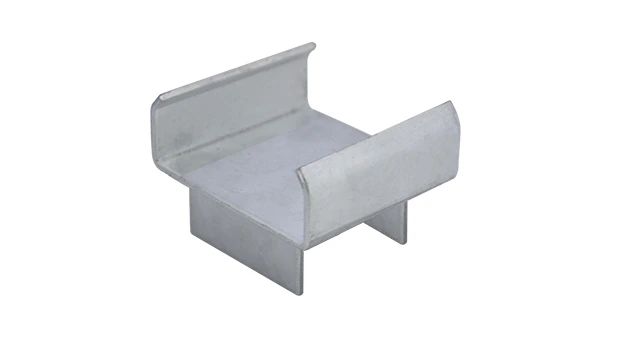
Roller Track Placon Mount Center Support Bracket
Roller track placon mount work as a connector for roller track and pipe or aluminum profile in rack syetem, it is a necessary parts in rack system which widely used in industrial plant and logistic,warehouse storage.
The Heartbeat of Modern 3C Assembly: Why Roller Track Systems Matter
In the fast-paced world of 3C manufacturing—where smartphones, laptops, and electronic components are assembled at lightning speed—every second counts. Production lines here aren't just about machines; they're about rhythm. A single bottleneck, a wobbly conveyor, or a misaligned material flow can throw off the entire beat, leading to delays, errors, and frustrated workers. That's where lean system solutions step in, and at the core of many of these solutions lies a humble yet critical component: the roller track placon mount center support bracket.
You might not notice it at first glance, but this unassuming bracket is the unsung hero that keeps roller tracks stable, materials flowing smoothly, and assembly lines humming. In 3C assembly, where precision is non-negotiable and product models change faster than seasonal trends, flexibility and reliability aren't just nice-to-haves—they're survival tools. Let's dive into how this small but mighty part plays a big role in keeping 3C production lines efficient, adaptable, and ready for whatever the next innovation brings.
What Is a Roller Track Placon Mount Center Support Bracket, Anyway?
Before we jump into applications, let's get clear on what we're talking about. Roller tracks are the workhorses of material handling in assembly lines—they use a series of wheels or rollers to move parts, components, or even entire subassemblies from one workstation to the next. But a roller track is only as good as its support system. That's where the placon mount center support bracket comes in.
Think of it as the backbone of the roller track. Installed along the length of the track, especially in longer sections or areas carrying heavier loads, this bracket provides crucial mid-point support. It prevents sagging, reduces vibration, and ensures the track stays aligned even when parts are zipping along at high speeds. Made from durable materials like aluminum or steel, it's designed to handle the daily wear and tear of a busy 3C factory—scratches, impacts, and constant movement included.
But here's the kicker: not all support brackets are created equal. The "placon mount" design refers to how it attaches—typically to aluminum profiles or workbench frames—using standardized holes and connectors. This means it's easy to install, adjust, or reposition, which is a game-changer in 3C lines where layouts might need to shift for a new phone model or a updated laptop design.

3C Assembly Challenges: Why Standard Brackets Just Don't Cut It
3C assembly lines face unique challenges that make generic support brackets obsolete. Let's break down the biggest ones:
- Tiny, Delicate Parts: From microchips to camera lenses, 3C components are often small and sensitive. A wobbly track can jostle parts, leading to scratches, misalignment, or even damage.
- Frequent Line Reconfigurations: When a new smartphone model launches, production lines might need to be rearranged in days, not weeks. Fixed, rigid support systems slow this process down.
- High-Speed Flow: 3C lines move fast—some can process hundreds of units per hour. A sagging track or loose bracket can cause jams, bringing the entire line to a halt.
- ESD Sensitivity: Many 3C components are electrostatic discharge (ESD) sensitive. Metal brackets need to be grounded, and materials must avoid generating static that could fry a $100 chip.
The roller track placon mount center support bracket addresses all these issues. Its sturdy design keeps tracks stable for delicate parts; its modular mounting lets lines reconfigure quickly; its durability handles high speeds; and when made with ESD-safe materials, it even protects sensitive electronics. Now, let's see how this translates to real-world use.

5 Key Applications in 3C Assembly Lines
1. Feeding Components to Pick-and-Place Workstations
In 3C assembly, pick-and-place robots are everywhere—they grab tiny components like resistors or capacitors and place them onto circuit boards with pinpoint accuracy. But these robots need a steady stream of components, often delivered via roller tracks from nearby storage bins or kitting areas.
Here's where the center support bracket shines. Imagine a 10-foot roller track carrying trays of capacitors. Without mid-point support, the track might sag in the middle, causing the trays to slow down or even get stuck. The bracket keeps the track level, so the trays glide smoothly to the robot. No delays, no jams, no missed cycles. Workers don't have to stop to unjam tracks, and robots stay on schedule—everyone wins.
2. Connecting ESD Workstations in Final Assembly
Final assembly of devices like laptops or tablets often happens at ESD workstations—specialized benches grounded to prevent static damage. These workstations are usually arranged in a sequence: one worker installs the screen, the next adds the keyboard, the next tests the ports, and so on. Roller tracks connect these workstations, moving the half-assembled device along the line.
The placon mount bracket is critical here for two reasons. First, it ensures the track stays level between workstations, so the device doesn't tip or slide off as it moves. Second, its aluminum or ESD-coated steel construction can be grounded along with the workstation, adding an extra layer of protection for sensitive internal components. Workers can focus on their tasks without worrying about static zapping a device—or the track suddenly shifting mid-assembly.
3. Supporting Heavy Subassemblies in Battery Installation
Batteries are some of the heaviest components in 3C devices, especially in laptops or tablets. Installing them requires moving battery packs—often weighing 1-2 pounds each—from storage to the assembly line. A roller track carrying these packs needs serious support.
Long roller tracks (say, 15 feet or more) without center support would bow under the weight of multiple battery packs, leading to uneven movement or even track failure. The center support bracket distributes the load evenly, so the track remains straight and stable. This not only prevents damage to the batteries but also reduces strain on workers who might otherwise have to lift heavy packs manually—cutting down on fatigue and injury risk.
4. Enabling Quick Changeovers for Model Updates
Anyone in 3C manufacturing knows the drill: as soon as you've perfected the assembly line for Model X, Model X+1 is announced, with a slimmer design or new port layout. Suddenly, your roller tracks need to be shorter, longer, or rerouted to fit the new workstation setup.
Traditional welded or bolted support brackets are a nightmare here—they take hours to remove and reinstall, and you might even need to drill new holes in the floor. The placon mount design changes the game. Because it attaches to aluminum profiles using T-slot connectors, you can loosen a few screws, slide the bracket to a new position, and tighten it back up—all in minutes. No drilling, no welding, no downtime. This flexibility is why lean solution providers swear by modular components like this bracket.
5. Reducing Maintenance Headaches in High-Volume Lines
In a 3C plant running 24/7, maintenance is a constant battle. Every minute a line is down for repairs costs money. Roller tracks with flimsy support brackets need frequent checks—tightening loose bolts, replacing bent parts, realigning sagging sections. The placon mount center support bracket, with its robust construction and secure mounting, cuts down on this. Its materials resist corrosion and wear, and the standardized design means replacement parts are easy to stock and swap in. Maintenance teams can focus on bigger issues, not babysitting roller tracks.
Traditional vs. Placon Mount Bracket: A 3C Assembly Showdown
| Feature | Traditional Fixed Bracket | Roller Track Placon Mount Center Support Bracket |
|---|---|---|
| Installation Time | 2-3 hours (requires drilling, welding) | 15-30 minutes (T-slot mounting, no special tools) |
| Weight Capacity | Limited (sags under heavy/long loads) | High (supports up to 200 lbs per section) |
| Reconfigurability | Low (permanent mounting, hard to adjust) | High (easily moved/removed for line changes) |
| ESD Compatibility | Often no (needs additional grounding mods) | Yes (available in ESD-safe materials/coatings) |
| Maintenance Frequency | Weekly (check for sagging, loose bolts) | Monthly (minimal checks, standardized parts) |
| Cost Over Time | Higher (frequent replacements, downtime) | Lower (durable, low maintenance, flexible) |
Real-World Impact: A 3C Manufacturer's Success Story
Let's put this into perspective with a real example (names changed for privacy). A major smartphone manufacturer in China was struggling with their final assembly line for a new flagship model. The line used traditional roller tracks with basic end supports, and they were facing two big issues: frequent jams when moving battery trays (due to sagging tracks) and slow changeovers when switching between 6.7-inch and 6.1-inch screen variants.
They switched to a lean system solution that included roller tracks with placon mount center support brackets. The results? Sagging was eliminated, cutting jams by 80%. Changeover time between models dropped from 4 hours to just 45 minutes, since the brackets could be quickly repositioned to adjust track length. Workers reported less frustration with stuck trays, and the maintenance team saw a 60% reduction in track-related repair requests. Within three months, the investment in better brackets paid for itself in reduced downtime and improved productivity.
Beyond 3C: Where Else Does This Bracket Shine?
While 3C assembly is a standout application, the roller track placon mount center support bracket isn't a one-trick pony. It's equally at home in other manufacturing sectors that value lean principles—think automotive parts assembly, medical device production, or even warehouse logistics. Anywhere material flow needs to be smooth, reliable, and adaptable, this bracket delivers. But in 3C, with its unique mix of precision, speed, and constant change, it truly becomes indispensable.
Choosing the Right Bracket: What 3C Manufacturers Should Look For
Not all placon mount brackets are the same. When shopping for your 3C line, keep these tips in mind:
- Material Matters: Aluminum is lightweight and corrosion-resistant, making it great for most 3C applications. For heavier loads, steel might be better. If ESD is a concern, look for brackets with ESD coatings or made from conductive materials.
- Mounting Flexibility: Ensure it's compatible with your existing aluminum profiles or workbench systems. Standardized T-slot mounting is a must for quick adjustments.
- Load Rating: Check the bracket's weight capacity—don't just go by "strong enough." Calculate the maximum load your track will carry (including worst-case scenarios) and choose a bracket rated for 1.5x that to be safe.
- Supplier Support: Lean solution suppliers who specialize in 3C manufacturing will understand your unique needs. They can help you design the right track layout and select the perfect bracket, saving you time and trial-and-error.
Final Thoughts: Small Part, Big Difference in 3C Assembly
In the grand scheme of 3C manufacturing, the roller track placon mount center support bracket might seem like a small detail. But in a world where efficiency and adaptability are everything, small details add up. This bracket doesn't just hold up a roller track—it holds up the rhythm of the line, the productivity of workers, and the success of the entire operation.
So the next time you walk through a 3C plant and see parts gliding smoothly from station to station, take a closer look. Chances are, there's a placon mount center support bracket quietly doing its job, keeping the beat steady and the line moving forward. And in 3C manufacturing, that's not just a component—that's a competitive edge.