- Company Articles
- Products and Technology
- Application Cases
- Applications of Roller Track Placon Mount Joints in Automated Material Handling

Applications of Roller Track Placon Mount Joints in Automated Material Handling
Related Product
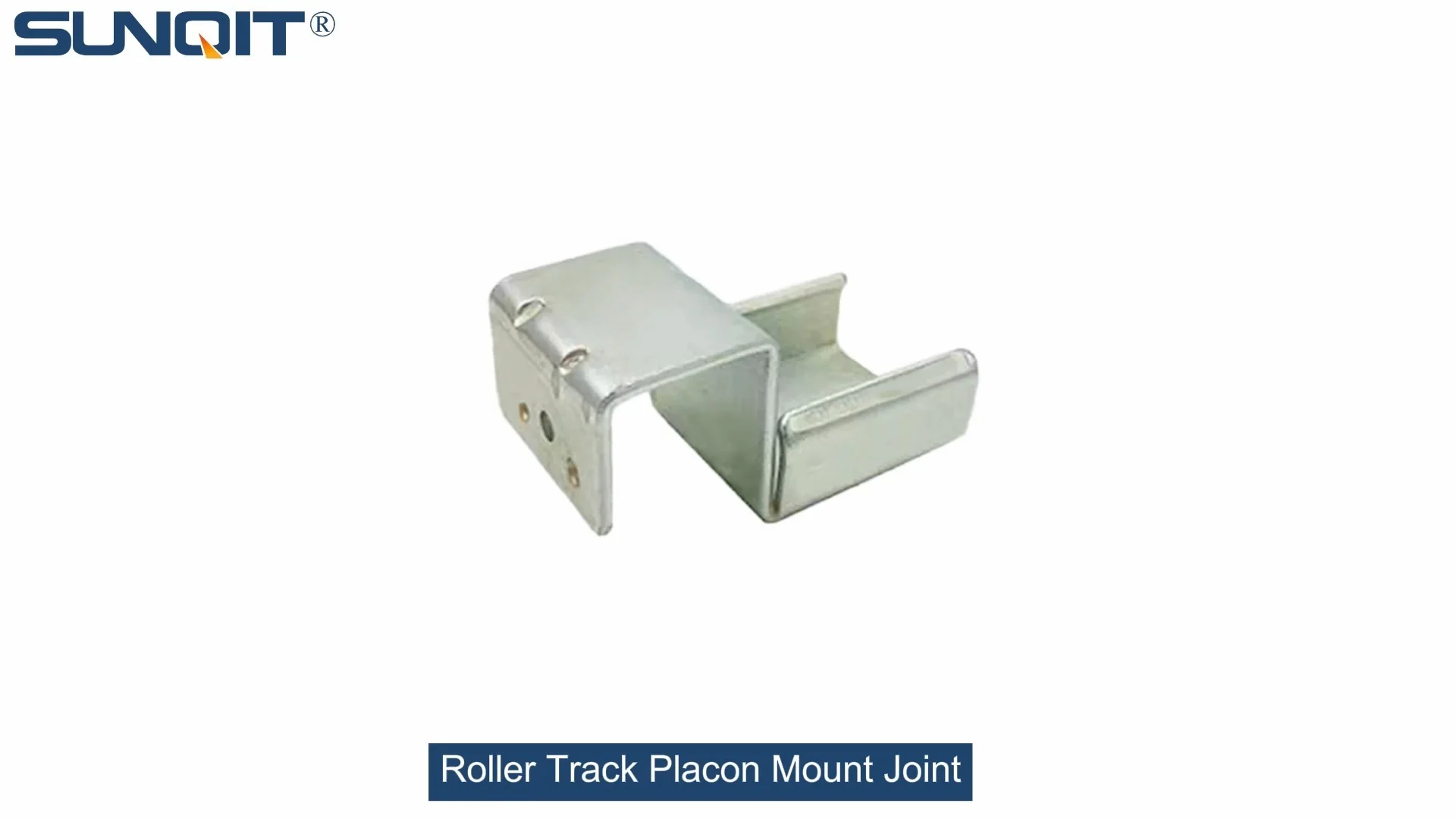
Roller Track Placon Mount Joint
Roller track placon mount work as a connector for roller track and pipe or aluminum profile in rack syetem, it is a necessary parts in rack system which widely used in industrial plant and logistic,warehouse storage.
In the fast-paced world of modern manufacturing, where every second counts and efficiency is the backbone of success, automated material handling has emerged as a game-changer. It's the invisible force that keeps production lines moving, warehouses organized, and products flowing seamlessly from assembly to delivery. But behind this efficiency lies a network of small yet critical components—parts that might not grab headlines but are essential to keeping the entire system running smoothly. Among these unsung heroes are roller track placon mount joints, the quiet connectors that turn rigid structures into flexible, adaptable material handling solutions. Let's dive into how these unassuming components are revolutionizing automated material handling across industries, making operations smarter, more resilient, and ready for the challenges of tomorrow's manufacturing landscape.
Understanding Roller Track Placon Mount Joints: More Than Just Connectors
Before we explore their applications, let's take a moment to truly understand what roller track placon mount joints are and why they matter. At first glance, they might seem like simple pieces of hardware—small, often aluminum-based components designed to connect roller tracks to frames or other structures. But look closer, and you'll see they're engineered with a purpose: to bridge the gap between rigidity and flexibility in material handling systems. Unlike traditional welding or bolted connections that lock structures in place, placon mount joints are designed for quick assembly, easy adjustments, and repeated reconfiguration. They're the embodiment of the lean manufacturing philosophy—prioritizing adaptability, waste reduction, and continuous improvement.
Most placon mount joints are crafted from high-grade aluminum, chosen for its winning combination of strength, lightweight properties, and resistance to corrosion. This material choice isn't arbitrary; aluminum ensures the joints can withstand the daily wear and tear of busy warehouses and production floors without adding unnecessary weight to the system. Some variants even come with ESD (Electrostatic Discharge) coatings, making them safe for sensitive environments like electronics manufacturing, where static electricity can damage delicate components. The design of these joints is equally thoughtful: precision-engineered slots, grooves, and mounting points allow them to attach seamlessly to aluminum profiles, roller tracks, and other lean system components, creating a unified structure that's both sturdy and agile.
Applications in Automated Material Handling: Where Flexibility Meets Functionality
Now, let's turn to the real-world impact of roller track placon mount joints. These components shine in automated material handling systems, where the ability to move goods quickly, safely, and with minimal human intervention is key. Below are some of the most critical applications where placon mount joints prove their value, transforming ordinary roller tracks into dynamic, responsive tools.
1. Warehousing and Distribution: Streamlining the Flow of Goods
Warehouses are the heartbeat of supply chains, and any delay or inefficiency here ripples through the entire operation. Roller track systems, equipped with placon mount joints, are the circulatory system that keeps this heartbeat steady. In picking and packing areas, for example, gravity-fed flow racks rely on roller tracks to move boxes and totes from the storage end to the picking front. Here, placon mount joints ensure the roller tracks are perfectly aligned, preventing jams and ensuring a smooth, consistent flow—even when handling varying weights and package sizes.
But the magic doesn't stop at alignment. Warehouses often need to reconfigure their layouts to accommodate seasonal demand spikes, new product lines, or changes in order patterns. With traditional fixed connections, rearranging a flow rack could take hours or even days, requiring tools, specialized labor, and downtime. Placon mount joints change the game: a single worker can loosen a few bolts, adjust the angle or position of the roller track, and resecure the joint in minutes. This agility means warehouses can adapt on the fly, turning a once-disruptive process into a quick, routine adjustment. Imagine a busy e-commerce fulfillment center during the holiday season—when orders surge and every inch of space matters. With placon mount joints, managers can reconfigure roller track systems overnight to prioritize high-demand items, ensuring packages move from shelves to shipping docks faster than ever before.
2. Production Assembly Lines: Enhancing Efficiency and Worker Wellbeing
Move from the warehouse to the production floor, and the role of placon mount joints becomes even more critical. In industries like automotive, 3C electronics (computers, communications, consumer electronics), and appliance manufacturing, assembly lines are complex ecosystems where components must move precisely from one workstation to the next. Roller tracks, connected by placon mount joints, act as the conveyor belt of these ecosystems, transporting parts like circuit boards, engine components, or appliance panels with pinpoint accuracy.
Consider a 3C assembly line producing smartphones. Each step—from attaching screens to installing batteries—requires components to arrive at the right workstation at the right time. A misaligned roller track could cause a delay, leading to bottlenecks downstream. Placon mount joints ensure the roller tracks stay aligned, even as the line vibrates during operation. But their value goes beyond stability: they also support ergonomic design. Workers on assembly lines often spend hours standing in one spot, and awkwardly positioned roller tracks can lead to strain or injury. With placon mount joints, supervisors can adjust the height, angle, or slope of the roller track to match the height of the workstation or the reach of the workers, reducing fatigue and making the workplace safer and more comfortable. It's a small change that has a big impact on morale and productivity—because happy, healthy workers are more efficient workers.
3. Medical Device Manufacturing: Precision in Sensitive Environments
Not all manufacturing environments are created equal, and some—like medical device production—demand the highest levels of precision, cleanliness, and compliance. Here, roller track systems with placon mount joints aren't just about efficiency; they're about meeting strict regulatory standards and ensuring patient safety. Medical devices, from surgical tools to diagnostic equipment, require assembly in cleanrooms where dust, static, and contamination are enemy number one. Aluminum placon mount joints, with their smooth surfaces and corrosion-resistant properties, are easy to clean and sanitize, making them ideal for these environments.
Moreover, medical device production often involves small-batch, high-variety manufacturing, as different devices (or even different models of the same device) require unique assembly processes. Placon mount joints allow manufacturers to quickly reconfigure roller track systems to accommodate these changes without disrupting the entire production line. For example, a facility producing both pacemakers and insulin pumps can switch between roller track setups in minutes, ensuring each product gets the specialized handling it needs. This flexibility is crucial in an industry where innovation moves fast, and the ability to adapt to new designs or regulatory changes can make or break a company's success.
4. Food and Beverage Logistics: Hygiene and Speed in Perishable Supply Chains
While we often associate roller tracks with heavy-duty manufacturing, they play a vital role in more delicate industries too—like food and beverage logistics. Here, the challenge is twofold: moving perishable goods quickly to prevent spoilage, and maintaining strict hygiene standards to ensure food safety. Roller track systems with placon mount joints rise to both challenges. Aluminum's non-porous surface resists bacterial growth, and the joints' modular design makes disassembly for deep cleaning a breeze—no more hard-to-reach crevices where dirt can hide.
In cold storage facilities, where temperatures can drop below freezing, traditional steel joints might rust or seize up over time. Aluminum placon mount joints, however, stand up to extreme cold, ensuring roller tracks keep moving even in sub-zero conditions. This reliability is critical when shipping fresh produce or frozen goods, where delays can lead to significant financial losses. Whether it's moving crates of vegetables through a packing facility or transporting bottles along a bottling line, placon mount joints ensure the system stays operational, efficient, and compliant with food safety regulations.

The Advantages of Placon Mount Joints: Why They Outperform Traditional Connections
By now, it's clear that roller track placon mount joints are versatile—but what exactly sets them apart from traditional connection methods? Let's break down their key advantages, from cost savings to sustainability, that make them a smart choice for modern material handling systems.
| Feature | Traditional Connections (Welding/Bolts) | Roller Track Placon Mount Joints |
|---|---|---|
| Installation Time | Hours to days (requires skilled labor) | Minutes (no specialized tools needed) |
| Reconfigurability | Fixed; requires cutting/welding to modify | Easy adjustments; reusable after disassembly |
| Maintenance | High (rust, corrosion, bolt loosening) | Low (aluminum resists corrosion; simple tightening) |
| Weight | Heavy (steel-based) | Lightweight (aluminum construction) |
| Cost Over Time | Higher (labor, downtime, replacement parts) | Lower (reduced labor, minimal downtime, reusability) |
Speed and Agility: Time is Money, and Placon Mount Joints Save Both
In manufacturing, downtime is the enemy of productivity. Every minute a production line or warehouse is offline for reconfiguration or repairs eats into profits. Traditional connection methods like welding or bolting require skilled workers, specialized equipment, and hours (if not days) of work. Placon mount joints eliminate this bottleneck. With their snap-on or quick-bolt designs, even a worker with minimal training can assemble or adjust a roller track system in a fraction of the time. This speed isn't just convenient—it's a competitive advantage. A company that can reconfigure its material handling system in hours instead of days can respond faster to market changes, launch new products sooner, and keep up with customer demand during peak seasons.
Sustainability: Building a Greener Manufacturing Future
Today's manufacturers aren't just focused on profits—they're also committed to reducing their environmental footprint. Here, placon mount joints align perfectly with sustainability goals. Made from aluminum, a highly recyclable material, these joints can be reused, repurposed, or recycled at the end of their lifecycle, reducing waste sent to landfills. Unlike traditional steel connections that might rust and need replacement, aluminum joints are durable and long-lasting, minimizing the need for frequent replacements. Additionally, their lightweight design reduces the energy required to transport and install them, lowering carbon emissions. For companies aiming to achieve lean manufacturing or circular economy goals, placon mount joints are more than a component—they're a step toward a more sustainable operation.
Compatibility: Playing Well with Others in the Lean System
No component works in isolation, and placon mount joints excel at collaborating with other lean system components to create holistic material handling solutions. They pair seamlessly with aluminum profiles, the versatile building blocks of lean systems, allowing manufacturers to build custom frames, workstations, and racks that integrate with roller tracks. When combined with conveyors, they create continuous flow systems that move goods from one process to the next without manual intervention. Even with specialized components like ESD workbenches or stainless steel roller tracks, placon mount joints ensure compatibility, making it easy to upgrade or expand existing systems without starting from scratch. This interoperability is key in today's manufacturing landscape, where systems are rarely static and often need to grow with the business.

Real-World Impact: How Companies Are Benefiting Today
To truly appreciate the value of roller track placon mount joints, let's look at how they're making a difference for companies across industries. Take, for example, a mid-sized automotive parts manufacturer struggling with bottlenecks in its assembly line. The company's old roller track system used welded connections, and whenever they needed to adjust the track to accommodate a new part size, they had to shut down the line for a full day, hire a welder, and redo the connections. This not only cost them production time but also led to missed deadlines and frustrated customers. After switching to roller track systems with placon mount joints, they reduced reconfiguration time from 24 hours to just 2 hours. The result? They could now adjust the line during off-hours, avoid production shutdowns, and meet customer demand more reliably. Workers also reported less strain, as the adjustable tracks reduced the need for bending and reaching—proving that sometimes, the smallest components can lead to the biggest improvements.
Another example comes from a large e-commerce fulfillment center facing seasonal spikes in order volume. During the holiday rush, the center needed to double its picking capacity, but its fixed roller track system couldn't handle the increased flow of totes. With placon mount joints, they were able to add additional roller track lanes and reconfigure existing ones to create a more efficient sorting path—all in a single weekend. The center saw a 30% increase in order processing speed that season, with no additional labor costs. For a business where customer satisfaction depends on fast shipping, this was a game-changer.

Looking Ahead: The Future of Roller Track Placon Mount Joints
As manufacturing continues to evolve—driven by trends like Industry 4.0, automation, and the need for greater sustainability—the role of components like roller track placon mount joints will only grow. We can expect to see even more innovation in their design, with features like integrated sensors that monitor joint tightness or track usage, alerting maintenance teams before issues arise. There's also potential for smarter materials, such as aluminum alloys blended with recycled content to reduce environmental impact without sacrificing strength. Additionally, as more manufacturers adopt modular, scalable material handling systems, placon mount joints will become even more critical as the "glue" that holds these systems together, allowing for quick expansion or downsizing as business needs change.
Perhaps most exciting is the potential for placon mount joints to support the rise of "lights-out" manufacturing—fully automated facilities that operate with minimal human intervention. In these environments, reliability and adaptability are paramount, and placon mount joints' low maintenance, high durability, and easy integration with automated systems make them the perfect fit. They're not just components; they're enablers of the factories of the future.
Conclusion: The Quiet Revolution in Material Handling
In the grand scheme of manufacturing, roller track placon mount joints might not get the attention of robots or AI-powered systems, but they're no less important. They're the unsung heroes that turn rigid structures into flexible, responsive systems, making automated material handling more efficient, adaptable, and human-centered. From warehouses to assembly lines, from medical facilities to e-commerce hubs, these small but mighty components are quietly revolutionizing how goods move through the supply chain—one connection at a time. As we look to the future of manufacturing, it's clear that the success of automated material handling will depend not just on big-ticket technologies, but on the thoughtful, innovative design of the components that make those technologies work. And in that story, roller track placon mount joints will continue to play a starring role—proving that sometimes, the most impactful solutions come in the smallest packages.