- Company Articles
- Products and Technology
- Application Cases
- Applications of T-Slot Rubber Seal Covers in Mechanical Manufacturing: From Assembly to Storage

Applications of T-Slot Rubber Seal Covers in Mechanical Manufacturing: From Assembly to Storage
Related Product
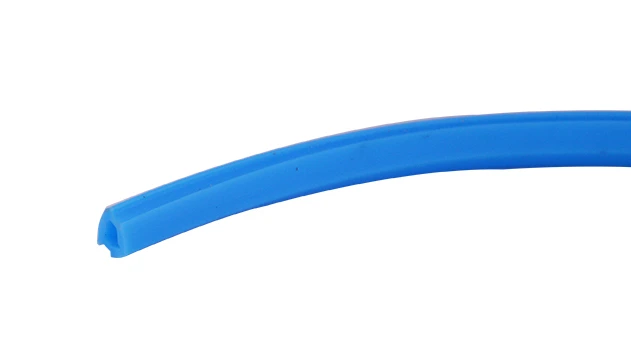
T-slot Rubber Seal Cover
The rubber T-slot seal cover prevents dust and debris buildup, covers wires in the T-slot channel, and adds an extra layer of protection to applications. It rolls into the T-slot, making it easy to assemble.
In the bustling world of mechanical manufacturing, where precision and efficiency reign supreme, it's often the smallest components that quietly keep operations running smoothly. While large machinery and advanced robotics grab the headlines, there's a unsung hero working behind the scenes: the T-slot rubber seal cover. These unassuming strips of flexible material, designed to fit snugly into the T-slots of aluminum profiles, play a critical role in everything from assembly line workbenches to storage racks. They're the silent guardians of organization, safety, and longevity—qualities that make or break a manufacturing facility's productivity. Let's dive into how these tiny but mighty components transform assembly floors and storage areas, and why they've become indispensable in modern lean manufacturing systems.
What Are T-Slot Rubber Seal Covers, Exactly?
To understand their impact, let's start with the basics. T-slot rubber seal covers are flexible, often ribbed or smooth strips made from materials like EPDM (ethylene propylene diene monomer), silicone, or PVC. Their primary job? To seal the open T-slots found in aluminum extrusion profiles—the modular building blocks of everything from workbenches to conveyor frames. If you've ever walked through a factory, you've likely seen these aluminum profiles: sleek, lightweight, and full of rectangular slots that allow for easy attachment of accessories like shelves, brackets, or tools. But left uncovered, those slots can become a liability.
Imagine a busy assembly line where workers are rushing to meet production targets. A stray screw, a sprinkle of metal shavings, or even a worker's glove catching on an exposed T-slot could lead to delays, damaged parts, or worse—injuries. T-slot rubber seal covers solve this by creating a smooth, protective barrier. They're available in various colors, including common industrial shades like yellow and grey (a nod to the practicality of color-coding work zones), and they're designed to withstand the wear and tear of daily manufacturing life: impacts, temperature fluctuations, and exposure to oils or cleaning agents.
The Unsung Benefits: Why T-Slot Rubber Seal Covers Matter
At first glance, T-slot rubber seal covers might seem like a "nice-to-have" rather than a "need-to-have." But ask any plant manager or maintenance technician, and they'll tell you these small components deliver big returns. Let's break down their key benefits:
Safety First, Always : Exposed T-slots are a hidden hazard. Their sharp edges can snag clothing, cut hands, or even damage delicate components like wiring or hoses run through the slots. By covering these slots, T-slot rubber seal covers turn a potential danger into a smooth, safe surface. This is especially critical in areas with high foot traffic, like near aluminum workbenches where operators stand for hours, or around conveyor systems where materials are constantly moving.
Dust, Debris, and the Battle Against Grime : Manufacturing floors are messy places. Metal shavings, sawdust, lubricants, and even moisture can find their way into T-slots, turning them into catch-alls for gunk. Over time, this buildup can jam accessories, corrode the aluminum profile, or make it impossible to adjust shelves or brackets. T-slot covers act as a barrier, preventing debris from settling in. This not only reduces maintenance time (no more scraping out slots with a screwdriver!) but also extends the life of the aluminum profiles themselves—a win for any facility aiming to reduce waste and cut costs.
Noise Reduction: A Quieter, Calmer Workspace : Anyone who's worked in a factory knows how loud it can get. The clatter of machinery, the hum of conveyors, and the constant movement of parts create a cacophony that can drain worker focus. T-slot rubber seal covers help dampen some of this noise. When tools, parts, or even workers' arms brush against covered slots, the rubber absorbs impact, reducing the sharp "clink" or "scrape" that would otherwise echo across the floor. It's a small change, but a quieter workspace is a more productive one—studies show that lower noise levels improve concentration and reduce fatigue.
Aesthetic and Organizational Value : Lean manufacturing isn't just about efficiency—it's about order. A cluttered, disorganized workspace signals chaos, while a clean, streamlined environment fosters focus. T-slot rubber seal covers contribute to this by giving aluminum profiles a finished, professional look. They also help with organization: different colors can be used to mark zones (e.g., yellow for high-traffic areas, grey for storage), making it easier for workers to navigate the floor and locate tools or materials quickly.

From Assembly Lines to Storage Racks: Where T-Slot Covers Shine
Now that we understand their "why," let's explore their "where." T-slot rubber seal covers are versatile, popping up in nearly every corner of a manufacturing facility. Below, we'll focus on two critical areas: assembly lines and storage systems—where their impact is most tangible.
Assembly Lines: Precision at Every Step
Assembly lines are the heartbeat of manufacturing, and they demand precision. Every tool, every part, and every surface must be optimized for speed and accuracy. T-slot rubber seal covers fit right into this ecosystem, enhancing everything from workbenches to conveyor systems.
Aluminum Workbenches: The Technician's Command Center : Walk up to any modern assembly workbench, and chances are it's built from aluminum extrusion profiles. These workbenches are customizable—equipped with tool hooks, monitor arms, and storage bins—all attached via the T-slots. But for a technician assembling sensitive electronics or intricate mechanical parts, a smooth, distraction-free surface is key. T-slot covers ensure that the workbench top (and its edges) are free of snags, so parts glide easily, and tools don't get caught. They also protect the T-slots from the inevitable spills—soldering flux, lubricant, or cleaning solvent—that come with hands-on work. Over time, this protection means less wear on the workbench, reducing the need for costly replacements.
Conveyor Systems: Keeping the Flow Uninterrupted : Conveyors are the arteries of an assembly line, moving parts from station to station. Many conveyor frames are built using aluminum profiles, and their T-slots are used to mount guides, sensors, or guards. Exposed slots here could spell disaster: a loose bolt falling into a slot might jam a guide, causing a conveyor to stop mid-operation. T-slot rubber seal covers prevent this by keeping debris out, ensuring the conveyor runs smoothly. They also reduce noise—imagine the rattle of a metal bracket vibrating against an exposed T-slot versus the muted thud against a rubber cover. Over a full shift, that noise reduction adds up, making the workspace more pleasant for operators.
ESD Workstations: Protecting Sensitive Electronics : In industries like aerospace or semiconductor manufacturing, electrostatic discharge (ESD) is a constant threat. ESD workstations are designed to dissipate static electricity, protecting delicate components from damage. Many of these workstations use aluminum profiles with conductive T-slot covers (made from materials like carbon-infused rubber) to ensure a continuous path to ground. Even non-conductive covers play a role here, though: they prevent dust buildup, which can interfere with ESD grounding effectiveness. A clean, sealed T-slot is a reliable T-slot—critical when dealing with parts that cost thousands of dollars.
Storage Systems: Organization That Lasts
Storage might not seem as glamorous as assembly, but it's the backbone of a lean manufacturing system. A disorganized storage area leads to wasted time searching for parts, overstocking, and misplaced inventory. T-slot rubber seal covers help keep storage racks, turnover trolleys, and material shelves in top shape, ensuring they remain functional and easy to use.
Material Racks: Sturdy and Adaptable : Material racks—like the "Material Rack B (3 row and 3 floor)" often used in warehouses—are built to hold heavy loads of raw materials or finished products. Their aluminum profile frames rely on T-slots to adjust shelf heights as inventory needs change. But over time, dust and moisture can corrode the T-slots, making shelf adjustments difficult. T-slot covers seal out these elements, keeping the slots clean and the adjustment mechanisms (like bolts or clamps) working smoothly. This adaptability is key in lean manufacturing, where storage needs shift with production schedules.
Turnover Trolleys: Mobile Storage That Moves Safely : Turnover trolleys are workhorses, ferrying parts from storage to assembly lines. Their frames, often aluminum, are lightweight but strong, with T-slots used to attach bins or dividers. When a trolley is moved, it vibrates—this can cause small parts or debris to fall into exposed T-slots, jamming the dividers or making the trolley unbalanced. T-slot covers keep the slots clear, ensuring the trolley remains stable and easy to maneuver. They also protect the trolley's T-slots from the bumps and scrapes that come with daily use in a busy facility.

Choosing the Right T-Slot Rubber Seal Cover: A Quick Guide
Not all T-slot rubber seal covers are created equal. To maximize their benefits, you'll need to choose the right type for your application. Below is a breakdown of common options, based on material, color, and use case:
| Material Type | Common Colors | Best For | Key Advantage |
|---|---|---|---|
| EPDM Rubber | Grey, Black | General manufacturing, workbenches, conveyor frames | Excellent temperature resistance (-40°C to 150°C); durable against oils and UV light |
| Silicone | Transparent, White | Food processing, pharmaceutical assembly (cleanrooms) | Food-grade, chemical resistant, and easy to clean |
| PVC | Yellow, Red | High-visibility zones, temporary setups | Cost-effective, flexible, and available in bright colors for safety marking |
When selecting a cover, consider the environment: Will it be exposed to extreme temperatures? Chemicals? High foot traffic? For example, EPDM is a workhorse for most general manufacturing settings, while silicone is a must in industries with strict hygiene standards. Color is another consideration—yellow covers might be used on material racks in high-traffic areas to draw attention to hazards, while grey could blend into workbench surfaces for a sleek look.
Installation: Simple, But Done Right
One of the best things about T-slot rubber seal covers is how easy they are to install. Unlike complex machinery, you don't need specialized tools or training—just a little patience. Here's a quick overview of the process:
1. Measure the T-Slot : Aluminum profiles come in different sizes (e.g., 2020, 3030, 4040), and their T-slots have varying widths. Measure the slot's opening to ensure the cover fits snugly—too loose, and it will fall out; too tight, and it will tear during installation.
2. Clean the Slot : Before installing, wipe out any debris or dust from the T-slot. A clean surface ensures the cover adheres properly and lasts longer.
3. insert the Cover : Starting at one end, press the cover into the T-slot, using your thumb or a soft tool (like a rubber mallet) to work it along the length. Most covers have a lip that "clicks" into place, securing them without adhesives. For longer slots, cut the cover to length with a utility knife—just be sure to leave a slight overlap if joining two pieces, to prevent gaps.
4. Inspect and Adjust : After installation, run your hand along the cover to check for bumps or gaps. If a section pops out, simply press it back in. Over time, if a cover becomes worn or damaged, it's easy to replace—no need to disassemble the entire aluminum profile structure.
Case Study: How T-Slot Covers Transformed a Automotive Parts Plant
To put this all into perspective, let's look at a real-world example. A mid-sized automotive parts manufacturer in the Midwest was struggling with two recurring issues: frequent jams on their conveyor lines and high turnover among assembly technicians due to "uncomfortable work conditions." A plant audit revealed the culprit: exposed T-slots on their aluminum conveyor frames and workbenches.
On the conveyors, metal shavings from machined parts were falling into the T-slots, jamming the guide rails and causing daily 15–20 minute delays. On the workbenches, technicians complained about their gloves catching on the slots, leading to frayed gloves and occasional minor cuts. The plant manager decided to invest in EPDM T-slot rubber seal covers for all conveyor frames and workbenches.
The results were striking: Conveyor jams dropped by 90%, saving over 10 hours of production time per week. Technician complaints about uncomfortable work surfaces vanished, and turnover rates decreased by 15% in the following quarter. Best of all, the cost of the covers was offset by the savings in maintenance and lost productivity within just two months. It was a small change, but it had a ripple effect across the entire facility.
Future Trends: What's Next for T-Slot Rubber Seal Covers?
As manufacturing evolves, so too will the tools that support it. T-slot rubber seal covers are no exception. Here are a few trends to watch:
Eco-Friendly Materials : With sustainability becoming a priority for many manufacturers, we'll see more covers made from recycled or biodegradable materials, without sacrificing durability.
Smart Integration : Imagine covers embedded with tiny sensors that detect wear or damage, sending alerts to maintenance teams before a cover fails. While still in the prototype stage, this could revolutionize predictive maintenance.
Customization : As facilities adopt more unique layouts (thanks to modular aluminum profiles), we'll see covers in custom lengths, colors, and even textures—like anti-slip surfaces for workbenches handling greasy parts.
Final Thoughts: The Power of the "Small Stuff"
In the grand scheme of mechanical manufacturing, T-slot rubber seal covers might seem trivial. But as we've explored, they're a testament to the idea that great systems are built from great details. They protect workers, extend the life of equipment, reduce waste, and keep operations running smoothly—all while costing a fraction of larger machinery. In a lean manufacturing system, where every inefficiency is a target for improvement, these small components deliver outsized returns.
So the next time you walk through a factory, take a moment to look at the aluminum profiles lining the walls, workbenches, and conveyors. Chances are, you'll spot a T-slot rubber seal cover—quietly doing its job, ensuring that the entire operation stays on track. It's a reminder that in manufacturing, as in life, the most important things often come in small packages.