- Company Articles
- Products and Technology
- Application Cases
- Applications of Two Way Lean Pipe Joint Chrome in Telecommunication Equipment Lines

Applications of Two Way Lean Pipe Joint Chrome in Telecommunication Equipment Lines
Related Product
Two Way Lean Pipe Joint Chrome
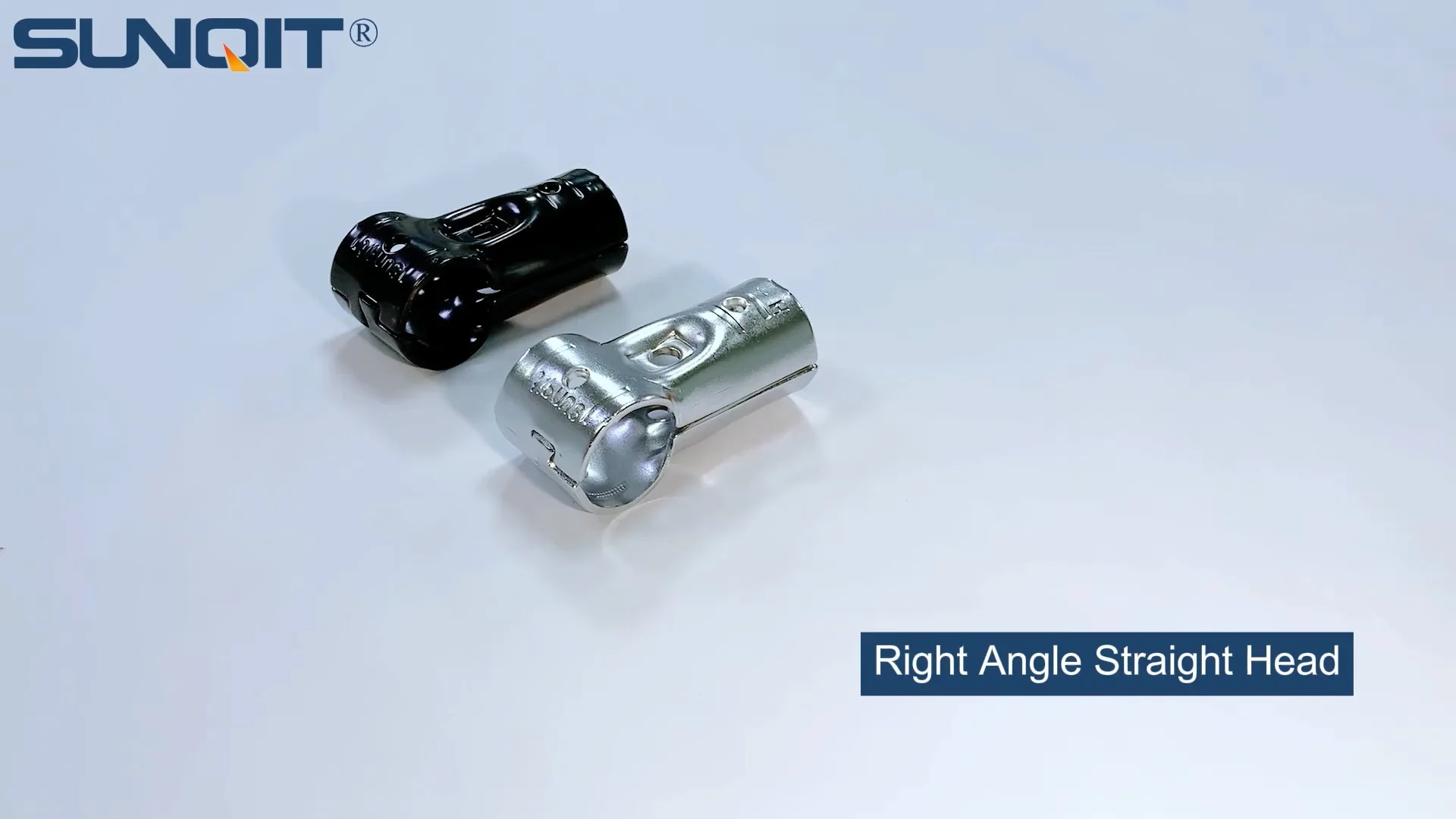
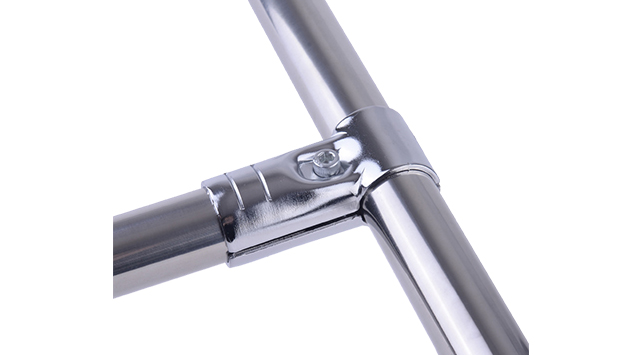
Two way lean pipe joint for 2 pcs 28MM lean pipe connection in straight angle, which used widely in workbench, flow rack, hand trolley frame connection.
The Heartbeat of Telecom Manufacturing – Why Workflow Matters
Walk into any telecom equipment manufacturing facility, and you'll quickly realize: this isn't just about putting parts together. It's a symphony of precision, speed, and adaptability. Every day, technicians assemble routers, fiber optic switches, and 5G transceivers—components that keep the world connected. But here's the thing: these devices are getting smaller, more complex, and the demand for them is growing faster than ever. That means the assembly lines building them can't afford to be rigid, slow, or wasteful.
Telecom manufacturing lines face unique challenges. Space is often tight, with production floors juggling multiple product lines. Components range from tiny circuit boards to bulky chassis, each requiring different handling. And let's not forget static electricity—ESD (Electrostatic Discharge) can fry sensitive microchips in an instant, turning a perfectly good part into scrap. Add to that the need to reconfigure lines quickly for new product launches, and it's clear: traditional, fixed workstations and material racks just don't cut it anymore.
This is where lean manufacturing systems step in. Designed to eliminate waste, streamline flow, and adapt to change, lean systems have become the backbone of modern telecom production. And at the heart of these systems?,.,,.
Lean Systems: The Backbone of Modern Telecom Production
Lean manufacturing isn't just a buzzword—it's a mindset. It's about asking: "How can we make this process smoother for the people doing the work?" In telecom, where even a minute of downtime can delay a product launch, lean principles translate to tangible results: faster assembly times, fewer errors, and happier technicians (because no one likes wrestling with a clunky workstation).
At its core, a lean system is built on modularity. Instead of fixed, one-size-fits-all equipment, you have components that can be mixed, matched, and reconfigured on the fly. Think of it like building with high-quality Lego bricks—strong enough to support heavy loads, but easy enough to take apart and rebuild when needed. And in this modular ecosystem, lean pipes (often made of steel, aluminum, or stainless steel) are the "bricks," while joints are the "connectors" that hold everything together.
But not all joints are created equal. In telecom lines, where precision and durability matter, the Two Way Lean Pipe Joint Chrome stands out. Its chrome-plated finish resists corrosion (important in busy factories where spills or humidity are common), and its design allows for secure, stable connections between two lean pipes at various angles. Whether you're building a workstation, a material rack, or a conveyor system, this joint ensures the structure stays solid—even when technicians are loading, unloading, or adjusting components all day long.
Meet the Unsung Hero: Two Way Lean Pipe Joint Chrome
Let's take a closer look at this small but mighty component. The Two Way Lean Pipe Joint Chrome is typically made of high-grade steel, coated with a layer of chrome to enhance durability and resist rust. Its design is deceptively simple: two cylindrical sleeves (for inserting lean pipes) connected by a sturdy central hub. What makes it special is its versatility—while it's called a "two way" joint, it can actually connect pipes at 90-degree angles, 45-degree angles, or even straight lines, depending on how you orient it during assembly.
Load capacity is another key feature. Most Two Way Lean Pipe Joints can support up to 50kg per connection, which is more than enough for telecom components like circuit boards, small toolboxes, or even lightweight chassis. And because the joint is tightened with a hex key, assembly is tool-friendly—no need for welding or specialized equipment. A technician can tighten or loosen it in seconds, making on-the-spot adjustments a breeze.
But perhaps the biggest advantage of this joint is its compatibility. It works seamlessly with standard lean pipes (both steel and aluminum), as well as a range of accessories: casters for mobile workstations, roller tracks for material flow racks, and even ESD grounding clips for static-sensitive areas. This compatibility is what makes it a favorite among telecom manufacturers—they don't have to invest in proprietary components; they can build exactly what they need using off-the-shelf parts.

Application 1: Building Adaptive Lean Pipe Workbenches for Telecom Assembly
Ask any telecom technician what makes their job easier, and they'll likely mention "a workstation that fits how I work." Traditional workbenches are often too tall, too short, or cluttered with tools that are hard to reach. With the Two Way Lean Pipe Joint Chrome, lean pipe workbenches become customizable to the nth degree.
Imagine a workbench built with these joints: the frame is made of lean pipes connected at 90-degree angles, creating a sturdy base. The top can be an ESD-safe plywood or aluminum panel (to protect sensitive components), and the sides can be fitted with tool hooks, parts bins, or even small shelves—all attached using the same Two Way Joints. Need to raise the workbench by 10cm for a taller technician? Loosen the joints, adjust the pipe lengths, retighten, and you're done. Want to add a side shelf for extra parts? Just connect a few more pipes and joints—no need to buy a whole new bench.
ESD integration is a breeze here, too. By adding ESD grounding straps to the joints, the entire workbench can be grounded, ensuring static electricity is safely dissipated. This is critical when assembling fiber optic modules or 5G transceivers, where even a small static charge can damage internal components. And because the joints are metal, they conduct electricity, making the grounding system more reliable than plastic alternatives.
Mobility is another plus. Add casters (connected via the same Two Way Joints) to the bottom of the workbench, and technicians can roll it to different parts of the line as needed. Need to move the bench closer to a conveyor for material pickup? Just unlock the casters and go. When it's in place, lock the casters, and the bench stays steady—no wobbling, even during heavy assembly work.
Application 2: Streamlining Material Flow with Flow Racks
In telecom manufacturing, time spent searching for parts is time wasted. That's where flow racks come in—they keep components organized, visible, and easy to access. And the Two Way Lean Pipe Joint Chrome is the secret to building flow racks that adapt to your needs.
A typical flow rack in a telecom facility might have 3-4 levels, each fitted with roller tracks (another key component in the lean ecosystem). These tracks allow bins of components to slide forward as the front bin is emptied, ensuring the next bin is always within reach. The frame of the rack is built using lean pipes and Two Way Joints, which provide the flexibility to adjust shelf heights based on bin size. For example, small bins of screws might go on a lower shelf, while larger bins of cable harnesses can go on a higher shelf—all configurable with a few turns of a hex key.
The chrome coating on the joints is especially useful here. Flow racks are often located near assembly lines, where dust, oil, or occasional spills are part of daily life. Chrome resists these elements, preventing rust that could weaken the joints over time. This means the rack stays sturdy for years, even in high-traffic areas.
Another benefit is scalability. As production needs grow, you can easily add more levels or expand the width of the rack by connecting additional pipes and joints. No need to tear down the old rack and build a new one—just extend it. This is a game-changer for telecom manufacturers ramping up production for a new product launch; they can scale their material storage without disrupting the existing workflow.
Application 3: Protecting Sensitive Components with ESD Workstations
Static electricity is the silent enemy of telecom manufacturing. A single ESD event can destroy a $500 circuit board in milliseconds, leading to costly rework and delays. That's why ESD workstations are non-negotiable in areas where sensitive components are handled. And again, the Two Way Lean Pipe Joint Chrome plays a vital role in building these workstations.
An ESD workstation built with lean pipes and Two Way Joints starts with a grounded frame. The joints, being metal, conduct electricity, so connecting a grounding cable from the frame to a floor ESD mat or a building ground ensures the entire structure is at earth potential. The work surface is typically an ESD-safe laminate, and the sides might include ESD wrist strap holders (attached via, you guessed it, Two Way Joints) to keep technicians grounded while they work.
What sets these workstations apart is their flexibility. Unlike fixed ESD tables (which are expensive and hard to modify), a lean pipe ESD workstation can be adjusted to fit the task at hand. Need to add a shelf for ESD-safe bins? Connect a few pipes and joints. Want to lower the height to accommodate a seated technician? Loosen the joints, adjust, and retighten. This adaptability ensures the workstation grows with the team, not against them.
In busy telecom facilities, where multiple shifts use the same workstation, this flexibility is a lifesaver. A morning shift assembling small circuit boards might set the workstation at a certain height with minimal shelves, while the afternoon shift building larger chassis can reconfigure it in minutes—no tools required beyond a hex key. This reduces downtime between shifts and keeps production moving smoothly.
Application 4: Seamless Conveyor Integration for Continuous Production
Conveyors are the arteries of telecom assembly lines, moving components from one station to the next. But to keep the flow continuous, conveyors need to integrate smoothly with workstations, material racks, and inspection areas. The Two Way Lean Pipe Joint Chrome makes this integration possible, even in complex layouts.
Consider a typical telecom line: components start at a loading station, move to an assembly workstation, then to an inspection area, and finally to packaging. Between each station, there might be short conveyor segments—some horizontal, some inclined, some with curves. The supports for these conveyors are often built with lean pipes and Two Way Joints, which can be adjusted to ensure the conveyor is level, stable, and at the right height for each station.
For example, a small incline conveyor might need to rise 15cm to feed components into an upper-level workstation. Using Two Way Joints, technicians can build support legs of varying heights, ensuring the conveyor stays steady even when loaded with parts. If the line needs to be reconfigured (say, to add a new inspection station), the supports can be disassembled and rebuilt in hours, not days.
Roller tracks (often used in conjunction with conveyors) also benefit from these joints. A roller track might connect a flow rack to a workstation, allowing bins of components to roll directly to the technician. The track is supported by a lean pipe frame, built with Two Way Joints, which can be adjusted to the perfect angle for smooth rolling. No more lifting heavy bins—gravity does the work, and the joint ensures the track stays in place.
Traditional vs. Lean: A Comparison Table
| Feature | Traditional Telecom Setup | Lean System with Two Way Lean Pipe Joint Chrome |
|---|---|---|
| Flexibility | Fixed layout; requires tools/welding to modify. | Reconfigurable in minutes with a hex key; adjust heights, add/remove components easily. |
| Durability | Prone to rust (uncoated steel); joints loosen over time. | Chrome-plated joints resist corrosion; tight, stable connections even with daily use. |
| ESD Protection | Limited; often requires separate grounding systems. | Integrated grounding via metal joints; easy to add ESD mats, wrist straps. |
| Assembly Time | Hours/days to build or modify. | Minutes to assemble; no specialized labor needed. |
| Cost Over Time | High; need to replace entire structures when needs change. | Low; reuse components, expand/downsize as needed. |
The Human Touch: Why Technicians Love Lean Systems
At the end of the day, manufacturing is about people. And telecom technicians—who spend hours on their feet, assembling intricate components—notice when their workspace works for them, not against them. The Two Way Lean Pipe Joint Chrome, by enabling flexible, comfortable, and efficient setups, has a direct impact on their daily lives.
Take Maria, a technician at a telecom factory in Texas. She used to work at a traditional workstation that was too low, forcing her to hunch over for hours. "My back would ache by lunchtime," she says. "Now, with the lean pipe workbench, I adjusted the height to match my elbows. No more hunching, and I can reach my tools without stretching. It sounds small, but it makes the whole day better."
Or consider Raj, who manages a material handling team. "Before lean racks, we were constantly searching for parts," he recalls. "Bins would get misplaced, or we'd run out of space. Now, with the flow racks built using those chrome joints, everything has a place, and the bins slide right to us. We've cut pick time by 30%—that's hours saved every week."
These stories highlight a key point: lean systems aren't just about efficiency—they're about respect for the people doing the work. By giving technicians control over their workspace, the Two Way Lean Pipe Joint Chrome helps reduce fatigue, boost morale, and ultimately, improve the quality of the products they build.
Future-Proofing Telecom Production: The Role of Modular Lean Components
The telecom industry isn't slowing down. 5G rollouts, fiber optic expansion, and the rise of IoT devices mean manufacturers will need to produce more, smaller, and more complex components than ever. To keep up, production lines must be agile—able to adapt to new technologies, new product designs, and new market demands.
Modular lean components like the Two Way Lean Pipe Joint Chrome are perfectly positioned to meet this challenge. Their flexibility allows manufacturers to experiment with new layouts, test new workflows, and scale production up or down without major investments. And as telecom equipment becomes more miniaturized, the ability to build smaller, more precise workstations and racks (using the same joints) will be critical.
Sustainability is another trend driving adoption. Lean systems reduce waste by reusing components, and the durable chrome finish on the joints means they last longer, reducing the need for replacements. In an industry under pressure to reduce its environmental footprint, this is a significant advantage.
Conclusion: More Than a Connector—A Catalyst for Change
The Two Way Lean Pipe Joint Chrome may be small, but its impact on telecom manufacturing is huge. It's the connector that turns ordinary pipes into extraordinary workstations, flow racks, and conveyor systems. It's the reason technicians can adjust their workspace in minutes, not days. It's the key to building lines that are efficient, flexible, and ready for whatever the telecom industry throws next.
In a world where connectivity is everything, the equipment that enables it must be built with care, precision, and adaptability. The Two Way Lean Pipe Joint Chrome ensures that happens—one connection at a time.