- Company Articles
- Products and Technology
- Product knowledge
- Are 3030 Aluminum Profile End Caps Cost-Effective? Long-Term Value Analysis

Are 3030 Aluminum Profile End Caps Cost-Effective? Long-Term Value Analysis
Related Product
3030 Aluminum Profile End Cap
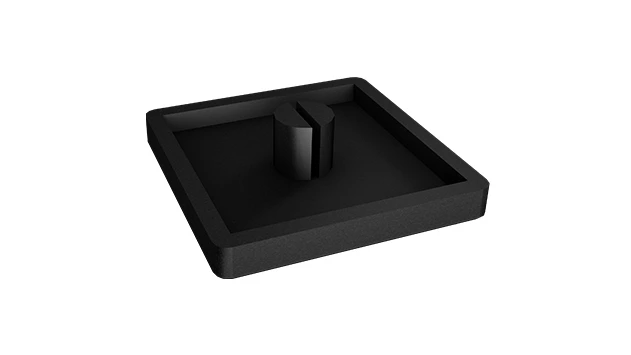
The aluminum profile end cap adds a finishing touch to your project and closes off profile ends to limit dust and debris buildup, also it can avaid some scratch for material and labor during the assemble work.
If you've ever worked with aluminum profiles—whether building a workbench, a material rack, or a custom production line—you know the devil's in the details. Those small components, the ones that seem at first glance, often end up making the biggest difference in how well your system performs over time. Today, we're zeroing in on one such component: the 3030 aluminum profile end cap. You might be thinking, "It's just a cap—how important can it be?" But stick with me. By the end of this, you'll see why these tiny pieces are far more than an afterthought. Let's dive into whether 3030 aluminum profile end caps are truly cost-effective, and why their long-term value might surprise you.
What Are 3030 Aluminum Profile End Caps, Anyway?
First, let's make sure we're all on the same page. 3030 aluminum profile end caps are small, often plastic or rubber covers designed to fit snugly over the exposed ends of 3030 series aluminum profiles. If you're not familiar with the "3030" designation, it refers to the profile's dimensions: 30mm by 30mm, a common size in industrial and commercial applications. These profiles are part of the broader family of 3030 eu standard aluminum profile , known for their versatility, strength, and compatibility with a wide range of accessories. Think workbenches, shelving units, machine guards, and even custom furniture—all built using these modular profiles.
Now, the end caps themselves? They're usually made from durable materials like polypropylene (PP) or nylon, sometimes with a slight flexibility to ensure a tight fit. They come in various colors, though black and gray are the most common, blending in seamlessly with the profiles. At first glance, they might seem like a purely aesthetic add-on, but their purpose runs much deeper than making your setup look neat.
The Role of End Caps in Aluminum Profile Systems
To understand their value, let's break down what end caps actually do. Imagine you've just assembled a workstation using 3030 aluminum profiles. Without end caps, the open ends of the profiles are exposed. What happens next? Dust, debris, and moisture start to creep inside. Over time, that dust builds up, making it harder to clean and potentially clogging the T-slots—the grooves that run along the profiles, used to attach accessories like brackets, shelves, or aluminum profile fixings . Moisture, meanwhile, can lead to corrosion, especially if the profile's surface finish is compromised. And let's not forget about sharp edges: raw aluminum profile ends can be surprisingly sharp, posing a safety risk to anyone handling the equipment.
End caps solve all these problems. They seal the ends, keeping out contaminants. They smooth out sharp edges, reducing the risk of cuts or scrapes. And yes, they do make the finished product look more polished—a small detail that can boost professionalism, especially in customer-facing environments. But here's the kicker: these benefits translate directly to cost savings over time. Let's unpack that.

Initial Cost vs. Long-Term Value: The True Measure of Cost-Effectiveness
Let's start with the obvious: 3030 aluminum profile end caps aren't free. Depending on the material, brand, and quantity, you might pay anywhere from $0.50 to $2 per cap. If you're building a large system with dozens of profile ends, that adds up. It's tempting to skip them to save a few bucks upfront. But here's the thing: cost-effectiveness isn't just about initial price—it's about the total cost of ownership over time. Let's compare two scenarios: one where you use end caps, and one where you don't.
| Scenario | Initial Cost | Potential Long-Term Costs | Total Estimated 5-Year Cost |
|---|---|---|---|
| With End Caps | $50 (for 50 caps at $1 each) | Minimal: Occasional cap replacement ($10), no profile damage, no safety incidents | ~$60 |
| Without End Caps | $0 | Profile corrosion ($200 for replacement), T-slot clogging (repair labor: $150), safety fines/incidents ($500+), increased cleaning costs ($200) | ~$1,050+ |
That table says it all. Sure, you save $50 upfront by skipping end caps, but you could end up paying 17 times more over five years. That's not just cost-effective—that's a no-brainer. But let's dig deeper into why those long-term costs pile up so quickly.
Durability: A Key Factor in Cost-Effectiveness
3030 aluminum profiles are built to last. The 3030 eu standard aluminum profile is engineered for strength and resistance to wear, but even the toughest materials have weak points. Exposed ends are one of them. Without end caps, moisture and debris work their way into the profile's hollow interior. Over time, this can lead to internal corrosion, especially in humid environments or areas with frequent temperature fluctuations. Once corrosion sets in, the profile's structural integrity weakens. You might notice bending, warping, or even cracks—all of which mean replacing the profile entirely. A single 3030 profile can cost $20 to $50, depending on length. replace a handful, and you've already spent more than you would have on end caps for a lifetime.
End caps act as a barrier, keeping moisture and dust out. Most are designed to withstand harsh conditions, from factory floors with oil and chemicals to outdoor setups exposed to rain. High-quality caps can last for years without degrading, meaning you won't need to replace them often. When you consider that a single profile replacement could cost 20x more than a set of caps, durability becomes a major driver of cost-effectiveness.
Protection Beyond the Surface: How End Caps Save You Money on Accessories
Aluminum profiles don't work alone—they rely on aluminum profile accessories to function. Things like brackets, hinges, slides, and aluminum profile fixings (nuts, bolts, screws) all attach to the profiles via T-slots. When debris clogs these slots, installing or adjusting accessories becomes a hassle. You might spend extra time cleaning out the slots with a brush or compressed air, or worse, damage the fixings trying to force them into a blocked slot. Bent bolts, stripped threads, or cracked brackets—these are all costs that add up, both in replacement parts and lost productivity.
End caps prevent debris from entering the T-slots in the first place. By keeping the slots clean, you ensure that accessories fit smoothly, adjustments are quick, and parts last longer. Think about it: if a $5 bracket breaks because you had to jam it into a clogged slot, that's $5 you wouldn't have spent if the slot was clean. Multiply that by dozens of accessories over a year, and suddenly those $1 end caps look like a steal.
Safety First: The Hidden Cost of Overlooking End Caps
Here's a cost many people don't factor in: safety. Exposed aluminum profile ends are sharp. Not "paper cut" sharp—we're talking "deep scratch or even laceration" sharp, especially if the ends are not perfectly deburred during manufacturing. In a busy workshop or factory, where people are moving quickly, a single slip could result in a hand grazing an exposed end. The costs here are enormous: medical bills, workers' compensation claims, lost workdays, and even potential OSHA fines. According to the Bureau of Labor Statistics, the average cost of a workplace laceration injury is over $40,000 when you include medical expenses and lost productivity. Compare that to $50 for a set of end caps, and the math is clear: end caps are cheap insurance.
But it's not just physical injuries. Clogged profiles with debris can also become breeding grounds for bacteria in food processing or pharmaceutical settings, leading to contamination risks and costly recalls. In cleanroom environments, dust from exposed profiles can interfere with sensitive equipment, causing malfunctions or product defects. End caps help maintain cleanliness, reducing these hidden risks.

Comparing End Caps to Other Aluminum Profile Accessories
You might be wondering, "Aren't there other aluminum profile accessories that offer similar benefits?" It's a fair question. Let's compare end caps to two common alternatives: tape and DIY plugs (like foam or rubber stoppers).
Tape: Some people use electrical tape or duct tape to cover profile ends. It's cheap, but it's a temporary fix. Tape wears down over time, especially with friction or exposure to heat/cold. It can peel off, leaving sticky residue that's hard to clean. Plus, it doesn't provide the same level of impact protection as a rigid end cap. You'll end up replacing tape every few months, and it still might not prevent debris from getting inside.
DIY Plugs: Foam, cork, or rubber stoppers might seem like a budget-friendly alternative, but they're often ill-fitting. A loose plug can fall out, leaving the end exposed. Foam absorbs moisture, promoting corrosion, and cork breaks down over time. These "homemade" solutions rarely last, and you'll spend more time replacing them than if you'd just bought proper end caps.
End caps, on the other hand, are designed specifically for 3030 profiles. They fit snugly, stay in place, and are made from materials that resist wear, moisture, and temperature changes. They're purpose-built for the job, which is why they outperform these makeshift alternatives in both effectiveness and long-term value.
Real-World Applications: Where End Caps Shine
To really drive home the value of 3030 aluminum profile end caps, let's look at a few real-world scenarios where they make a tangible difference.
1. Manufacturing Workbenches
Imagine a busy assembly line with workbenches built from 3030 eu standard aluminum profiles. Workers are constantly reaching across the bench, moving tools, and handling parts. Without end caps, the sharp edges of the profiles pose a daily risk of cuts. Over time, oil and coolant from machinery seep into exposed profile ends, causing internal corrosion. When the workbench needs to be reconfigured (a common practice in lean manufacturing), clogged T-slots make it hard to attach new shelves or tool holders. End caps prevent all this, keeping the workbench safe, clean, and adaptable—saving time and money on repairs and reconfigurations.
2. Retail Displays
Retailers often use aluminum profiles to build custom displays—shelving for products, signage frames, or checkout counters. Exposed ends here are a double whammy: they look unprofessional, and they risk scratching customers or damaging merchandise. End caps give displays a polished, finished look, enhancing brand perception. They also protect products from snagging on sharp edges, reducing returns due to damage. In a retail setting, where presentation is everything, end caps are an easy way to perceived value.
3. Laboratory Equipment
Laboratories rely on clean, sterile environments. Exposed aluminum profiles can shed dust or harbor contaminants, which is unacceptable when working with sensitive samples or equipment. End caps seal off the profiles, preventing dust buildup and making cleaning easier. In biotech labs, where even a single particle can ruin an experiment, the cost of contamination is measured in thousands of dollars of lost research. End caps are a small investment to avoid these catastrophic losses.
Common Misconceptions About End Caps and Cost-Effectiveness
Despite all the evidence, some people still write off end caps as unnecessary. Let's address a few common myths:
Myth 1: "The profiles are already deburred, so end caps aren't needed for safety." Deburring helps, but it doesn't eliminate sharpness entirely. Aluminum is a soft metal, and even a slightly rough edge can cause a cut with enough pressure. End caps add a layer of protection that deburring alone can't match.
Myth 2: "I'll just clean the profiles regularly instead of using end caps." Regular cleaning is great, but it's time-consuming. In a busy operation, "regular cleaning" often falls by the wayside. End caps reduce the need for constant maintenance, freeing up time for more important tasks.
Myth 3: "End caps are only for industrial use—my small project doesn't need them." Whether you're building a garage shelf or a home workshop bench, the risks are the same: sharp edges, debris, and corrosion. Even a small project can benefit from the protection end caps provide.
Final Thoughts: The Verdict on 3030 Aluminum Profile End Caps
So, are 3030 aluminum profile end caps cost-effective? Absolutely. They might seem like a minor expense, but their long-term value is undeniable. From protecting profiles and accessories to preventing safety incidents and reducing maintenance costs, end caps pay for themselves many times over. When you factor in the initial cost versus the potential savings from avoided repairs, injuries, and downtime, there's no question: skipping end caps is a false economy.
If you're working with 3030 eu standard aluminum profile —whether for industrial, commercial, or personal projects—don't overlook these small but mighty accessories. Pair them with quality aluminum profile fixings and other aluminum profile accessories , and you'll have a system that's not only strong and versatile but also built to last. After all, cost-effectiveness isn't about cutting corners—it's about investing in the right parts to avoid bigger costs down the line. And when it comes to 3030 aluminum profile end caps, that investment is one you won't regret.
So next time you're ordering aluminum profiles, add a bag of end caps to your cart. Your wallet, your workers, and your sanity will thank you.