- Company Articles
- Products and Technology
- Product knowledge
- Are 40 Steel Roller Track Black Wheels Suitable for Outdoor Use?

Are 40 Steel Roller Track Black Wheels Suitable for Outdoor Use?
Related Product
40 Steel Roller Track Black Wheel
The roller track can be installed with multiple accessories to create different slopes and configurations of flow racks.All steel conveyor 40 roller track accessories are engineered to perfectly fit the sliding rail.
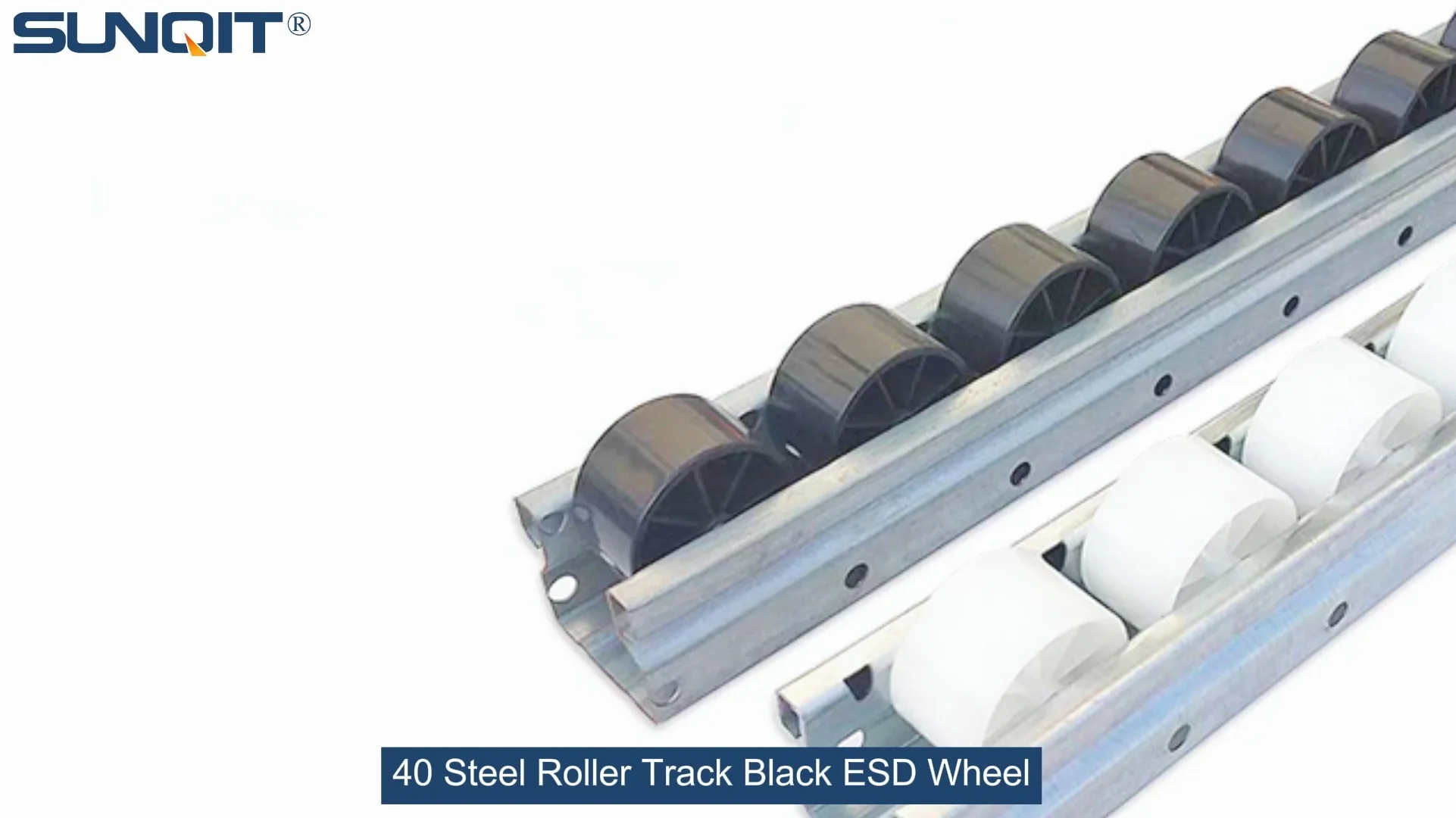
In the bustling world of manufacturing and logistics, where efficiency is the name of the game, every component plays a silent yet crucial role. From the conveyor belts that zip products along assembly lines to the flow racks that keep warehouses organized, these tools are the unsung heroes of smooth operations. Today, we're zooming in on a specific workhorse: the 40 steel roller track black wheels. You've probably seen them in factories, gliding under bins of parts or moving heavy loads with ease. But here's the question many operations managers and facility planners ask: Can these tough-looking steel wheels hold their own when the going gets rough—outdoors?
Outdoor environments throw a lot at equipment: rain that soaks, sun that beats down, temperature swings that make metal expand and contract, and even the occasional dust storm or pile of debris. So, are 40 steel roller track black wheels up to the challenge? Let's dive in, break down their strengths and weaknesses, and figure out if they're the right fit for your outdoor needs.
First Things First: What Are 40 Steel Roller Track Black Wheels, Anyway?
Before we judge their outdoor mettle, let's get to know these wheels a little better. The "40" in their name refers to their standard size—typically 40mm in width, a common dimension in roller track systems designed to balance load capacity and flexibility. Made from steel, they're built for strength, and that sleek black finish? It's not just for looks. More on that later.
Key Features That Define Them:
- Steel Construction: Usually crafted from carbon steel, these wheels are dense and rigid, designed to handle heavy loads without bending or warping. Think of them as the weightlifters of the roller track world—they don't shy away from 200+ kg per wheel in many cases.
- Black Coating: The black finish is often a layer of paint, powder coating, or black oxide. This coating serves as a first line of defense against… well, the elements we'll talk about soon.
- Bearing Design: Most come with ball bearings or roller bearings to reduce friction, letting them glide smoothly even under pressure. Sealed bearings are a plus here, keeping dirt and moisture out of the moving parts.
- Standardized Fit: They're designed to slot into standard roller track systems, making them easy to replace or upgrade without overhauling your entire setup.
In indoor settings—like factories or warehouses—they're stars. You'll find them in lean systems, moving components along assembly lines, or in flow racks, ensuring bins slide effortlessly for pickers. But outdoors? That's a whole different ballgame.
The Great Outdoor Test: What Do They Have to Endure?
Outdoor environments are no walk in the park for machinery. Let's list out the main culprits that can turn a reliable roller track into a squeaky, stuck mess:
1. Water, Water Everywhere: Rust and Corrosion
Rain, morning dew, sprinklers—moisture loves to sneak into metal parts. When steel meets water and oxygen, we all know what happens: rust. Rust isn't just unsightly; it eats away at the metal, weakening the wheel's structure and making it rough, which slows movement and causes jams.
2. Sun's Scorching Rays: UV Damage and Heat
The sun's ultraviolet (UV) rays don't just fade paint on cars—they can break down coatings on metal too. Over time, that black finish might start to chip or peel, leaving the steel underneath exposed. And extreme heat? It can make steel expand, which might throw off the fit of the wheel in the track, leading to wobbly or stuck movement.
3. Temperature Swings: From Freezing to Sweltering
If you're in a place with cold winters, steel wheels can get brittle when temperatures drop below freezing. On the flip side, hot summers can make the bearings expand, increasing friction. These constant cycles of expanding and contracting wear down materials faster than steady indoor temperatures.
4. Dirt, Dust, and Debris: The Silent Abraders
Outdoors, there's no controlled environment. Dirt, sand, leaves, and even small rocks can get stuck between the wheel and the track. Over time, these gritty particles act like sandpaper, scratching the wheel's surface and wearing down the bearings. The result? Noisy, jerky movement and shorter wheel life.
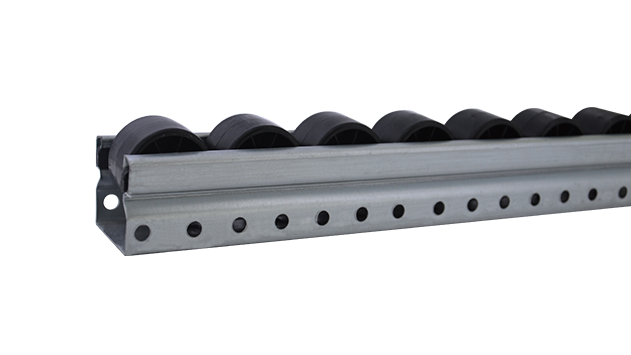
So, How Do 40 Steel Roller Track Black Wheels Fare Outdoors?
Now, let's put these wheels to the test. We'll go through each outdoor challenge and see how they stack up.
1. Fighting Rust: The Black Coating's Role
Rust is public enemy number one for steel outdoors. Remember that black finish? It's often a protective layer—either powder coating, black oxide, or paint. Powder coating, for example, is a tough, heat-bonded plastic layer that seals the steel from moisture. Black oxide, on the other hand, creates a thin, porous layer that can hold oil, adding a second barrier against water. These coatings work well… but they're not invincible.
If the coating gets scratched—say, from a sharp rock or a dropped tool—water can seep in, and rust will start to form. In areas with high humidity or frequent rain, even a tiny scratch can turn into a bigger problem over time. So, they're resistant to rust, but not rust-proof .
2. Handling Heat and UV: Does the Finish Hold Up?
Powder-coated finishes are pretty good at handling UV rays compared to regular paint, which fades faster. You might notice some slight dulling after a year or two in direct sunlight, but it's usually not drastic. Heat, though, can be trickier. Steel conducts heat, so on a scorching day, the wheel itself can get hot. If the bearings aren't sealed, this heat might cause the lubricant inside to break down, leading to more friction. But with sealed bearings (a common upgrade in quality roller track systems), this risk drops significantly.
3. Temperature Swings: Steel's Achilles' Heel?
Steel is prone to thermal expansion and contraction. In places where temperatures swing from below freezing at night to 90°F (32°C) during the day, the wheel and track might expand and shrink at slightly different rates, leading to a loose fit or a tight, stuck wheel. This is more of an issue in uninsulated outdoor setups, like open-air loading docks. If your outdoor area is partially covered or sheltered, the temperature swings are milder, and this becomes less of a problem.
4. Battling Debris: Are They Easy to Clean?
Steel wheels are smooth, which helps—debris is less likely to get trapped in nooks and crannies compared to, say, plastic wheels with more intricate designs. A quick sweep with a broom or a blast from a hose can usually clear away dust and small rocks. But if you're dealing with heavy debris (like gravel or construction waste), you'll need to clean more often to prevent scratches and jams.
5. Load Capacity: Still a Champ Outdoors
Here's where steel wheels really shine: they don't lose their strength outdoors. A 40 steel roller track black wheel that can handle 300 kg indoors will still handle 300 kg outdoors, as long as it's not rusted or damaged. This makes them great for outdoor areas where you're moving heavy items—think pallets of materials, automotive parts, or large equipment components.

Real-World Scenarios: When They Work (and When They Might Not)
Theory is one thing—real life is another. Let's look at a few examples of how these wheels perform in common outdoor setups.
Case 1: Outdoor Loading Dock at a Automotive Parts Warehouse
Imagine a busy loading dock where truck beds are loaded and unloaded with bins of car parts. The roller track here is exposed to rain, sun, and the occasional oil spill. The warehouse uses 40 steel roller track black wheels with powder coating and sealed bearings. They clean the track weekly and touch up scratches with rust-resistant paint. After two years, the wheels still roll smoothly—only a few have needed bearing replacements, and rust has been minimal.
Why it works: Regular maintenance, partial shelter from the dock roof, and heavy-duty sealed bearings keep problems at bay.
Case 2: Open-Air Construction Materials Yard
A construction company sets up roller tracks outdoors to move metal beams and lumber. The area is dusty, gets rain frequently, and has no shelter. After six months, the black coating on the wheels is scratched in many places, and rust spots have formed. The wheels still roll, but they're noisier, and some bearings have seized up from dirt getting inside.
Why it struggles: Lack of shelter, infrequent cleaning, and exposure to abrasive dust make this a tough spot for steel wheels.

How Do They Stack Up Against Other Outdoor-Friendly Wheels?
Maybe you're thinking, "If steel isn't perfect, what else is out there?" Let's compare 40 steel roller track black wheels to two common alternatives for outdoor use: plastic wheels (like nylon or polypropylene) and stainless steel wheels.
| Feature | 40 Steel Roller Track Black Wheels | Plastic (Nylon/Polypropylene) Wheels | Stainless Steel Wheels |
|---|---|---|---|
| Rust Resistance | Good (with coating), but scratches risk rust | Excellent (no rust) | Excellent (no rust) |
| Load Capacity | High (200-500+ kg per wheel) | Medium (100-300 kg per wheel) | High (same as steel, but pricier) |
| UV Resistance | Good (powder coating holds up) | Poor (can crack/weaken in sunlight over time) | Excellent |
| Cost | Moderate | Low to moderate | High (2-3x steel) |
| Debris Resistance | Good (smooth surface, easy to clean) | Fair (softer material scratches easier) | Excellent (same as steel, but no coating to scratch) |
So, plastic wheels are cheaper and rust-proof but can't handle heavy loads or UV light long-term. Stainless steel is the gold standard for outdoor use but costs a pretty penny. 40 steel roller track black wheels sit in the middle: strong, affordable, and workable outdoors with a little care.
Making It Work: Tips to Boost Their Outdoor Lifespan
If you've decided 40 steel roller track black wheels are the way to go for your outdoor space, here's how to help them thrive:
- Invest in Sealed Bearings: This is non-negotiable for outdoors. Sealed bearings keep dirt, water, and dust out, preventing premature wear.
- Choose the Right Coating: Powder coating is more durable than paint. If you can, opt for extra-thick powder coating or add a clear sealant on top for extra protection.
- Shelter When Possible: Even a simple awning or overhang can shield the roller track from direct rain and sun, reducing wear and tear.
- Stick to a Maintenance Routine: Sweep or hose down the track weekly to remove debris. Inspect wheels monthly for scratches—touch up with rust-resistant paint if you find any. Lubricate bearings every 3-6 months (use a waterproof lubricant for outdoor setups).
- Avoid Chemical Exposure: If you're using the track near areas with oils, solvents, or de-icing salts (common in cold climates), clean spills immediately. These chemicals can eat through coatings and corrode steel.
When Should You Not Use Them Outdoors?
Let's be honest: there are times when 40 steel roller track black wheels aren't the best fit. Skip them if:
- Your outdoor area is constantly wet (e.g., near a sprinkler system, or in a rainy climate with no shelter).
- You can't commit to regular maintenance (no time to clean or touch up scratches).
- You need wheels that are 100% rust-proof (e.g., in food processing areas where hygiene is critical, or coastal areas with saltwater spray).
- The load is light, and you're on a tight budget—plastic wheels might be cheaper and sufficient for light-duty tasks.
The Verdict: Are They Suitable for Outdoor Use?
So, back to our original question: Are 40 steel roller track black wheels suitable for outdoor use? The answer is… it depends . They're not a one-size-fits-all solution, but they're a solid choice in the right conditions.
If you have a partially sheltered outdoor area (like a loading dock with a roof), need to move heavy loads, and can stick to a basic maintenance routine, these wheels will serve you well. Their steel construction and protective coatings make them tough enough to handle rain, sun, and debris—with a little help from you.
But if your outdoor space is fully exposed to the elements, or you can't keep up with cleaning and touch-ups, you might want to consider stainless steel wheels (for maximum durability) or plastic wheels (for budget-friendly, rust-free light duty).
At the end of the day, 40 steel roller track black wheels are like reliable work boots—they're not fancy, but they'll get the job done if you take care of them. And in the world of logistics and manufacturing, that's sometimes all you need: a component you can count on, day in and day out, rain or shine.