- Company Articles
- Products and Technology
- Product knowledge
- Are Aluminum Side Guards Reusable? Aligning with Lean Manufacturing's Reusability Goals

Are Aluminum Side Guards Reusable? Aligning with Lean Manufacturing's Reusability Goals
Related Product
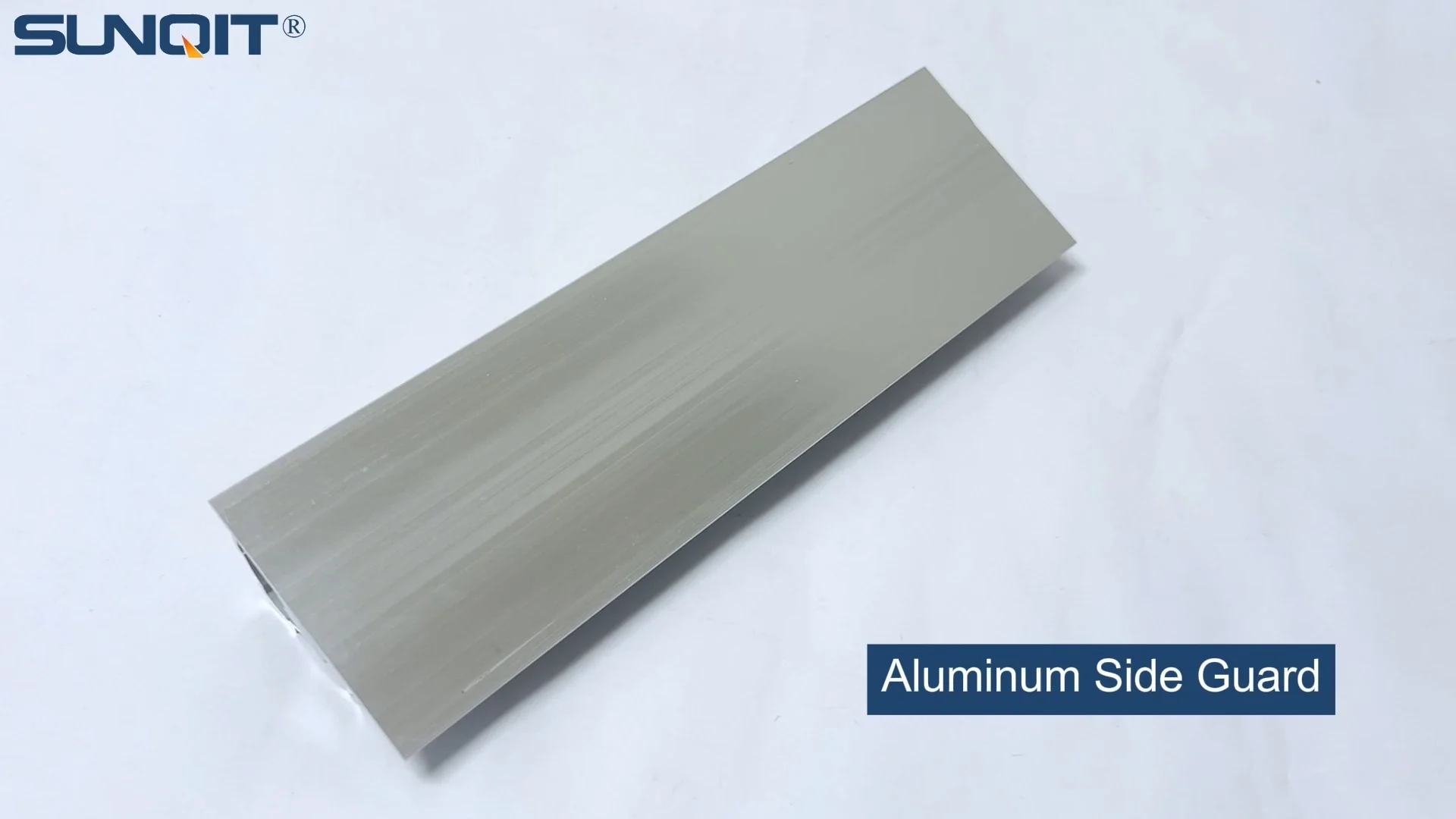
Aluminum Side Guard
Aluminum side guard, it works with a aluminum pipe or a roller track as side guard to prevent material drop,or move to wrong direction.
Walk into any busy manufacturing facility, and you'll likely spot them: those unassuming barriers along conveyor belts, workbenches, or assembly lines. They're called side guards, and while they might not grab headlines, they play a quiet but critical role in keeping operations running smoothly—preventing parts from sliding off, shielding workers from moving machinery, and maintaining order in chaotic production environments. But here's a question that often nags at plant managers and sustainability teams alike: What happens to these side guards when a production line is reconfigured, a new product is introduced, or wear and tear take their toll? Are they destined for the scrap heap, or can they be given a second (or third, or fourth) life? For facilities leaning into lean manufacturing principles, the answer could make a big difference in both bottom-line costs and environmental impact. Today, we're zeroing in on one material in particular: aluminum. Are aluminum side guards reusable? And if so, how do they align with lean manufacturing's core goal of minimizing waste through reusability?
Lean Manufacturing: More Than Just Efficiency—It's About Reusability
Before we dive into aluminum side guards specifically, let's take a step back to understand why reusability matters in the first place. Lean manufacturing, born from the Toyota Production System in the mid-20th century, is often summed up as "doing more with less." But at its heart, it's a philosophy built on eliminating waste—or muda , as the Japanese term goes. Traditionally, lean identifies seven types of waste, from overproduction to unnecessary motion, but in recent years, a growing focus has been placed on an eighth: waste of resources , including the premature disposal of equipment and materials that still have value.
Reusability is a natural antidote to this kind of waste. When tools, fixtures, or components can be repurposed instead of replaced, facilities reduce their reliance on raw materials, cut down on disposal costs, and lower their carbon footprint. It's a win-win: better for the planet, better for the budget. And in dynamic manufacturing environments—where production lines are frequently retooled, product mixes shift, and space constraints demand flexibility—reusability isn't just a nice-to-have; it's a strategic advantage. This is where systems like lean pipe setups (often called "flexible pipe systems") have become popular. These modular systems, built from pipes, joints, and accessories, allow teams to quickly assemble, disassemble, and reconfigure workstations, material racks, and yes, even side guards. But not all materials are created equal when it comes to supporting this kind of flexibility and reusability. Which brings us back to aluminum.
Aluminum: A Material Built for Second Chances
Aluminum has long been a favorite in manufacturing for its unique blend of strength, light weight, and resistance to corrosion. But what makes it stand out for reusability? Let's break down its key properties:
Durability That Stands the Test of Time (and Reconfiguration)
Aluminum is tough—really tough. Unlike plastic, which can crack or warp under heavy loads or extreme temperatures, or low-grade steel, which is prone to rust, aluminum holds up well in the harsh conditions of a manufacturing floor. It's resistant to dents (thanks to its malleability), doesn't corrode easily (even in humid or chemical-exposed environments), and can withstand repeated handling without losing structural integrity. This durability means that an aluminum side guard isn't just a one-and-done component. It can take the wear of daily use, be moved, adjusted, or even disassembled, and still perform like new when reinstalled elsewhere.
Malleability: The Secret to Modularity
One of the biggest barriers to reusing components is inflexibility. If a side guard is welded into place or made from a rigid material that can't be cut, bent, or reshaped, it's useless once the original setup changes. Aluminum, however, is highly malleable. It can be easily cut to length with basic tools, drilled to add new mounting holes, or even bent (within reason) to fit new angles or spaces. This makes it a perfect fit for modular systems like those built with aluminum lean pipe and aluminum profile accessories. For example, a 6-foot aluminum side guard used on a conveyor belt today can be cut down to 4 feet tomorrow to fit a smaller workstation, or have new brackets attached to mount it on a different type of frame. Compare that to a plastic side guard, which might shatter if you try to cut it, or a steel guard that requires heavy machinery to modify—suddenly, reusability becomes a lot less practical.
Lightweight = Easy to Handle (and Reuse)
Let's not overlook the human factor. A side guard that's heavy or cumbersome to move is less likely to be reused, simply because workers or maintenance teams may opt for the convenience of installing a new one rather than wrestling with an old one. Aluminum solves this problem handily: it's about one-third the weight of steel, making it easy to carry, lift, and reposition. This might seem like a small detail, but in fast-paced manufacturing environments where time is money, anything that reduces the effort required to repurpose equipment increases the likelihood that reusability actually happens.

Aluminum Side Guards in Action: How Reusability Works in Real-World Lean Systems
Okay, so aluminum has the right properties for reusability—but how does this translate to real-world use? Let's paint a picture of how aluminum side guards might cycle through multiple lives in a lean manufacturing facility.
Imagine a mid-sized electronics manufacturer that produces both smartphones and tablets. Their assembly lines are reconfigured every 6–12 months to accommodate new models, which means workstations, conveyor layouts, and yes, side guards, need to adapt. A few years ago, they used steel side guards. When the line was reconfigured, the steel guards were often too short, too long, or incompatible with the new layout. Since cutting or modifying steel required specialized tools and time, most ended up in the scrap bin. The cost added up: not just for new guards, but for disposal fees and the environmental impact of wasted metal.
Then, the facility switched to aluminum side guards, sourced from a lean system supplier that specialized in modular aluminum profile systems. Here's how their lifecycle changed:
- First life: A set of 8-foot aluminum side guards is installed along a smartphone assembly line, paired with aluminum lean pipe rails and plastic roller track guide rails (grey, in this case) to keep small components from sliding off the conveyor.
- Second life: After 8 months, the line is retooled for a new tablet model with a wider conveyor. The original 8-foot guards are too short. Instead of buying new ones, the maintenance team cuts the aluminum guards down to 5 feet, drills new mounting holes, and attaches them to the new, wider conveyor using leftover aluminum profile accessories (like internal rotary aluminum joints) from the original installation.
- Third life: A year later, the tablet line is moved to a different part of the facility, and the 5-foot guards are no longer needed there. But the facility's receiving department has been struggling with parts sliding off their temporary sorting tables. The maintenance team repurposes the guards again, this time mounting them vertically to create a low barrier around the tables. They even add some swivel roller balls (1 inch, stainless steel) to the top edge to make sliding boxes easier—all without needing to buy new materials.
- Fourth life: After another 18 months, the guards show minor scratches but are still structurally sound. The facility donates them to a local vocational school that's setting up a small manufacturing training lab, where they're used to build a student workbench. The school, in turn, modifies them with aluminum guide rail B to fit their specific needs.
In this scenario, a single set of aluminum side guards serves four distinct purposes over several years, dramatically reducing waste and cutting costs. And this isn't just a hypothetical example—many lean-focused facilities report similar experiences when switching to aluminum components. The key? Pairing aluminum's natural reusability with a modular lean system that's designed for flexibility from the start.

Comparing Materials: How Aluminum Stacks Up for Reusability
To really drive home why aluminum side guards excel at reusability, let's put them head-to-head with two common alternatives: steel and plastic. The table below breaks down key factors that impact reusability, from durability to ease of modification.
| Factor | Aluminum Side Guards | Steel Side Guards | Plastic Side Guards |
|---|---|---|---|
| Durability | High: Resists corrosion, dents, and wear; maintains integrity over repeated use. | High: Strong but prone to rust if not coated; heavy, which can lead to bending under stress. | Low to Medium: Prone to cracking, warping, or breaking with heavy use or temperature changes. |
| Ease of Modification | High: Can be cut, drilled, or bent with basic tools; compatible with modular accessories. | Low: Requires welding or heavy machinery to cut/modify; difficult to adjust without damaging. | Very Low: Often shatters when cut; cannot be reshaped without melting (which ruins structural integrity). |
| Weight | Light (1/3 the weight of steel): Easy to move and reposition by hand. | Heavy: Requires equipment or multiple workers to handle, discouraging reuse. | Light to Medium: Lightweight, but fragility makes handling risky for reuse. |
| Cost Over Time | Higher upfront cost, but lower long-term cost due to reusability and low maintenance. | Moderate upfront cost, but higher long-term cost due to disposal, replacement, and corrosion treatment. | Low upfront cost, but highest long-term cost due to frequent replacement and disposal. |
| Environmental Impact | Low: High recyclability (even if finally discarded) and reduced need for new raw materials. | Medium: Recyclable but energy-intensive to produce and modify; rusted steel may be less recyclable. | High: Often non-recyclable (or hard to recycle); contributes to plastic waste; made from fossil fuels. |
The takeaway? While steel is durable and plastic is cheap, neither offers the same combination of durability, flexibility, and ease of modification that aluminum does—all of which are critical for reusability. For lean systems aiming to minimize waste, aluminum side guards emerge as the clear front-runner.
Challenges to Reusability (and How to Overcome Them)
Of course, no material is perfect, and reusing aluminum side guards isn't without its challenges. Let's address the most common hurdles and how facilities can navigate them.
Challenge 1: Initial Cost
There's no getting around it: aluminum side guards often have a higher upfront cost than plastic or even some steel options. For facilities working with tight budgets, this can be a tough pill to swallow. But here's the thing: reusability is an investment, not an expense. Over time, the savings from not having to buy new guards every time a line is reconfigured, plus reduced disposal costs, typically offset the initial price tag. To make this more manageable, many lean system suppliers offer bulk pricing or package deals for aluminum lean pipe systems, including side guards, joints, and accessories—spreading the cost out while ensuring compatibility across components.
Challenge 2: Lack of Standardization
If a facility uses a hodgepodge of side guard sizes, mounting systems, or accessory types, even the most reusable aluminum guard might not fit into a new setup. This is where working with a supplier that specializes in standardized aluminum profile systems becomes key. By choosing components that follow consistent sizing (like 2020 or 4040 aluminum profiles) and compatible accessories (like universal internal rotary aluminum joints), facilities ensure that side guards can be mixed and matched across different lines and workstations. It's a little planning upfront that pays off big in reusability down the line.
Challenge 3: Maintenance and Care
While aluminum is low-maintenance, it's not no-maintenance. To maximize reusability, guards need to be cleaned regularly (to prevent buildup of grease or debris that can hide damage), inspected for cracks or bent edges, and stored properly when not in use. A little care goes a long way: a guard that's thrown into a corner with other scrap is less likely to be reused than one that's labeled, stored on a rack, and checked periodically. Many lean facilities solve this by creating a "reuse inventory" system—tracking which components are available, their condition, and where they might be repurposed next.
The Bottom Line: Aluminum Side Guards Are a Lean Win for Reusability
So, are aluminum side guards reusable? The answer is a resounding yes—and then some. Thanks to aluminum's durability, malleability, and lightweight nature, these guards can be repurposed, modified, and reused across multiple applications, lines, and even facilities. When paired with modular systems built from aluminum lean pipe , aluminum profile , and compatible accessories, they become a cornerstone of lean manufacturing's waste-reduction efforts—cutting costs, lowering environmental impact, and supporting the flexibility that modern production demands.
Of course, reusability doesn't happen on its own. It requires a mindset shift: seeing side guards (and other components) not as disposable tools, but as long-term assets. It means investing in quality materials upfront, standardizing on compatible systems, and creating processes to track, maintain, and repurpose components. But for facilities committed to lean principles, the payoff is clear: a more efficient, sustainable, and adaptable operation that's built to thrive in an ever-changing manufacturing landscape.
The next time you walk past those unassuming side guards on your production floor, take a closer look. If they're made of aluminum, they might just be one of the hardest-working, most underappreciated champions of your lean journey—quietly proving that sometimes, the most sustainable solutions are the ones that stand the test of time (and multiple lives).