- Company Articles
- Products and Technology
- Product knowledge
- Assembly Line Structures: 2.0mm Stainless Steel Pipe Strength & Safety

Assembly Line Structures: 2.0mm Stainless Steel Pipe Strength & Safety
Related Product
2.0mm Stainless Steel Pipe
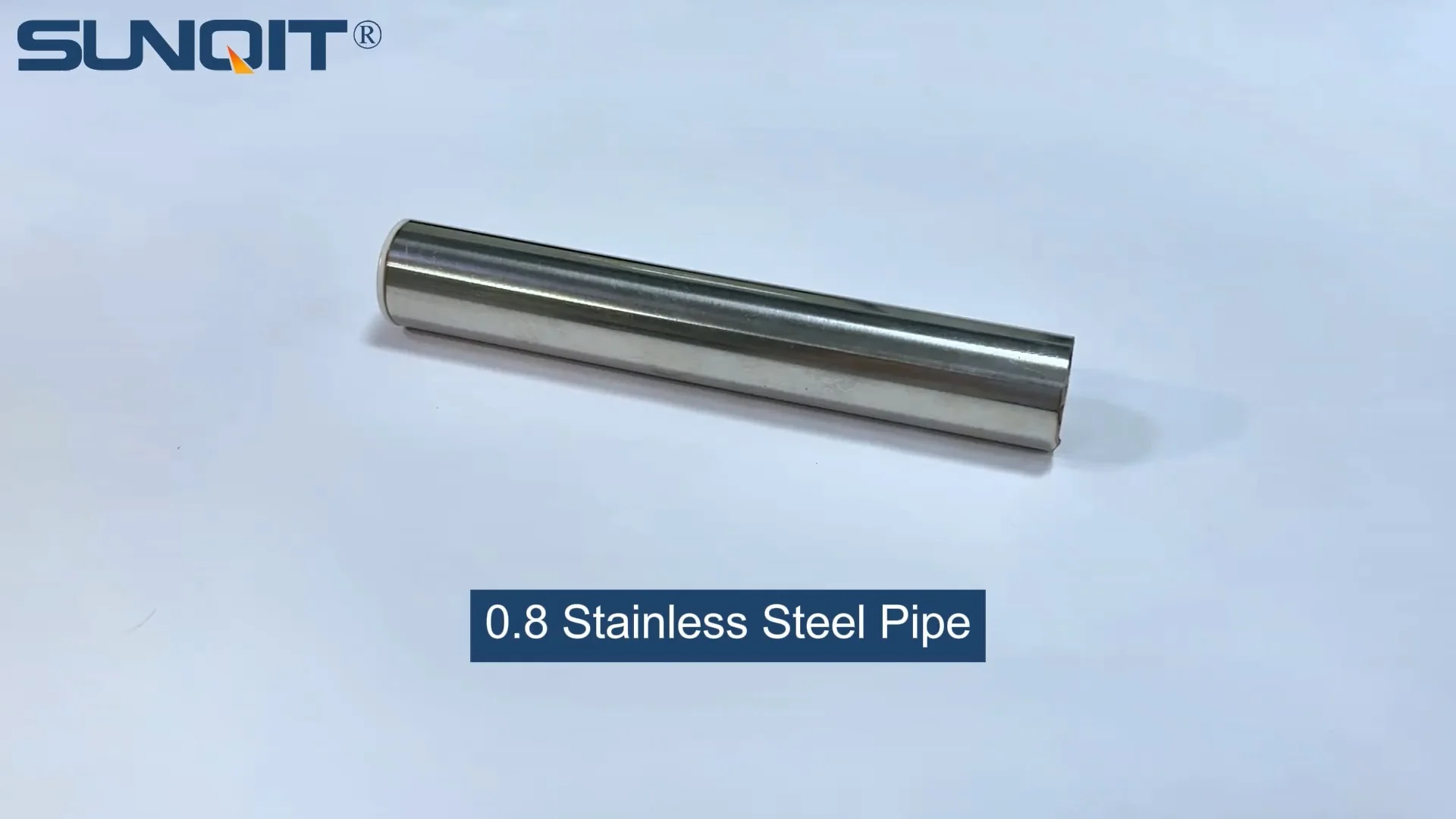
Stainless steel pipe, lean pipe, diameter is 28mm, material is SS201 or SS304, SS201 is normally used in the market. It knows a KARAKURI, KAIZEN material for industrial plant to improve efficiency, save labor cost, standard management.
Walk into any manufacturing facility, and you'll quickly notice the unsung heroes keeping operations moving: assembly lines. These intricate networks of workstations, material flow systems, and equipment are the backbone of production, turning raw components into finished products day in and day out. But what makes a reliable assembly line? While technology and automation get a lot of attention, the physical infrastructure—especially the materials used—plays an equally critical role. Today, we're zeroing in on a component that's quietly revolutionizing assembly line durability and safety: the 2.0mm stainless steel pipe. In this article, we'll explore why this specific material and thickness have become a go-to choice for manufacturers aiming to build lean, resilient, and safe production environments.
The Role of Materials in Modern Assembly Lines
Assembly lines are no longer just about speed; they're about sustainability , ergonomics , and long-term cost efficiency . A flimsy workstation that wobbles under tool weight, a material rack that rusts after a year in a humid factory, or a roller track that bends under the load of heavy components—these aren't just minor inconveniences. They lead to downtime, safety risks, and frequent replacements, eating into profits and morale.
Manufacturers have experimented with various materials over the years: aluminum for its lightness, mild steel for its affordability, and even plastic for specialized low-weight applications. Each has its merits, but none quite balance strength, corrosion resistance, and versatility like stainless steel. And within the stainless steel family, the 2.0mm thickness has emerged as a sweet spot for assembly line structures. Let's break down why.
Why 2.0mm Stainless Steel Pipe Stands Out
Stainless steel itself is prized for its alloy composition—chromium creates a protective oxide layer that resists rust, while nickel enhances durability and formability. But thickness matters. A pipe that's too thin (say, 0.8mm or 1.0mm) might save on upfront costs but will buckle under repeated use. One that's too thick (3.0mm or more) adds unnecessary weight, making structures harder to move and more expensive to install. The 2.0mm stainless steel pipe hits that perfect middle ground: robust enough to handle heavy loads, yet lightweight enough to integrate into dynamic, flexible systems like lean manufacturing setups.
Real-World Example: A mid-sized automotive parts manufacturer in Ohio recently upgraded its assembly line from 1.5mm mild steel pipes to 2.0mm stainless steel. Within six months, they reported a 40% reduction in workstation repairs, fewer worker complaints about unstable surfaces, and a noticeable decrease in material handling errors—all because the sturdier pipes minimized vibrations and maintained alignment even during peak production hours.

Strength Metrics: What Makes 2.0mm Stainless Steel Pipe "Strong"
Strength isn't just a buzzword; it's measurable. Let's dive into the numbers that make 2.0mm stainless steel pipe a reliable choice for assembly line structures:
Tensile Strength: Withstanding Pull and Pressure
Tensile strength refers to how much pulling force a material can withstand before breaking. 2.0mm stainless steel pipe (typically 304 or 316 grade) boasts a tensile strength of 500–700 MPa (megapascals). To put that in perspective: a single meter of 2.0mm stainless steel pipe can support the weight of a small car (around 1,500 kg) without permanent deformation. For assembly line workbenches holding tools, parts bins, and even automated equipment, this level of tensile strength is non-negotiable.
Yield Strength: Avoiding Permanent Damage
Yield strength is equally important. It's the point at which a material starts to bend or deform permanently. 2.0mm stainless steel pipes have a yield strength of around 200–300 MPa , meaning they can handle temporary overloads (like a worker leaning on a workstation or a sudden surge in material weight) without warping. This is critical for maintaining precision in tasks like electronics assembly, where misaligned work surfaces can lead to product defects.
Impact Resistance: Handling the Unexpected
Assembly lines are busy places—trolleys bump into racks, tools get dropped, and parts are moved quickly. A material that shatters or cracks on impact is a safety hazard. 2.0mm stainless steel's ductility (ability to bend without breaking) ensures it absorbs impacts, whether from a falling wrench or a misdirected pallet jack. This resilience reduces the risk of sharp edges or structural collapse, keeping workers safe.

Safety First: How 2.0mm Stainless Steel Enhances Workplace Safety
Strength and safety go hand in hand, but 2.0mm stainless steel pipe offers unique safety benefits beyond raw power:
Corrosion Resistance: No More Rust-Related Hazards
Factories are messy places. Oils, coolants, cleaning chemicals, and humidity can turn mild steel into a rusty eyesore in months. Rust doesn't just look bad—it weakens structural integrity and creates flaky, sharp surfaces that cut hands. 2.0mm stainless steel's oxide layer acts as a shield, even in harsh environments. Food processing plants, where hygiene is critical, and pharmaceutical facilities, where contamination risks are high, rely on stainless steel for this very reason. A rust-free workbench or roller track means fewer cuts, fewer infections, and fewer unexpected structural failures.
Load Testing: Built for Real-World Use
Reputable suppliers subject 2.0mm stainless steel pipes to rigorous load testing. For example, a standard workbench frame made with these pipes can typically support 300–500 kg evenly distributed across its surface—more than enough for power tools, assembly fixtures, and batches of parts. Roller tracks, used to slide materials between stations, are tested for dynamic loads: how well they hold up when heavy bins glide over them hundreds of times a day. This testing ensures that the pipes don't just meet theoretical standards but perform in the chaos of daily production.
Ergonomics: Stable, Predictable Surfaces
A wobbly workstation isn't just annoying—it's a ergonomic nightmare. Workers compensate by shifting their posture, leading to back pain, carpal tunnel, and reduced productivity. 2.0mm stainless steel pipes provide the rigidity needed for stable work surfaces and smoothly moving roller tracks. When paired with quality caster wheels (another key component in assembly line mobility), they create workstations and trolleys that glide easily without tipping, reducing strain on workers' bodies.
Applications in Lean Systems: From Workbenches to Roller Tracks
Lean manufacturing thrives on flexibility—structures that can be reconfigured as production needs change. 2.0mm stainless steel pipe excels here, thanks to its compatibility with modular joints and accessories. Let's explore how it's used in common lean system components:
Workbenches: The Heart of the Assembly Line
A typical lean workbench combines stainless steel pipes with a solid top (often plywood or aluminum) and accessories like tool hooks, bins, and LED task lights. The 2.0mm pipes form the frame, ensuring the bench doesn't twist or sag even when loaded with heavy machinery. Unlike flimsier materials, these benches maintain their shape over time, so tools and parts stay organized, and workers don't waste time readjusting their setup.
Roller Tracks: Smooth Material Flow
Roller tracks are the arteries of an assembly line, moving parts from one station to the next. A weak roller track can cause jams, leading to bottlenecks. 2.0mm stainless steel pipes provide the stable base needed for smooth roller operation. Whether it's a gravity-fed track for light components or a motorized conveyor for heavier items, the pipe's rigidity ensures the track stays aligned, reducing friction and keeping materials moving at a steady pace.
Turnover Trolleys and Racks: Mobility Without Compromise
Turnover trolleys (used to transport parts between storage and assembly) and material racks (for organizing inventory) need to be both mobile and sturdy. 2.0mm stainless steel pipes, paired with high-quality caster wheels, create trolleys that can carry 200+ kg loads without swaying. Racks built with these pipes withstand the weight of stacked boxes and bins, even in high-traffic areas where bumps and collisions are inevitable.
Comparing Thicknesses: Why 2.0mm Beats the Rest
To truly appreciate 2.0mm stainless steel pipe, it helps to see how it stacks up against other common thicknesses. The table below compares key metrics for pipes used in assembly line structures:
| Thickness (mm) | Tensile Strength (MPa) | Max Load Capacity (kg/m) | Corrosion Resistance | Best For | Typical Lifespan (Years) |
|---|---|---|---|---|---|
| 0.8mm | 350–450 | 50–100 | Low (prone to pitting) | Light-duty shelving, temporary structures | 1–3 |
| 1.2mm | 400–500 | 100–200 | Moderate | Small parts storage, lightweight workbenches | 3–5 |
| 1.5mm | 450–600 | 200–300 | Good | General assembly workbenches, static racks | 5–8 |
| 2.0mm | 500–700 | 300–500 | Excellent | Heavy-duty workbenches, roller tracks, trolleys | 10–15+ |
| 3.0mm | 600–800 | 500–800 | Excellent | Industrial machinery frames, extreme-load racks | 15–20+ |
The data speaks for itself: 2.0mm offers nearly the same corrosion resistance as 3.0mm but at a lower weight and cost. It outperforms thinner options in load capacity and lifespan, making it the most cost-effective choice for most assembly line applications.
Choosing the Right Supplier: Beyond the Pipe Itself
Even the best material is only as good as the supplier behind it. When sourcing 2.0mm stainless steel pipe for your assembly line, look for suppliers who offer:
- Certifications: ISO 9001 for quality management, and material certifications (like 304 or 316 grade) to ensure compliance with industry standards.
- Customization: The ability to cut pipes to specific lengths, pre-drill holes for joints, or add protective coatings for specialized environments.
- Accessories: Compatible joints, caster wheels, and roller track components—mismatched parts can weaken the overall structure.
- Technical Support: Engineers who can help design structures that maximize the pipe's strength, like optimal joint placement or load distribution.
A supplier that understands lean manufacturing principles will also guide you toward the most efficient configurations, helping you avoid over-engineering (and over-spending) on structures you don't need.
Conclusion: Investing in Strength, Safety, and Sustainability
Assembly lines are the lifeblood of manufacturing, and their structures deserve the same attention as the machines and software that power them. The 2.0mm stainless steel pipe isn't just a material choice—it's an investment in fewer repairs , happier workers , and smoother operations . Its balance of strength, corrosion resistance, and versatility makes it ideal for lean systems, from workbenches to roller tracks, ensuring your assembly line can adapt, grow, and thrive for years to come.
So, the next time you walk through your factory, take a closer look at those pipes and frames. Are they supporting your goals, or holding you back? For many manufacturers, the switch to 2.0mm stainless steel has been a game-changer—and it could be for you, too.