- Company Articles
- Products and Technology
- Installation And Maintenance
- Assembly Tips for 60 Aluminum Roller Track Grey in Workstations

Assembly Tips for 60 Aluminum Roller Track Grey in Workstations
Related Product
60 Aluminum Roller Track Grey
Modular system roller tracks aluminum gravity roller tracks are an excellent solution for transporting materials within industrial environments, warehouses and distribution centres.
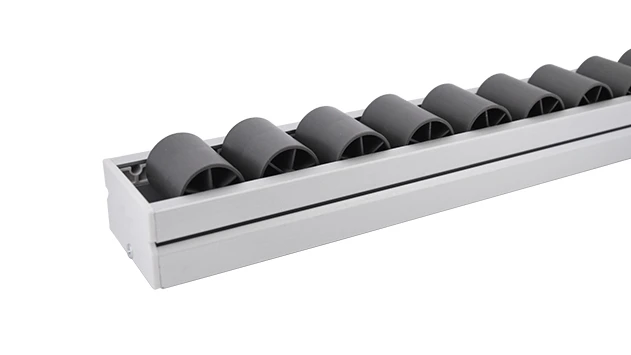
Assembly Tips for 60 Aluminum Roller Track Grey in Workstations
When you're setting up your workstation for maximum efficiency, every component counts—and the 60 Aluminum Roller Track Grey is one of those unsung heroes that makes your daily operations smoother without you even noticing. Let's dive into how to get the most out of this versatile track, whether you're building a new lean pipe workbench or upgrading an existing flow rack. This guide will walk you through every step from unboxing to integration, so you can build a lean system that works for your team.
First, let's get one thing straight: This track isn't just a piece of metal with rollers. It's part of a bigger lean solution that Sunqit (the team behind szsunqit.com) specializes in—think lean pipe workbenches, flow racks, conveyors, and custom setups tailored to industries like 3C assembly, medical device manufacturing, and warehousing. So when you assemble this track, you're not just putting parts together; you're building a workspace that grows with your needs.
Pre-Assembly Preparation: What You Need to Get Started
Before you pick up a tool, let's make sure you have everything you need. A smooth assembly starts with the right components and tools—no last-minute trips to the hardware store needed. Here's a quick checklist:
| Component/Tool Name | Quantity (per 1m Track) | Key Notes |
|---|---|---|
| 60 Aluminum Roller Track Grey | 1 | Check for straightness and no dents; avoid bent sections. |
| 40 Fluent Flat Joint | 2 | For connecting multiple track sections seamlessly. |
| Allen Wrench (5mm) | 1 | To tighten screws without damaging threads. |
| Rubber Mallet | 1 | Tap joints into place gently—no metal hammers allowed! |
| Level Tool | 1 | Ensure track is horizontal for smooth part flow. |
| End Caps (60mm) | 2 | Prevent parts from falling off and protect track ends. |
Safety first! Wear gloves to protect your hands from sharp edges on aluminum parts, and keep your workspace clean to avoid losing small components like screws or joints. If you're working with a large track, ask a teammate to help—two hands are better than one for aligning long sections.
Step-by-Step Assembly Guide for 60 Aluminum Roller Track Grey
Let's get to the fun part: putting it all together. Follow these steps carefully, and you'll have a functional track in no time.
Step 1: Unpack and Inspect Components
Lay out all your parts on a flat surface (like your lean pipe workbench) so you can see everything. Check each section of the 60 Aluminum Roller Track Grey for dents, bent rollers, or scratches—if something looks off, reach out to your supplier for a replacement. Next, count your joints and screws to make sure nothing is missing.
Step 2: Attach Track to Your Lean Pipe Workbench
Place the track on your lean pipe workbench where you want it—usually along the edge so parts can slide easily to your workspace. Align the pre-drilled holes on the track with the mounting points on the workbench. insert the screws into the 40 Fluent Flat Joints and tighten them with your Allen wrench. Don't over-tighten—this can warp the aluminum track. If the joint doesn't fit perfectly, tap it gently with a rubber mallet until it's in place.
Step 3: Connect Multiple Track Sections
If you need a longer track, connect two or more sections using the 40 Fluent Flat Joint. Align the ends of the tracks so there's no gap between them (a small gap will cause parts to get stuck). insert the joint into both sections and tighten the screws. Once connected, use your level tool to ensure the entire track is horizontal—adjust the workbench legs if needed.
Step 4: Integrate with Flow Rack or Conveyor
Now, let's link your track to other parts of your lean system. For example, if you want to send parts from your workbench to a conveyor, align the end of the track with the conveyor belt. Make sure the height of the track matches the conveyor—you don't want parts to drop or get stuck when moving from one to the other. If you're connecting to a flow rack, attach the track to the rack's shelves so items flow down to the next station. Sunqit's custom solutions often include these integrations, so if you're unsure, their team can help design the perfect setup.
Step 5: Test the Flow and Adjust
Once everything is assembled, it's time to test! Grab a few parts you'd normally move (like small 3C components or medical device parts) and roll them along the track. Do they flow smoothly? Are there any spots where they get stuck? If yes, check for gaps between sections, loose joints, or an unlevel track. Adjust until the flow is seamless—this step will save you a lot of frustration later.
Step 6: Add Finishing Touches
Attach the end caps to the track's ends to prevent parts from falling off and to keep dust out. Tighten the end cap screws gently. You can also add aluminum profile rubber strips (from Sunqit's parts list) to the track edges to reduce noise when parts roll—this is a small touch that makes a big difference in busy workspaces.
Maintenance Tips for Long-Lasting Performance
Like any lean system component, the 60 Aluminum Roller Track Grey needs regular care to keep working its best. Here are some easy tips to extend its life:
- Clean Weekly: Wipe the track with a dry cloth to remove dust and debris. For stubborn dirt, use mild detergent (avoid harsh chemicals that damage aluminum).
- Lubricate Monthly: Apply a small amount of silicone oil to the rollers to keep them rolling smoothly. Don't use too much—excess oil attracts dust.
- Check Joints Biweekly: Tighten any loose screws on the 40 Fluent Flat Joints. Loose joints cause misalignment and stuck parts.
- Inspect Monthly: Look for dents, bent rollers, or worn-out joints. replace damaged parts immediately to avoid disrupting your workflow.
| Common Issue | Possible Cause | Solution |
|---|---|---|
| Stuck Rollers | Dust buildup or dry rollers | Clean rollers and apply silicone oil; replace bent rollers. |
| Misaligned Track | Loose 40 Fluent Flat Joints | Tighten joints and re-level the track. |
| Noisy Flow | Missing rubber strips or dry rollers | Add aluminum profile rubber strips or lubricate rollers. |
| Parts Falling Off | Missing end caps | Attach end caps to track ends. |
Real-World Applications: How This Track Fits Your Industry
Let's look at how the 60 Aluminum Roller Track Grey is used in real-world lean solutions:
3C Assembly Line
In a smartphone assembly plant, workers use a lean pipe workbench with this track to move small components (like screws, screens, and batteries) to their stations. The track is connected to a conveyor that sends finished phones to quality control. This setup reduces the time workers spend reaching for parts, increasing productivity by up to 20%.
Medical Device Manufacturing
In a medical device factory, the track is used on a flow rack to move sterile components to assembly stations. The aluminum material is easy to clean, which is crucial for maintaining a sterile environment. Sunqit's custom solution here includes ESD (electrostatic discharge) components to protect sensitive devices from static damage.
Warehousing and Logistics
In a warehouse, the track is attached to a lean pipe workbench to sort packages before they're sent to a conveyor. The smooth flow reduces package damage and speeds up sorting. Sunqit's team can design a custom setup that fits your warehouse's specific needs, whether you're storing small parts or large boxes.
Why Choose Sunqit's 60 Aluminum Roller Track Grey?
Sunqit's 60 Aluminum Roller Track Grey stands out for a few key reasons:
- Durability: Made from high-quality aluminum, it's resistant to rust and corrosion—perfect for busy manufacturing environments.
- Versatility: Works with lean pipe workbenches, flow racks, conveyors, and more. Sunqit's custom solutions can integrate it into any workflow.
- Sustainability: Following lean principles, this track is reusable—you can disassemble it and move it to another workstation as your needs change.
- Support: Sunqit's team of experts can help you design, assemble, and maintain your lean system. Their custom solutions are tailored to industries like 3C assembly, medical, and warehousing.
Final Thoughts
The 60 Aluminum Roller Track Grey is more than just a component—it's a key part of building a lean solution that makes your workspace efficient and flexible. By following these assembly tips, you'll have a track that works for you for years to come. Remember to maintain it regularly and reach out to Sunqit if you need help designing a custom setup.
With the right track and setup, your team will spend less time dealing with stuck parts and more time doing what they do best. So grab your tools and start building your perfect workstation today!