- Company Articles
- Products and Technology
- Technology Sharing
- Automation Integration: All Direction Roller Track and Smart Manufacturing

Automation Integration: All Direction Roller Track and Smart Manufacturing
Related Product
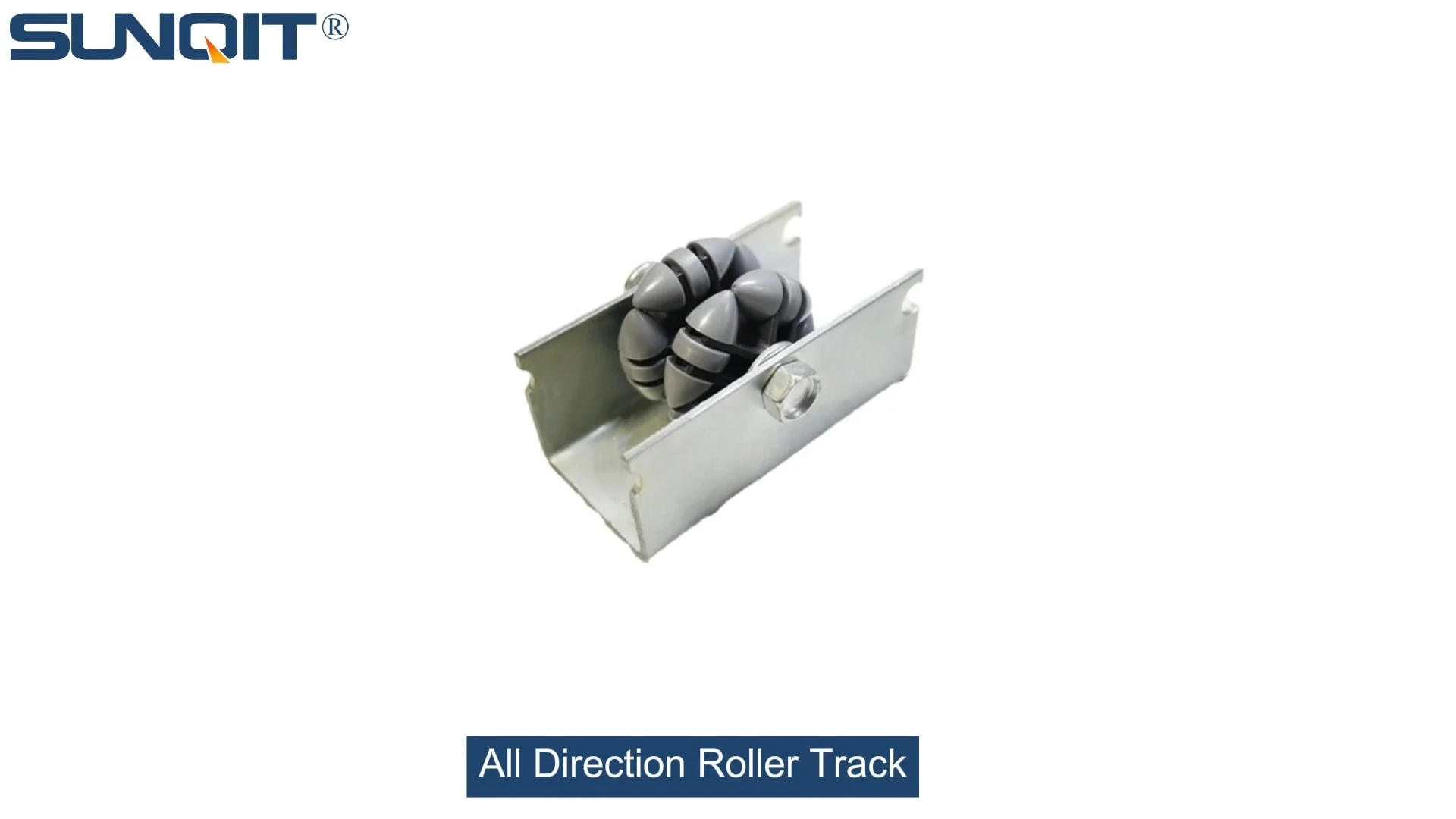
All Direction Roller Track
All direction roller track made of steel frame and multiple direction move wheel which will make boxes are always in contact with the rollers, reducing jams and enhancing flow reliability.
In the fast-paced world of modern manufacturing, where every second counts and flexibility can make or break a production line, the quest for efficiency has never been more critical. Factories are no longer just about machines and labor—they're dynamic ecosystems where every component, from the smallest joint to the largest conveyor, must work in harmony. This is where automation integration meets lean philosophy, and at the heart of this synergy lies a suite of tools designed to transform chaos into precision: all direction roller track , lean pipe workbench , flow rack , conveyor , and tailored lean solutions . These aren't just products; they're the building blocks of smart manufacturing, empowering businesses to adapt, grow, and thrive in an era of constant change.
The Backbone of Modern Manufacturing: Why Automation Integration Matters
Today's manufacturers face a unique set of challenges: rising labor costs, shorter product lifecycles, and the need to switch between production lines at a moment's notice. Traditional rigid setups—fixed conveyors, one-size-fits-all workbenches, and static storage—simply can't keep up. They trap businesses in inefficiency, wasting time on reconfigurations and limiting the ability to scale. This is where lean principles step in, emphasizing "eliminate waste, maximize value" not as a buzzword, but as a daily practice.
Automation integration, when done right, turns lean philosophy into reality. It's about creating systems that move materials smoothly, adapt to new workflows in hours (not weeks), and reduce human error by letting machines handle the heavy lifting—literally. Imagine a workshop where raw materials glide from storage to assembly without manual lifting, where workbenches adjust to fit both tall and short operators, and where every component is exactly where it needs to be, exactly when it's needed. This isn't a distant dream; it's the reality of factories using the right tools to integrate automation into their DNA.
Core Components: The Stars of Automation Integration
1. All Direction Roller Track: The Unsung Hero of Material Flow
At the heart of any efficient production line is how materials move. Enter the all direction roller track —a deceptively simple yet revolutionary tool that transforms how factories handle (materials). Unlike traditional fixed-direction rollers, these tracks feature small, 360-degree rotating balls that let items glide in any direction with minimal effort. Whether it's a heavy metal component or a delicate electronic part, the roller track adapts, reducing friction and eliminating the jams that slow down production.
What makes this tool a game-changer? Its flexibility. Made from lightweight yet durable aluminum, it's easy to install and reconfigure. Need to reroute materials to a new workstation? Simply adjust the track's layout using quick-connect brackets—no welding or heavy tools required. In electronics manufacturing, for example, circuit boards can move smoothly from inspection to assembly, while in automotive plants, bulky parts like door panels glide effortlessly from storage to the production line. The result? A 30-40% reduction in manual material handling, freeing workers to focus on skilled tasks instead of pushing carts.
2. Lean Pipe Workbench: Where Precision Meets Comfort
Every great production line needs a solid foundation, and that's exactly what a lean pipe workbench provides. More than just a table, it's a customizable workspace designed around the people who use it. Picture this: an assembly operator spends 8 hours a day attaching tiny components to a motherboard. A poorly designed workbench forces them to hunch over, straining their back and slowing down their work. A lean pipe workbench, on the other hand, adjusts to their height, with tool holders positioned at arm's length and anti-fatigue mats underfoot. It's ergonomics meets efficiency, turning tired workers into focused, productive teams.
But its benefits go beyond comfort. These workbenches are built with modular aluminum pipes and joints, meaning they can evolve with your needs. Launching a new product that requires extra storage? Add a shelf. Shifting to a smaller component? Rearrange the layout in minutes. For industries like 3C assembly (think smartphones and laptops), where precision is non-negotiable, many workbenches also come with ESD (Electrostatic Discharge) protection, shielding sensitive electronics from static damage. It's not just a workbench—it's a partner in quality.
3. Flow Rack: Organizing Inventory, One Roll at a Time
In manufacturing, inventory management is often the hidden bottleneck. Too much stock ties up capital; too little causes production delays. That's where flow racks shine. Designed with a slight incline and gravity-fed rollers, these racks ensure "first in, first out" (FIFO) material flow, so older stock gets used first, reducing waste and obsolescence. Walk into a well-organized warehouse, and you'll see flow racks in action: boxes of screws, connectors, and parts glide forward as the front one is taken, keeping shelves neatly stocked without manual restocking.
Aluminum construction makes them lightweight enough to move but strong enough to handle heavy loads—up to 500kg per shelf in some models. They're also surprisingly versatile. In medical device manufacturing, where compliance with strict storage regulations is a must, flow racks keep sterile components organized and accessible. In automotive plants, they store everything from small fasteners to larger subassemblies, ensuring the production line never runs out of critical parts. It's inventory management simplified, letting teams focus on production instead of counting stock.
4. Conveyor: The Glue That Connects Production Stages
No automation system is complete without a reliable way to connect different stages of production. That's where conveyors come in—automated pathways that move materials from one workstation to the next, 24/7 if needed. Unlike manual transport, which is slow and error-prone, conveyors ensure a steady, predictable flow, eliminating gaps in production. Whether it's a belt conveyor for small parts or a roller conveyor for heavier items, these systems integrate seamlessly with other tools like lean pipe workbenches and flow racks, creating a unified production ecosystem.
What sets modern conveyors apart is their flexibility. Traditional conveyors were fixed, meaning any change in layout required costly renovations. Today's models, however, use modular designs with quick-release brackets, so they can be extended, shortened, or rerouted as needed. In 3C assembly lines, for example, a conveyor might carry partially assembled phones from the soldering station to the testing bench, then on to packaging—all without human intervention. In food processing plants, they're used to transport goods through cooling tunnels or packaging lines, ensuring food safety by minimizing human contact. It's automation that adapts to your needs, not the other way around.

From Components to Solutions: Tailoring Lean for Every Industry
While individual tools like all direction roller tracks and lean pipe workbenches are powerful on their own, their true potential shines when integrated into a lean solution —a customized system designed around a factory's unique challenges. No two industries are the same, and a one-size-fits-all approach rarely works. That's why leading suppliers focus on understanding your workflow, pain points, and goals before designing a solution that brings everything together.
| Industry | Key Challenges | Lean Solution in Action |
|---|---|---|
| 3C Assembly (Smartphones, Laptops) | Small, delicate parts; need for ESD protection; frequent product changes | ESD lean pipe workbenches + all direction roller tracks + mini conveyors. Workbenches protect sensitive components, roller tracks enable smooth part transfer, and conveyors connect assembly stages for continuous production. |
| Medical Device Manufacturing | Strict sterility requirements; traceability; low-volume, high-mix production | Stainless steel flow racks (easy to sanitize) + lean pipe workbenches with tool organizers. Flow racks ensure FIFO stock rotation, while workbenches keep tools and parts organized for precise assembly. |
| Automotive Parts Production | Heavy components; high-volume output; need for durability | Heavy-duty conveyors + aluminum flow racks + adjustable lean pipe workbenches. Conveyors move large parts like engine components, flow racks manage inventory, and workbenches adapt to different assembly tasks. |
Take the 3C industry, for example. When a smartphone manufacturer needed to boost production speed while reducing defects, a lean solution combined ESD workbenches (to protect microchips), all direction roller tracks (to move circuit boards between stations), and a custom conveyor system (to connect soldering, testing, and packaging lines). The result? A 25% increase in output and a 15% drop in defects—all while making the production line easy to reconfigure for new phone models.
In medical device manufacturing, compliance with FDA regulations is non-negotiable. A lean solution here might include stainless steel flow racks (resistant to corrosion and easy to clean) and lean pipe workbenches with built-in tool storage, ensuring sterile conditions and reducing the risk of cross-contamination. By integrating these tools, the manufacturer not only met regulatory requirements but also cut down on time spent searching for tools, boosting productivity by 20%.

The Future of Smart Manufacturing: Where Lean Meets Innovation
As technology advances, the line between automation and smart manufacturing continues to blur. Today's lean solutions are already integrating with IoT (Internet of Things) sensors to monitor performance—tracking how often a conveyor is used, identifying bottlenecks in material flow, or predicting when a roller track might need maintenance. Imagine a system that alerts you before a breakdown happens, or one that uses data to suggest workflow improvements—this is the future of lean manufacturing.
Another trend is sustainability. Modern lean solutions are designed with "circular economy" principles in mind: aluminum components are recyclable, modular designs reduce waste from renovations, and reconfigurable tools mean less need for new equipment. For businesses looking to reduce their carbon footprint, this isn't just a bonus—it's a necessity.
At the end of the day, automation integration isn't about replacing humans with machines. It's about empowering workers with tools that make their jobs easier, safer, and more fulfilling. When all direction roller tracks eliminate heavy lifting, when lean pipe workbenches reduce fatigue, and when flow racks keep materials organized, teams can focus on what they do best: innovating, problem-solving, and building high-quality products.

Why Choose the Right Partner for Your Lean Journey?
Implementing a lean solution isn't just about buying tools—it's about partnering with a supplier who understands manufacturing. Look for a team that offers more than products: on-site assessments to understand your workflow, custom design services to tailor solutions to your needs, and ongoing support to help you adapt as your business grows. The best suppliers don't just sell equipment; they become part of your success story, helping you navigate challenges and seize opportunities.
In a world where manufacturing is more competitive than ever, the difference between falling behind and leading the pack lies in how well you integrate automation and lean principles. With tools like all direction roller tracks, lean pipe workbenches, flow racks, and conveyors, paired with a customized lean solution, your factory can become more efficient, flexible, and resilient. It's not just about keeping up with the times—it's about setting new standards for what manufacturing can be.
So, are you ready to transform your production line? The future of smart manufacturing is here, and it starts with the right tools, the right partner, and a commitment to lean innovation. Let's build something great—together.