- Company Articles
- Products and Technology
- Product knowledge
- Automotive Assembly Lines: Lean Pipe Fixed Clamps for Tool Racks

Automotive Assembly Lines: Lean Pipe Fixed Clamps for Tool Racks
Related Product
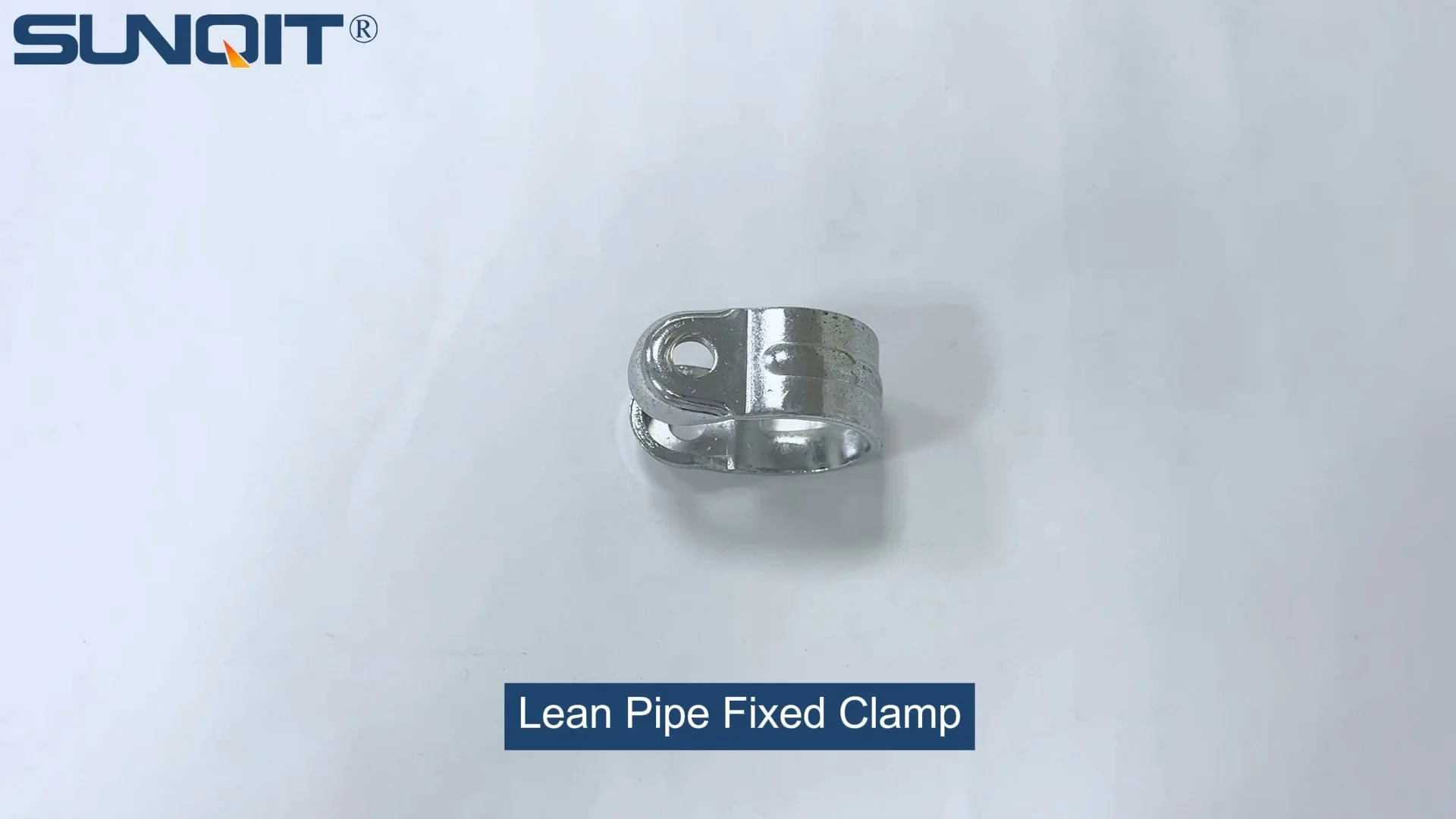
Lean Pipe Fixed Clamp
Lean pipe fixed clamp is used for pipe connector fixing the correct position during workbench flow rack hand trolley assemble work.
The Unsung Heroes of Automotive Assembly Efficiency
Walk into any modern automotive assembly plant, and you'll feel the energy—a constant hum of machinery, the precise movement of parts, and teams working in sync to turn raw materials into finished vehicles. But beneath that seamless operation lies a critical challenge: keeping tools, components, and workspaces organized, adaptable, and efficient. In an industry where even seconds of downtime can impact production targets, the right equipment isn't just a luxury—it's the backbone of success. That's where lean pipe systems come in, and at the heart of these systems are often overlooked game-changers: lean pipe fixed clamps.
Automotive assembly lines are dynamic environments. One day, a plant might be ramping up production for a new SUV model; the next, it might need to retool for a hybrid sedan. Traditional tool racks—often made of rigid steel or fixed wood—struggle to keep up. They're hard to reconfigure, slow to assemble, and prone to becoming cluttered with tools that don't quite fit. This disorganization doesn't just waste time; it creates frustration, slows down workflows, and even increases the risk of errors. Lean pipe fixed clamps solve these problems by turning static tool racks into flexible, customizable workspaces that adapt as quickly as your production needs do.
What Are Lean Pipe Fixed Clamps, Anyway?
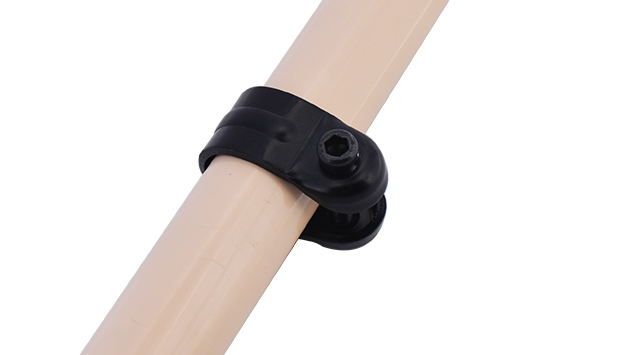
Let's start with the basics. Lean pipe systems—also known as "flexible pipe systems"—are modular setups made from lightweight pipes (often steel, aluminum, or PE-coated steel) and connectors that let you build everything from tool racks and workbenches to flow racks and conveyors. And lean pipe fixed clamps? They're the unsung heroes that hold these systems together. Think of them as the glue that turns individual pipes into sturdy, functional structures—without the hassle of welding, drilling, or permanent fasteners.
Unlike generic clamps, these are designed specifically for lean manufacturing. They're engineered to grip pipes tightly, even under heavy loads, while still allowing for quick adjustments. Most fixed clamps feature a simple bolt-and-nut design: slide the clamp onto two intersecting pipes, tighten the bolt, and you've got a secure joint. Need to move a shelf up by a few inches? Loosen the bolt, reposition, and retighten. It's that easy. This simplicity is why they've become a staple in automotive plants worldwide—they turn "we can't" into "we can, and we can do it today."
But not all clamps are created equal. The best ones are made from high-quality materials like zinc-plated steel or aluminum, which resist rust and corrosion—critical in a factory environment where oil, grease, and moisture are part of daily life. Some even come with ESD (electrostatic discharge) coatings, making them safe for use near sensitive electronic components, like those found in modern vehicle infotainment systems or battery packs. This attention to detail is what separates a flimsy DIY setup from a professional, industrial-grade tool rack that lasts for years.
Why Automotive Plants Can't Live Without Them
Let's get practical. Why do automotive manufacturers swear by lean pipe fixed clamps for their tool racks? It all comes down to three key benefits: flexibility, durability, and cost-effectiveness. Let's break them down.
Flexibility: Adapt Fast, Stay Ahead
Automotive production lines are anything but static. New models, updated components, and shifting consumer demands mean your tooling needs can change overnight. A tool rack that works perfectly for assembling a compact car might be useless for a pickup truck with larger parts. With traditional racks, you'd either have to buy a whole new setup or spend hours cutting, welding, and repainting. With lean pipe fixed clamps? You simply reconfigure. Need an extra shelf for torque wrenches? Add a few pipes and clamps. Want to lower a section to make tools easier to reach for shorter workers? Loosen the clamps, adjust, and you're done. No downtime, no extra costs—just a tool rack that evolves with your line.
This flexibility isn't just about saving time—it's about staying competitive. In an industry where speed to market matters, being able to retool a workstation in an hour instead of a week can mean the difference between meeting a deadline and falling behind. Lean pipe fixed clamps make that agility possible.
Durability: Built to Handle the Grind
Let's talk about wear and tear. Automotive plants are tough environments. Tools get dropped, carts bump into racks, and workers lean on surfaces daily. A flimsy clamp might hold for a week, but after months of use, it could loosen, bend, or even break—putting tools at risk of falling and workers at risk of injury. That's why industrial-grade lean pipe fixed clamps are built to last.
Take stainless steel clamps, for example. They're resistant to rust, even in humid or oily conditions, and can handle heavy loads without warping. Aluminum clamps, on the other hand, are lightweight but surprisingly strong—perfect for mobile tool racks or workbenches that need to be moved around the plant. And because they're designed with precision, the connection between pipe and clamp stays tight, even after hundreds of adjustments. This durability means fewer replacements, lower maintenance costs, and a safer workspace for everyone.
Cost-Effectiveness: Save Now, Save Later
At first glance, investing in lean pipe systems might seem more expensive than buying a prefab steel rack. But here's the secret: they pay for themselves. Traditional racks are one-and-done—if you need to change their layout, you might as well throw them away and buy new ones. Lean pipe fixed clamps? They let you reuse the same pipes and connectors over and over. A tool rack for a sedan can become a flow rack for SUV parts with just a few adjustments. Over time, this reusability slashes long-term costs.
Plus, assembly is a breeze. You don't need a team of welders or specialized tools—just a wrench and a few minutes. This saves on labor costs, too. And because the systems are lightweight, you can move them without heavy machinery, reducing the risk of workplace injuries and the need for expensive equipment rentals. When you add it all up, lean pipe fixed clamps aren't just a purchase—they're an investment in efficiency.

Beyond Tool Racks: Where Else Do These Clamps Shine?
While tool racks are their most common use, lean pipe fixed clamps are versatile enough to transform other parts of your assembly line, too. Let's look at a few key applications:
Lean Pipe Workbenches: The Heart of the Workstation
A workbench isn't just a table—it's where the magic happens. Whether workers are installing dashboards, wiring harnesses, or engine components, they need a stable, organized surface. Lean pipe workbenches, built with fixed clamps, deliver exactly that. You can add shelves, tool hooks, and even integrated lighting—all without drilling a single hole. And if a new component requires more space, just reposition the clamps to expand the surface area. Some plants even use ESD workbenches (another key product from top lean system suppliers) with fixed clamps to protect sensitive electronics from static damage. It's customization without compromise.
Flow Racks: Keeping Parts Moving
In automotive assembly, parts need to flow smoothly from storage to the line. Flow racks—with tilted shelves and roller tracks—use gravity to move components to workers, reducing the need for manual lifting. But traditional flow racks are often fixed in size, making them hard to adapt to different part sizes. Enter lean pipe fixed clamps. By using clamps to connect pipes and roller tracks, you can adjust shelf angles, heights, and widths in minutes. Need to accommodate larger brake calipers? Widen the shelves. Switching to smaller sensors? Narrow them. It's logistics made simple, and it keeps your production line running like a well-oiled machine.
Conveyors: Moving Parts, Not People
Conveyors are the arteries of any assembly line, moving parts between stations. But integrating them with other equipment can be tricky—until you use lean pipe fixed clamps. Whether you're building a small roller conveyor for nuts and bolts or a larger system for door panels, clamps let you connect conveyor sections to tool racks, workbenches, or even overhead structures. This integration eliminates gaps in the workflow, reducing the time workers spend walking to retrieve parts. And if you need to reroute the conveyor for a new production layout? Just loosen the clamps, move the sections, and retighten. No more expensive conveyor overhauls.

Traditional vs. Lean Pipe Fixed Clamp Tool Racks: A Quick Comparison
| Feature | Traditional Tool Racks | Lean Pipe Fixed Clamp Tool Racks |
|---|---|---|
| Flexibility | Fixed structure; cannot be reconfigured without modification | Easily adjustable; reconfigure in minutes with basic tools |
| Assembly Time | Hours to days (requires welding/drilling) | Minutes to hours (bolt-together design) |
| Durability | Prone to damage if modified; limited lifespan | High-quality materials; withstands repeated adjustments and heavy use |
| Cost Over Time | High (frequent replacements needed) | Low (reusable components; minimal maintenance) |
| Safety Features | Basic; may have sharp edges or unstable modifications | Ergonomic design; ESD options; secure joints reduce fall risks |
Choosing the Right Lean System Supplier: It Matters More Than You Think
You've decided to invest in lean pipe fixed clamps—great! But not all suppliers are created equal. To get the most out of your system, you need a partner who understands automotive manufacturing, not just someone selling parts. Here's what to look for:
- Quality Materials: Avoid cheap, flimsy clamps. Look for suppliers who use high-grade steel, aluminum, or stainless steel with corrosion-resistant coatings.
- Range of Accessories: The best systems include more than just pipes and clamps. Check if they offer roller tracks, caster wheels, ESD workbenches, and other accessories to expand your setup.
- Customization Support: Every plant is different. A good supplier will help you design a system tailored to your specific needs, not just sell you a one-size-fits-all kit.
- Technical Expertise: Do they have engineers who understand lean manufacturing principles? Can they help you optimize your layout for maximum efficiency?
- Reliable Delivery: In automotive, delays cost money. Choose a supplier with a track record of on-time deliveries, even for large orders.
Remember, your lean system supplier isn't just a vendor—they're a partner in your success. Take the time to research, ask for references, and even request samples before committing. A little due diligence now can save you headaches (and money) down the line.
Final Thoughts: Small Clamps, Big Impact
In the fast-paced world of automotive manufacturing, efficiency isn't just a goal—it's survival. Lean pipe fixed clamps might seem like small components, but they're the foundation of a more agile, productive, and cost-effective operation. They turn rigid tool racks into flexible workspaces, reduce downtime, and empower your team to adapt to change without missing a beat.
So, the next time you walk through your assembly line, take a closer look at those tool racks. Are they holding your team back, or helping them thrive? If it's the former, maybe it's time to make the switch. With lean pipe fixed clamps, you're not just building tool racks—you're building a better way to work. And in automotive, that's the difference between keeping up and leading the pack.