- Company Articles
- Products and Technology
- Solution
- Automotive Assembly Lines: Leveraging Single Side Aluminum Pipe for Efficient Workflows

Automotive Assembly Lines: Leveraging Single Side Aluminum Pipe for Efficient Workflows
Related Product
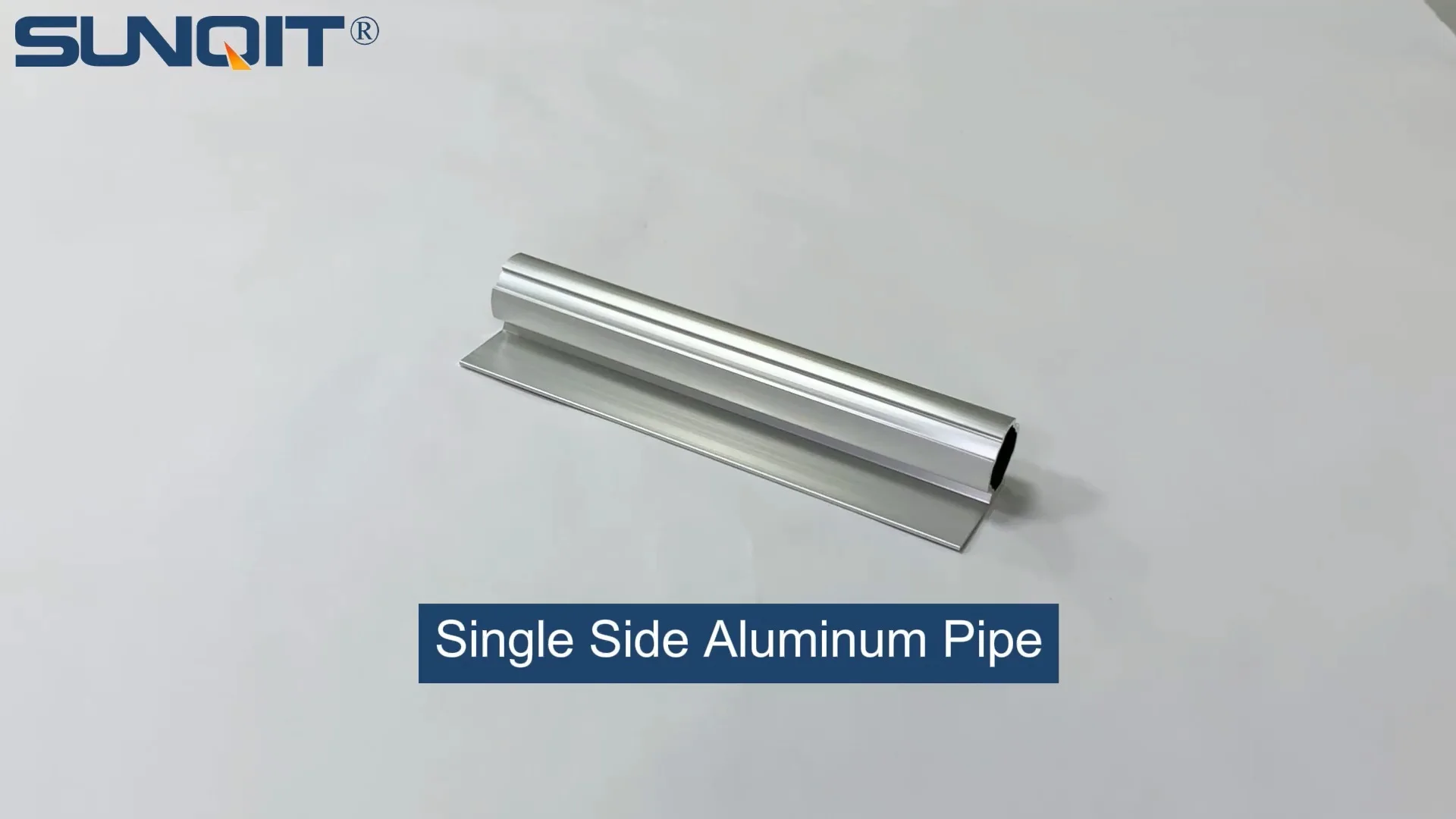
Single Side Aluminum Pipe
The single-sided plane can be installed with a back-mounted material box, and can also be used as a sidewall or partition.
Walk into any modern automotive assembly plant, and you'll be met with a symphony of precision: robots welding frames, workers installing intricate electronics, and conveyor belts carrying half-assembled vehicles from station to station. But behind this orchestration lies a hidden backbone—the infrastructure that keeps everything moving, adapting, and evolving. In recent years, one component has emerged as a quiet hero in this chaos: the single side aluminum pipe. Far more than just a "pipe," it's a modular building block that's redefining how automotive manufacturers approach efficiency, flexibility, and lean production. Let's dive into how this unassuming tool is transforming assembly lines, and why it's become a go-to choice for teams aiming to stay ahead in a fast-paced industry.
The Need for Adaptability in Modern Automotive Manufacturing
Automotive manufacturing isn't what it used to be. Gone are the days of mass-producing a single model for years on end. Today's consumers demand customization—different trims, hybrid options, electric vehicles, and even limited-edition features. This shift has put immense pressure on assembly lines to pivot quickly. A plant might produce a compact SUV one month and switch to a electric sedan the next, all while maintaining strict quality standards and tight deadlines.
Traditional assembly line setups often struggle with this. Steel pipes welded into fixed structures, wooden workbenches that warp under heavy tools, and rigid conveyor systems that require weeks of reconfiguration—these once-standard solutions now act as bottlenecks. They're heavy, hard to modify, and expensive to replace. worse, they fail to address another critical need: worker ergonomics. As manufacturers strive to reduce fatigue and injury, fixed-height workbenches or poorly positioned material racks become liabilities, not assets.
Enter lean manufacturing principles. At its core, lean is about eliminating waste—whether that's time, materials, or unnecessary movement. And lean systems thrive on flexibility. This is where single side aluminum pipe comes into play. Lightweight, modular, and infinitely adaptable, it's designed to support the kind of quick changes and worker-centric design that modern assembly lines demand. But what exactly makes it so special?
Single Side Aluminum Pipe: More Than Just a Material
Let's start with the basics. Single side aluminum pipe is part of a broader family of aluminum lean pipe systems. Unlike traditional steel pipes, which are heavy and prone to rust, aluminum offers a unique blend of strength and lightness. A 1.2mm thick aluminum lean pipe can support the weight of car parts, tools, and even small equipment, yet it's light enough for two workers to reposition without heavy machinery. But the real magic isn't in the pipe itself—it's in how it's used.
These pipes are designed to work with a range of aluminum profile accessories: joints that twist and lock into place, end caps that protect edges, and connectors that link pipes into complex structures. No welding, no drilling, no specialized tools—just a few simple hand adjustments. This modularity means that a workbench built on Monday can be disassembled, reconfigured into a material rack by Wednesday, and turned into a mobile trolley by Friday. For automotive plants running multiple shifts or changing production runs, this adaptability is game-changing.
Take, for example, a station that assembles door panels. One week, the team might be working on a model with large speakers and wiring harnesses, requiring extra table space. The next week, they switch to a simpler door design, freeing up space for additional tools. With single side aluminum pipe, the workbench's height, width, and shelf positions can be adjusted in hours, not days. Workers can lower the table to reduce bending, add a side shelf for tools, or even attach a small roller track to slide panels into place—all without disrupting the rest of the line.
| Feature | Traditional Steel Pipe | Single Side Aluminum Lean Pipe |
|---|---|---|
| Weight (per meter) | ~3.5kg (heavier, harder to maneuver) | ~1.2kg (lightweight, easy to reposition) |
| Reconfigurability | Requires welding/grinding; permanent changes | Tool-free adjustments with joints; reusable |
| Corrosion Resistance | Prone to rust; needs painting/coating | Natural oxide layer; resists moisture and chemicals |
| Ergonomic Adaptability | Fixed heights/designs; limited worker customization | Adjustable heights, angles, and accessories |
| Long-term Cost | High replacement/maintenance costs | Reusable components; lower upkeep |

From Workbenches to Roller Tracks: Real-World Applications in Automotive Plants
To truly understand the impact of single side aluminum pipe, let's look at its most common applications in automotive assembly lines. These aren't just theoretical—they're solutions that plants around the world are using daily to boost efficiency and worker satisfaction.
1. Custom Workbenches: Built for the Worker, Not the Other Way Around
Workbenches are the heart of any assembly station. A poorly designed bench can lead to strained backs, slowed work, and even mistakes. Single side aluminum pipe transforms workbenches from static tables into dynamic tools. For example, an aluminum workbench E (single deck, without casters) can be adjusted to match the height of each worker—no more one-size-fits-all. Add a set of casters, and it becomes a mobile workstation that can follow the vehicle down the line, reducing the need for workers to walk back and forth.
But it's the little details that matter. Aluminum profile accessories like tool hooks, cup holders, and even small roller tracks for sliding parts ensure that everything a worker needs is within arm's reach. For stations handling sensitive electronics (like dashboard displays or wiring), ESD (Electrostatic Discharge) workbenches—built with conductive aluminum lean pipe—protect components from static damage. These aren't just "nice-to-haves"; they're critical for maintaining quality in modern vehicles, where a single fried circuit board can derail an entire production run.
2. Roller Tracks: Keeping Materials Flowing Smoothly
In automotive assembly, materials need to move—fast. From bolts and screws to larger components like brake calipers or seat frames, every part has a specific place and time to arrive at a station. Roller tracks, often paired with single side aluminum pipe, make this flow seamless. Unlike traditional conveyor belts, which are fixed and expensive to modify, aluminum roller tracks are modular. They can be built to any length, curved around obstacles, or adjusted to different angles to control the speed of materials.
Take, for instance, a plastic roller track guide rail (yellow or grey, depending on the line's color-coding system). These rails snap into place on aluminum pipes, creating a smooth path for bins of screws or small parts. For heavier items, like engine components, steel roller tracks with black ESD wheels ensure parts glide without jamming, even when carrying 50+ kg loads. And when the line reconfigures, the tracks can be disassembled, moved, and reassembled in hours—no need to call in contractors or shut down production.
One plant in Michigan recently shared how they replaced a 20-foot steel conveyor with aluminum roller tracks and single side aluminum pipe. The old system took two days to reposition; the new one? Just four hours. And because the aluminum tracks are lighter, they reduced the strain on the plant's floor supports, eliminating a long-standing safety concern.
3. Material Racks: Storing Smart, Not Just Storing
Material storage is often an afterthought in assembly line design, but it shouldn't be. A disorganized rack can lead to wasted time searching for parts, damaged components, or even worker injuries from heavy lifting. Single side aluminum pipe solves this with racks that are both sturdy and adjustable. A material rack B (3 rows, 3 floors), for example, can be built to hold bins of varying sizes—from small fasteners to larger trim pieces. The shelves, made from aluminum profiles, can be moved up or down to fit taller boxes or create space for bulkier items.
What's more, these racks are designed with lean principles in mind. By placing frequently used parts at eye level and within arm's reach, they reduce the "motion waste" that plagues many lines. Workers no longer have to bend, stretch, or walk across the station to grab a part—saving seconds per task, which adds up to hours per week. And because the racks are built with aluminum lean pipe, they're easy to expand. If a new part is added to the production run, a quick trip to the plant's tool room for extra pipes and joints is all it takes to add a new shelf.

Durability and Cost: Why Aluminum Beats Steel (and Even Wood)
Skeptics might wonder: Is aluminum strong enough for automotive work? After all, car parts are heavy, and assembly lines run 24/7. The answer is a resounding yes. Modern aluminum lean pipe is engineered to withstand the rigors of manufacturing. A 1.5mm pe coated lean pipe, for example, has a tensile strength of around 120 MPa—more than enough to support the weight of tools, parts, and even small equipment. And because aluminum resists corrosion, it holds up better than steel in plants where oil, coolant, or cleaning chemicals are present. No more rusted joints or flaking paint—just a system that looks and works like new for years.
Cost is another key factor. While aluminum lean pipe might have a slightly higher upfront cost than steel or wood, its long-term savings are undeniable. Steel pipes require welding, which adds labor costs. They also rust, meaning replacement every 3–5 years. Wood workbenches warp, splinter, and need replacing even sooner. Aluminum, by contrast, is reusable. A single pipe can be part of a workbench today, a material rack tomorrow, and a trolley next month. When a production line is retired, the pipes and accessories can be stripped down and used elsewhere in the plant. Over time, this reusability cuts down on waste and reduces the need for new materials—saving thousands of dollars annually.
Maintenance is minimal, too. Unlike steel, aluminum doesn't need painting or coating to prevent rust. A quick wipe with a damp cloth is usually enough to keep it clean. And if a joint wears out or a pipe gets dented? Individual components can be replaced without tearing down the entire structure. For busy plants, this means less downtime and more time spent producing vehicles.

The Human Touch: Ergonomics and Worker Satisfaction
At the end of the day, assembly lines are run by people—and people thrive when their workspace is designed with their needs in mind. Single side aluminum pipe excels here, too. Adjustable workbenches mean a 5'2" worker and a 6'1" worker can both operate comfortably at the same station, reducing back pain and fatigue. Mobile trolleys built with aluminum lean pipe let workers bring tools and parts to the vehicle, rather than walking back and forth to a fixed bench. Even small touches, like swivel roller balls (1 inch or 0.5 inch) embedded in workbench surfaces, let workers slide heavy parts without lifting, cutting down on strain.
A study by the Automotive Industry Action Group (AIAG) found that plants using ergonomic, adjustable workstations reported a 23% reduction in worker absences and a 15% increase in productivity. Workers felt more valued, knowing their comfort was a priority, and this translated into better focus and fewer mistakes. In an industry where even a small error can lead to costly recalls, this is invaluable.
Looking Ahead: The Future of Aluminum Lean Pipe in Automotive
As automotive manufacturing continues to evolve—with electric vehicles, AI-driven automation, and even more customization—the demand for flexible infrastructure will only grow. Single side aluminum pipe is poised to meet this demand, and then some. We're already seeing innovations like aluminum pipes with built-in IoT sensors, which monitor weight loads or track usage patterns to predict maintenance needs. Imagine a workbench that alerts managers when a shelf is overloaded, or a roller track that sends a notification when a wheel starts to jam—all built on the same modular aluminum system.
Sustainability is another trend driving adoption. Aluminum is 100% recyclable, and using it reduces a plant's carbon footprint compared to steel (which requires more energy to produce and transport). As automakers set net-zero goals, choosing materials that align with these values will become a competitive advantage.
Final Thoughts: More Than a Pipe—A Partner in Progress
Single side aluminum pipe might not grab headlines like the latest electric vehicle or AI-powered robot, but it's quietly revolutionizing how automotive assembly lines operate. It's a tool that embodies lean principles: flexible, efficient, and focused on people. From adjustable workbenches that reduce strain to roller tracks that keep materials flowing, it's proving that sometimes the most impactful innovations are the ones that make the complex simple.
For manufacturers looking to stay ahead in a fast-changing industry, the message is clear: invest in infrastructure that can evolve with you. Single side aluminum pipe isn't just a purchase—it's a long-term partner in building assembly lines that are faster, safer, and more adaptable. And in automotive manufacturing, where every second and every dollar counts, that's not just an advantage. It's a necessity.