- Company Articles
- Products and Technology
- Application Cases
- Automotive Factories: 1.2mm Stainless Steel Pipe in Material Handling Racks

Automotive Factories: 1.2mm Stainless Steel Pipe in Material Handling Racks
Related Product
1.2mm Stainless Steel Pipe
Stainless steel pipe, lean pipe, diameter is 28mm, material is SS201 or SS304, SS201 is normally used in the market. It knows a KARAKURI, KAIZEN material for industrial plant to improve efficiency, save labor cost, standard management.
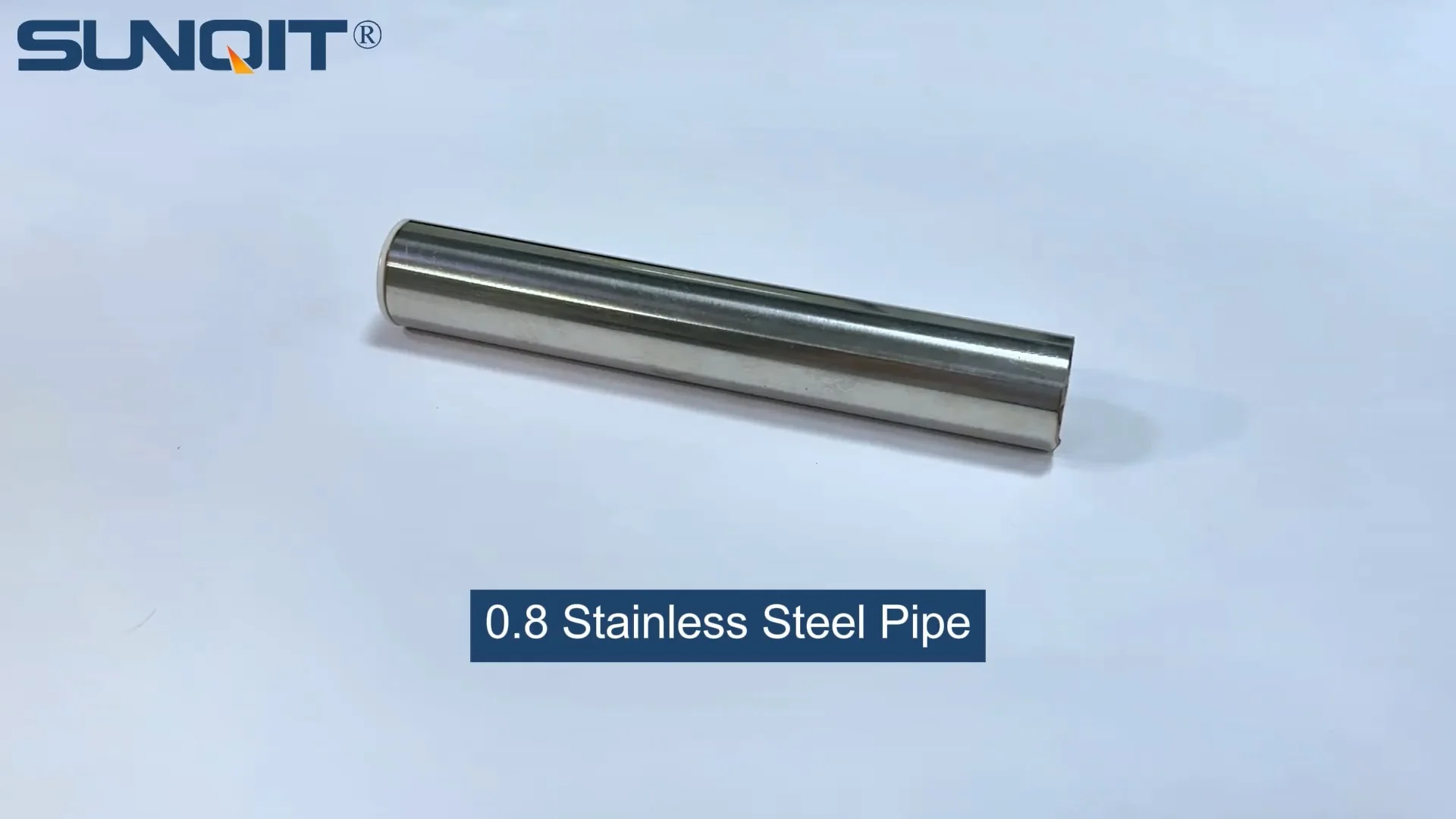
In the fast-paced world of automotive manufacturing, every second counts. From the moment raw materials arrive to the final assembly line, efficiency isn't just a goal—it's the backbone of profitability. One often-overlooked hero in this process? The humble material handling rack. And when it comes to building racks that stand up to the chaos of a factory floor, 1.2mm stainless steel pipe has quietly become a game-changer. Let's dive into why this specific material is reshaping how automotive plants organize, move, and protect their most critical assets.
The Hidden Cost of Flimsy Material Racks
Walk into any automotive factory, and you'll see racks everywhere—holding everything from small bolts and wiring harnesses to heavy engine blocks and transmission parts. But not all racks are created equal. Many plants still rely on cheaper, lighter materials: plastic-coated pipes that scratch easily, aluminum frames that bend under heavy loads, or even wooden shelves that warp with moisture. Here's the problem: these "budget-friendly" options often end up costing more in the long run.
Imagine a rack loaded with brake calipers suddenly buckling because the pipe couldn't handle the weight. Parts scatter, the assembly line pauses, and workers spend precious time cleaning up and replacing damaged components. Or consider a food-grade facility where corrosion from oil or coolant eats through a standard steel rack, forcing a complete replacement just months after installation. These aren't hypothetical scenarios—they're daily headaches for plant managers stuck with subpar equipment.
That's where stainless steel pipe series steps in. Specifically, 1.2mm stainless steel pipe strikes a rare balance between strength, durability, and practicality. It's not too thick to be cumbersome, yet sturdy enough to handle the rigors of automotive manufacturing. Let's break down why this thickness, in particular, matters.
Why 1.2mm? The Sweet Spot of Strength and Weight
Stainless steel pipes come in various thicknesses, from ultra-thin 0.8mm to heavy-duty 2.0mm. So why 1.2mm for material handling racks? Let's start with the numbers. A 1.2mm wall thickness gives the pipe a tensile strength that can support up to 200 kg per linear meter—more than enough for most automotive parts, which typically weigh between 5 kg (small brackets) and 50 kg (engine components). But it's not just about raw strength; it's about weight efficiency.
Heavier pipes (like 2.0mm) add unnecessary bulk to racks, making them harder to move (even with casters) and increasing shipping costs. Thinner pipes (0.8mm) save weight but sacrifice durability—bending under repeated use or denting when bumped by forklifts. 1.2mm hits that perfect middle ground: strong enough to last, light enough to be versatile. It's the engineering equivalent of a multi-tool—adaptable to almost any task on the factory floor.
But strength and weight are just the start. Stainless steel's real superpower? Corrosion resistance. Automotive plants are messy places: oil spills, coolant drips, and even humidity from paint shops can turn standard steel into rust in weeks. Stainless steel, with its chromium oxide layer, laughs off these threats. A 1.2mm stainless steel rack can stay shiny and strong for 10+ years, even in the wettest, greasiest corners of the plant. That's a lifespan that outlasts aluminum (prone to dents) and plastic-coated pipes (which peel) by years.

From Blueprint to Factory Floor: The Material Rack B (3 Row and 3 Floor) in Action
Let's get concrete. One of the most popular rack designs in automotive facilities today is the material rack b (3 row and 3 floor) —a multi-tiered system designed to maximize vertical space while keeping parts organized by type or assembly stage. When built with 1.2mm stainless steel pipe, this rack transforms from a basic storage unit into a workhorse.
Take a typical scenario: a plant producing brake systems. Each "floor" of the rack holds a different component: calipers on the top, rotors in the middle, and brake pads on the bottom. With 1.2mm stainless steel, the rack can handle the weight of 20+ calipers per row (each around 8 kg) without sagging. The vertical supports, made from the same pipe, resist bending even when workers lean on them to grab parts. And because stainless steel doesn't scratch easily, the racks stay looking professional—no more rust streaks or peeling paint ruining the visual order of the factory.
What about mobility? Many material racks need to be moved to the assembly line as parts are needed. Here, 1.2mm stainless steel's lightweight nature shines. Pair the rack with heavy-duty casters (another critical accessory in the stainless steel pipe series ), and even a fully loaded 3-row, 3-floor rack can be pushed by a single worker—no forklift required. That means less time waiting for equipment and more time keeping the line moving.

How 1.2mm Stainless Steel Pipe Stacks Up Against the Competition
You might be wondering: Why not use aluminum? Or plastic-coated lean pipe? Let's put 1.2mm stainless steel head-to-head with its common alternatives to see why it's the top choice for automotive material racks.
| Material | Thickness | Corrosion Resistance | Weight Capacity (per linear meter) | Typical Lifespan | Best For |
|---|---|---|---|---|---|
| 1.2mm Stainless Steel Pipe | 1.2mm | Excellent (resists oil, coolant, humidity) | Up to 200 kg | 10–15 years | Heavy parts, wet/dirty environments |
| Aluminum Lean Pipe | 1.5mm | Good (but dents easily) | Up to 150 kg | 5–7 years | Light parts, clean rooms |
| 1.5mm PE-Coated Lean Pipe | 1.5mm (steel core, plastic coating) | Poor (coating peels; steel rusts underneath) | Up to 180 kg | 2–3 years | Temporary setups, low-budget facilities |
The table tells the story: stainless steel outperforms in corrosion resistance and lifespan, while holding its own in weight capacity. For automotive plants, where racks are exposed to harsh conditions and need to last, the higher upfront cost of stainless steel pays off in spades. A 1.2mm stainless steel rack might cost 30% more than a PE-coated one initially, but it won't need replacement for a decade—saving thousands in long-term maintenance.
Beyond Racks: 1.2mm Stainless Steel Pipe in Lean Systems
Automotive manufacturing isn't just about storage—it's about lean system principles: eliminating waste, streamlining flow, and continuous improvement. 1.2mm stainless steel pipe fits seamlessly into this philosophy, thanks to its versatility.
Take workbenches, for example. Many assembly tasks require a sturdy surface to hold tools and parts. A workbench built with 1.2mm stainless steel pipe as the frame is not only durable but also easy to customize. Add a wooden or metal top, and you've got a surface that resists scratches from tools and doesn't warp when oil or coolant spills. Even better, the pipe's modular nature means you can add shelves, hooks, or tool holders as needs change—no need to buy a whole new bench.
Then there are turnover trolleys—those mobile carts that shuttle parts between stations. A trolley frame made with 1.2mm stainless steel can handle heavy loads without tipping, and the corrosion resistance ensures it stays functional even when left outside during loading/unloading. When paired with swivel casters (another key accessory in the stainless steel pipe series), these trolleys glide smoothly over uneven factory floors, reducing worker fatigue and speeding up material transport.
The Role of Accessories: Making Stainless Steel Racks Work Harder
A pipe is only as good as the accessories that hold it together. For 1.2mm stainless steel pipe, the right joints, connectors, and add-ons turn a pile of pipes into a fully functional material handling system. Let's look at a few must-haves:
Stainless Steel Pipe Joints
These small but critical components connect pipes at angles (90°, 45°, T-joints) to form the rack's frame. Made from the same stainless steel as the pipes, they resist corrosion and ensure a tight, wobble-free fit. Unlike plastic joints (which crack over time) or aluminum (which bends), stainless steel joints maintain their integrity even under constant stress.
Roller Tracks and Swivel Balls
For racks that need to slide parts smoothly (like moving gearboxes from the rack to the assembly line), adding roller tracks or swivel balls (1-inch or 0.5-inch sizes) is a game-changer. When mounted on a stainless steel frame, these accessories reduce friction, making it easy for workers to pull heavy parts without straining. The result? Fewer injuries and faster part retrieval.
Casters and Wheel Accessories
Mobility is key in lean manufacturing, and stainless steel casters with rubber wheels are the perfect match for 1.2mm pipe racks. They lock securely to prevent accidental movement, roll quietly to avoid disrupting the work environment, and stand up to the weight of fully loaded racks. Even better, they're easy to replace if a wheel wears out—no need to replace the entire rack.
Real-World Results: A Case Study
Let's hear from a real automotive plant that made the switch to 1.2mm stainless steel pipe racks. A mid-sized manufacturer in Michigan, producing suspension components, was struggling with frequent rack failures. Their old PE-coated racks were rusting within two years, and the wobbly frames often caused parts to shift, leading to scratches and quality issues.
After switching to material rack b (3 row and 3 floor) built with 1.2mm stainless steel pipe, the results were clear: over three years, they reduced rack replacement costs by 75%. Parts damage dropped by 40% because the sturdy racks kept components stable. Workers reported less fatigue from moving trolleys, and the plant's 5S audit scores (a key lean system metric) improved from "needs improvement" to "excellent"—all because the racks stayed organized and visually consistent.
The plant manager summed it up: "We used to see racks as a necessary evil. Now, with stainless steel, they're an asset. We spend less time fixing them and more time making parts."
Choosing the Right Supplier: Why Quality Matters
Not all 1.2mm stainless steel pipe is created equal. To get the full benefits, you need a supplier that prioritizes quality. Look for suppliers who:
- Use food-grade or industrial-grade stainless steel (304 or 316 grade) to ensure corrosion resistance.
- Offer consistent wall thickness (1.2mm, not 1.1mm or 1.3mm) to guarantee weight capacity.
- Provide a full range of accessories (joints, casters, roller tracks) made from matching stainless steel.
- Have experience working with automotive plants—they'll understand your unique needs, like ESD protection or clean-room compatibility.
A reliable supplier won't just sell you pipes; they'll help you design racks that fit your space, workflow, and part sizes. They'll even provide samples to test in your facility before you commit—because the best solutions are built on collaboration, not guesswork.
The Future of Material Handling: What's Next for Stainless Steel Pipes?
As automotive manufacturing trends toward electric vehicles (EVs) and smart factories, material handling racks will need to evolve too. EV batteries, for example, are heavier and more sensitive to damage than traditional engine parts—demanding even sturdier storage solutions. 1.2mm stainless steel pipe is already rising to the challenge, with suppliers developing new joint designs and reinforced pipes to handle these heavier loads.
There's also the rise of "connected racks." Imagine a material rack b (3 row and 3 floor) equipped with sensors that track part levels in real time, alerting managers when stock is low. With 1.2mm stainless steel's durability, these smart racks can house electronics without worrying about corrosion or damage—blending old-school strength with new-school technology.
And let's not forget sustainability. Stainless steel is 100% recyclable, making it a greener choice than plastic-coated alternatives. As automotive plants aim to reduce their carbon footprints, choosing materials that last longer and can be recycled will become even more important. 1.2mm stainless steel pipe checks both boxes.
Final Thoughts: Small Pipes, Big Impact
In the grand scheme of automotive manufacturing, material handling racks might not seem glamorous—but they're the unsung heroes that keep the line moving. And at the heart of these racks, 1.2mm stainless steel pipe has proven itself as a material that delivers where it counts: strength, durability, and versatility. Whether you're building a material rack b (3 row and 3 floor) for brake components or a custom workbench for assembly tasks, this pipe and its accompanying stainless steel pipe series accessories offer a solution that grows with your plant.
So the next time you walk through an automotive factory, take a closer look at those racks. Chances are, the ones that look the sturdiest, the cleanest, and the most reliable? They're built with 1.2mm stainless steel pipe. Because in manufacturing, the best innovations aren't always the flashiest—sometimes, they're the ones that quietly get the job done, day in and day out.