- Company Articles
- Products and Technology
- Application Cases
- Automotive Industry Applications: Roller Track Placon Mount Brackets for Parts Handling

Automotive Industry Applications: Roller Track Placon Mount Brackets for Parts Handling
Related Product
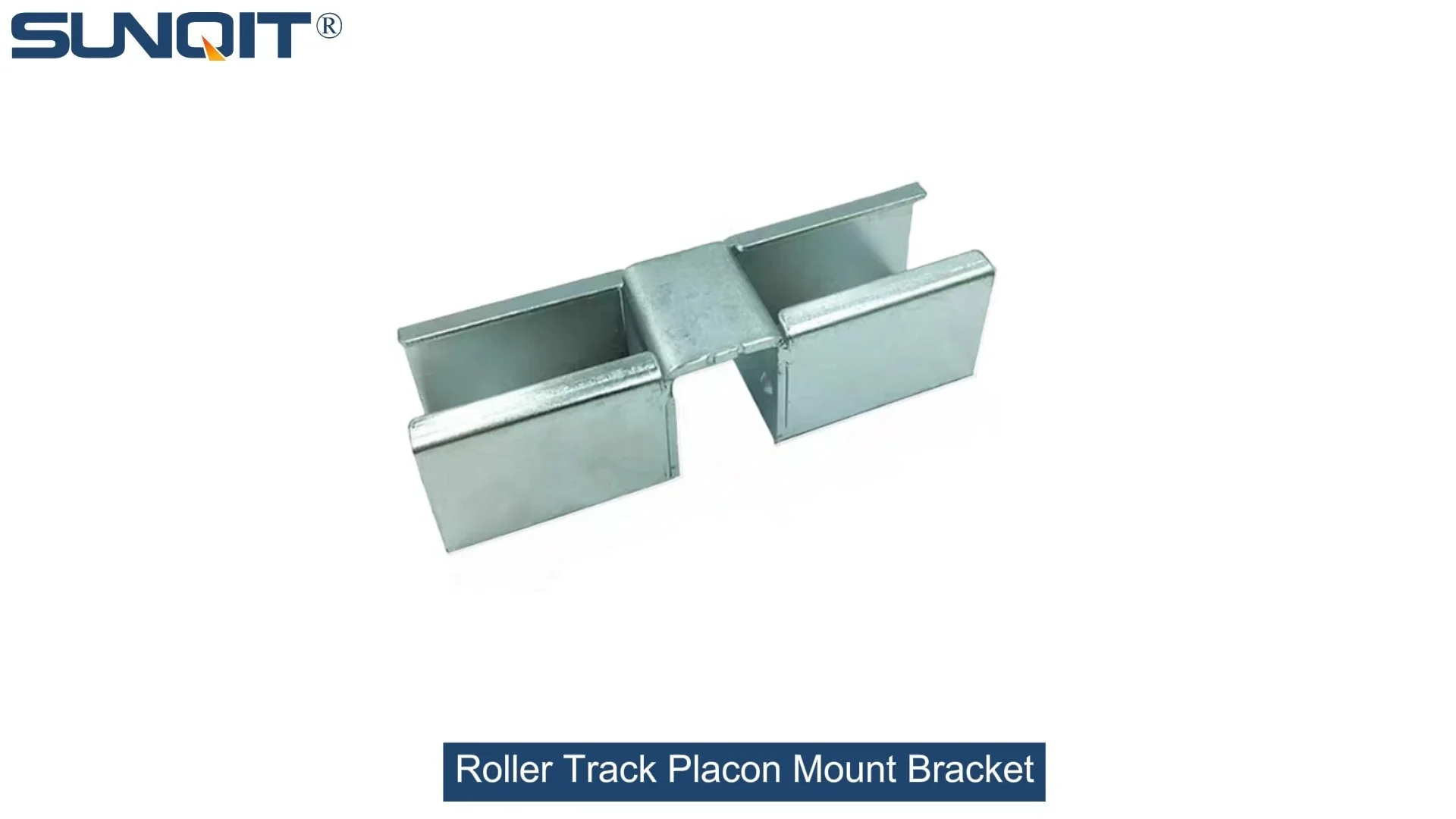
Roller Track Placon Mount Bracket
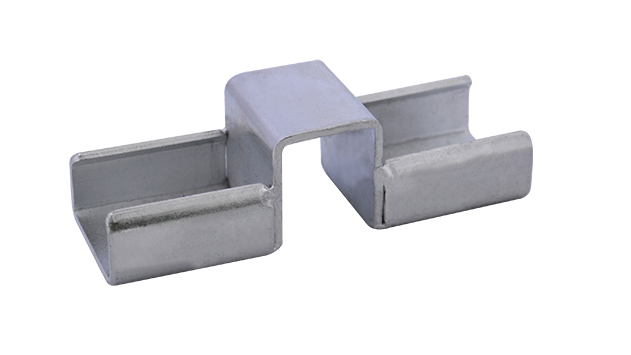
Roller track placon mount work as a connector for roller track and pipe or aluminum profile in rack syetem, it is a necessary parts in rack system which widely used in industrial plant and logistic,warehouse storage.
Enhancing Efficiency, Flexibility, and Lean Manufacturing in Automotive Production Lines
The automotive industry stands as a testament to precision, complexity, and the relentless pursuit of efficiency. Every vehicle rolling off the production line is the result of thousands of parts—from tiny electronic sensors to heavy engine components—coming together in perfect harmony. Yet, behind this seamless assembly lies a critical, often underappreciated challenge: how to move these parts through the production process quickly, safely, and adaptably. In a sector where even a minute of downtime can cost thousands of dollars, the reliability of parts handling systems is not just a convenience but a cornerstone of operational success.
Enter roller track placon mount brackets —a seemingly unassuming component that has quietly revolutionized how automotive manufacturers handle parts. These brackets, often paired with aluminum profiles and lean pipe systems, are engineered to address the unique demands of automotive production: high throughput, variable part sizes, strict durability standards, and the need for rapid reconfiguration. Whether it's transporting delicate wiring harnesses for electric vehicles or robust suspension parts for trucks, roller track placon mount brackets serve as the backbone of a flexible, lean material handling ecosystem.
This article dives deep into the role of roller track placon mount brackets in automotive manufacturing, exploring their design philosophy, material advantages, real-world applications, and how they integrate with broader lean systems like workbenches and conveyors. By the end, you'll understand why these brackets are more than just hardware—they're a strategic tool for automotive plants aiming to stay competitive in an industry driven by innovation and efficiency.
The Hidden Cost of Inefficient Parts Handling in Automotive Manufacturing
Before we explore the solutions, it's crucial to grasp the stakes of poor parts handling. Automotive production lines are a symphony of timed operations; when parts fail to arrive at the right station at the right time, the entire orchestra falters. Let's break down the key pain points:
1. Bottlenecks from Rigid Conveyance Systems
Traditional fixed conveyors, while once industry standards, are ill-suited for modern automotive plants. With (vehicle models) changing annually and production runs becoming shorter to meet consumer demand, these systems can't adapt. A conveyor designed for a sedan's door panels becomes obsolete when the plant shifts to SUV production, leading to expensive overhauls or inefficient workarounds like manual carting.
2. Damage Risks to High-Value Components
Automotive parts vary drastically in size, weight, and fragility. A misaligned roller or a rough conveyor surface can scratch a $500 infotainment screen or bend a precision-machined engine bracket. The cost of rework, scrap, and warranty claims adds up—studies show that poor handling contributes to up to 15% of production defects in automotive assembly.
3. Ergonomic Strain and Labor Inefficiency
When automated systems fail, workers step in. Manual lifting of heavy parts like transmissions or batteries increases the risk of workplace injuries, leading to downtime and workers' compensation claims. Even light parts, if not positioned at the correct height or angle, force operators into awkward postures, slowing down assembly and reducing focus.
4. Inability to Scale with Demand Fluctuations
Automotive demand is cyclical—holiday seasons, new model launches, or sudden shifts (like the global surge in electric vehicle demand) require plants to scale up or down rapidly. Fixed handling systems can't adjust to these fluctuations, leaving plants either overcapacity (wasting resources) or underprepared (missing production targets).
These challenges aren't just operational—they hit the bottom line. A 2023 report by the Automotive Industry Action Group (AIAG) found that manufacturers lose an average of 7% of annual revenue to inefficient material handling. For a mid-sized plant producing 100,000 vehicles yearly, that's millions in preventable losses. The solution? Systems that combine durability with flexibility—a balance that roller track placon mount brackets excel at delivering.
Roller Track Placon Mount Brackets: Design and Material Excellence
At first glance, a roller track placon mount bracket might look like a simple piece of metal. But its design is the result of decades of lean manufacturing evolution, tailored to solve the very pain points outlined above. Let's dissect what makes these brackets a game-changer for automotive applications.
Engineering for Adaptability: The Placon Mount Advantage
Unlike traditional welded brackets, placon mount brackets feature a modular design that allows for tool-free adjustment. The term "placon" refers to their precision-machined mounting slots, which align with standard aluminum profiles (often 40mm or 80mm T-slot extrusions). This means:
- Tool-less Reconfiguration: A single operator can adjust the height, angle, or spacing of roller tracks in minutes using only a hex key, allowing lines to switch between part types without halting production.
- Universal Compatibility: Placon mount brackets work with various roller track types—from steel wheel tracks for heavy parts to aluminum mini tracks for small components—eliminating the need for specialized brackets for each application.
- Stability Under Load: The brackets' design distributes weight evenly across the aluminum profile, preventing bending or warping even when transporting parts weighing up to 50kg (110 lbs) per linear meter.
Material Science: Aluminum Profiles and Stainless Steel—Built for the Automotive Floor
Automotive plants are harsh environments: oil, coolant, dust, and constant temperature fluctuations test the limits of any material. Roller track placon mount brackets are constructed from two primary materials, each chosen for its resilience:
Aluminum Extrusion Profiles: The backbone of the system, aluminum profiles offer an unbeatable combination of strength and lightness. Treated with anodized coatings, they resist corrosion from automotive fluids and require minimal maintenance. For example, the 4080 EU standard aluminum profile —a common choice for bracket mounting—boasts a tensile strength of 200 MPa, ensuring it can handle the rigors of daily use without deforming.
Stainless Steel Components: Critical moving parts, like bracket hinges and roller axles, are made from 304 or 316 stainless steel. These alloys withstand rust and wear, even in high-moisture areas like painting or washing stations. For plants in coastal regions, 316 stainless steel adds extra protection against salt air corrosion.
| Material | Key Advantage | Automotive Application Example |
|---|---|---|
| Anodized Aluminum Profile | Corrosion resistance, lightweight | Mounting brackets for battery pack conveyors in EV production |
| 304 Stainless Steel | Wear resistance, low maintenance | Roller axles in engine component handling lines |
| Reinforced Nylon (Plastic Components) | Shock absorption, noise reduction | End stops for delicate electronic parts like airbag sensors |
ESD Protection: Safeguarding Sensitive Electronics
Modern vehicles are rolling computers, packed with ECUs (Electronic Control Units), sensors, and touchscreens. These components are highly sensitive to electrostatic discharge (ESD), which can damage microchips even without visible signs. Roller track placon mount brackets address this with optional ESD-compliant features:
- Conductive Aluminum Alloys: Brackets made from ESD-grade aluminum dissipate static charges to ground, preventing voltage buildup that could harm electronics.
- Black ESD Wheels: When paired with 40 steel roller track black ESD wheels , the system ensures parts like infotainment modules are transported safely from PCB assembly to final installation.
- Integrated Grounding Points: Placon mounts include pre-drilled holes for grounding cables, simplifying compliance with IEC 61340 ESD standards—a must for automotive suppliers.
Real-World Applications: How Automotive Plants Are Using Roller Track Placon Mount Brackets
The true measure of any manufacturing tool is its performance on the factory floor. Let's explore three case studies where roller track placon mount brackets have transformed parts handling in automotive plants, spanning assembly, warehousing, and quality control.
Case Study 1: Electric Vehicle Battery Assembly Line
A leading European EV manufacturer faced a challenge: their battery pack assembly line required frequent reconfiguration to accommodate different battery sizes (from 40kWh to 100kWh) for various vehicle models. Their previous fixed conveyor system took 8 hours to retool, causing costly downtime.
The solution? A system of roller track placon mount brackets paired with 85 staggered roller tracks (ideal for heavy, uneven loads like battery packs) and aluminum profiles. Key outcomes:
- Retooling time reduced from 8 hours to 45 minutes by adjusting bracket positions and switching roller track inserts.
- Damage to battery casings dropped by 92% due to the track's shock-absorbing nylon wheels and precise alignment via placon mounts.
- Ergonomic improvements: Brackets were mounted at waist height, eliminating the need for workers to bend or lift, reducing reported strains by 65%.
"The flexibility of the placon mount system has let us keep up with our aggressive production targets, even as we launch new EV models. We can now run three different battery sizes on the same line in a single shift." — Production Manager, European EV Plant
Case Study 2: Tier 1 Supplier's Warehouse-to-Line Feeding
A Tier 1 automotive supplier supplying door panels to multiple OEMs struggled with "line starvation"—periods where assembly stations ran out of parts because warehouse carts couldn't keep up with production speed. Their 20,000 sq. ft. warehouse used manual picking, leading to delays and stockouts.
By installing a gravity-fed system using roller track placon mount brackets and flow racks , the supplier created a "supermarket" of door panels where parts flowed directly to assembly lines via inclined roller tracks. Placon brackets allowed them to adjust track angles (3° for plastic panels, 5° for metal-reinforced ones) to control flow speed. Results:
- Line starvation eliminated—parts arrived at stations 2–3 minutes before they were needed, thanks to constant flow.
- Warehouse picking errors reduced by 78% due to visual stock levels on flow racks, enabled by bracket-mounted track transparency.
- Labor costs cut by 30% as fewer workers were needed for carting, redirecting staff to value-added tasks like quality checks.
Case Study 3: Quality Control Inspection Stations
A Japanese automotive manufacturer's quality control (QC) department handled over 500 part types daily, from small screws to large suspension arms. Inspectors spent 20% of their time moving parts between workbenches, reducing inspection throughput.
The solution integrated roller track placon mount brackets with lean pipe workbenches , creating a U-shaped inspection cell. Brackets mounted under the workbench tops supported mini roller tracks, allowing parts to glide from one inspector to the next without manual lifting. ESD-compliant brackets and tracks protected sensitive electronic parts during inspection. Impact:
- Inspection throughput increased by 25% as inspectors focused on testing, not transport.
- Cross-contamination between parts reduced—tracks were easily cleaned thanks to smooth aluminum surfaces and detachable brackets.
- Space savings: The U-shaped cell reduced floor space by 15% compared to linear workbenches, allowing the QC department to add two more inspection stations.

Beyond Brackets: Integrating with Lean Systems for End-to-End Efficiency
Roller track placon mount brackets are powerful on their own, but their true potential shines when integrated with other lean manufacturing tools. In automotive plants, this integration creates a seamless material flow ecosystem, from raw parts intake to finished vehicle assembly. Let's explore key partnerships:
1. Pairing with Lean Pipe Workbenches: The Heart of Assembly Stations
Lean pipe workbenches are the workhorses of automotive assembly, providing a stable, customizable surface for tasks like wiring harness assembly or component testing. When combined with roller track placon mount brackets, they become dynamic workstations where parts arrive exactly where operators need them.
Example: At a German automaker's dashboard assembly station, a lean pipe workbench with ESD protection is flanked by roller tracks mounted on placon brackets. Dashboard frames slide along the tracks directly onto the workbench, while smaller parts (air vents, control knobs) flow via mini tracks integrated into the bench's edge. This setup reduces operator movement by 80%, cutting assembly time per dashboard from 12 minutes to 7 minutes.
2. Conveyors and Roller Tracks: Bridging Long-Distance Gaps
While roller tracks excel at short to medium-distance parts transport (up to 10 meters), longer distances require motorized conveyors. Placon mount brackets ensure a smooth handoff between systems. For instance, in a truck assembly plant, chain conveyors move axles from the warehouse to the assembly area, where placon-mounted roller tracks guide them into position for lifting onto the chassis. The brackets' adjustable height compensates for any slight conveyor elevation differences, preventing jams.
3. Turnover Trolleys and Roller Tracks: Flexible Intralogistics
Even with automated systems, there are times when parts need to be moved manually—for example, when a rush order requires bypassing the main line. Turnover trolleys with roller track tops, fitted with placon mount brackets, allow seamless loading/unloading from fixed track systems. A worker can roll a trolley up to a roller track, align it using bracket guides, and push parts onto the trolley without lifting. This "dockable" design reduces manual handling injuries and speeds up emergency part transfers.
| Lean System Component | Role in the Ecosystem | Synergy with Roller Track Placon Mount Brackets |
|---|---|---|
| Lean Pipe Workbench | Assembly/inspection surface | Tracks deliver parts directly to the bench; brackets adjust track height to match bench surface |
| Conveyor (Chain/Belt) | Long-distance transport | Brackets align roller tracks with conveyor endpoints, ensuring smooth part transfer |
| Flow Rack | Warehouse storage with FIFO picking | Brackets angle tracks for gravity flow, optimizing pick speed and stock visibility |
| Turnover Trolley | Manual short-distance transport | Dockable track brackets on trolleys enable easy loading from fixed track systems |

Customization: Tailoring Roller Track Systems to Automotive's Unique Needs
No two automotive plants are identical. A luxury car manufacturer prioritizes precision and low volume, while a mass-market OEM focuses on high throughput and cost control. Roller track placon mount brackets thrive in this diversity, thanks to extensive customization options that cater to specific automotive workflows.
Adapting to Part Geometry: From Tiny Sensors to Large Panels
Automotive parts come in every shape and size, and roller track systems must adapt. Placon mount brackets enable customization in three key ways:
- Track Width Adjustment: Brackets can be spaced to accommodate tracks from 40mm (for small parts like sensors) to 85mm (for body panels). For irregularly shaped parts, like exhaust manifolds, custom bracket spacing ensures stable transport.
- Angle and Incline Control: Gravity-fed systems rely on precise angles—too steep, and parts slide too fast; too shallow, and they stall. Placon brackets with incremental height adjustments allow plants to fine-tune angles to match part weight and friction (e.g., 2° for plastic parts, 4° for metal components).
- Specialized Brackets for Unique Loads: For oversized parts like truck beds or roof panels, heavy-duty placon brackets with reinforced mounting plates distribute weight across multiple aluminum profiles, preventing sagging over long track runs.
Industry-Specific Compliance: Meeting Automotive Standards
Automotive manufacturing is governed by strict regulations, and material handling systems must comply. Customization here ensures adherence to standards like:
- IATF 16949: Brackets and tracks are traceable, with material certificates and test reports available for audits.
- ISO 14644 (Cleanrooms): For electronics assembly areas, brackets with smooth, crevice-free designs prevent dust buildup, while stainless steel components resist chemical cleaning agents.
- OSHA Ergonomics: Custom bracket heights (adjustable from 500mm to 1200mm) ensure tracks align with workers' waist height, reducing strain during part loading/unloading.
Future-Proofing with Modular Design
Automotive plants are constantly evolving—new models, new technologies (like autonomous guided vehicles), and new sustainability goals all demand flexible infrastructure. Roller track placon mount brackets are inherently future-proof:
- Scalable Systems: Plants can start with a small track section and add brackets/profiles as production grows, avoiding over-investment upfront.
- Retrofittable to Existing Infrastructure: Brackets can be mounted on existing lean pipe frames or concrete floors, eliminating the need to replace entire systems when upgrading.
- Reusable Components: When a line is decommissioned, brackets and profiles can be disassembled and repurposed elsewhere in the plant, aligning with automotive's push toward circular manufacturing.
Sustainability and Cost Savings: The Lean Advantage of Roller Track Systems
Lean manufacturing isn't just about efficiency—it's about eliminating waste, and sustainability is increasingly central to this mission. Roller track placon mount brackets contribute to both cost savings and environmental goals, making them a smart long-term investment for automotive plants.
Reducing Waste Through Reusability
Traditional fixed conveyors are often scrapped when production lines change, contributing to industrial waste. In contrast, roller track placon mount brackets and aluminum profiles are 100% reusable. A study by the Lean Enterprise Institute found that plants using modular roller track systems reduce material waste from equipment upgrades by 85% compared to fixed systems. For example, a U.S. automotive plant repurposed 70% of its roller track brackets and profiles when shifting from gasoline to electric vehicle production, saving $240,000 in new equipment costs.
Energy Efficiency: Lowering the Carbon Footprint
While motorized conveyors consume electricity, gravity-fed roller track systems (powered by placon-mounted inclines) require no energy. Even when paired with motorized conveyors, roller tracks reduce energy use by minimizing the distance parts travel on powered systems. A mid-sized automotive plant reported a 12% reduction in conveyor-related electricity costs after integrating roller track placon mount brackets into their workflow.
Total Cost of Ownership: Beyond the Initial Purchase
When evaluating material handling solutions, automotive plants must consider long-term costs. Roller track placon mount brackets excel here, with:
- Low Maintenance: Aluminum and stainless steel components resist wear, reducing replacement costs. Lubrication is only needed every 6 months (vs. monthly for traditional conveyors).
- Minimal Downtime: Modular design means damaged brackets can be replaced in minutes, not hours. Spare parts are standardized, so plants don't need to stock dozens of unique components.
- Scalability Without Overhead: Adding track sections is as simple as mounting new brackets and profiles, avoiding the need for expensive engineering overhauls.
"We calculated the TCO for our roller track system vs. a new fixed conveyor. The roller track paid for itself in 14 months through lower energy costs, reduced downtime, and reusability. Five years later, we're still using the same brackets, just reconfigured for new models." — Plant Engineer, North American Automotive OEM
Choosing the Right Supplier: What to Look for in a Roller Track System Partner
Not all roller track placon mount brackets are created equal. To maximize the benefits for your automotive plant, selecting the right supplier is critical. Here are key factors to consider:
1. Automotive Industry Experience
Look for suppliers with a proven track record in automotive manufacturing. They'll understand the unique challenges (tight tolerances, variable part sizes, regulatory compliance) and can offer insights from similar installations.
2. Customization Capabilities
Your supplier should offer not just standard brackets but also the ability to design custom solutions for your unique parts. Ask about their engineering team's turnaround time for custom designs and prototyping.
3. Material Quality and Testing
Ensure suppliers use high-grade aluminum (6063-T5 or better) and stainless steel (304/316) for brackets and tracks. Request test reports for load capacity, corrosion resistance, and wear life to verify durability.
4. Global Support and Lead Times
Automotive plants can't afford long wait times for replacement parts. Choose a supplier with global distribution centers to ensure quick delivery, and ask about on-site technical support for installation and troubleshooting.
Conclusion: Roller Track Placon Mount Brackets—Driving the Future of Automotive Manufacturing
As automotive manufacturing evolves—with electric vehicles, autonomous technology, and shorter production runs reshaping the industry—the need for flexible, efficient material handling has never been greater. Roller track placon mount brackets, with their modular design, durable materials, and seamless integration with lean systems, are more than just components; they're enablers of this evolution.
From reducing retooling time and part damage to lowering energy costs and improving ergonomics, these brackets address the core challenges automotive plants face daily. When paired with lean pipe workbenches, conveyors, and flow racks, they form a material handling ecosystem that adapts to change, scales with demand, and supports the industry's push toward sustainability.
For automotive manufacturers aiming to stay ahead, the message is clear: investing in roller track placon mount brackets isn't just about moving parts—it's about moving forward.