- Company Articles
- Products and Technology
- Application Cases
- Automotive Industry Uses for T Slot Aluminum Pipe: Efficiency Boosters

Automotive Industry Uses for T Slot Aluminum Pipe: Efficiency Boosters
Related Product
T Slot Aluminum Pipe
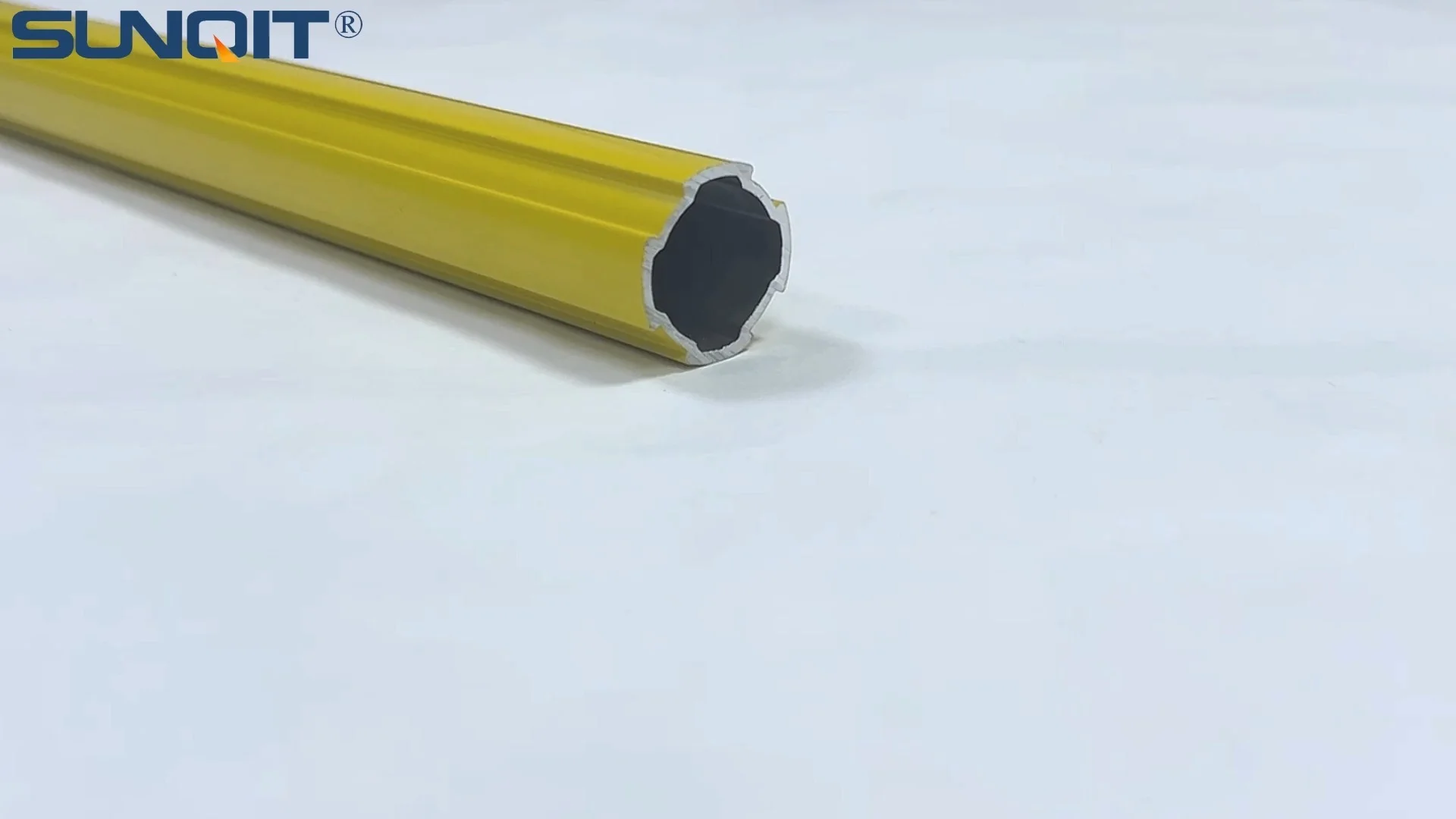
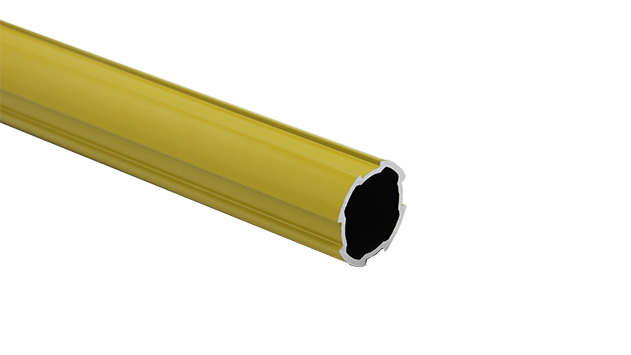
Aluminum pipe, it is used for workbench, flow rack,hand trolley assemble work with advantage of flexible and durable, yellow color makes it more attactive as a caution remind.
In the fast-paced world of automotive manufacturing, where every second counts and production lines must adapt to new models, materials, and technologies, the need for flexible, durable, and cost-effective solutions has never been greater. Traditional manufacturing setups—often built with fixed steel structures, welded frames, and rigid conveyor systems—struggle to keep up with the industry's demands for rapid reconfiguration, lightweight design, and long-term reliability. Enter T slot aluminum pipe, a modular building system that's transforming how automotive plants design workspaces, streamline material flow, and optimize assembly lines. More than just a tool, it's a catalyst for efficiency, enabling manufacturers to adapt quickly, reduce downtime, and stay competitive in a market where innovation waits for no one.
What Makes T Slot Aluminum Pipe a Game-Changer?
At its core, T slot aluminum pipe is a product of aluminum extrusion—a manufacturing process that shapes aluminum alloy into long, uniform profiles with precision-engineered T-shaped grooves (or "slots") running along their length. These slots are the secret to its versatility: they allow for quick and secure attachment of accessories like brackets, shelves, rollers, and connectors without the need for welding, drilling, or specialized tools. Made from high-grade aluminum, these pipes are lightweight yet surprisingly strong, corrosion-resistant, and compatible with a wide range of aluminum profile accessories, making them ideal for the harsh, high-demand environment of automotive plants.
Unlike traditional steel structures, which are heavy, prone to rust, and difficult to modify, T slot aluminum pipe offers a modular approach. Think of it as building with oversized, industrial-grade Legos: components can be easily assembled, disassembled, and reconfigured to meet changing needs. This flexibility is critical in automotive manufacturing, where production lines are frequently updated to accommodate new vehicle models, electric powertrains, or advanced safety features. With T slot aluminum pipe, a plant that once took weeks to retool can now adapt in days—saving time, labor, and resources.
Custom Workbenches: The Heart of Automotive Assembly
Walk through any automotive assembly plant, and you'll find workbenches at the center of nearly every task—from installing dashboard components to testing electrical systems. These workspaces are where precision meets productivity, and their design directly impacts worker efficiency, ergonomics, and even product quality. Traditional workbenches, often made of fixed wood or steel, fall short in this dynamic environment: they can't be adjusted for different tasks, lack built-in storage, and become obsolete when production needs change. T slot aluminum pipe, however, redefines what a workbench can be.
Imagine an engine assembly station where technicians need to access tools, hold small parts, and connect wiring harnesses—all while maintaining a clean, organized workspace. With T slot aluminum pipe, this workbench isn't just a flat surface; it's a custom solution tailored to the task. The T-slots allow for easy attachment of tool hooks, magnetic strips for metal parts, and adjustable shelves to hold manuals or digital tablets. Need to raise the workbench height by 6 inches to reduce back strain for taller technicians? Simply loosen the brackets, adjust the legs, and retighten—no welding or new parts required. For delicate tasks like electronic component assembly, ESD (electrostatic discharge) workbenches can be built by adding conductive materials to the aluminum frame, protecting sensitive parts from static damage.
One automotive supplier in Michigan recently replaced 20 steel workbenches with T slot aluminum versions and reported a 15% increase in assembly speed. "Before, our technicians were constantly reaching for tools on separate carts or bending to access parts on low shelves," said the plant manager. "Now, everything they need is within arm's reach, and we can tweak the bench layout in minutes if a new component comes in. It's like giving each workstation a custom toolkit."
Conveyors and Material Flow: Keeping Production Moving
In automotive manufacturing, material flow is the lifeblood of production. Parts must move seamlessly from warehouses to assembly lines, between workstations, and finally to quality control—all without delays, damage, or waste. Traditional conveyor systems, often made of heavy steel rollers or fixed belts, are designed for one specific workflow. When a plant retools for a new model, these conveyors become liabilities: they're difficult to shorten, lengthen, or reposition, requiring expensive modifications or complete replacements. T slot aluminum pipe changes this by offering modular conveyor solutions that adapt as quickly as production needs evolve.
Roller conveyors built with T slot aluminum pipe are a prime example. These systems use lightweight aluminum frames with T-slots to mount rollers, guides, and stops. Need to extend a conveyor by 10 feet to reach a new assembly station? Add a few more aluminum pipe sections and rollers—no welding, no heavy lifting. Want to adjust the angle of the conveyor to move parts uphill to a higher workstation? Simply reposition the frame legs using the T-slots to set the desired incline. For delicate parts like windshields or plastic trim, belt conveyors can be built with soft, replaceable belts attached to aluminum frames, ensuring parts glide smoothly without scratches.
Flow racks, another critical tool for material flow, benefit similarly from T slot aluminum pipe. These racks use gravity to feed parts from the back to the front, ensuring first-in, first-out (FIFO) inventory management and easy access for assembly line workers. Traditional flow racks are often fixed in width and height, limiting their use to specific part sizes. With T slot aluminum, flow racks can be customized: adjust shelf heights to fit larger parts like bumpers or smaller items like screws, add dividers to separate different components, or even mount casters to make the entire rack mobile. One plant in Ohio reported reducing part retrieval time by 20% after switching to T slot flow racks, as workers no longer had to walk to distant shelves—parts came to them.

Material Racks: Organized Storage for Every Part
Automotive plants deal with a staggering variety of parts, from tiny screws and washers to bulky components like engines and transmissions. Storing these parts efficiently is key to reducing waste, minimizing search time, and keeping production on track. Traditional storage racks, often made of welded steel, are rigid: they can't be adjusted to fit new part sizes, and adding shelves requires cutting, drilling, or welding—disruptive and time-consuming. T slot aluminum pipe offers a smarter alternative: modular material racks that grow, shrink, and adapt to the parts they hold.
Consider a rack used to store car doors. Each new vehicle model may have doors of different heights or widths, making a fixed steel rack obsolete. With T slot aluminum, the same rack can be reconfigured in hours: adjust the vertical supports using the T-slots to increase or decrease shelf height, add crossbars to separate doors, or even install dividers to prevent scratching. For heavier items like engines, T slot aluminum racks can be reinforced with thicker pipes and heavy-duty brackets, ensuring they support thousands of pounds without bending or warping. And because aluminum is corrosion-resistant, these racks hold up well in damp environments like paint shops or outdoor storage yards, unlike steel racks that rust and degrade over time.
Mobility is another advantage. Many T slot material racks are mounted on casters, allowing workers to roll them directly to assembly lines instead of carrying parts back and forth. A plant in Texas that manufactures truck beds estimates it saves 200 labor hours per month by using mobile T slot racks, as workers no longer waste time transporting parts across the facility.
| Feature | Traditional Steel Structures | T Slot Aluminum Pipe |
|---|---|---|
| Weight | Heavy (hard to move, requires machinery) | Lightweight (easily repositioned by hand) |
| Installation Time | Weeks (welding, drilling, painting) | Days (bolt-together assembly, no special tools) |
| Reconfiguration | Costly and time-consuming (often requires replacement) | Quick and easy (loosen bolts, reposition, retighten) |
| Durability | Prone to rust and corrosion | Corrosion-resistant, long lifespan |
| Customization | Limited (fixed design) | Unlimited (T-slots support endless accessories) |

Assembly Line Flexibility: Adapting to New Models and Technologies
The automotive industry is in the midst of a revolution, with electric vehicles (EVs), autonomous driving systems, and advanced safety features driving constant change. For plants, this means assembly lines must evolve rapidly to accommodate new powertrains, battery packs, and sensor technologies. Traditional assembly lines, built with fixed steel frames and welded workstations, struggle to keep up. Retooling can take months and cost millions, delaying production and eroding competitiveness. T slot aluminum pipe offers a more agile approach, turning assembly lines into flexible systems that can be reconfigured in days, not months.
Consider an EV battery assembly line. Unlike traditional gasoline engines, battery packs are large, heavy, and require precise alignment during installation. With T slot aluminum pipe, the assembly line can be customized to hold battery lifts, alignment tools, and testing equipment—all attached via T-slots for quick adjustments. When a new battery design with different dimensions arrives, the line doesn't need to be rebuilt; workers simply adjust the position of the lifts and tools, ensuring a perfect fit. This flexibility was on full display at a European automotive plant that recently shifted from producing gasoline cars to EVs. Using T slot aluminum, they reconfigured three assembly lines in just two weeks, a process that would have taken three months with steel structures.
Collaborative robots, or "cobots," are another area where T slot aluminum shines. These robots work alongside human technicians, handling repetitive tasks like screw tightening or part placement. Mounting cobots on fixed steel stands limits their range and utility. With T slot aluminum, cobot mounts can be built on wheels or adjustable arms, allowing the robots to move between workstations or adjust height to match different tasks. One plant in California reported a 25% increase in cobot productivity after mounting them on T slot aluminum mobile bases, as the robots could now assist at multiple stations instead of being tied to one spot.
Cost Savings: Short-Term Investment, Long-Term Gains
At first glance, T slot aluminum pipe may seem more expensive than traditional steel. After all, aluminum is a premium material, and modular components often cost more upfront than generic steel parts. But when viewed through the lens of total cost of ownership (TCO), T slot aluminum quickly proves its value. The savings come from three key areas: reduced installation time, lower retooling costs, and minimal maintenance.
Installation is where the first savings appear. Building a steel workstation or conveyor system requires skilled welders, heavy equipment, and days (or weeks) of labor. T slot aluminum, by contrast, can be assembled by regular plant workers with basic hand tools. A team of two can build a custom workbench in a few hours, compared to a full day for a steel version. Over time, these labor savings add up: one Midwestern plant calculated that installing T slot aluminum workstations cost 40% less in labor than steel equivalents.
Retooling costs are even more significant. When a plant retools for a new model, steel structures often need to be cut apart, welded back together, or replaced entirely. This not only costs money but also shuts down production, leading to lost revenue. T slot aluminum eliminates most of these costs. Components can be disassembled, moved, and reassembled, with new parts added only when necessary. A plant in Mexico estimated that retooling a production line with T slot aluminum cost 70% less than with steel, and downtime was reduced from two weeks to three days.
Maintenance is the final piece of the puzzle. Steel structures rust, corrode, and require regular painting to stay functional. T slot aluminum, being corrosion-resistant, needs little upkeep. Wiping down the frames with a damp cloth is often enough to keep them clean. Even in harsh environments like paint shops, where chemicals and moisture are common, aluminum holds up better than steel, reducing replacement costs over time. One plant in Canada reported spending 80% less on maintenance for T slot aluminum equipment compared to steel over a five-year period.
Conclusion: The Future of Automotive Manufacturing is Modular
In automotive manufacturing, where change is constant and efficiency is non-negotiable, T slot aluminum pipe has emerged as more than just a tool—it's a strategic advantage. Its modular design, lightweight strength, and endless customization options make it ideal for building workbenches, conveyors, material racks, and assembly lines that adapt as quickly as production needs evolve. By reducing installation time, lowering retooling costs, and improving worker productivity, T slot aluminum pipe isn't just boosting efficiency—it's helping automotive plants stay competitive in a market where innovation waits for no one.
As the industry continues to shift toward EVs, autonomous systems, and smart manufacturing, the demand for flexible solutions will only grow. T slot aluminum pipe, with its ability to turn rigid production lines into adaptable ecosystems, is poised to lead this transformation. For plant managers, technicians, and engineers, it's not just about building better workspaces—it's about building a future where change is met with agility, not frustration. And in automotive manufacturing, that future starts with a simple, versatile tool: the T slot aluminum pipe.