- Company Articles
- Products and Technology
- Product knowledge
- Automotive Manufacturing: Flat Swivel Castor Wheels with Brake for Assembly Line Trolleys

Automotive Manufacturing: Flat Swivel Castor Wheels with Brake for Assembly Line Trolleys
Related Product
Flat Swivel Castor Wheel
Chair Casters Ball Bearing Wheels Rubber Base. Resistant to abrasion, impact and corrosion. Heavy payload can hold 70-90Kgs per pcs,which can make it works at a stable and smooth status.
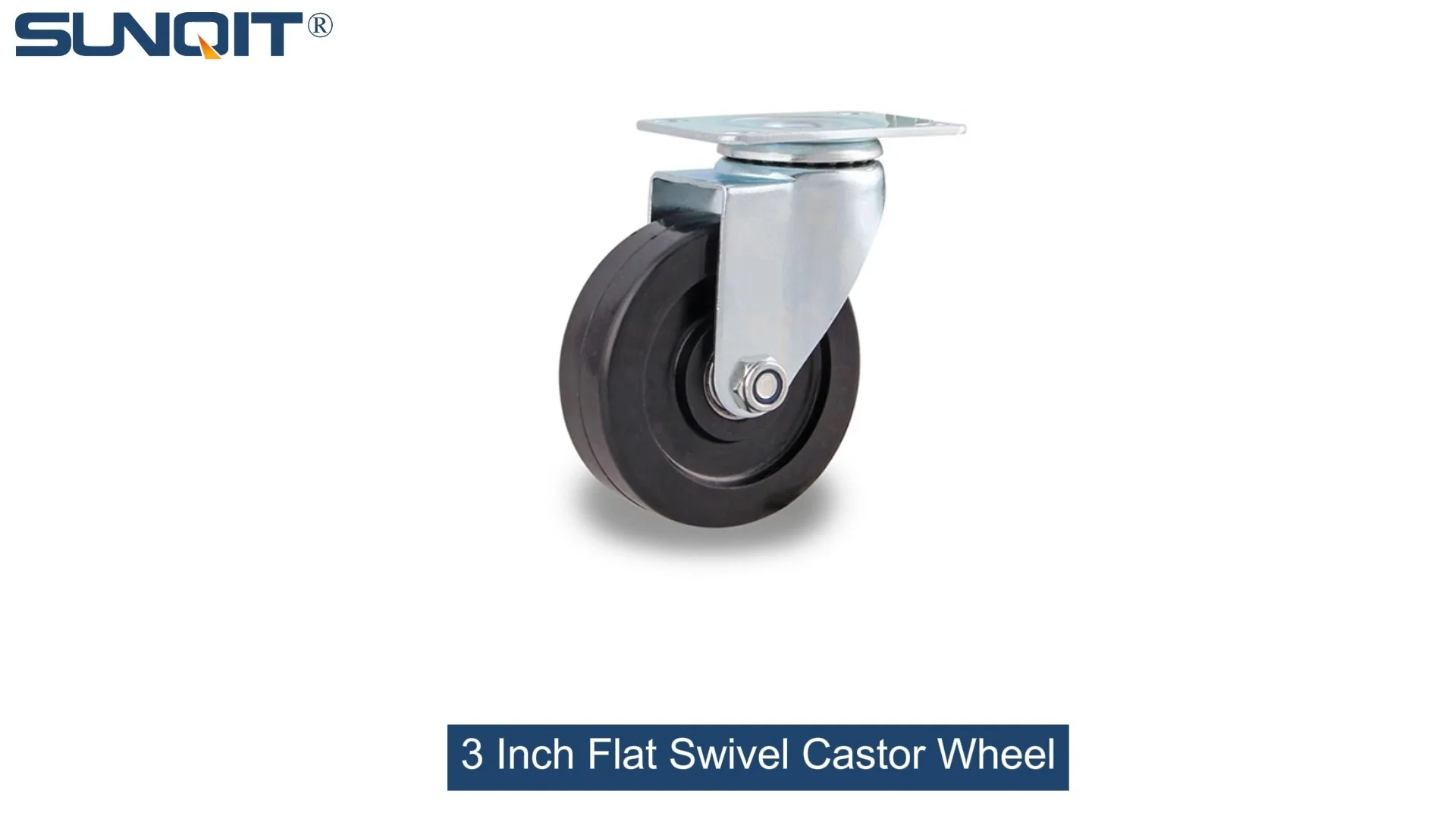
Walk into any automotive manufacturing plant, and you'll be met with a symphony of activity: robots welding frames, workers assembling dashboards, and conveyor belts humming as parts glide from station to station. But beneath this orchestrated chaos lies a silent hero of efficiency: the material handling equipment that keeps everything moving. Trolleys, racks, and workbenches might not grab headlines, but they're the backbone of a smooth production line. And at the heart of these workhorses? The humble castor wheel. Today, we're zeroing in on one specific player that's transforming assembly lines: the flat swivel castor wheel with brake . It's not just a wheel—it's a game-changer for safety, efficiency, and lean manufacturing. Let's dive in.
The Hidden Cost of Clunky Material Handling in Automotive Plants
Automotive manufacturing is a high-stakes world where every second counts. A single bottleneck in material flow can delay production, increase labor costs, and even compromise product quality. Think about it: a worker spending 10 extra minutes wrestling with a stuck trolley each shift adds up to over 40 hours of lost productivity a year. Multiply that across a plant with hundreds of workers, and the numbers become staggering.
Traditional material handling equipment often falls short here. Fixed castors lock movement into straight lines, making tight turns near assembly stations a nightmare. Swivel castors without brakes? They roll away unexpectedly, risking damage to parts or even injuries. And cheap, flimsy wheels? They wear down quickly on concrete floors, leading to frequent replacements and more downtime.
This is where lean system principles step in. Lean manufacturing isn't just about cutting costs—it's about eliminating waste in every form: time, motion, defects, and unnecessary inventory. And when it comes to material handling, the right castor wheel can be the key to unlocking that waste reduction.
Why Trolleys Are the Unsung Heroes of Assembly Lines
Before we talk castors, let's shine a light on the star of the show: the assembly line trolley. These aren't your average shopping carts. In automotive plants, trolleys transport everything from heavy engine blocks to delicate electronic components. They need to be durable, flexible, and easy to maneuver—especially in spaces where robots, workers, and conveyor systems coexist.
Enter the turnover trolley and rack . These versatile tools are designed to hold parts securely during transport and then "turn over" to unload materials at the next station—think of them as the bridge between storage and production. But even the best turnover trolley is only as good as its wheels. A trolley loaded with 500 pounds of car doors is useless if the wheels seize up halfway to the assembly line.
This is why plant managers and lean coordinators are starting to pay closer attention to castor design. It's not just about "rolling" anymore—it's about precision, control, and reliability. And that's where the flat swivel castor wheel with brake comes into its own.
Inside the Flat Swivel Castor Wheel with Brake: Design That Delivers
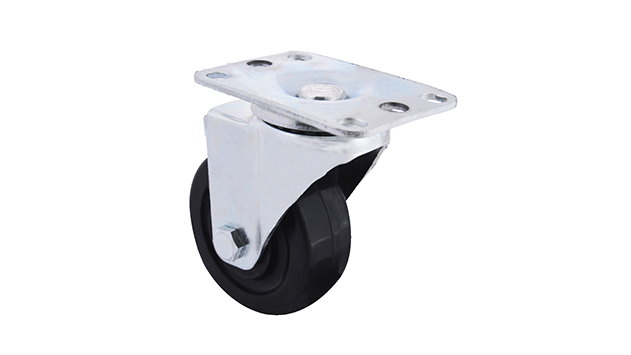
Let's get up close with the flat swivel castor wheel with brake . At first glance, it might look like any other wheel, but a closer inspection reveals thoughtful engineering tailored to automotive environments.
1. The "Flat" in Flat Swivel Castor: Stability by Design
The "flat" here refers to the mounting plate—the part that attaches the castor to the trolley. Unlike recessed or angled plates, a flat mounting plate sits flush against the trolley's frame. Why does this matter? It distributes weight evenly across the connection point, reducing stress on the trolley itself. On a turnover trolley and rack loaded with unevenly weighted parts (like a mix of headlights and fenders), this even weight distribution prevents the trolley from wobbling or tipping—critical for protecting both the parts and the workers moving them.
2. Swivel Mechanism: Maneuverability in Tight Spaces
Automotive plants are cramped. Assembly lines snake through the facility, with workstations packed closely together. A swivel castor allows 360-degree rotation, so a trolley can pivot on a dime. No more backtracking to make a turn or struggling to navigate around a sudden obstacle (like a pallet left in the aisle). Imagine a worker needing to move a trolley from the storage area to the chassis assembly line—a path that includes three 90-degree turns and a narrow gap between two conveyor belts. A swivel castor makes that journey smooth, while a fixed castor would turn it into a frustrating, time-consuming task.
3. The Brake: Safety When You Need It Most
The brake is where this castor truly shines. Most models feature a foot-operated brake that locks both the wheel and the swivel mechanism. Here's why that's a big deal: When a worker stops at an assembly station, they simply tap the brake with their foot, and the trolley stays put—no more chasing a rolling cart or propping it with a block of wood. This isn't just about convenience; it's about safety. A trolley loaded with sharp metal parts rolling into a worker's leg? A disaster. With a reliable brake, that risk disappears.
And the best part? These brakes are designed for durability. They're built to withstand the (oil and grease) that's common in automotive plants, so they won't jam or fail when you need them most. Some even have a visual indicator—like a red tab—to show when the brake is engaged, adding an extra layer of safety.

5 Ways Flat Swivel Castor Wheels with Brake Boost Assembly Line Performance
Now that we understand the design, let's talk about the real-world impact. How do these castors translate to better outcomes for automotive manufacturers?
1. Reduced Labor Fatigue = Happier, More Productive Workers
Pushing a trolley with stiff, unresponsive wheels is exhausting. Workers strain their backs, shoulders, and arms, leading to fatigue and even repetitive strain injuries. A smooth-swiveling castor with low rolling resistance cuts that effort in half. Add a brake that's easy to engage and disengage, and suddenly, moving materials feels less like a chore and more like a seamless part of the job. Happier workers are more productive workers—and they're less likely to call in sick due to injuries.
2. Faster Material Flow = Shorter Production Cycles
In automotive manufacturing, the goal is to get cars off the line as quickly as possible without sacrificing quality. Every minute a trolley spends stuck in a corner or being repositioned is a minute added to the production cycle. With flat swivel castors, workers can move parts from point A to point B in record time. Tight turns? No problem. Sudden stops at workstations? Just tap the brake. This speed boost adds up: A plant using these castors might shave 5-10 minutes off each trolley's daily route, leading to hundreds of extra parts reaching assembly lines each week.
3. Improved Part Protection = Fewer Defects
Delicate parts like wiring harnesses or instrument panels can be easily damaged if a trolley jolts or rolls unexpectedly. The stability of flat mounting plates and the security of brakes mean parts stay in place during transport. No more scratched surfaces, bent connectors, or cracked plastic. Fewer defects mean less rework, lower scrap costs, and higher-quality cars rolling off the line.
4. Better Space Utilization = Leaner Operations
Lean manufacturing teaches us to value every square foot of floor space. Bulky, hard-to-move equipment wastes space because you need extra room to maneuver it. Flat swivel castors let trolleys glide into tight spots—think narrow gaps between conveyor belts or under workbenches. This means plants can optimize their layout, fitting more workstations or storage areas without expanding the facility. It's a simple change that aligns perfectly with lean system goals of maximizing value while minimizing waste.
5. Lower Maintenance Costs = More Uptime
Cheap castors might save money upfront, but they cost a fortune in maintenance. They rust, their wheels crack, and their swivel mechanisms seize. High-quality flat swivel castors with brakes are built to last. They use sealed bearings to keep out dirt and debris, durable polyurethane or rubber wheels that resist wear, and corrosion-resistant materials like zinc-plated steel. This means fewer replacements, less time spent on repairs, and more uptime for your material handling fleet.

Integrating with Lean Systems: From Trolleys to Workbenches
A lean system is all about creating a seamless flow—from raw materials to finished products. Flat swivel castor wheels with brake don't just work in isolation; they enhance other lean tools like workbenches and conveyors.
Workbench Compatibility: Flexibility at the Station
Many assembly line workbenches are mobile, allowing workers to reconfigure their stations based on the task at hand. Adding flat swivel castors with brakes to these workbenches turns them into versatile hubs. Need to shift the workbench 2 feet to the left to align with a new conveyor? Swivel the castors, move it, and lock the brakes. No more struggling with heavy, immovable furniture. This flexibility lets plants adapt quickly to changes in production—like introducing a new car model or scaling up a popular line.
Turnover Trolleys and Racks: The Perfect Pair
We mentioned turnover trolley and rack earlier, but it's worth diving deeper. These trolleys are designed to hold stackable bins or racks, making it easy to unload parts directly onto workbenches or conveyors. When equipped with flat swivel castors with brakes, they become even more efficient. A worker can roll the trolley to a workstation, lock the brakes, and safely tilt the trolley to slide parts onto the bench—no lifting required. This reduces the risk of back injuries and speeds up the transfer process. Plus, the swivel castors make it easy to position the trolley at the perfect angle for unloading, whether the worker is right-handed or left-handed.
Conveyor Alignment: Closing the Gaps in Material Flow
Conveyors are the arteries of an assembly line, but they can't reach every corner. Trolleys act as the "capillaries," moving parts from conveyors to workstations and back. With flat swivel castors, trolleys can align perfectly with conveyor ends, ensuring a smooth transfer of parts. No more gaps where parts might fall or get stuck. And because the castors brake securely, the trolley stays aligned even as parts are loaded or unloaded, maintaining that critical flow.
Real-World Impact: A Day in the Life with Better Castors
Let's paint a picture of how these castors change the daily routine for workers. Meet Maria, an assembly line worker at a mid-sized automotive plant. Before her plant switched to flat swivel castor wheels with brake, her day looked like this:
- 8:00 AM: Start shift by retrieving a trolley loaded with door panels. The trolley has fixed castors, so she has to backtrack twice to navigate around a robot arm near the storage area.
- 8:15 AM: Arrive at her workstation, but the trolley rolls forward when she lets go, bumping into a conveyor. A door panel falls off, scratching the paint. She spends 10 minutes cleaning and inspecting it.
- 10:30 AM: Move the trolley to the next station. The swivel castor (without a brake) on one wheel is stuck, so the trolley pulls to the left. She strains her shoulder trying to keep it straight.
- 2:00 PM: The trolley's wheel cracks after hitting a small pothole in the floor. She has to wait 20 minutes for a replacement trolley, falling behind on her quota.
Six months later, the plant upgrades to flat swivel castor wheels with brake. Now Maria's day is different:
- 8:00 AM: Grab the same trolley, now with swivel castors. She glides around the robot arm with a single turn, reaching her station 5 minutes early.
- 8:05 AM: Tap the brake with her foot, locking the trolley in place. No rolling, no falling panels. She starts assembling immediately.
- 10:30 AM: Move the trolley to the next station. The swivel castors turn smoothly, and the brake engages with a satisfying "click" when she stops. No shoulder strain, no struggle.
- 2:00 PM: The trolley's wheels are still in perfect shape. No cracks, no stuck swivels. She stays on schedule, even helping a coworker with their tasks.
Maria's story isn't unique. Across the plant, workers report less fatigue, fewer injuries, and faster task completion. The plant's production numbers rise by 8% in the first quarter after the upgrade, and scrap rates drop by 12%. All from a simple change in castor wheels.
Keeping Your Castors Rolling: Maintenance Tips for Longevity
To get the most out of your flat swivel castor wheels with brake, a little maintenance goes a long way. Here's how to keep them in top shape:
1. Clean Regularly to Prevent Buildup
Automotive plants are dirty places—oil, grease, metal shavings, and dust can all gunk up castor wheels and swivel mechanisms. Once a week, wipe down the wheels with a damp cloth to remove debris. For stubborn grease, use a mild detergent or degreaser. Pay extra attention to the brake components; a buildup of grime can prevent the brake from engaging fully.
2. Lubricate Moving Parts
Swivel joints and wheel bearings need lubrication to stay smooth. Every month, apply a few drops of machine oil or grease to the swivel mechanism and bearings. Avoid over-lubricating, though—excess oil can attract more dirt. Check the manufacturer's recommendations for the best lubricant type; some castors require synthetic oil to withstand high temperatures.
3. Inspect Brakes Weekly
The brake is your first line of safety defense. Every week, test the brake by rolling the trolley and engaging it. Does it stop immediately? Does the swivel lock in place? If the trolley still moves or the swivel turns, adjust the brake tension (most models have a nut or bolt for this). If the brake pad is worn down, replace it—don't wait for it to fail.
4. Check Wheel Condition
Inspect the wheels for cracks, chips, or uneven wear. A damaged wheel can cause the trolley to wobble, leading to stress on the castor and the trolley frame. replace wheels at the first sign of damage—delaying will only cost more in repairs later.
Choosing the Right Castor: What to Look for in a Supplier
Not all flat swivel castor wheels with brake are created equal. When selecting a supplier, keep these factors in mind:
1. Load Capacity
Automotive parts are heavy. Make sure the castor's load capacity matches (or exceeds) the maximum weight of your trolleys. A castor rated for 600 pounds might seem sufficient, but if you occasionally load the trolley with 700 pounds, it will wear out quickly. Err on the side of caution.
2. Wheel Material
Wheel material matters for both durability and floor protection. Polyurethane wheels are a popular choice—they're quiet, non-marking, and resistant to oil and chemicals. Rubber wheels offer better traction but may wear faster on rough floors. For extremely heavy loads, consider steel wheels, though they're noisier and can scratch concrete.
3. Brake Quality
Don't skimp on the brake. Look for castors with foot-operated brakes that lock both the wheel and the swivel mechanism. Test the brake before buying—does it engage smoothly? Is it easy to release? A good brake should require minimal force to operate, even for workers with smaller feet.
4. Compliance with Standards
Automotive manufacturing is regulated, and your equipment should meet industry standards. Look for castors that comply with ISO 9001 (quality management) and OSHA safety requirements. Some suppliers even offer ESD (electrostatic discharge) wheels for handling sensitive electronic parts, though that's a bonus for most applications.
The Bottom Line: Small Change, Big Results
In the fast-paced world of automotive manufacturing, it's easy to overlook the "small" components. But as we've seen, flat swivel castor wheels with brake are anything but small. They're a critical link in the material handling chain, connecting lean system goals with real-world performance.
Whether you're moving turnover trolley and rack loaded with parts, repositioning a workbench, or aligning with a conveyor, these castors deliver the maneuverability, safety, and durability that modern plants need. They reduce labor fatigue, speed up production, protect parts, and lower maintenance costs—all while supporting the lean principles that drive success.
So the next time you walk through an automotive plant, take a moment to look down. Those castor wheels might be quiet, but they're working hard to keep the line moving, one smooth roll at a time. And if they're flat swivel castors with brakes? You can bet that plant is ahead of the curve.