- Company Articles
- Products and Technology
- Product knowledge
- Automotive Part Holders: 2.0mm Stainless Steel Pipe Precision

Automotive Part Holders: 2.0mm Stainless Steel Pipe Precision
Related Product
2.0mm Stainless Steel Pipe
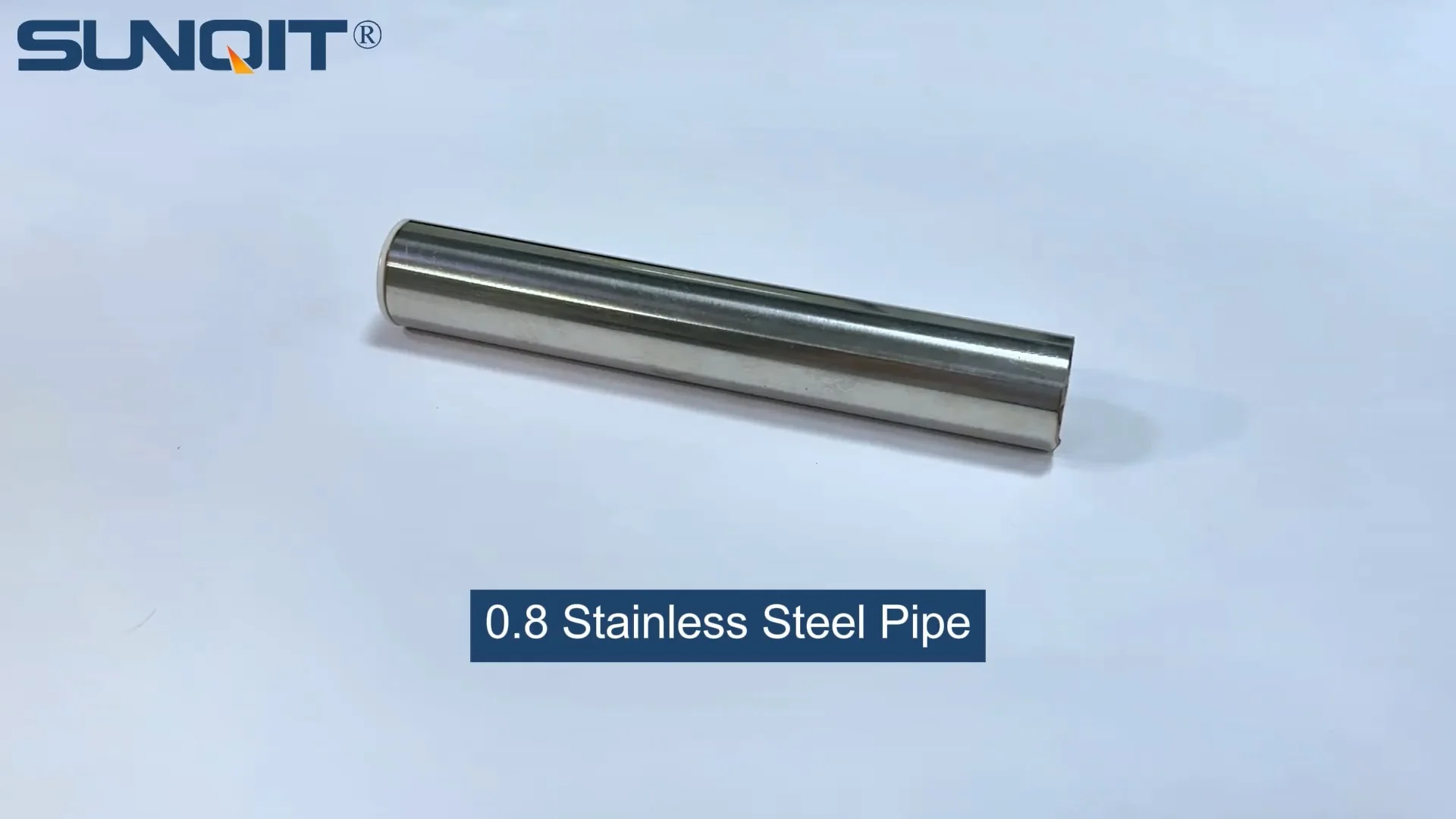
Stainless steel pipe, lean pipe, diameter is 28mm, material is SS201 or SS304, SS201 is normally used in the market. It knows a KARAKURI, KAIZEN material for industrial plant to improve efficiency, save labor cost, standard management.
Walk into any automotive manufacturing plant, and you'll quickly notice the unsung heroes keeping the chaos at bay: part holders. These unassuming structures—ranging from simple racks to intricate workstations—are the backbone of efficiency, ensuring that every nut, bolt, gasket, and component lands exactly where it needs to be, exactly when it's needed. But not all part holders are created equal. In an industry where precision can mean the difference between a smoothly running assembly line and costly delays, the materials and design behind these holders matter more than you might think. Today, we're diving deep into one material that's revolutionizing automotive part storage: 2.0mm stainless steel pipe. Specifically, how its precision engineering is transforming workbenches, flow racks, and material handling systems across factories worldwide.
Picture this: It's a Tuesday morning on the assembly line of a mid-sized auto parts manufacturer. Maria, a veteran assembler with 12 years under her belt, reaches for a batch of brake caliper bolts. Last month, her workstation used a plastic rack that wobbled under the weight of heavy parts; bolts would often slip through gaps, and the flimsy structure meant she had to stop every hour to readjust it. Today, though, she's using a new holder built with 2.0mm stainless steel pipe. The difference is night and day. The rack stands firm, even when loaded with 50 pounds of parts. The joints lock securely, so there's no swaying. And when she needs to move it closer to her workbench? The caster wheels glide smoothly across the concrete floor, no squeaking, no sticking. "It sounds small," she says, wiping her hands on her coveralls, "but this thing? It's cut my setup time in half. I don't waste energy fighting with the rack anymore—I just focus on building."
Maria's experience isn't an anomaly. As automotive manufacturers push for leaner operations, faster production cycles, and higher quality standards, the demand for durable, adaptable, and precise part holders has skyrocketed. Enter the 2.0mm stainless steel pipe series—a line of components designed to meet these exact needs. But what makes this specific material and thickness so special? Let's break it down.
Why 2.0mm? The Science of Thickness in Stainless Steel Pipe
Stainless steel has long been a staple in industrial settings, prized for its corrosion resistance, strength, and longevity. But when it comes to part holders, thickness matters—and 2.0mm strikes a near-perfect balance. Let's start with the basics: stainless steel pipe thickness is measured in millimeters, referring to the wall thickness of the tube. A pipe with a 2.0mm wall is thick enough to withstand heavy loads without bending, yet lightweight enough to keep the overall structure manageable. For context, a 1.2mm pipe might save on weight but could warp under repeated use, while a 3.0mm pipe would be, making it hard to reconfigure or move with caster wheels. 2.0mm hits that sweet spot: durable enough for daily use in a factory, yet flexible enough to adapt to changing production needs.
But precision isn't just about thickness—it's about consistency. In the stainless steel pipe series, each 2.0mm pipe undergoes rigorous testing to ensure uniform wall thickness, straightness, and diameter. Imagine trying to build a rack with pipes that vary even slightly in diameter: one joint might fit snugly, the next might wobble, leading to a unstable structure. With precision-engineered 2.0mm pipes, every tube has a diameter tolerance of ±0.05mm, meaning when you slide a lean pipe joint onto it, the fit is consistent, tight, and reliable. This level of precision reduces assembly time (no more forcing joints onto misaligned pipes) and ensures the final structure can handle vibration, impacts, and heavy loads without loosening over time.
Corrosion resistance is another non-negotiable in automotive plants, where oils, coolants, and cleaning agents are part of daily life. Stainless steel's chromium content forms a protective oxide layer, preventing rust and degradation. But 2.0mm pipes take this a step further: many manufacturers use 304-grade stainless steel, which contains nickel for added resistance to acidic and alkaline substances. Compare that to aluminum or plastic pipes, which might corrode or degrade when exposed to brake fluid or degreasers. For a part holder that's expected to last 5+ years in a harsh environment, 2.0mm stainless steel isn't just a choice—it's an investment.
Building Blocks: From Lean Pipe Joints to Caster Wheels
A great pipe is only as good as the components that hold it together. That's where the lean pipe joint comes in. These small but mighty connectors are the unsung heroes of modular part holder design. Unlike welded or bolted joints, which are permanent and hard to adjust, lean pipe joints are engineered for flexibility. Most are made of zinc-plated steel or die-cast aluminum, with a clamping mechanism that tightens around the stainless steel pipe. Twist the bolt, and the joint locks into place; loosen it, and you can reposition the pipe in seconds. This modularity is a game-changer for lean manufacturing, where production lines are constantly evolving. Need to add a shelf to your workbench? Swap out a straight joint for a T-joint. Want to angle a flow rack to better feed parts to the assembly line? Use a 45° or 90° joint. The possibilities are endless, and it all starts with a joint that's designed to work seamlessly with 2.0mm pipe.
Of course, even the sturdiest holder is only useful if it can move when needed. That's where the caster wheel enters the fray. Caster wheels for stainless steel part holders are more than just "wheels on a stick"—they're precision tools. Look closely, and you'll notice features like double-ball bearings for smooth rotation, brake mechanisms to lock the wheel in place, and heavy-duty rubber or polyurethane treads that grip the floor without marking it. For 2.0mm stainless steel holders, which can weigh 30-100 pounds when fully loaded, the caster wheel must support that weight without bending or breaking. Most industrial-grade casters for these applications have a load capacity of 150-300 pounds per wheel, ensuring that even a four-wheeled holder can carry 600+ pounds with ease.
But it's the little details that make a difference. Take swivel casters, for example: the best ones have a 360° rotation range with minimal friction, so Maria (from our earlier example) can pivot her part holder in tight spaces without straining her back. Then there are brake types: some casters have a total lock (both wheel and swivel), while others have a wheel-only lock. In high-traffic areas, a total lock ensures the holder stays put, even if someone bumps into it. And let's not forget about noise—poorly made casters squeak and grind, adding to the already loud factory environment. Quality caster wheels, paired with 2.0mm stainless steel pipe, move silently, reducing distractions and making the workplace more pleasant.
Put it all together—a 2.0mm stainless steel pipe, a sturdy lean pipe joint, and a reliable caster wheel—and you have a part holder that's strong, flexible, and mobile. But how does this translate to real-world applications? Let's take a closer look at two of the most common uses: workbenches and flow racks.

Workbenches: Where Precision Meets Productivity
The workbench is the heart of any assembly station. It's where parts are sorted, inspected, and assembled into larger components—so it needs to be sturdy, organized, and tailored to the task at hand. A workbench built with 2.0mm stainless steel pipe checks all these boxes and more.
Start with the frame: a simple cube or rectangular structure made by connecting stainless steel pipes with lean pipe joints. The 2.0mm thickness ensures the frame doesn't flex when an assembler leans on it or places heavy tools on the surface. Many manufacturers top these frames with materials like plywood, MDF, or even stainless steel sheets, depending on the application. For example, a workbench used for cleaning parts might have a stainless steel top for easy sanitizing, while one used for electronics assembly could have an ESD (electrostatic discharge) mat to protect sensitive components.
But what really sets these workbenches apart is their customizability. Need a shelf for tools? Add a crossbar with a lean pipe joint and a plywood shelf. Want to hang a parts bin above the bench? Use a vertical joint and a hook. Some workers even add LED task lights by clamping them to the frame—no drilling or welding required. This adaptability means the workbench grows with the job. When production shifts from assembling door handles to dashboard panels, the bench can be reconfigured in an hour, no need to buy a whole new setup.
Then there's mobility. Many stainless steel workbenches come with caster wheels, allowing them to be moved to where they're needed most. Imagine a scenario where a sudden rush order requires an extra assembly station: instead of waiting for a new bench to be delivered, supervisors can roll an existing stainless steel workbench into place, lock the casters, and have the station up and running in minutes. This flexibility is invaluable in today's fast-paced auto plants, where agility can mean the difference between meeting a deadline and falling behind.

Flow Racks: Keeping Parts Moving, Without the Fuss
If workbenches are the heart of the assembly line, flow racks are the circulatory system. These inclined racks use gravity to feed parts from the back (where they're stocked) to the front (where assemblers pick them), ensuring a constant supply with minimal effort. But for a flow rack to work well, it needs to be strong enough to support stacked boxes, smooth enough to let parts glide easily, and durable enough to handle daily use. Enter 2.0mm stainless steel pipe.
Flow racks are typically built with a frame of stainless steel pipes connected by lean pipe joints, with roller tracks (often made of aluminum or plastic) running along the incline. The frame's strength is critical here: a fully loaded flow rack can hold hundreds of pounds of parts, from small screws to large transmission components. 2.0mm stainless steel pipes provide the rigidity needed to prevent the frame from bowing, even under maximum load. And because the pipes are corrosion-resistant, there's no risk of rust weakening the structure over time—a common issue with cheaper steel or iron frames.
The incline angle of a flow rack is also key. Too steep, and parts might slide too quickly, causing jams or damage; too shallow, and they'll get stuck, requiring manual intervention. With precision-cut stainless steel pipes and adjustable lean pipe joints, manufacturers can fine-tune the angle to match the weight and size of the parts. For example, lightweight plastic clips might need a 5° incline, while heavy metal brackets could require 10°. This level of control ensures the flow rack works with the parts, not against them.
Another advantage? Flow racks built with 2.0mm stainless steel are easy to expand. As production volume increases, adding a new level or extending the length of the rack is as simple as adding more pipes and joints. No need to dismantle the entire structure—just loosen the existing joints, add the new components, and tighten. This scalability makes them ideal for growing manufacturers that don't want to replace their material handling systems every time they expand.
Stainless Steel vs. the Competition: How It Stacks Up
By now, you're probably convinced that 2.0mm stainless steel pipe is a solid choice for automotive part holders. But how does it compare to other materials like aluminum, plastic, or traditional steel? Let's break it down with a quick comparison:
| Feature | 2.0mm Stainless Steel Pipe | Aluminum Pipe | Plastic Pipe | Traditional Steel Pipe (1.5mm) |
|---|---|---|---|---|
| Corrosion Resistance | Excellent (304-grade resists oils, chemicals) | Good (oxidizes but forms protective layer) | Poor (can degrade with chemical exposure) | Poor (rusts without coating) |
| Strength-to-Weight Ratio | High (strong yet manageable weight) | High (lighter but less rigid under heavy loads) | Low (bends easily under weight) | Medium (strong but heavier than stainless steel) |
| Modularity (with lean pipe joints) | Excellent (consistent diameter ensures tight fit) | Good (but softer metal can wear joints over time) | Fair (prone to cracking at joints under stress) | Good (but heavier, harder to reconfigure) |
| Cost (Initial + Long-Term) | Higher initial cost, lower long-term (5+ year lifespan) | Medium initial cost, medium long-term (3-4 year lifespan) | Low initial cost, high long-term (1-2 year lifespan) | Low initial cost, high long-term (needs frequent replacement due to rust) |
| Best For | Heavy loads, harsh environments, long-term use | Light to medium loads, clean environments | Temporary setups, lightweight parts | Short-term projects, low-budget operations |
As the table shows, 2.0mm stainless steel pipe excels in long-term durability and performance, especially in the tough conditions of automotive manufacturing. While aluminum and plastic might be cheaper upfront, they often need replacement within a few years, costing more in the long run. Traditional steel, meanwhile, struggles with corrosion, meaning it's not ideal for factories where chemicals are present.
The Future of Automotive Part Holders: What's Next?
As automotive manufacturing continues to evolve—with trends like electric vehicles (EVs), automation, and smart factories reshaping the industry—part holders built with 2.0mm stainless steel pipe are poised to evolve too. Here are a few trends to watch:
Integration with IoT (Internet of Things): Imagine a flow rack that can "talk" to the assembly line. Sensors embedded in the stainless steel frame could track how many parts are left, sending alerts to inventory managers when stock runs low. Or a workbench with a built-in RFID reader that logs which parts are used, helping to reduce waste and improve traceability. Stainless steel's durability makes it an ideal platform for embedding electronics, as it can protect sensors from dust, moisture, and impacts.
Customization at Scale: Thanks to advances in manufacturing, stainless steel pipe suppliers are now offering more specialized options, from colored coatings (to match factory aesthetics) to pre-cut lengths (reducing assembly time). Some even offer 3D-printed lean pipe joints for unique configurations, allowing factories to build holders that fit their exact needs, no compromises.
Sustainability: As auto manufacturers aim to reduce their carbon footprints, stainless steel's recyclability is becoming a bigger selling point. Unlike plastic, which often ends up in landfills, stainless steel can be melted down and reused indefinitely without losing quality. Many suppliers are also using renewable energy in their production processes, making 2.0mm stainless steel pipe a greener choice than ever before.
Final Thoughts: Precision That Powers Progress
At the end of the day, automotive part holders might not be the most glamorous topic in manufacturing. They don't get the same attention as robots or AI-driven quality control systems. But as Maria and thousands of other workers know, the right holder can transform a frustrating, inefficient workspace into one where productivity and pride thrive. 2.0mm stainless steel pipe, with its precision, durability, and flexibility, is more than just a material—it's a tool that empowers workers to do their best.
Whether it's a workbench that adapts to new tasks, a flow rack that keeps parts moving, or a simple parts bin that stays put when it should and moves when it needs to, the stainless steel pipe series is quietly revolutionizing how auto plants operate. It's a reminder that sometimes, the biggest innovations aren't flashy—they're the ones that make the daily grind a little easier, a little more efficient, and a lot more reliable.
So the next time you walk through an auto factory, take a moment to look at the racks, the benches, the holders. Chances are, if they're built with 2.0mm stainless steel pipe, they're not just holding parts—they're holding up the future of manufacturing.