- Company Articles
- Products and Technology
- Solution
- Automotive Parts Handling: 40 Steel Wheel Roller Track Solutions

Automotive Parts Handling: 40 Steel Wheel Roller Track Solutions
Related Product
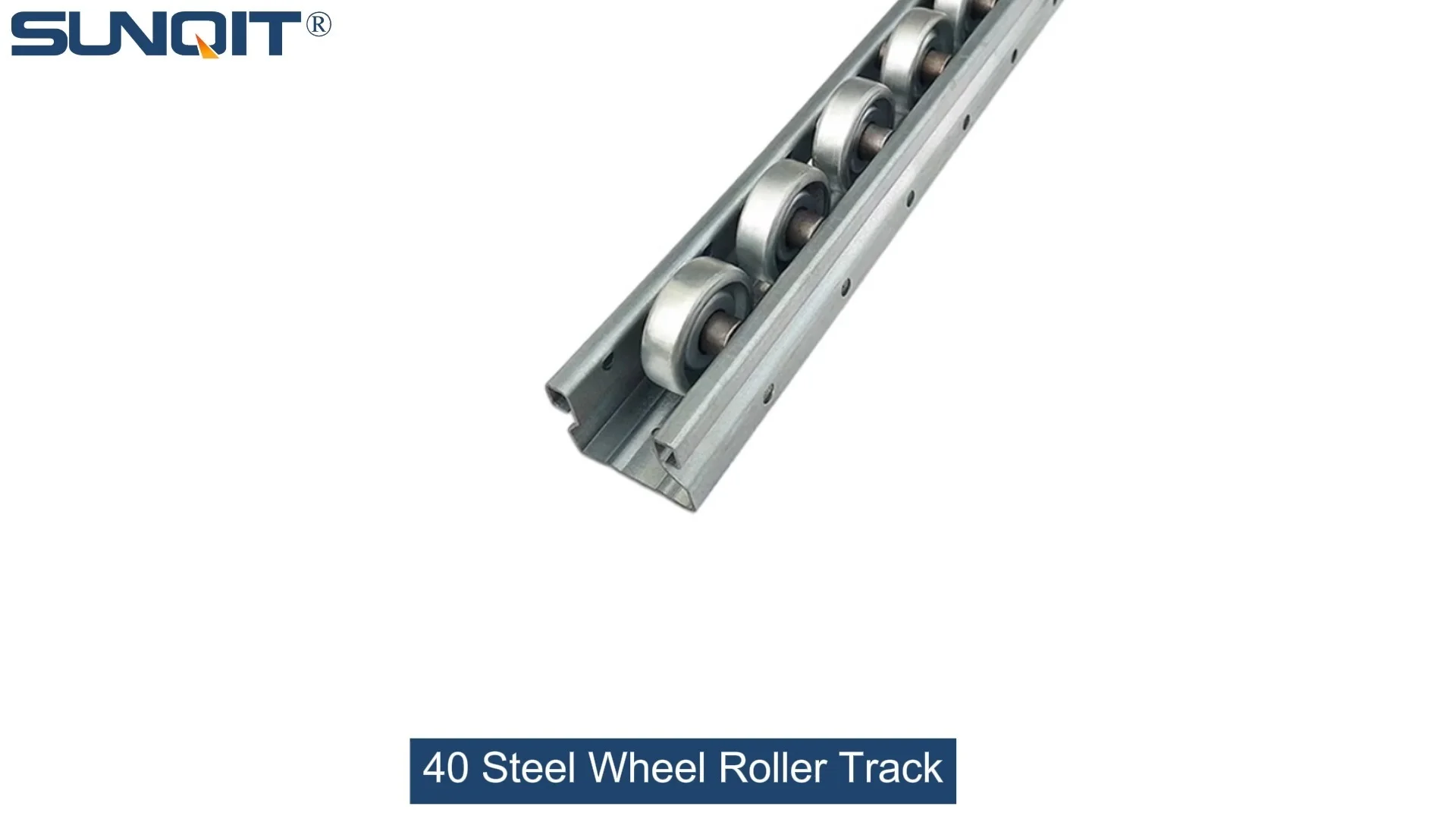
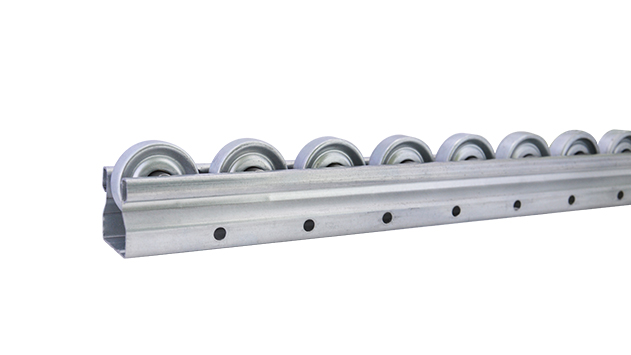
40 Steel Wheel Roller Track
Heavy duty steel wheel roller track with cylindrical steel rollers for use in processing, logistics and materials handling operations. Ideal for transporting goods quickly and easily as well as for installing on shelving to aid in picking operations.
The Backbone of Efficient Automotive Manufacturing
In the fast-paced world of automotive manufacturing, every component—from tiny screws to heavy engine parts—needs to move seamlessly. Delays in parts handling don't just slow down production lines; they ripple through supply chains, affect delivery timelines, and ultimately impact customer satisfaction. This is where reliable material handling systems become the unsung heroes of the factory floor. Among these, the 40 Steel Wheel Roller Track stands out as a workhorse, designed to tackle the unique demands of automotive parts handling with precision and durability.
Whether you're managing a tier-1 supplier facility churning out thousands of brake components daily or a specialized workshop assembling custom parts, the right roller track system can transform chaos into order. Let's dive into how 40 Steel Wheel Roller Track solutions are redefining efficiency in automotive parts handling, and why they've become a go-to choice for manufacturers worldwide.
The Challenges of Automotive Parts Handling: Why One-Size-Fits-All Doesn't Work
Automotive parts come in all shapes, sizes, and weights. A delicate sensor for a dashboard needs gentle handling, while a steel axle housing requires a system that can bear heavy loads without flexing. Add to that the need for speed—modern production lines often run 24/7—and the pressure to reduce errors, and it's clear: generic material handling tools fall short.
Common Pain Points in Automotive Parts Handling:
- Inconsistent Flow: Parts getting stuck on rough tracks, causing bottlenecks in assembly lines.
- Durability Issues: Tracks bending or wheels wearing down under the weight of metal components.
- Limited Flexibility: Fixed systems that can't adapt when production needs change (e.g., switching from SUV parts to sedan parts).
- Safety Risks: Manual lifting of heavy parts leading to worker fatigue or accidents.
These challenges aren't just operational headaches—they hit the bottom line. A single bottleneck in a transmission assembly line, for example, can cost a manufacturer thousands of dollars per hour in lost productivity. This is where the 40 Steel Wheel Roller Track steps in, engineered to address each of these issues head-on.
40 Steel Wheel Roller Track: Built for the Rigors of Automotive Work
What makes the 40 Steel Wheel Roller Track different? Let's break down its design and benefits, using real-world automotive scenarios to show why it's a game-changer.
1. High-Strength Steel: Ready for Heavy Loads
Automotive parts like engine blocks, suspension arms, and drive shafts aren't light. The 40 Steel Wheel Roller Track is constructed with thick-gauge steel, ensuring it can handle loads up to 500kg per meter without bending or warping. Unlike aluminum tracks that might flex under extreme weight, steel provides the stability needed for continuous use with heavy metal components.
Take, for example, a tier-2 supplier producing brake calipers. Each caliper weighs around 3kg, and they're transported in batches of 20 on a pallet. A standard aluminum track might struggle with the 60kg load over time, leading to misalignment. The 40 Steel Wheel Roller Track, however, maintains its shape, ensuring pallets glide smoothly from the welding station to the painting booth—shift after shift.
2. Smooth Rollers: Minimizing Friction, Maximizing Flow
Nothing kills efficiency like a stuck part. The 40 Steel Wheel Roller Track features precision-engineered steel wheels with sealed bearings, reducing friction to near-zero. This means even small, lightweight parts—like plastic trim pieces or electrical connectors—slide effortlessly, while heavier items maintain a steady, controlled speed.
Consider a door panel assembly line. Door panels, with their mix of metal frames and foam insulation, can be awkwardly shaped. With the 40 Steel Wheel Roller Track's smooth-rolling wheels, these panels move from the upholstery station to final assembly without jamming, cutting down on line stops by up to 70% (based on customer feedback from automotive plants in Europe).
3. Modular Design: Adaptable to Changing Needs
Automotive manufacturing isn't static. A factory might produce 10,000 sedans one quarter and shift to electric SUVs the next, requiring changes in part sizes and production layouts. The 40 Steel Wheel Roller Track's modular design—paired with easy-to-use roller track connectors—makes reconfiguration a breeze.
Need to extend a track by 5 meters? Simply bolt on additional sections using standardized connectors. Want to create a 90-degree turn to route parts around a new robot workstation? Swap out straight connectors for elbow joints. This flexibility eliminates the need to invest in entirely new systems when production lines evolve, saving time and money.
4. Corrosion Resistance: Built to Last in Harsh Environments
Automotive factories aren't always clean environments. Oils, coolants, and metal shavings are part of daily life, and they can quickly degrade unprotected equipment. Many 40 Steel Wheel Roller Track models come with a powder-coated finish or galvanized coating, creating a barrier against rust and corrosion. This is especially critical in areas like engine machining, where cutting fluids are constantly in use.
One automotive parts manufacturer in Michigan reported that their previous uncoated roller tracks needed replacement every 2 years due to rust. After switching to galvanized 40 Steel Wheel Roller Tracks, they've now used the same system for over 5 years with minimal maintenance—saving over $20,000 in replacement costs alone.

Beyond the Track: Complete Solutions with Workbenches and Conveyors
A roller track is just one piece of the puzzle. To truly optimize automotive parts handling, it needs to work seamlessly with other tools like workbenches and conveyors. Let's explore how these components come together to create a fully integrated system.
Workbenches: Where Precision Meets Productivity
After parts arrive via roller track, they need a stable surface for assembly or inspection. Enter the ESD workbench—designed to dissipate static electricity, critical for handling sensitive automotive electronics like airbag sensors or GPS modules. Pairing a 40 Steel Wheel Roller Track with an ESD workbench creates a "station-to-station" flow: parts roll in, get assembled, and roll out—all without static damage or misplaced components.
For example, a wiring harness assembly station might use a 40 Steel Wheel Roller Track to deliver spools of wire, while the operator works at an ESD workstation. The track keeps the spools organized and within reach, reducing time spent searching for materials and minimizing the risk of static-related failures in the final product.
Conveyors: Extending the Reach of Roller Tracks
In large automotive plants, parts often need to travel long distances—from the stamping shop to the body shop, or from receiving to shipping. Here, conveyors complement roller tracks, handling the "long-haul" transport while tracks manage the "last meter" delivery to workstations. The 40 Steel Wheel Roller Track can be integrated with belt conveyors or chain conveyors, creating a unified system that moves parts from start to finish with zero manual intervention.
A prime example is a battery pack assembly line for electric vehicles. Battery modules, weighing up to 80kg each, are transported via chain conveyors to a staging area, then transferred onto 40 Steel Wheel Roller Tracks for final positioning on the assembly workbench. This hybrid system ensures heavy loads move safely over long distances, while the roller track provides the precision needed for aligning modules during installation.

Real-World Results: How Automotive Manufacturers Are Winning with 40 Steel Wheel Roller Tracks
Numbers tell the story best. Let's look at two case studies of automotive suppliers that switched to 40 Steel Wheel Roller Track solutions and the impact on their operations.
These aren't isolated success stories. Across the automotive industry, manufacturers report similar gains: faster throughput, lower maintenance costs, and happier workers (fewer injuries from manual handling). It's no wonder that 40 Steel Wheel Roller Track has become a staple in plants from Detroit to Stuttgart.
Custom Lean Solutions: Tailored to Your Automotive Workflow
Every automotive plant is unique. Maybe you need a track system that integrates with existing workbenches, or you require ESD-safe components for electronics assembly. The best 40 Steel Wheel Roller Track suppliers don't just sell products—they offer lean solutions, working with you to design a system that fits your specific needs.
What a Custom Lean Solution Includes:
- On-Site Assessment: A team visits your facility to map workflows, measure space, and identify pain points.
- 3D Design: CAD models of the proposed system, showing how tracks, workbenches, and conveyors will integrate.
- Modular Components: Mix-and-match parts (e.g., 40 steel roller track yellow wheel for heavy parts, aluminum guide rails for lightweight items) to create a system that grows with you.
- Installation Support: Training for your team on how to reconfigure the system using roller track connectors, so you can adapt without waiting for external help.
This focus on lean principles—eliminating waste, maximizing value—ensures that your investment in 40 Steel Wheel Roller Tracks delivers long-term returns, not just a quick fix.
Why Choose a Specialized 40 Steel Wheel Roller Track Supplier?
Not all roller tracks are created equal. When selecting a supplier for your automotive parts handling system, look for these key traits:
- Automotive Expertise: Experience working with automotive-specific challenges (heavy loads, strict safety standards, fast turnaround times).
- Quality Materials: Steel tracks made from high-grade alloy (not cheap carbon steel) and wheels with precision bearings for smooth rolling.
- Global Support: Availability of spare parts (like roller track connectors or replacement wheels) to minimize downtime.
- Commitment to Lean: A partner that understands your need for flexibility and can design systems that adapt as your production evolves.
With the right supplier, your 40 Steel Wheel Roller Track system becomes more than equipment—it's a strategic asset that helps you stay competitive in the fast-changing automotive industry.
Final Thoughts: The Road Ahead for Automotive Parts Handling
As automotive manufacturing continues to evolve—with electric vehicles, autonomous driving, and just-in-time production becoming the norm—the demand for efficient, flexible material handling will only grow. The 40 Steel Wheel Roller Track, with its strength, adaptability, and proven performance, is poised to remain a cornerstone of this evolution.
Whether you're a small supplier or a global OEM, investing in the right roller track system isn't just about moving parts—it's about moving forward. Forward in productivity, forward in profitability, and forward in building the next generation of vehicles that will shape our roads. With 40 Steel Wheel Roller Track solutions, that future looks smoother, faster, and more efficient than ever.