- Company Articles
- Products and Technology
- Application Cases
- Automotive Parts Manufacturing: 1.0mm Stainless Steel Pipe Applications

Automotive Parts Manufacturing: 1.0mm Stainless Steel Pipe Applications
Related Product
1.0mm Stainless Steel Pipe
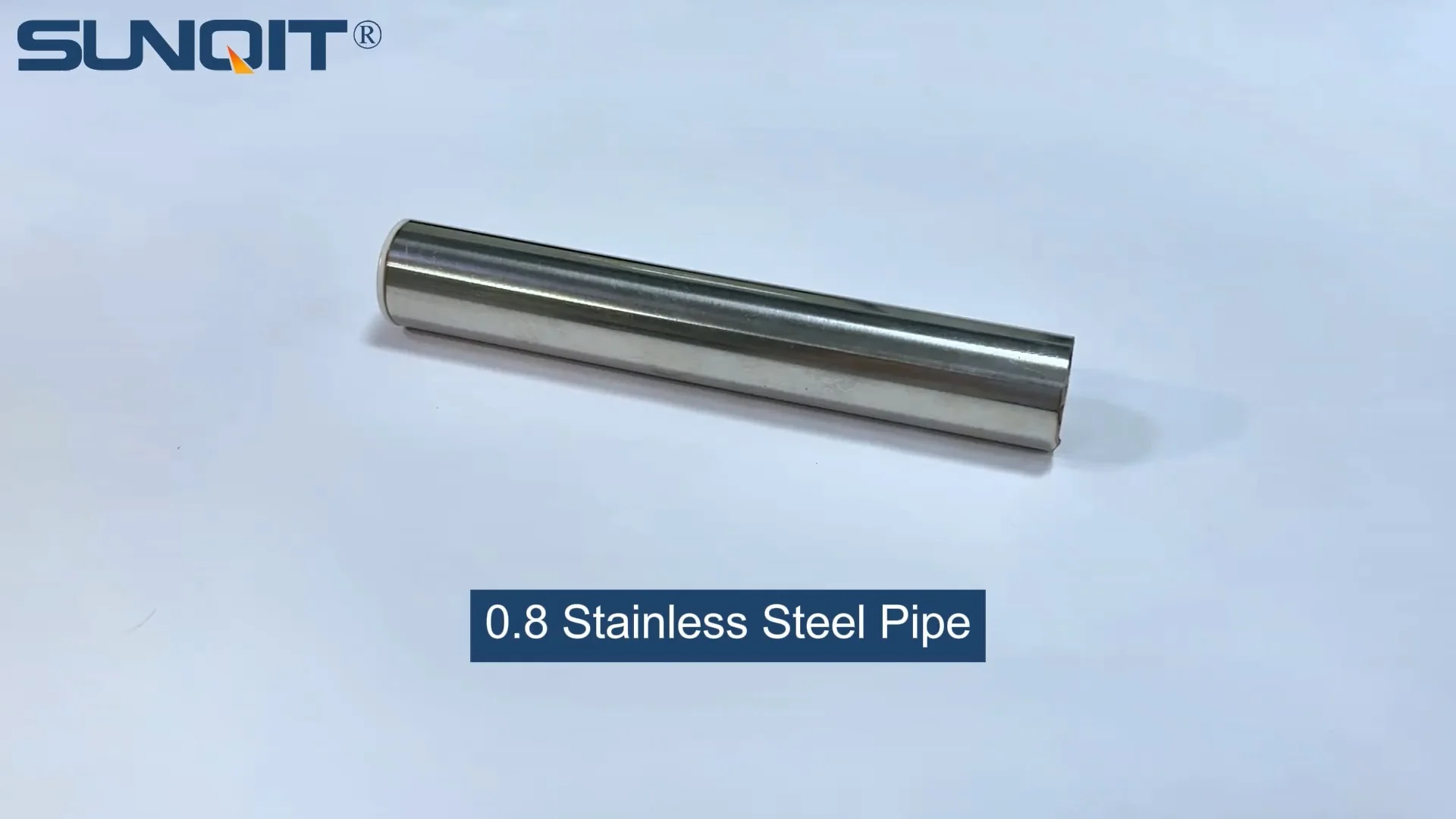
Stainless steel pipe, lean pipe, diameter is 28mm, material is SS201 or SS304, SS201 is normally used in the market. It knows a KARAKURI, KAIZEN material for industrial plant to improve efficiency, save labor cost, standard management.
Walk into any automotive parts manufacturing plant, and you'll be met with a symphony of activity: robots welding components, workers assembling intricate parts, and materials flowing seamlessly from one station to the next. Behind this orchestration lies a quiet hero—materials that balance durability, flexibility, and cost-effectiveness. Among these, the stainless steel pipe series has emerged as a cornerstone, particularly the 1.0mm stainless steel pipe. Far more than just a metal tube, it's a versatile building block that shapes everything from workbenches to roller tracks, ensuring production lines run smoothly, safely, and efficiently. Let's dive into how this unassuming component has become indispensable in automotive manufacturing.
Why 1.0mm Stainless Steel Pipe? The Basics
Stainless steel has long been prized for its corrosion resistance and strength, but the 1.0mm variant hits a sweet spot for manufacturing. At just 1mm thick, it's lightweight enough to keep structures like workbenches and trolleys maneuverable, yet robust enough to withstand the daily grind of automotive production. Unlike thicker stainless steel pipes, which can add unnecessary weight and cost, 1.0mm pipes strike a balance—they're rigid when needed but can be paired with lean pipe joints for flexible, modular designs. This flexibility is key in an industry where production lines are constantly evolving to meet new vehicle models or efficiency standards.
Another standout feature? Hygiene. Automotive parts, especially those for engines or electronics, demand clean environments. Stainless steel's non-porous surface resists bacteria growth and is easy to wipe down, making it ideal for areas where contamination risks are high. Compare that to painted or coated pipes, which can chip over time, exposing underlying materials and creating debris that could damage sensitive parts. For manufacturers, this translates to fewer quality control issues and less downtime for cleaning.
Application 1: Workbenches—Where Precision Meets Durability
workbench-app" style="font-size: 16px; line-height: 1.7; margin-bottom: 40px;">
Ask any assembly line worker about their most trusted tool, and they'll likely point to their workbench. It's where they spend hours fitting gaskets, tightening bolts, or inspecting tiny components. A flimsy workbench can throw off precision, cause fatigue, or even lead to accidents. That's where 1.0mm stainless steel pipe shines.
Modern workbenches in automotive plants are rarely one-size-fits-all. They need to be adjustable to accommodate different tasks—say, a higher surface for standing work or a lower one for detailed inspections. With 1.0mm stainless steel pipes and lean pipe joints , manufacturers can build modular workbenches that adapt on the fly. The joints, which connect pipes at various angles (90°, 135°, or even custom angles), allow for quick reconfiguration. Need to add a shelf for tools? Screw in a few joints and pipes. Want to lower the height? Adjust the legs—no welding or heavy machinery required.
Take, for example, a workbench used for assembling fuel injectors. These components are delicate, requiring steady hands and a stable surface. A stainless steel frame ensures the bench doesn't wobble, even when a worker leans on it. The smooth surface, often topped with a non-slip aluminum honeycomb panel, prevents parts from sliding off. And because stainless steel resists scratches from tools and solvents, the workbench stays looking new for years—unlike wooden or plastic alternatives that degrade over time.
One plant manager I spoke with summed it up: "We used to replace wooden workbenches every 2–3 years because they'd warp or get stained. Now, with stainless steel, we've had the same benches for over five years, and they still look and function like day one. The initial cost was higher, but the ROI is clear."

Application 2: Roller Tracks—Keeping Materials Moving
Material flow is the lifeblood of automotive manufacturing. Parts need to move from storage to assembly lines, and finished components to quality control—all without delays or damage. Enter roller tracks , the unsung conveyors that make this possible. And at the heart of many roller tracks? You guessed it: 1.0mm stainless steel pipe.
Roller tracks use a series of wheels (or rollers) mounted on a frame to slide materials along a path. The frame, often made from stainless steel pipes, needs to be strong enough to support heavy loads—think engine blocks or transmission housings—while remaining lightweight for easy installation. 1.0mm pipes are perfect here: their strength-to-weight ratio ensures the track doesn't sag under pressure, and their corrosion resistance means they hold up in dusty or humid plant environments.
What makes these tracks truly effective is their modularity. Using stainless steel pipes and compatible joints, manufacturers can create straight sections, curves, or even inclines to navigate around machinery or fit into tight spaces. For instance, a roller track might start at a storage rack, curve around a welding station, and end at an assembly workbench—all custom-built with standard pipe lengths and joints. This flexibility is a game-changer for plants with limited floor space or complex layouts.
Consider a scenario where a plant needs to transport brake calipers from the machining area to the assembly line. The calipers are heavy (around 5–10 kg each) and have delicate surfaces that can't be scratched. A roller track with stainless steel frame and plastic-coated rollers ensures smooth, scratch-free transport. The frame, built from 1.0mm pipes, supports the weight without bending, and the stainless steel resists the oil and coolant that might drip from the calipers during transport. Plus, if the assembly line moves to a new location next month, the track can be disassembled and rebuilt in hours—no need to buy a whole new system.

How Does It Compare? A Look at Material Alternatives
To truly appreciate 1.0mm stainless steel pipe, it helps to see how it stacks up against other common materials in automotive manufacturing. Below is a comparison with aluminum pipes and PE-coated lean pipes, two popular alternatives:
| Feature | 1.0mm Stainless Steel Pipe | Aluminum Pipe (1.0mm) | PE-Coated Lean Pipe (1.0mm Steel Core) |
|---|---|---|---|
| Corrosion Resistance | Excellent (resists rust, oil, coolants) | Good (oxidizes but forms protective layer) | Fair (coating can chip, exposing steel core) |
| Strength | High (supports heavy loads without bending) | Moderate (lighter but less rigid than stainless steel) | Moderate (core is steel, but coating adds minimal strength) |
| Weight | Moderate (heavier than aluminum, lighter than thick steel) | Lightest (easy to handle, lower transport costs) | Similar to stainless steel (coating adds slight weight) |
| Cost | Higher upfront (but longer lifespan) | High (aluminum is pricier than steel) | Lowest upfront (but requires replacement sooner) |
| Best For | Heavy loads, corrosive environments, long-term use | Light loads, clean rooms, aesthetic applications | Temporary setups, low-budget projects |
As the table shows, 1.0mm stainless steel pipe excels in durability and versatility, making it a smart investment for long-term manufacturing needs. While aluminum or PE-coated pipes might be cheaper or lighter in specific cases, stainless steel's ability to withstand harsh conditions and heavy use often makes it the more cost-effective choice over time.
The Role of the Lean System Supplier: Beyond Just Pipes
Behind every successful implementation of 1.0mm stainless steel pipe is a lean system supplier —a partner that doesn't just sell pipes, but provides end-to-end solutions. These suppliers understand that automotive manufacturing is about more than components; it's about optimizing workflows, reducing waste, and improving safety. A good supplier will work with a plant to design custom systems (like workbenches or roller tracks) using stainless steel pipes, ensuring they align with the plant's specific needs.
What sets a top-tier supplier apart? They offer more than just pipes and joints. They provide technical support, helping plant engineers calculate load capacities or design complex roller track layouts. They stock a wide range of accessories—from casters for mobile trolleys to anti-slip foot pads for workbenches—so everything needed for a project is available in one place. And they prioritize quality, ensuring their stainless steel pipes meet industry standards (like ISO 9001) for strength and corrosion resistance.
Take, for example, a plant that wants to upgrade its material handling system. A lean system supplier would start by auditing the current workflow: Where are the bottlenecks? What materials are being moved, and how heavy are they? From there, they'd recommend a mix of stainless steel workbenches (for assembly), roller tracks (for transport), and trolleys (for moving materials between stations). They'd provide 3D designs, help with installation, and even train workers on how to reconfigure the systems as needs change. This partnership turns a simple purchase into a strategic investment in efficiency.
One supplier I visited had a dedicated team for automotive clients. "We don't just ship pipes," the sales manager told me. "We help our clients build systems that grow with them. Last year, a client needed a roller track for small parts; this year, they're expanding to heavy engine components. We upgraded their existing track with thicker (but still 1.0mm) stainless steel pipes and reinforced joints—no need to start from scratch."
Future Trends: What's Next for Stainless Steel in Automotive Manufacturing?
As automotive manufacturing evolves—with trends like electric vehicles (EVs) and Industry 4.0 (smart factories)—so too will the role of 1.0mm stainless steel pipe. EVs, for instance, require more delicate battery components that demand ultra-clean production environments. Stainless steel's hygiene benefits will become even more critical here, as any contamination could compromise battery performance or safety.
Smart factories, which use sensors and data analytics to optimize production, will also drive innovation. Imagine roller tracks with built-in sensors that monitor load weight or track material flow in real time. The stainless steel frame could house these sensors, protecting them from dust and debris while maintaining structural integrity. Suppliers are already experimenting with "smart pipes" that integrate wiring or data cables, turning passive structures into active parts of the factory's digital ecosystem.
Sustainability is another key trend. Automotive manufacturers are under pressure to reduce their carbon footprints, and stainless steel's longevity plays a role here. A longer-lasting workbench or roller track means less frequent replacement, reducing waste. Additionally, stainless steel is 100% recyclable, so at the end of its life, the pipe can be melted down and reused—aligning with circular economy goals.
Perhaps most exciting is the potential for customization. As 3D printing technology advances, we might see stainless steel pipe joints or accessories printed on-demand, allowing for even more tailored designs. A plant could, for example, print a custom joint to connect a roller track to a uniquely shaped workbench—no need to wait for a supplier to manufacture it.
Conclusion: The Quiet Foundation of Modern Manufacturing
1.0mm stainless steel pipe may not grab headlines like the latest robotics or AI-driven systems, but it's the backbone of automotive parts manufacturing. From the workbench where a technician assembles a sensor to the roller track that moves a transmission housing, it enables the precision, flexibility, and durability that modern plants demand. Paired with lean pipe joints and supported by knowledgeable lean system suppliers , it's more than a material—it's a tool for innovation.
As automotive manufacturing continues to evolve, one thing is clear: the role of 1.0mm stainless steel pipe will only grow. Its ability to adapt to new technologies, support sustainability goals, and meet the demands of EV production ensures it will remain a staple in plants for years to come. So the next time you walk through a manufacturing facility, take a moment to look at the frames, tracks, and workbenches around you—chances are, you'll be looking at the quiet power of stainless steel.