- Company Articles
- Products and Technology
- Solution
- Automotive Parts Storage: Using Lean Pipe Fixed Clamps for Organized Bins

Automotive Parts Storage: Using Lean Pipe Fixed Clamps for Organized Bins
Related Product
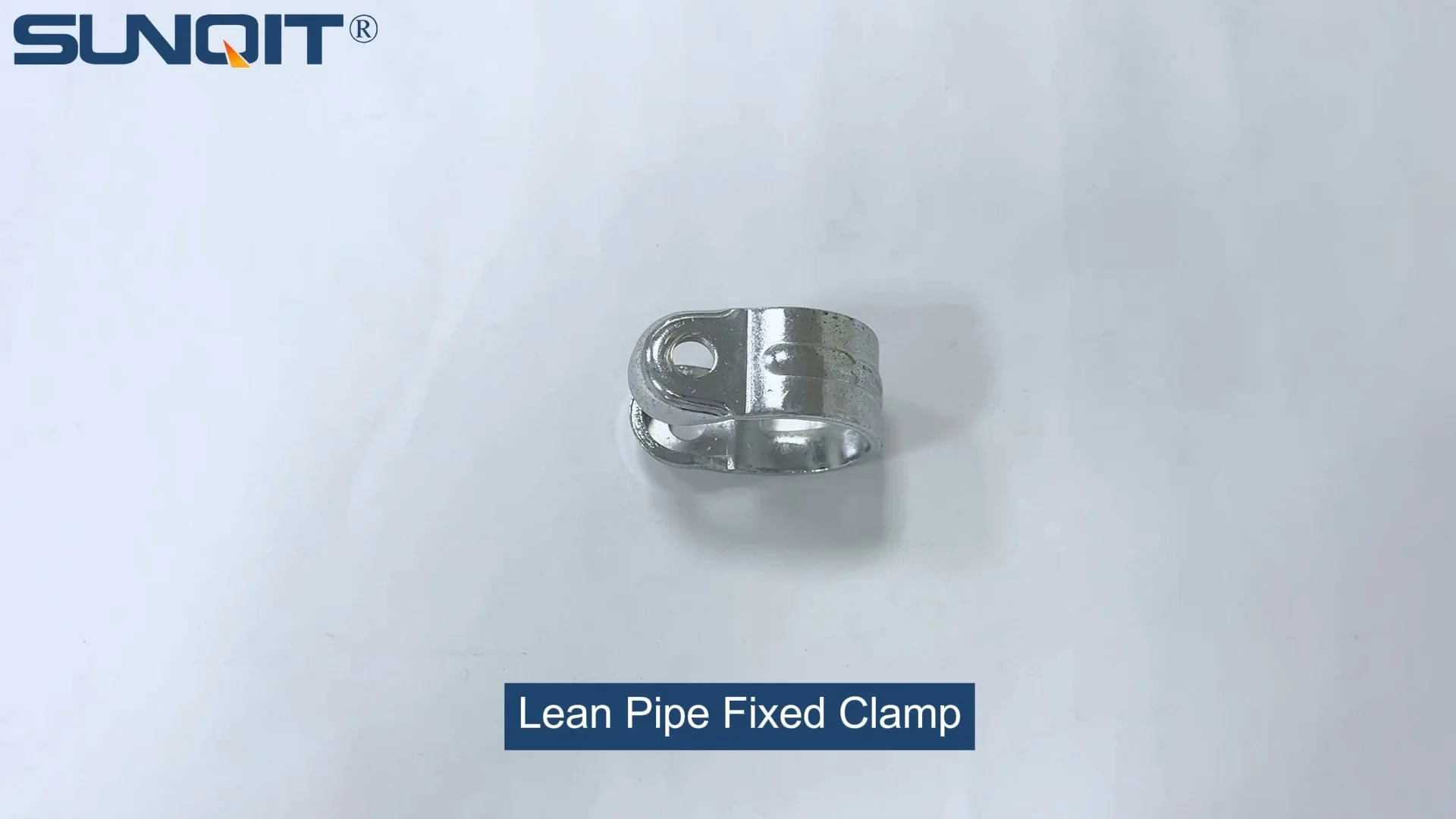
Lean Pipe Fixed Clamp
Lean pipe fixed clamp is used for pipe connector fixing the correct position during workbench flow rack hand trolley assemble work.
The Hidden Cost of Chaos in Automotive Parts Storage
Walk into a typical automotive parts warehouse, and you might be met with a familiar scene: shelves groaning under mismatched bins, tools scattered across workbenches, and workers pausing mid-task to hunt for a specific bolt or connector. It's a daily reality for many in the industry, but what if that chaos isn't just an inconvenience? What if it's quietly eating into your team's productivity, increasing error rates, and even putting safety at risk?
Automotive manufacturing thrives on precision—every part, from a tiny washer to a complex engine component, has a role to play. When those parts are disorganized, the ripple effects are tangible. A study by the Manufacturing Enterprise Solutions Association found that workers in poorly organized facilities spend up to 25% of their shift searching for materials. In automotive, where production lines move at breakneck speed, that's not just wasted time; it's missed deadlines, delayed shipments, and frustrated teams.
The problem often boils down to storage systems that weren't built for adaptability. Traditional static shelves and generic plastic bins can't keep up with the industry's ever-changing needs—new part sizes, seasonal production spikes, or sudden design revisions. Bins slide off shelves, labels peel, and before long, the system collapses into disarray. That's where lean pipe systems step in, offering a flexible, durable solution that grows with your operation. And at the heart of that system? The unsung hero: lean pipe fixed clamps.
Lean Pipe: More Than Just Pipes—A Foundation for Order
Before diving into the specifics of fixed clamps, let's talk about lean pipe itself. If you're new to the term, lean pipe (sometimes called "lean tube") is exactly what it sounds like: lightweight, durable tubing—often made of steel with a plastic coating or aluminum—that's designed to be modular. Unlike rigid metal shelving or welded frames, lean pipe systems are built using simple joints and connectors, letting you assemble, disassemble, and reconfigure them on the fly.
Why does this matter for automotive parts storage? Imagine needing to adjust your storage setup to accommodate a new line of electric vehicle components, which are bulkier than traditional parts. With a fixed shelving unit, you'd likely need to buy new shelves or hire a welder. With lean pipe, you can loosen a few joints, add a new section of pipe, and have the job done in an hour. That adaptability is a game-changer for facilities that can't afford downtime or wasted space.
But lean pipe alone is just a collection of tubes. To turn it into a functional storage system, you need components that hold everything together—literally. That's where lean pipe fixed clamps come into play. These small but mighty connectors are what transform a basic lean pipe frame into a secure, organized home for your parts bins.
Lean Pipe Fixed Clamps: The Glue That Holds It All Together
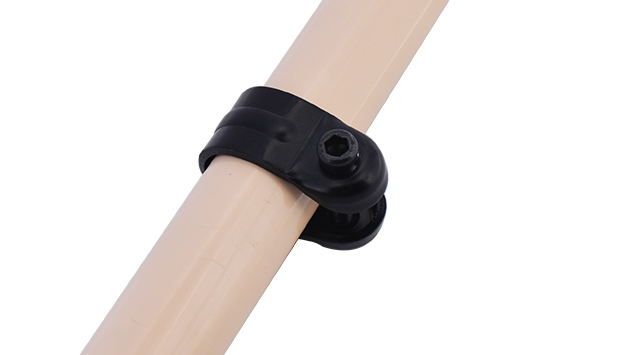
At first glance, a lean pipe fixed clamp might seem unremarkable—a simple metal or plastic device that wraps around a lean pipe and secures a bin in place. But don't let its simplicity fool you. These clamps are engineered to solve one of the biggest headaches in parts storage: keeping bins stable and accessible, even in high-traffic areas.
Let's break down why they work. Unlike adhesive strips or flimsy plastic hooks, lean pipe fixed clamps attach directly to the lean pipe frame using a tightening mechanism—usually a screw or lever—that creates a firm, non-slip grip. This means even when a worker grabs a bin in a hurry or bumps into the rack, the clamp holds tight. No more bins sliding off shelves, spilling parts onto the floor, or getting damaged in the fall.
What really sets these clamps apart is their adjustability. Automotive parts come in all shapes and sizes, and so do the bins that hold them. A good lean pipe fixed clamp can be positioned anywhere along the length of a lean pipe, so you can space bins exactly where you need them—no more wasted vertical space or overcrowded shelves. Need to switch from small plastic bins for screws to larger metal bins for gaskets? Just loosen the clamp, reposition it, and tighten. It's that easy.
Durability is another key factor. Automotive warehouses are tough environments—dust, grease, and occasional impacts are part of the daily grind. Lean pipe fixed clamps are built to withstand that. Many are made from high-grade steel or reinforced plastic, resistant to corrosion and wear. Even after years of use, they won't crack, bend, or lose their grip, ensuring your storage system stays reliable long-term.

Building Your System: Workbenches, Flow Racks, and Roller Tracks
Lean pipe fixed clamps don't work in isolation—they're part of a larger ecosystem of lean components designed to streamline your workflow. Let's take a look at how they integrate with two staples of automotive storage: workbenches and flow racks.
Lean Pipe Workbenches: Where Storage Meets Productivity
A workbench isn't just a table—it's a command center for your team. Whether they're assembling parts, inspecting components, or prepping materials for the line, workers need tools and parts within arm's reach. A lean pipe workbench, outfitted with fixed clamps, turns that table into a storage powerhouse.
Imagine a workbench with a lean pipe frame along the back and sides. Attached to that frame, via fixed clamps, are bins sorted by task: one for screws, one for washers, one for electrical connectors. No more reaching across the bench or bending down to grab parts from a shelf below—everything is at eye level, organized, and secure. The clamps ensure bins stay in place even when the bench is bumped or tools are set down firmly, keeping the workspace tidy and efficient.
Flow Racks and Roller Tracks: Keeping Parts Moving
In automotive production, parts often need to move from storage to assembly lines quickly. That's where flow racks shine. These inclined racks use gravity to feed bins forward as the front one is removed, ensuring a constant supply of parts without manual restocking. And when paired with roller tracks—smooth, low-friction rails that let bins glide effortlessly—they become even more efficient.
Lean pipe fixed clamps play a crucial here, too. They secure the roller tracks to the flow rack's lean pipe frame, ensuring the tracks stay aligned and stable. Misaligned tracks can cause bins to jam, slowing down the entire line. With fixed clamps holding the tracks in place, bins glide smoothly, workers grab what they need, and the line keeps moving. It's a small detail, but one that makes a big difference in keeping production on track.
Case Study: How One Auto Supplier Cut Search Time by 40% with Lean Pipe Fixed Clamps
Let's put this into context with a real-world example. Consider a mid-sized automotive parts supplier we worked with last year. Their warehouse was typical of the industry: rows of static metal shelves, bins overflowing with parts, and workers spending an average of 15 minutes per hour searching for materials. Their biggest pain point? Bins for small electrical components kept sliding off shelves, leading to frequent spills and lost parts.
We recommended a lean pipe system centered around flow racks, lean pipe workbenches, and—you guessed it—lean pipe fixed clamps. Here's what happened:
- Week 1: The team installed lean pipe frames along the warehouse walls, replacing two rows of old shelves. They used fixed clamps to attach clear plastic bins to the frames, sorted by part type and labeled clearly.
- Week 2: A lean pipe workbench was added to the assembly area, with fixed clamps holding frequently used bins at waist height. Roller tracks were integrated into the flow racks, letting bins glide to the front automatically.
- Month 3: The results were striking. Search time dropped from 15 minutes per hour to 9 minutes—a 40% improvement. Spilled bins decreased by 75%, and workers reported feeling less stressed and more focused.
The plant manager summed it up best: "We didn't just organize our parts—we organized our day. The fixed clamps mean bins stay where they're supposed to, and the lean pipe system grows with us. When we added a new part line last month, we reconfigured the racks in a morning. That's the kind of flexibility we never had before."

Traditional vs. Lean Pipe Storage: A Clear Winner
Still on the fence about whether lean pipe fixed clamps and systems are worth the investment? Let's compare them side by side with traditional storage solutions.
| Aspect | Traditional Storage (Static Shelves/Bins) | Lean Pipe with Fixed Clamps |
|---|---|---|
| Adaptability | Fixed design; hard to reconfigure for new part sizes or workflows. | Modular by design—easily adjust bin positions, add/remove racks, or expand as needed. |
| Installation & Setup | Often requires tools, professional installation, or welding; takes days. | Tool-free assembly (most systems); basic setup takes hours, not days. |
| Part Security | Bins prone to sliding, tipping, or falling; parts get damaged or lost. | Fixed clamps hold bins securely; roller tracks and flow racks prevent spills. |
| Space Efficiency | Wasted vertical space; shelves can't be adjusted to fit bin heights. | Maximizes vertical space with adjustable clamps; custom bin spacing reduces gaps. |
| Long-Term Cost | High replacement costs (shelves warp, bins crack); frequent reorganizations. | Durable materials (steel, aluminum) last decades; reconfigurable, so no need to replace. |
Beyond Clamps: The Full Lean Ecosystem
While lean pipe fixed clamps are critical, they're just one piece of the puzzle. To build a truly efficient storage system, consider integrating other lean components that complement them:
Aluminum Profile: For heavier-duty applications, aluminum profile (extruded aluminum with T-slots) can replace standard lean pipe, offering extra strength without sacrificing flexibility. It pairs seamlessly with fixed clamps, making it ideal for storing larger automotive parts like brake assemblies or suspension components.
Casters and Wheels: Add mobility to your lean pipe racks with casters. Suddenly, a stationary storage unit becomes a mobile cart that can be wheeled directly to the assembly line, reducing the need to carry heavy bins across the warehouse.
Swivel Roller Balls: These small, rotating balls can be mounted on workbenches or flow racks, letting workers slide heavy bins or parts with minimal effort. They're a great addition to areas where parts are frequently loaded or unloaded.
The beauty of lean systems is that they're modular—you can start small (say, with a single workbench and a few fixed clamps) and expand as your needs grow. There's no pressure to overhaul your entire warehouse at once; instead, you can test the system in one area, see the results, and build from there.
Choosing the Right Supplier: Quality Matters
Not all lean pipe fixed clamps or systems are created equal. To ensure your investment pays off, look for a supplier that prioritizes quality and customer support. A reliable lean pipe supplier will offer:
- Durable Materials: Clamps made from high-grade steel or reinforced plastic, with corrosion-resistant coatings for longevity.
- Customization Options: The ability to order clamps, pipes, and accessories in sizes that fit your specific bins and parts.
- Technical Support: Guidance on designing your system, from layout planning to installation tips.
- Warranty: A guarantee that their products will stand up to daily use—look for at least a 1-year warranty on clamps and joints.
Don't be afraid to ask for references or case studies from other automotive clients. A supplier who's worked in the industry will understand your unique challenges and can help you avoid common pitfalls.
Conclusion: Organized Bins, Empowered Teams
At the end of the day, automotive parts storage isn't just about bins and shelves—it's about people. When workers spend less time searching for parts and more time doing what they do best, morale improves, productivity soars, and your bottom line benefits. Lean pipe systems, anchored by reliable lean pipe fixed clamps, make that vision a reality.
So, if you're tired of the chaos—of spilled bins, wasted time, and frustrated teams—it's time to consider a change. Start small: map out your most disorganized area, measure your bins, and talk to a lean pipe supplier about designing a custom solution. You might be surprised at how quickly a few pipes, clamps, and a little organization can transform your warehouse from a source of stress into a well-oiled machine.
After all, in automotive, every part counts. Shouldn't your storage system count, too?