- Company Articles
- Products and Technology
- Solution
- Automotive Production: All Direction Roller Track for Assembly Line Flexibility

Automotive Production: All Direction Roller Track for Assembly Line Flexibility
Related Product
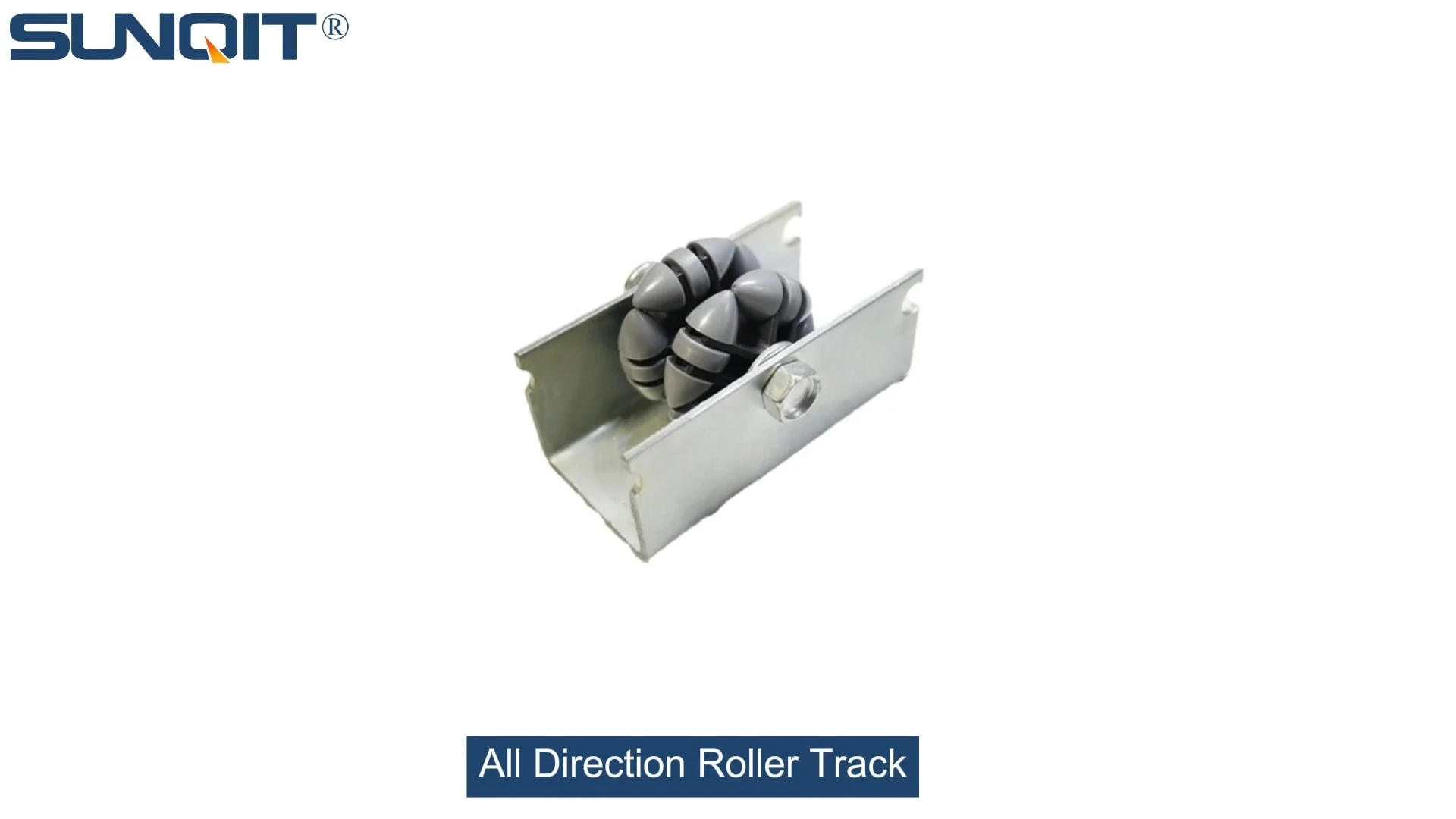
All Direction Roller Track
All direction roller track made of steel frame and multiple direction move wheel which will make boxes are always in contact with the rollers, reducing jams and enhancing flow reliability.
How Modular Solutions Transform Manufacturing Agility in the Automotive Industry
The automotive industry stands at a crossroads of innovation and tradition. As consumer demands shift toward electric vehicles, autonomous driving features, and personalized configurations, manufacturers face an unprecedented challenge: how to build production lines that can keep pace with constant change. A single assembly line might need to switch between SUVs, sedans, and electric vehicle components within hours—all while maintaining precision, safety, and efficiency. Rigid, fixed production systems of the past simply can't keep up. This is where the all direction roller track emerges as a game-changer, offering the flexibility modern automotive plants so desperately need.
At its core, automotive manufacturing is about movement—of parts, people, and processes. Every delay in material flow, every minute spent reconfiguring a workstation, eats into profitability and market responsiveness. Traditional roller tracks, with their fixed paths and welded structures, act like bottlenecks in this dance of production. They force workers to manually lift and reposition heavy components, slow down changeovers between models, and limit the ability to adapt to new designs. But what if the very infrastructure moving your parts could adapt as quickly as your engineers design new vehicles? That's the promise of lean system integration with omnidirectional roller technology—a promise that's already transforming assembly lines from Detroit to Stuttgart.
The Hidden Costs of Rigid Production Lines
To understand the value of all direction roller tracks, we first need to confront the inefficiencies of traditional automotive assembly setups. Let's take a typical scenario: a mid-sized auto parts manufacturer producing door panels for multiple car models. Their current line uses fixed steel roller tracks bolted to the floor, designed for a single panel size. When a new electric vehicle model requires a larger, lighter door panel with integrated wiring, the team faces a dilemma:
- Production Downtime: Reconfiguring the fixed roller track means shutting down the line for 8 hours. Welders arrive to cut and reposition steel rails; engineers remeasure and test alignment. Each hour of downtime costs approximately $20,000 in lost production.
- Worker Fatigue: Until the new track is installed, workers manually carry panels from station to station—a 50-pound lift repeated 200 times per shift. This leads to increased absences, higher workers' compensation claims, and slower cycle times.
- Wasted Resources: The old steel track, now obsolete, ends up in a landfill. The new track, while functional for the EV panel, will likely need replacement in another 18 months when the next model refresh arrives.
These aren't isolated problems. According to the Automotive Industry Action Group (AIAG), changeover inefficiencies cost the average automotive plant $1.2 million annually in lost productivity. Meanwhile, the Bureau of Labor Statistics reports that material handling-related injuries account for 32% of all workplace incidents in manufacturing—many tied to rigid, inflexible equipment.
"We used to measure our success by how few changes we made to our production line," says Maria Gonzalez, Production Manager at a Tier 1 automotive supplier in Mexico. "Now, success is measured by how quickly we can change. Last quarter, we launched three new component designs, and our old roller tracks couldn't handle the variety. We were losing 2 days a month just on reconfigurations. That's when we started looking for a better way."
All Direction Roller Track: Flexibility Redefined
The all direction roller track isn't just an incremental improvement over traditional systems—it's a fundamental shift in how automotive plants approach material flow. Unlike fixed tracks that restrict movement to 1-2 directions, these modular systems use precision-engineered roller balls and aluminum rails to enable 360° omnidirectional movement of components. Imagine a door panel gliding smoothly from the welding station to the painting booth, then rotating 90° to align with the assembly arm—all without a single manual touch. This isn't science fiction; it's the reality of modern lean manufacturing.
Key Advantages for Automotive Assembly
What makes these roller tracks indispensable for automotive production? Let's break down the benefits:
1. 360° Directional Freedom
Traditional roller tracks force parts into linear paths, requiring manual intervention whenever a turn or reorientation is needed. All direction roller tracks eliminate this with a matrix of rotating roller balls (typically 1-inch or 0.5-inch in diameter) that allow parts to move forward, backward, left, right, and diagonally. For example, a transmission housing weighing 75 pounds can be repositioned with a gentle push, aligning perfectly with robotic arms or worker stations. This reduces handling time by up to 40% and eliminates the risk of musculoskeletal injuries from heavy lifting.
2. Lightning-Fast Changeovers
When production needs shift—whether for a new model, a design update, or a seasonal variant—modular roller tracks shine. Constructed from lightweight aluminum pipe and quick-connect joints, they can be disassembled, reconfigured, and reassembled in minutes, not hours. A study by the Lean Manufacturing Institute found that plants using modular lean systems reduced changeover times by an average of 78% compared to fixed steel setups. For a line producing 500 units per day, that translates to over 1,200 additional units per month—enough to meet sudden spikes in demand or recover from supply chain delays.
3. Seamless Integration with Lean Principles
Lean manufacturing isn't just a buzzword; it's a philosophy centered on eliminating waste and continuous improvement. All direction roller tracks embody this philosophy in tangible ways:
- Eliminating Waiting Waste: Parts flow continuously to workstations, reducing idle time for workers and machines.
- Minimizing Transportation Waste: Omnidirectional movement cuts down on unnecessary part transfers between lines.
- Supporting Kaizen (Continuous Improvement): Workers can easily adjust the track layout themselves, testing new workflows without waiting for maintenance teams.
4. Durability That Withstands Automotive Rigors
Automotive plants are harsh environments—think oil, grease, constant vibration, and heavy loads. All direction roller tracks are built to endure these conditions. High-quality models use stainless steel roller balls for corrosion resistance, reinforced aluminum profiles for load-bearing (up to 1,500 pounds per linear foot), and impact-resistant plastic guides. Unlike painted steel tracks that chip and rust, anodized aluminum tracks maintain their integrity for 10+ years, even with daily use.
| Performance Metric | Traditional Steel Roller Track | All Direction Aluminum Roller Track |
|---|---|---|
| Maximum Load Capacity | 800 lbs/linear ft (fixed welds limit flexibility) | 1,500 lbs/linear ft (modular design maintains strength) |
| Changeover Time (Model Switch) | 4-8 hours (requires welding/cutting) | 15-30 minutes (tool-free assembly) |
| Directional Movement | 1-2 fixed directions | 360° omnidirectional |
| Maintenance Frequency | Quarterly (lubrication, rust removal) | Bi-annual (cleaning, occasional joint tightening) |
| Service Life | 5-7 years (corrosion, weld fatigue) | 10-15 years (stainless steel/aluminum durability) |

From Concept to Assembly Line: Real-World Impact
Numbers and specs tell part of the story, but real transformation happens on the factory floor. Let's look at how a leading European automotive Tier 1 supplier leveraged all direction roller tracks to overcome a critical production challenge.
The Challenge: Mix-Model Production Chaos
A supplier specializing in electric vehicle battery trays was struggling with a common problem: their assembly line needed to produce three tray sizes (for compact cars, SUVs, and commercial vans) on the same line. Each tray had different mounting points, weight distributions, and handling requirements. Their traditional setup used fixed conveyor belts and manual transfer stations, leading to:
- 12 hours of line downtime per week for reconfigurations
- 15% of parts damaged during manual transfers
- Worker complaints of back pain and fatigue
The Solution: Lean System Integration
Working with a lean solution provider, the supplier replaced their fixed conveyor system with a modular setup featuring:
- All direction roller tracks with 1-inch stainless steel swivel balls
- Aluminum profile workstations with quick-adjust height settings
- Mobile turnover trolleys compatible with the roller track system
The Results: A 40% Boost in Productivity
Within 90 days of implementation, the results were staggering:
- Downtime Cut by 90%: Changeovers between battery tray models dropped from 4 hours to 25 minutes.
- Damage Rate Near Zero: Gentle, guided movement on roller tracks reduced part damage from 15% to 0.5%.
- Worker Satisfaction Soared: Absenteeism due to back injuries fell by 60%, and employee surveys showed a 45% increase in job satisfaction scores.
- Scalability: When the supplier won a contract for a new van battery tray, they expanded the line by 30% in one weekend using additional aluminum pipe and roller track sections—no welding or heavy machinery needed.
"We used to think of our production line as a permanent structure, like the walls of the building," says the plant's Operations Director. "Now, it feels like a living, breathing system that adapts with us. Last month, we ran a small batch of prototype trays for a concept car—something that would have required a separate test line before. With the roller tracks, we just reconfigured a section of the main line during the night shift. By morning, we were producing prototypes alongside our regular orders. That's the flexibility we need to stay competitive."

Beyond the Track: Building a Fully Flexible Lean Ecosystem
While all direction roller tracks are a cornerstone of flexible production, their true power lies in integration with a broader lean system . Modern automotive assembly lines aren't just about moving parts—they're about creating interconnected workflows where every component, from workbenches to conveyors, works in harmony to support change. Let's explore the key elements of this ecosystem:
1. Modular Workstations: Where Precision Meets Adaptability
An assembly line is only as flexible as its workstations. Traditional fixed workbenches, bolted to the floor with permanent tool mounts, become obstacles when processes change. Enter modular aluminum workbenches, designed to pair seamlessly with all direction roller tracks. These workstations feature:
- Tool-Less Adjustment: Height-adjustable legs with hand cranks allow workers to set their stations at optimal ergonomic levels (28-42 inches) in seconds.
- Customizable Tops: ESD (Electrostatic Discharge) surfaces for sensitive electronics, stainless steel for durability, or wood for lightweight applications—all interchangeable.
- Integrated Storage: Hanging bins, tool rails, and under-shelf cabinets that reposition with the workstation, keeping tools within arm's reach.
For example, a workstation used for installing dashboard wiring can quickly convert to a quality inspection station by swapping the ESD top for a lit magnifying surface and repositioning the roller track to feed parts directly into the inspector's hands.
2. Conveyors: Bridging the Gaps in Material Flow
While all direction roller tracks excel at flexible, short-distance movement, conveyor systems handle the longer hauls between production stages—from the warehouse to the assembly line, or from final assembly to quality control. The key is choosing conveyors that align with lean principles: modular belt conveyors with quick-change belts, roller conveyors that integrate with omnidirectional tracks, and overhead conveyors that free up floor space for reconfiguration.
Consider a plant moving engines from the machining department to final assembly. A modular belt conveyor with adjustable speed settings can transport engines at 10 feet per minute during peak production, then slow to 5 feet per minute when workers need more time for detailed inspections. When a new engine model with a different footprint arrives, the conveyor's side guides can be adjusted with hand knobs, not tools—no downtime required.
3. Turnover Trolleys: Mobile Storage That Keeps Up
Material storage shouldn't be a static afterthought. Turnover trolleys, designed to roll directly onto all direction roller tracks, act as mobile buffers between production stages. These trolleys feature:
- Interchangeable Shelves: Adjust shelf heights to fit different part sizes, from small fasteners to large body panels.
- Locking Casters: Secure the trolley in place during loading/unloading, then unlock to roll it to the next station.
- Weight Capacity: Heavy-duty models can carry up to 1,200 pounds, eliminating the need for forklifts in tight assembly areas.
During a model changeover, these trolleys become mobile workbenches. Workers can load them with the tools and parts needed for the new model, then position them along the reconfigured roller track—turning changeover into a streamlined, mobile process rather than a disruptive overhaul.
4. Custom Solutions: Tailored to Your Unique Challenges
No two automotive plants are identical. A luxury car manufacturer might prioritize precision and customization, while a commercial vehicle plant focuses on heavy-duty durability. This is where lean solution providers shine—offering custom-designed systems that address specific pain points rather than forcing a one-size-fits-all approach.
The customization process typically begins with a value stream mapping session, where engineers observe current workflows, identify bottlenecks, and collaborate with plant managers to define goals. From there, they design a system that might include:
- Hybrid roller track/conveyor systems for mixed part sizes
- Specialized ESD workstations for electric vehicle battery assembly
- Ergonomic lift assists integrated with omnidirectional tracks
One supplier specializing in custom lean solutions worked with a commercial truck manufacturer to design a system for assembling truck beds of varying lengths (6-12 feet). The solution combined extendable all direction roller tracks (telescoping aluminum rails) with mobile welding stations, allowing the line to adjust to bed length in under 5 minutes—down from 2 hours with the previous fixed setup.

Why Choose Aluminum? The Material Science Behind Lean Flexibility
At the heart of every modular lean system lies a critical choice: material. While steel has long been the go-to for industrial applications, aluminum has emerged as the superior choice for flexible production lines—and for good reason. Let's dive into the material science that makes aluminum pipe and profiles the backbone of modern lean manufacturing:
1. Strength-to-Weight Ratio: Lightweight Yet Durable
Aluminum alloys (typically 6061-T6 for industrial use) offer a strength-to-weight ratio that steel can't match. A 2-inch aluminum pipe weighs 40% less than a steel pipe of the same diameter and strength, making it easy for workers to handle during reconfiguration. This lightness doesn't compromise durability—aluminum pipes can withstand 3,000 pounds of compressive force per square inch, enough to support heavy automotive components like axles or engine blocks.
For example, a team reconfiguring a roller track section can carry aluminum rails by hand, whereas steel rails would require forklifts and additional labor. This reduces the time and effort needed for changeovers, making lean principles like "quick changeover" actionable rather than aspirational.
2. Corrosion Resistance: Longevity in Harsh Environments
Automotive plants are filled with substances that eat away at steel: oil, coolant, cleaning chemicals, and humidity. Aluminum's natural oxide layer acts as a barrier against corrosion, eliminating the need for painting or coating. Anodized aluminum profiles take this a step further, with an electrolytic process that thickens the oxide layer, making them resistant to scratches, stains, and chemical damage. This longevity means aluminum systems have a service life of 10-15 years, compared to 5-7 years for painted steel—reducing replacement costs and waste.
3. Recyclability: Aligning with Sustainable Manufacturing Goals
Sustainability isn't just a corporate buzzword; it's a regulatory and consumer demand. Automotive manufacturers worldwide are committing to carbon-neutral production by 2030, and material choices play a key role. Aluminum is 100% recyclable, with no loss of quality during recycling. When a lean system component reaches the end of its life, it can be melted down and reused, reducing reliance on virgin materials and cutting carbon emissions by up to 95% compared to producing new aluminum.
Additionally, the modular nature of aluminum systems reduces waste from the start. Unlike welded steel structures, which often end up in landfills when reconfigured, aluminum pipes and joints can be repurposed for new projects. A pipe used in a door panel line today might become part of a battery tray workstation tomorrow—aligning with the lean principle of "eliminate waste" and the circular economy.
4. Precision Machining: Tight Tolerances for Seamless Integration
Aluminum's malleability allows for precision machining of joints, tracks, and accessories, ensuring components fit together with minimal play. This precision is critical for all direction roller tracks, where even a 1mm misalignment can cause parts to jam or move unevenly. Aluminum extrusion processes create profiles with consistent wall thickness and dimensional accuracy, ensuring that a roller track section produced in China will fit perfectly with a workstation made in Germany.
For example, aluminum guide rails with T-slot designs allow for quick attachment of accessories—tool holders, stops, or sensors—without drilling or welding. The slots maintain consistent spacing (typically 20mm or 40mm), so accessories from different manufacturers are interchangeable, giving plants the freedom to mix and match components based on need.
Choosing the Right Partner: What to Look for in a Lean Solution Provider
Investing in all direction roller tracks and lean systems is a significant decision, one that will impact your production efficiency for years to come. With so many suppliers in the market, how do you choose a partner that delivers not just products, but long-term value? Here are the key factors to consider:
1. Industry-Specific Expertise
Not all lean suppliers understand the unique demands of automotive manufacturing. Look for providers with a proven track record in the automotive sector—ideally with case studies, references, and certifications (ISO 9001 for quality, ISO 14001 for sustainability). A supplier that specializes in medical devices may not grasp the challenges of heavy component handling or high-volume production, so industry experience matters.
2. End-to-End Support: From Design to Training
The best suppliers don't just sell you parts—they partner with you through every stage of the process:
- Needs Assessment: On-site visits to analyze your current workflows, pain points, and goals.
- Custom Design: Engineering teams that create 3D models and prototypes before full production.
- Installation Support: Technicians who assist with setup and ensure systems integrate with existing infrastructure.
- Training: Workshops for your team on system reconfiguration, maintenance, and lean principles to maximize ROI.
- After-Sales Service: Responsive support for repairs, replacement parts, and system upgrades.
3. A Comprehensive Product Portfolio
To avoid the headaches of coordinating multiple suppliers, look for a partner that offers a full range of lean components: roller tracks, workbenches, conveyors, trolleys, and accessories. This ensures compatibility between systems and simplifies ordering, invoicing, and maintenance. For example, a supplier that manufactures both all direction roller tracks and the aluminum joints that connect them can guarantee a perfect fit, whereas mixing brands might lead to alignment issues.
4. Commitment to Innovation
The automotive industry won't stop evolving, and your lean system shouldn't either. Choose a supplier that invests in R&D, constantly improving their products to meet new challenges. This might include developing lighter aluminum alloys, more durable roller balls, or smart components with IoT sensors that monitor track performance and predict maintenance needs.
5. Global Reach, Local Support
If your automotive operations span multiple countries, a supplier with a global network ensures consistent quality and support worldwide. Look for providers with manufacturing facilities or distribution centers in key regions, as well as multilingual support teams to assist with international projects. For example, a plant in Michigan should receive the same high-quality roller tracks and service as a plant in Malaysia.
The Road Ahead: Flexibility as a Competitive Advantage
As automotive manufacturing hurtles toward an electrified, connected future, one thing is clear: flexibility will be the defining competitive advantage. Plants stuck with rigid, fixed production systems will struggle to adapt to new vehicle designs, changing consumer preferences, and evolving regulations. Those that embrace modular lean systems—powered by all direction roller tracks, aluminum workstations, and integrated conveyors—will thrive.
Imagine a future where a single assembly line produces electric sedans in the morning, hybrid SUVs in the afternoon, and autonomous delivery vans in the evening—all with minimal downtime and maximum efficiency. This isn't a distant dream; it's achievable today with the right tools and mindset. All direction roller tracks are more than just a piece of equipment; they're a catalyst for transformation, enabling automotive manufacturers to turn change from a disruption into an opportunity.
So, what's your next step? Start small: identify a bottleneck in your current production line—a workstation that causes delays, a changeover that takes too long, or a material handling process that frustrates workers. Partner with a lean solution provider to design a pilot project using all direction roller tracks and modular components. Measure the results, learn from the experience, and scale from there. The goal isn't to overhaul your entire plant overnight, but to build a culture of continuous improvement where flexibility becomes part of your DNA.
"The most successful automotive manufacturers of tomorrow won't be those with the biggest factories or the most robots," says a senior industry analyst. "They'll be those with the most adaptable factories—plants that can pivot, learn, and evolve as quickly as the market does. All direction roller tracks and lean systems are the foundation of that adaptability. They're not just tools; they're the future of manufacturing."
The road ahead is filled with change, but it's also filled with opportunity. By investing in flexibility today, you're not just improving your production line—you're securing your place as an innovator in the automotive industry of tomorrow. The question isn't whether you can afford to adopt all direction roller tracks and lean systems. It's whether you can afford not to.